



Electric Air Mobility Takes Flight: US Government Paves the Way for Urban Transportation Revolution
- Strategic roadmap positions advanced air mobility as next-generation urban transit solution















Overview
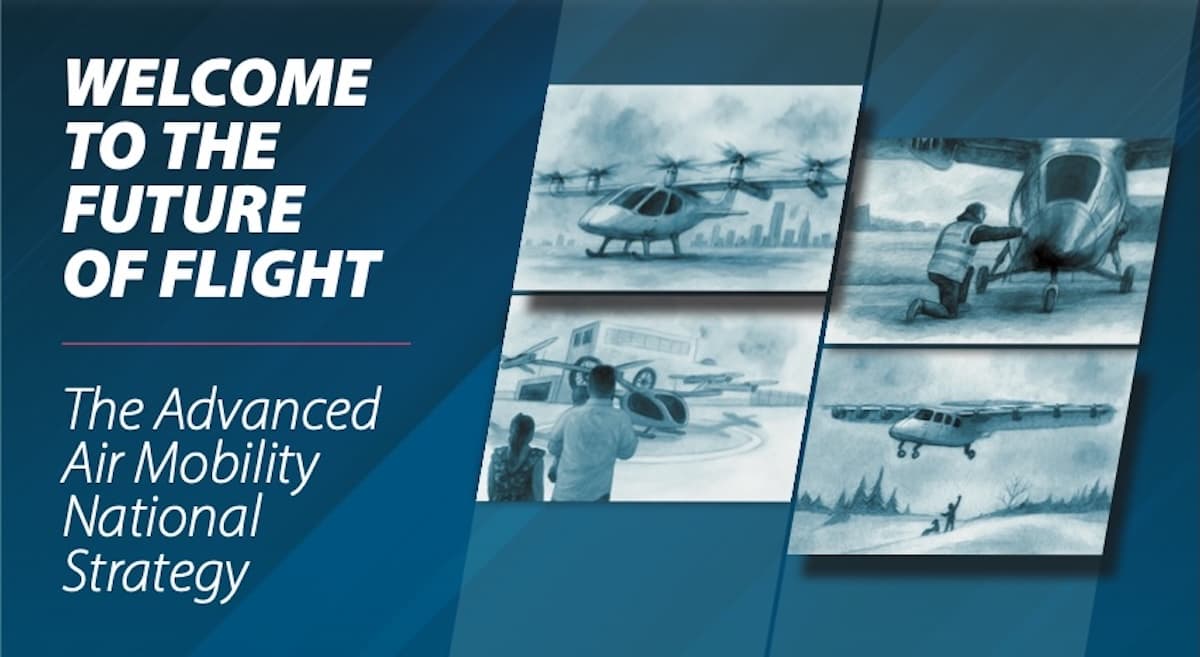
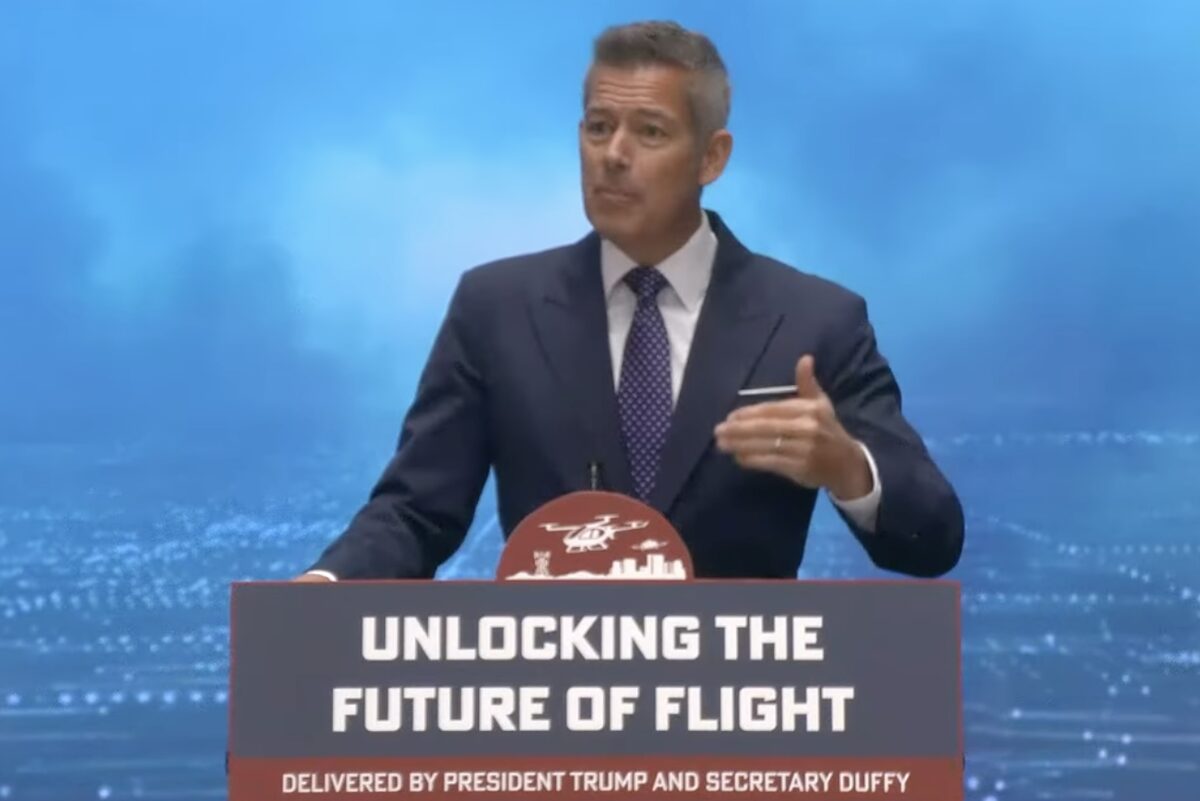
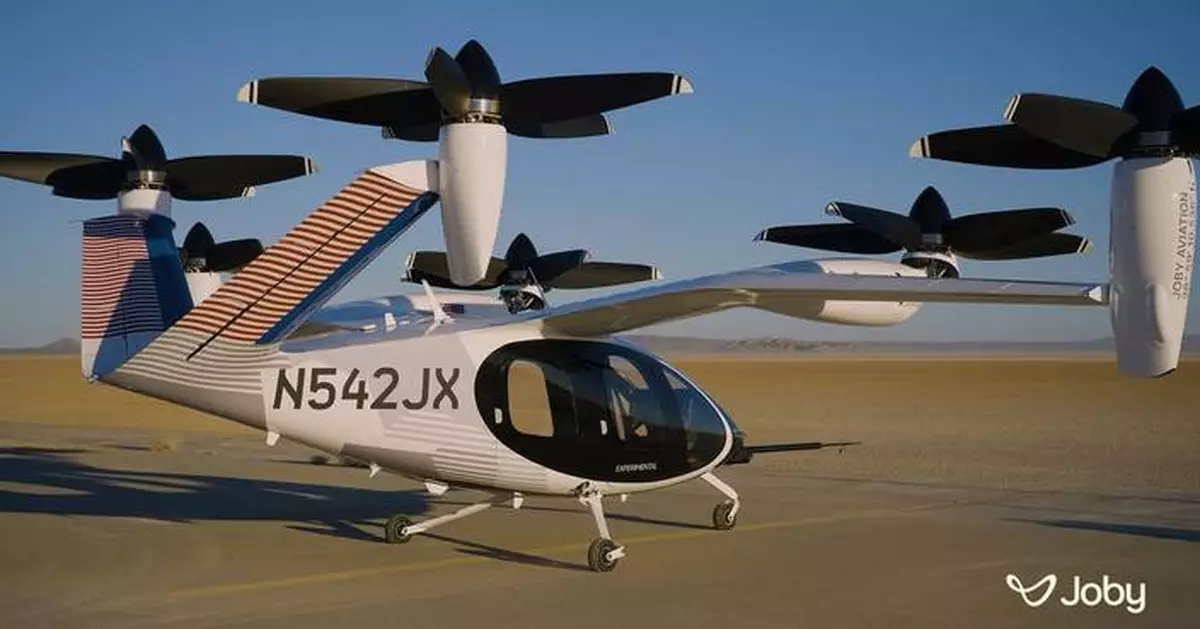
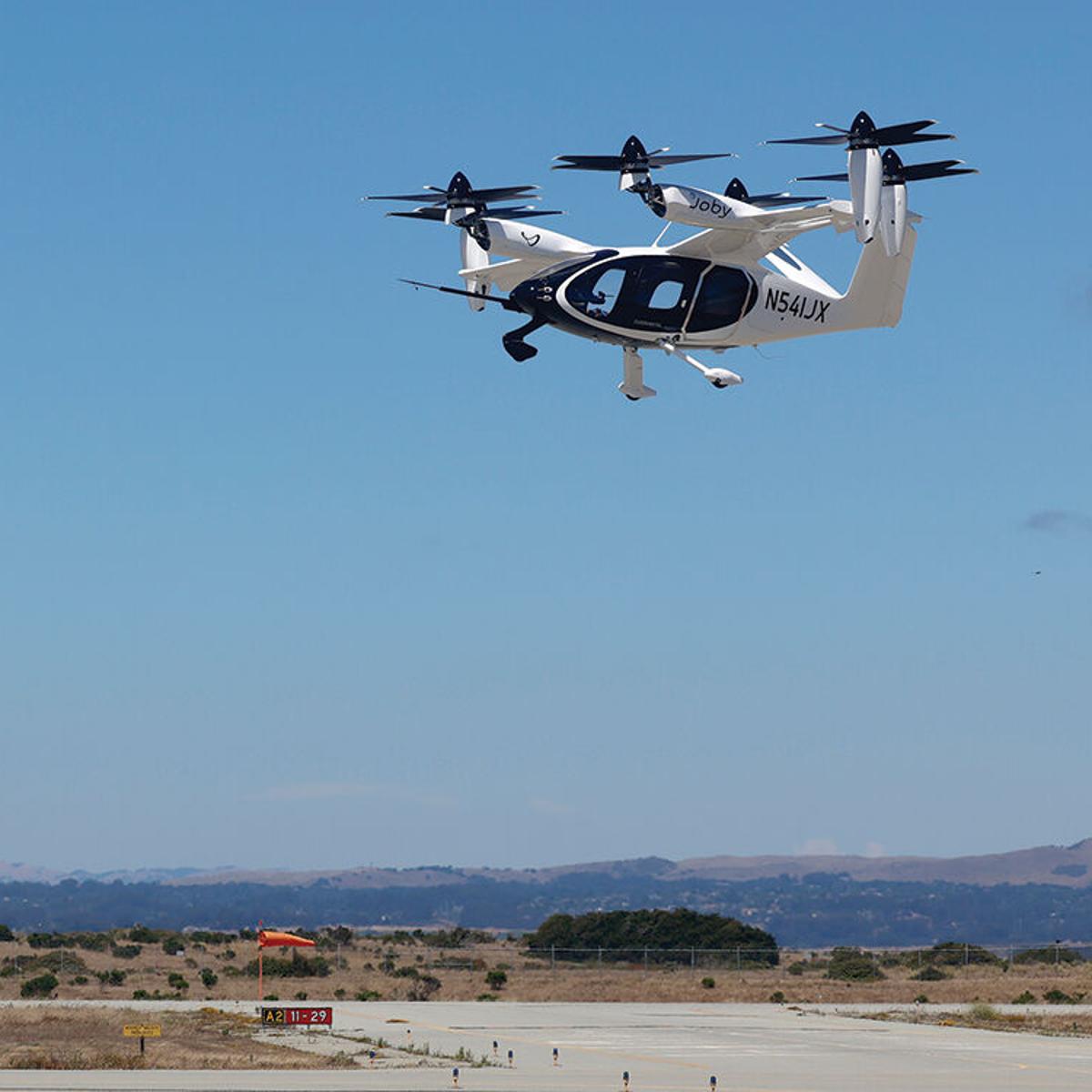
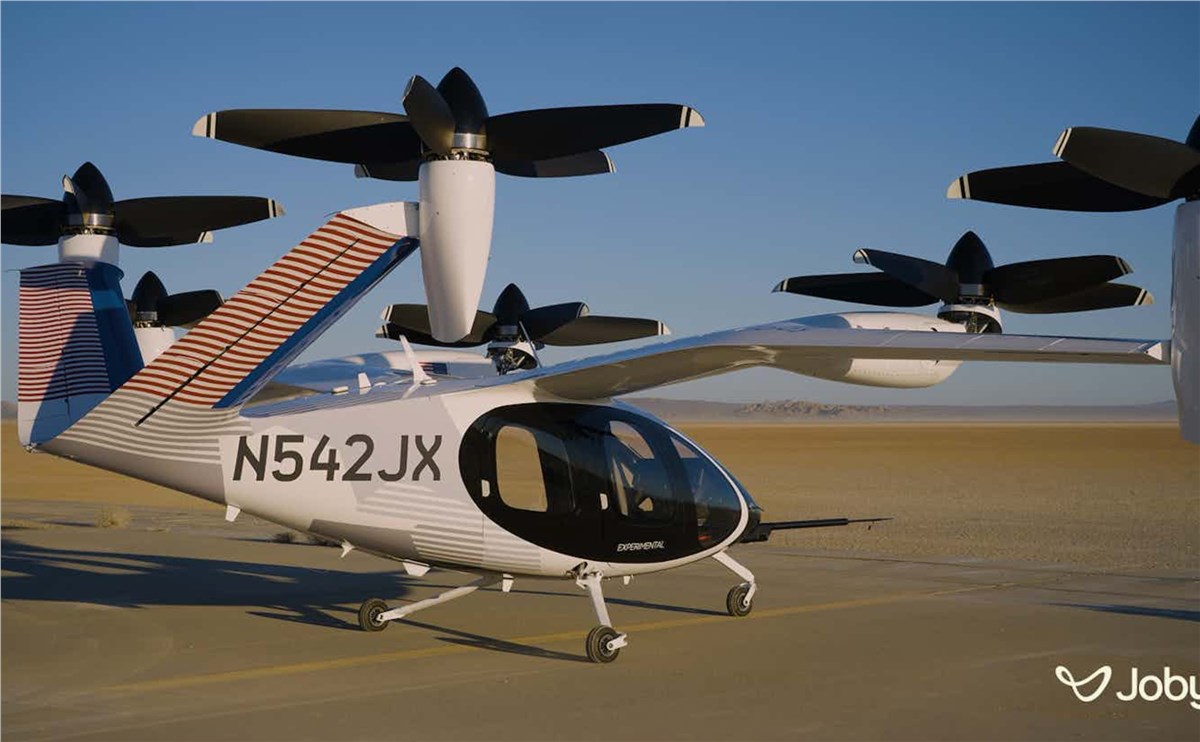
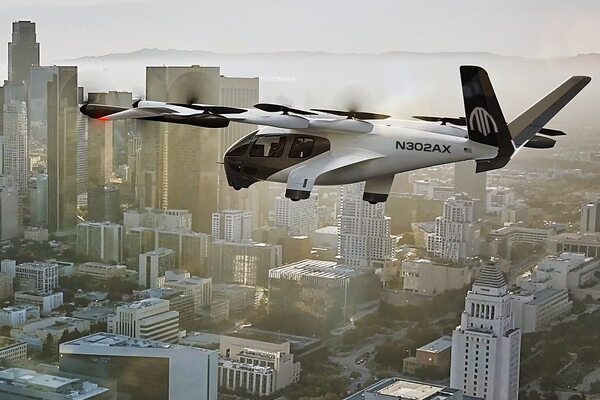
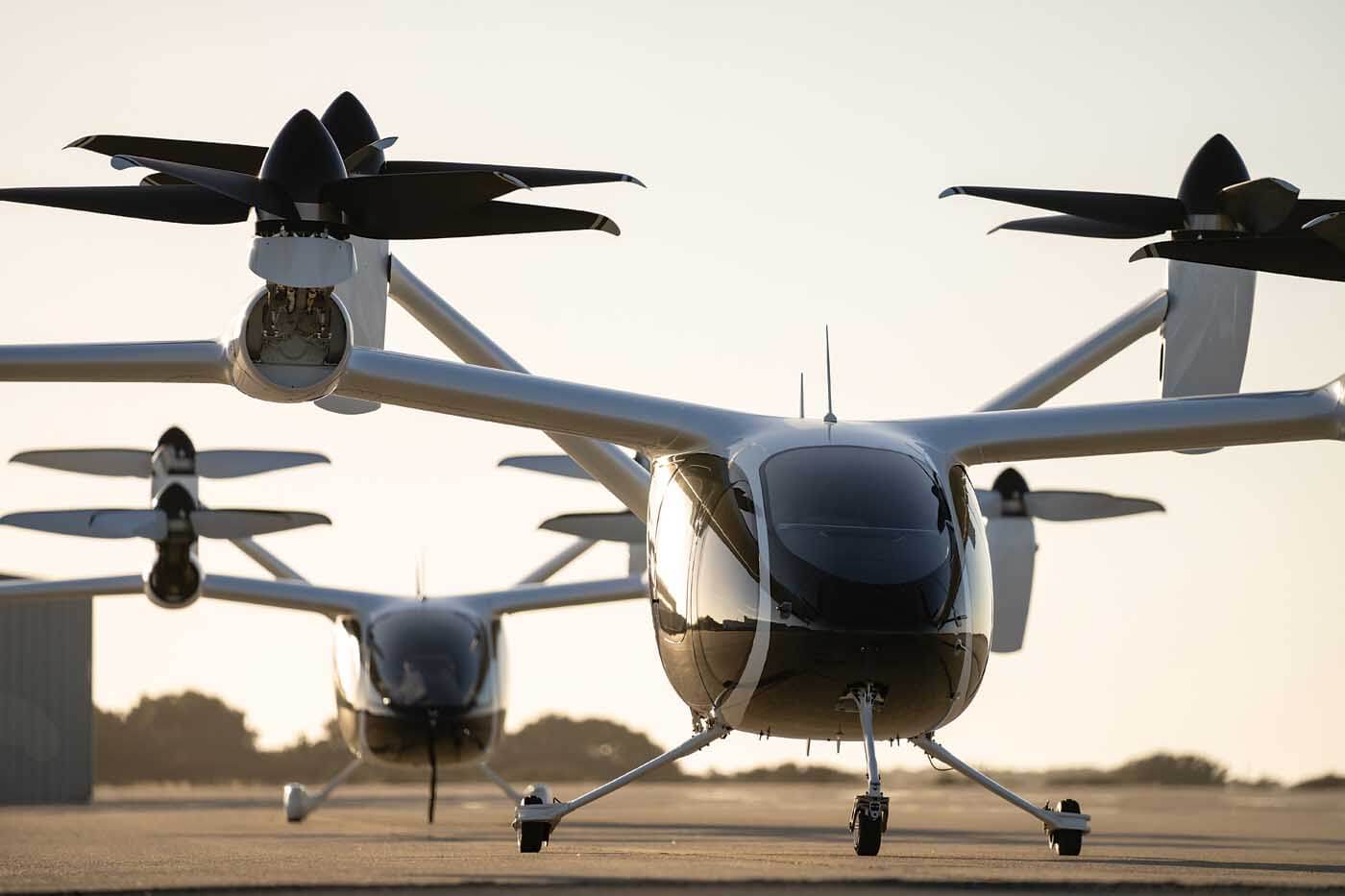
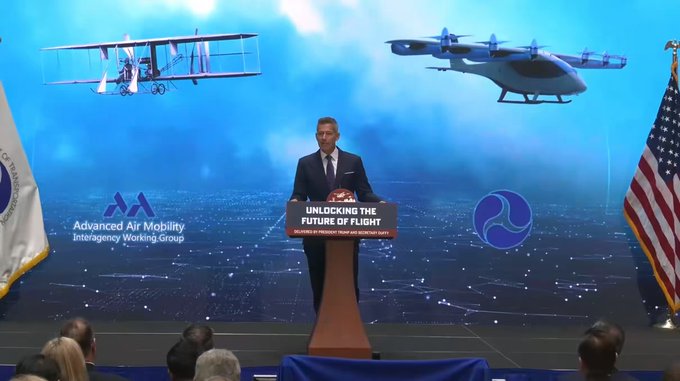
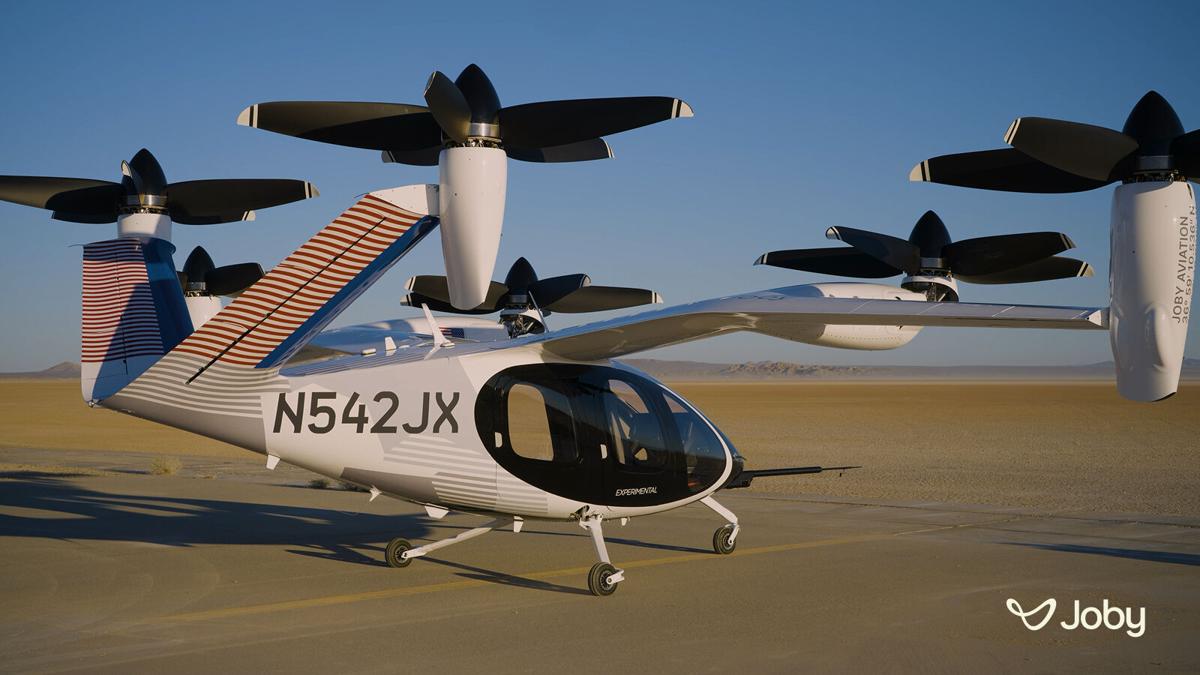
The Advanced Air Mobility (AAM) landscape is undergoing a transformative shift, with the U.S. government's comprehensive national strategy signaling a pivotal moment for electric vertical takeoff and landing (eVTOL) technologies. At the forefront of this revolution, Joby Aviation represents a critical test case for how innovative transportation solutions can reshape urban mobility.
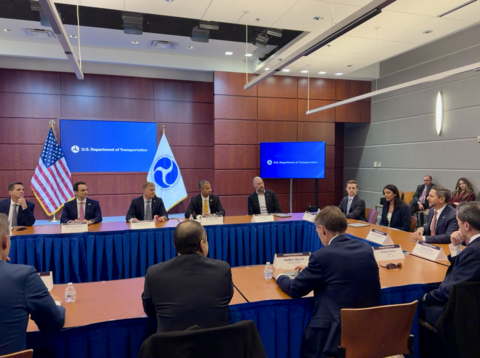
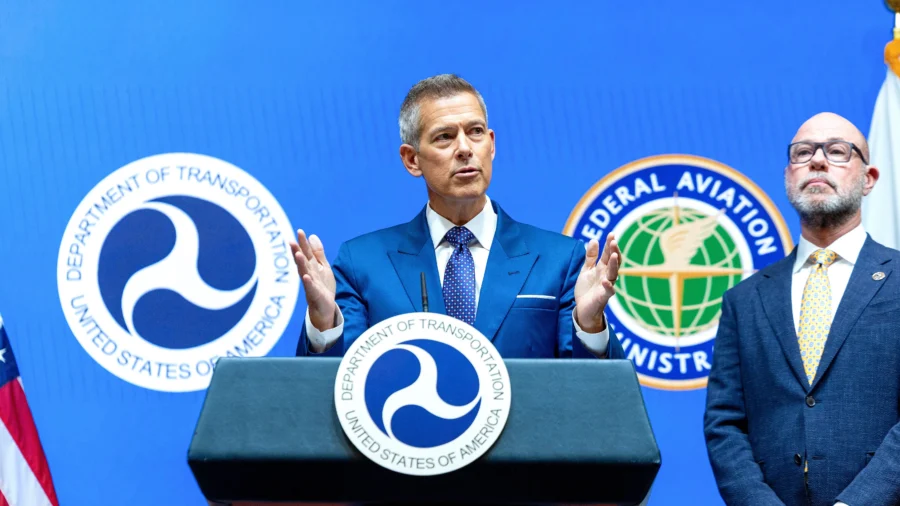
Government-Backed Innovation Acceleration emerges as the core narrative, with the Department of Transportation's strategic roadmap coordinating efforts across 19 federal agencies to systematically develop the electric air taxi ecosystem. The plan's most significant breakthrough is its holistic approach—simultaneously addressing technological, regulatory, and workforce development challenges. Joby's progress becomes particularly noteworthy, having already completed over 50,000 miles of flight testing across three countries and securing critical FAA and NASA integration simulations.
Infrastructure and Workforce Transformation represents the strategic underpinning of this mobility revolution. By emphasizing existing infrastructure optimization and targeted workforce development through apprenticeship programs, the strategy eliminates traditional barriers to emerging transportation technologies. The 2026 commercial launch target is not merely an aspiration but a carefully orchestrated plan, with Joby positioning itself to deploy commercial services without requiring massive upfront infrastructure investments.
The broader implications extend far beyond a single company or technology. This represents a systemic reimagining of urban transportation, where autonomous flight technologies, regulatory support, and technological innovation converge. The United States is strategically positioning itself as a global leader in next-generation aviation, creating a blueprint for how governments can proactively shape emerging technological ecosystems.
For stakeholders across transportation, technology, and urban planning sectors, this signals a clear inflection point. The eVTOL Integration Pilot Program is not just about creating a new transportation mode, but about fundamentally restructuring how people and goods move within urban environments. Investors, policymakers, and technology developers should view this as a comprehensive framework for future mobility infrastructure.
Questions 4
What are the key technological challenges for eVTOL adoption?
Primary challenges include autonomous flight technology, battery range and efficiency, urban landing infrastructure, and regulatory certification. The U.S. government's strategy directly addresses these by supporting workforce training, technology development, and creating a clear certification pathway for companies like Joby Aviation.
How will existing infrastructure support electric air mobility?
The strategy emphasizes using existing infrastructure, which means air taxi services can be deployed without requiring massive new construction. Joby's approach focuses on integrating with current transportation networks, reducing upfront investment costs and accelerating market entry.