





Global Horror Reimagined: Konami's Bold Cultural Expansion of Silent Hill
- A strategic pivot transforming video game storytelling through cross-cultural psychological landscapes









Overview
Video game storytelling is undergoing a radical transformation, with Konami's Silent Hill franchise emerging as a pioneering case study in cultural narrative reimagination. The recent interview with producer Motoi Okamoto reveals a groundbreaking strategy: transforming Silent Hill from a fixed geographical location into a universal psychological terrain that can manifest across diverse global contexts.
Cultural Diversity as a Narrative Weapon: By considering settings in Central and South America, Russia, Italy, and South Korea, Konami is doing more than changing game locations—it's fundamentally reconstructing how interactive storytelling can engage with local mythologies and belief systems. The producer's references to authors like Gabriel García Márquez signal an intention to integrate magical realism and complex sociopolitical narratives into game design, moving far beyond traditional horror tropes.
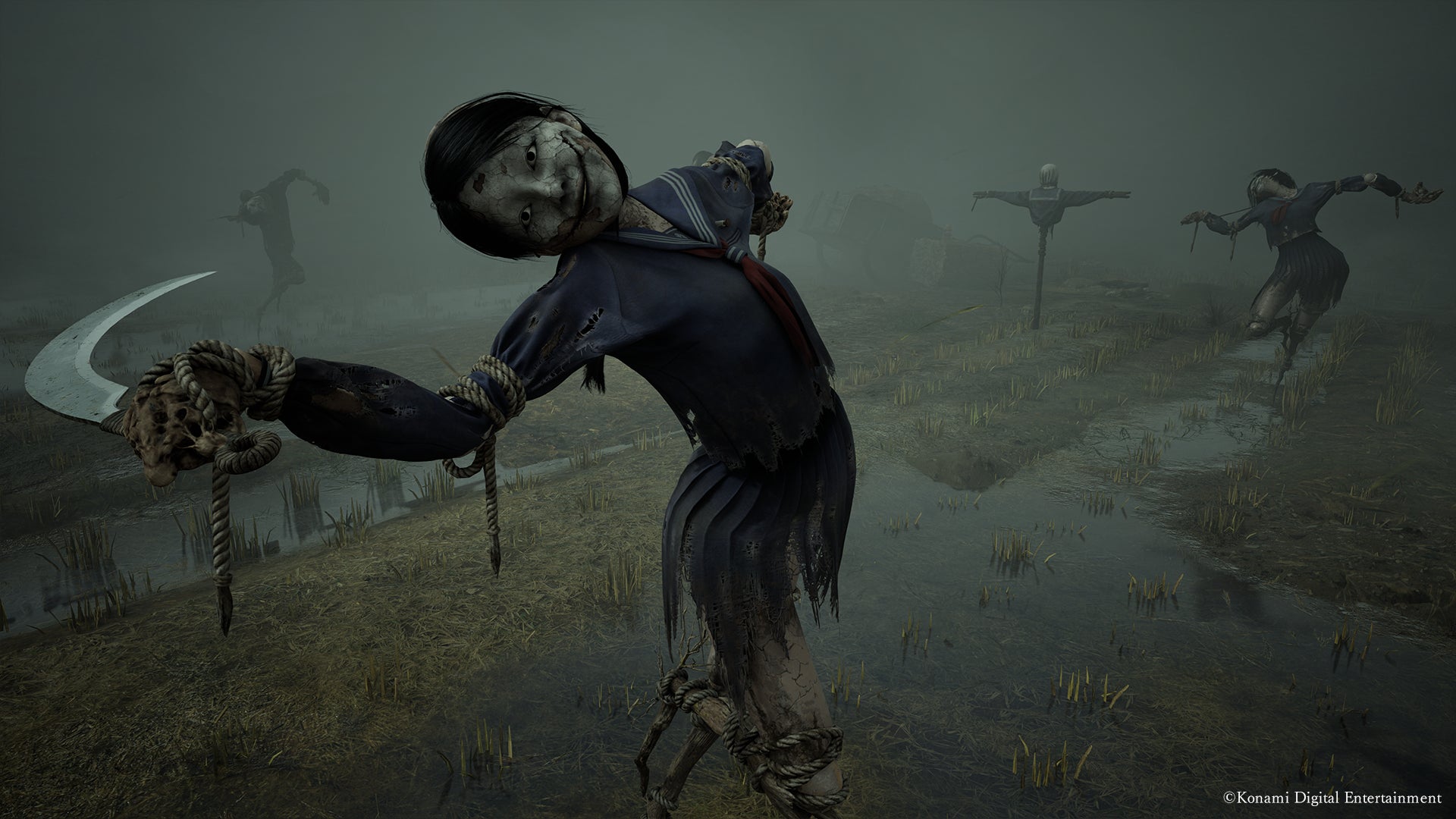
Strategic Challenges and Opportunities: The most intriguing aspect of this expansion is the acknowledged difficulty of finding development studios in regions like Central and South America capable of handling such a sophisticated franchise. This challenge itself becomes a strategic opportunity—potentially opening doors for emerging game development ecosystems to collaborate with established international studios. The Silent Hill f game's success in Japan has already demonstrated that cultural transplantation can reinvigorate a long-standing franchise.
The broader implication extends beyond Konami: this represents a paradigm shift in global game development, where narrative complexity and cultural specificity become competitive advantages. By treating game worlds as fluid psychological landscapes rather than fixed geographical representations, developers can create more immersive, globally resonant experiences that transcend traditional Western-centric storytelling frameworks.
For the gaming industry, this signals a profound evolution: games are no longer just entertainment products, but sophisticated narrative platforms capable of exploring complex cultural experiences through interactive mediums.
Questions 3
Why is Konami considering expanding Silent Hill to new cultural contexts?
Konami aims to reinvigorate the franchise by transforming Silent Hill from a fixed location into a universal psychological landscape. By exploring diverse cultural belief systems and storytelling traditions, they can create more immersive and globally resonant horror experiences that transcend traditional Western narrative frameworks.
How does this strategy differ from traditional video game franchise expansions?
Unlike typical geographical expansions, Konami is treating Silent Hill as a conceptual, psychological space that can manifest differently across cultures. This approach prioritizes narrative complexity and cultural specificity over mere location changes, representing a more sophisticated form of interactive storytelling.