


Medical Accountability Exposed: When Professional Trust Catastrophically Fails
- Unprecedented Legal Verdict Reveals Systemic Vulnerabilities in Healthcare Professional Oversight






















)

)

Overview
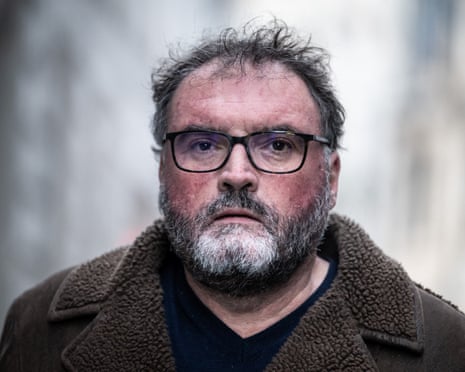
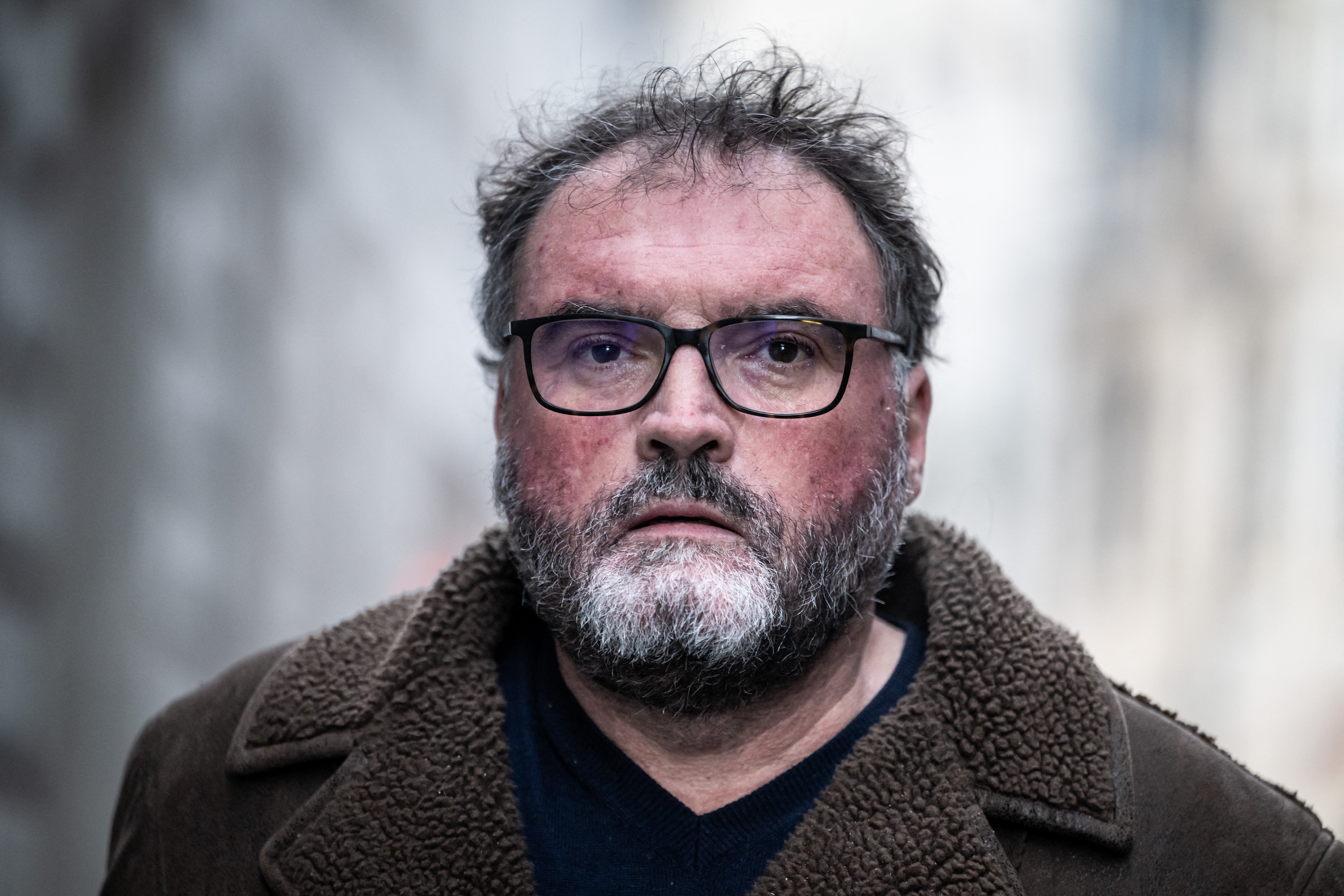
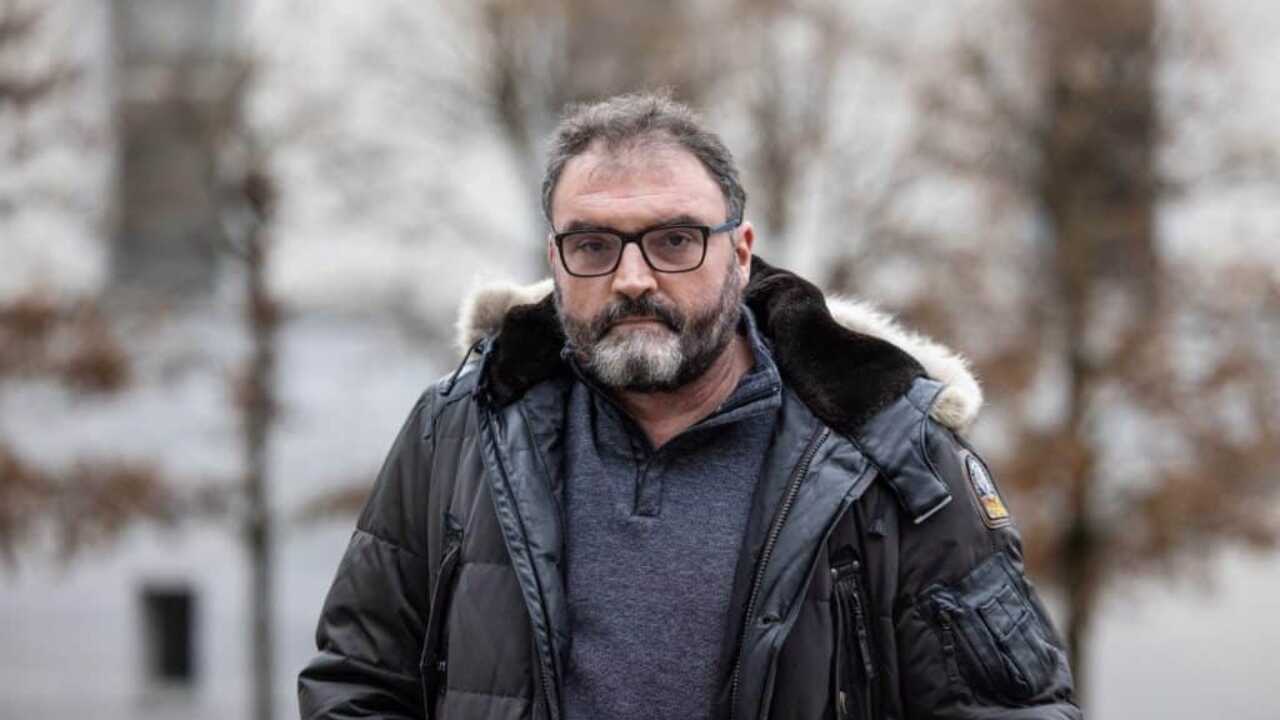
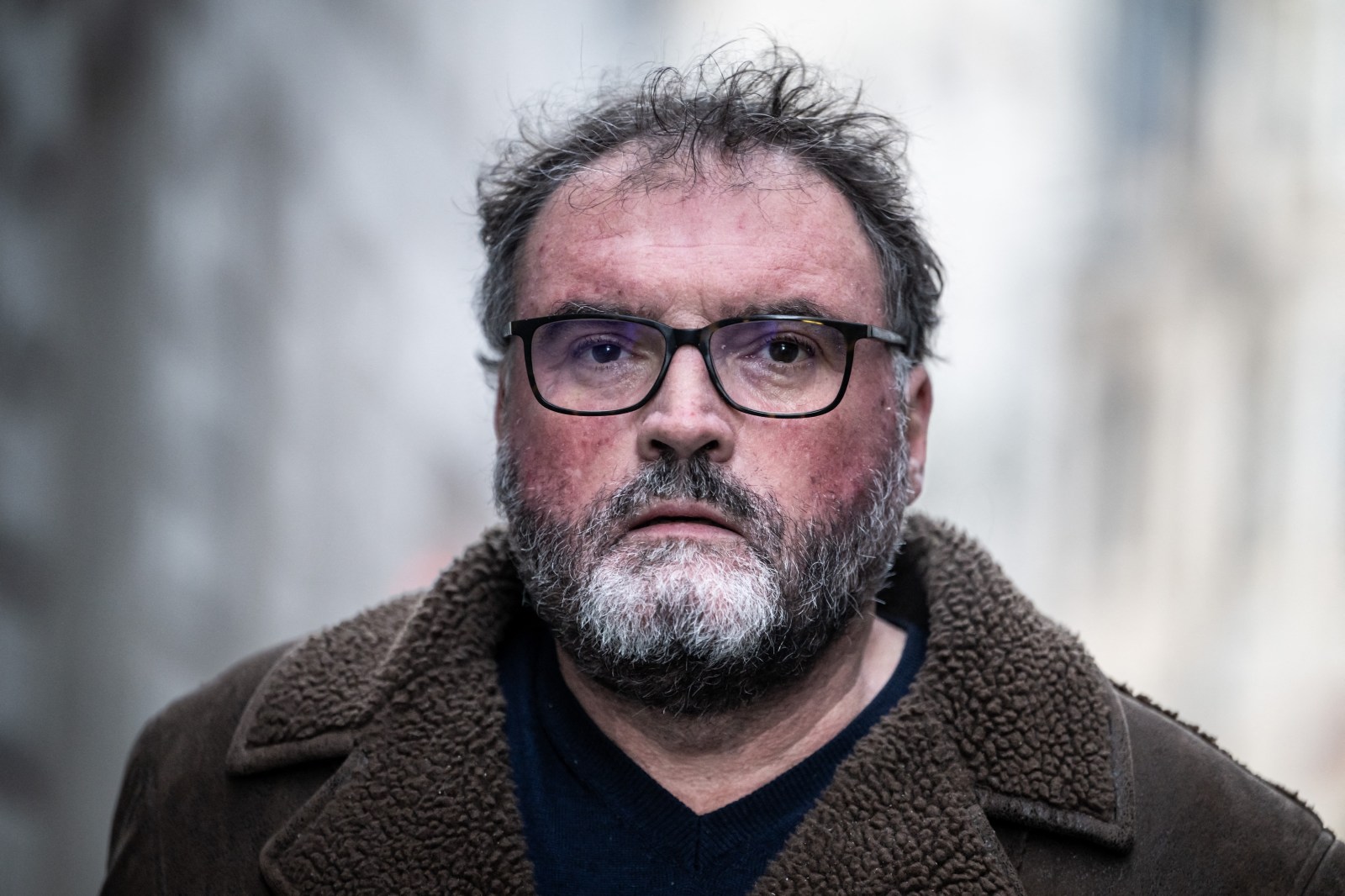
The shocking case of Frédéric Péchier represents a watershed moment in medical professional accountability, exposing critical systemic vulnerabilities that extend far beyond an individual criminal act. Over nearly a decade, this "star anesthetist" systematically transformed medical practice into a weapon of psychological warfare, deliberately poisoning 30 patients and killing 12 across two French clinics.
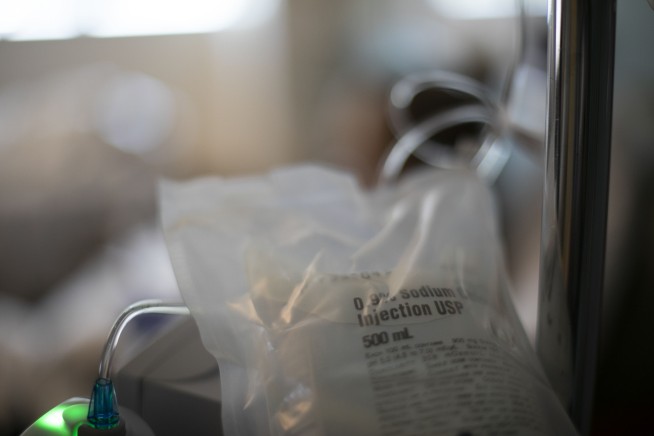
What makes this case extraordinary is not just the scale of criminal behavior, but the profound breakdown of professional safeguards. Péchier's actions reveal a chilling calculus of institutional manipulation: he strategically poisoned patients to damage colleagues' reputations, showcase his supposed superiority, and address deep-seated personal inadequacies. His method was meticulously calculated—contaminating IV bags with potassium, local anesthetics, and adrenaline to trigger cardiac arrests, then positioning himself as a potential savior during resuscitation attempts.
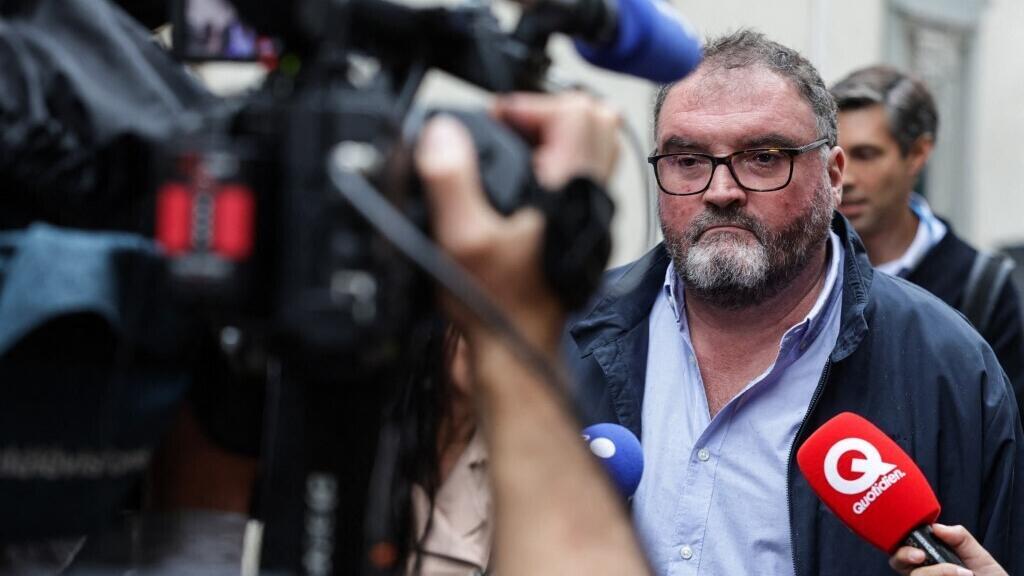
The judicial response is equally remarkable. A rare life sentence signals a fundamental shift in how medical misconduct is perceived. By permanently revoking Péchier's medical license and imposing a minimum 22-year period before parole, the French legal system is sending an unambiguous message: professional privilege does not shield criminal behavior. The verdict transcends individual punishment, representing a broader societal demand for rigorous professional accountability.
The case exposes multiple systemic failures. How could a medical professional commit such extensive harm over nearly a decade without detection? The investigation's revelation of over 70 serious adverse medical events suggests profound gaps in monitoring and reporting mechanisms. Victims ranging from four-year-old Tedy to 89-year-old patients demonstrate the indiscriminate nature of institutional betrayal.
Critically, this case is not an isolated incident but part of a growing pattern of heightened scrutiny in professional conduct. Concurrent with Péchier's trial, another high-profile case involving a retired doctor's sexual abuse conviction suggests a broader institutional reckoning. The medical community is being compelled to confront uncomfortable truths about power, accountability, and the potential for systemic abuse.
Questions 3
How did Frédéric Péchier manage to poison patients over such a long period?
Péchier exploited systemic vulnerabilities in medical oversight, strategically contaminating IV bags and positioning himself as a potential rescuer during medical emergencies. The lack of robust monitoring mechanisms allowed him to commit these crimes across two clinics from 2008 to 2017 without immediate detection.
What makes this case different from typical medical malpractice?
Unlike accidental medical errors, Péchier's actions were deliberate and psychologically motivated. He systematically poisoned patients to damage colleagues' reputations and demonstrate personal power, making this a premeditated criminal act rather than a medical mistake.