




When Inspiration Crosses the Line: The Legal Minefield of Video Game Design
- Emerging risks for game developers navigating intellectual property boundaries in digital entertainment




Overview
Intellectual property protection in the video game industry has entered a critical inflection point, where the line between inspiration and infringement has become increasingly razor-thin. The recent Sony-Tencent lawsuit surrounding the 'Light of Motiram' game reveals the complex legal landscape developers must now navigate, where even subtle similarities can trigger significant legal consequences.
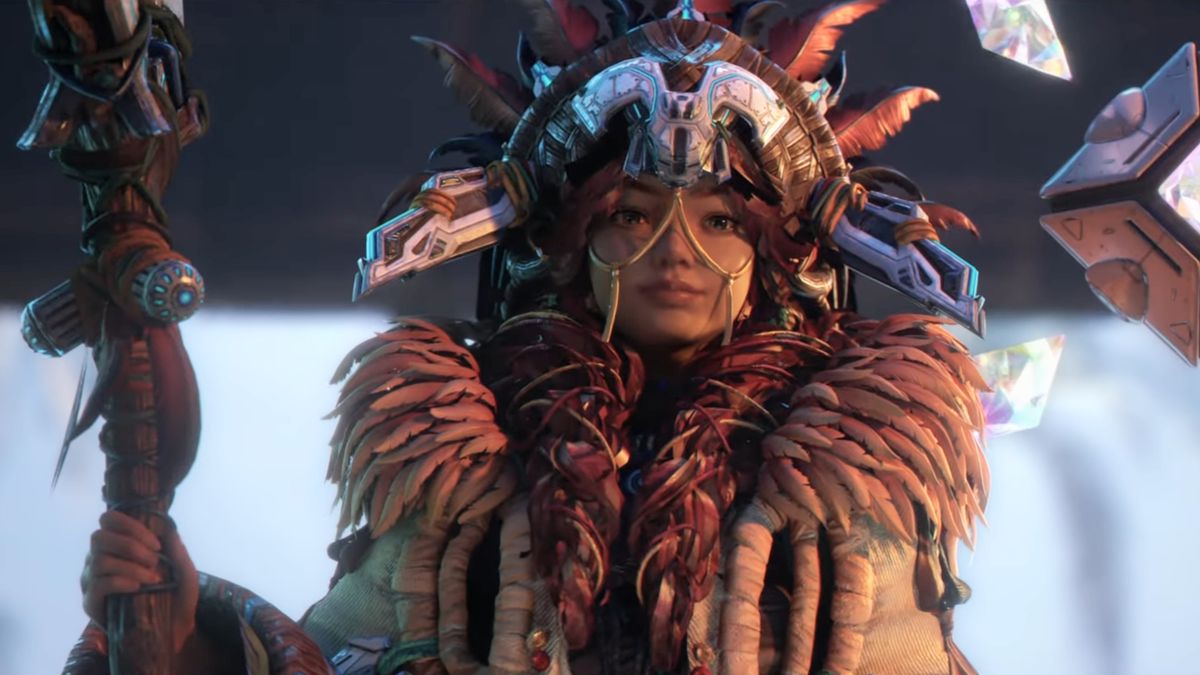
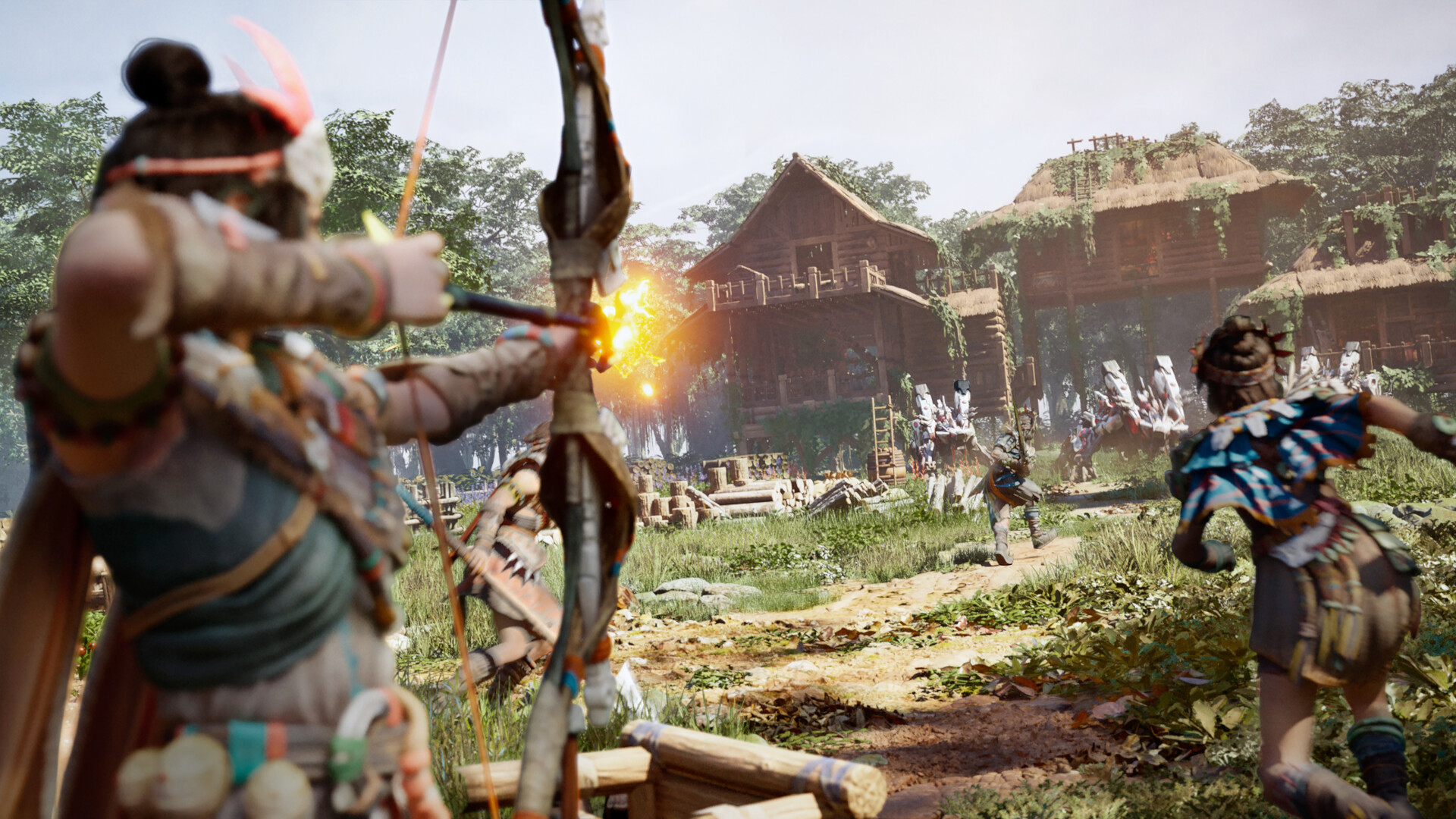
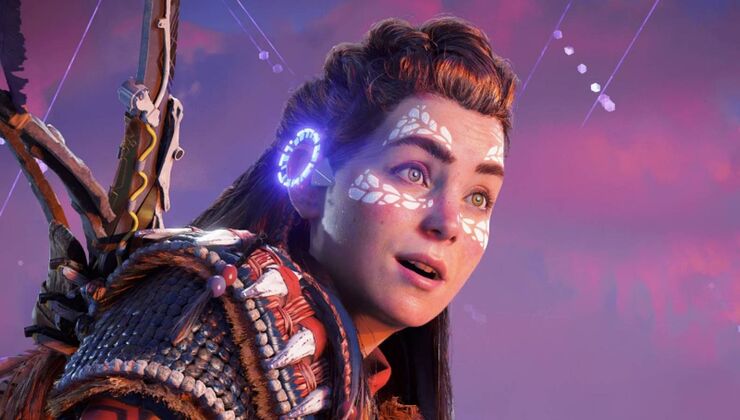
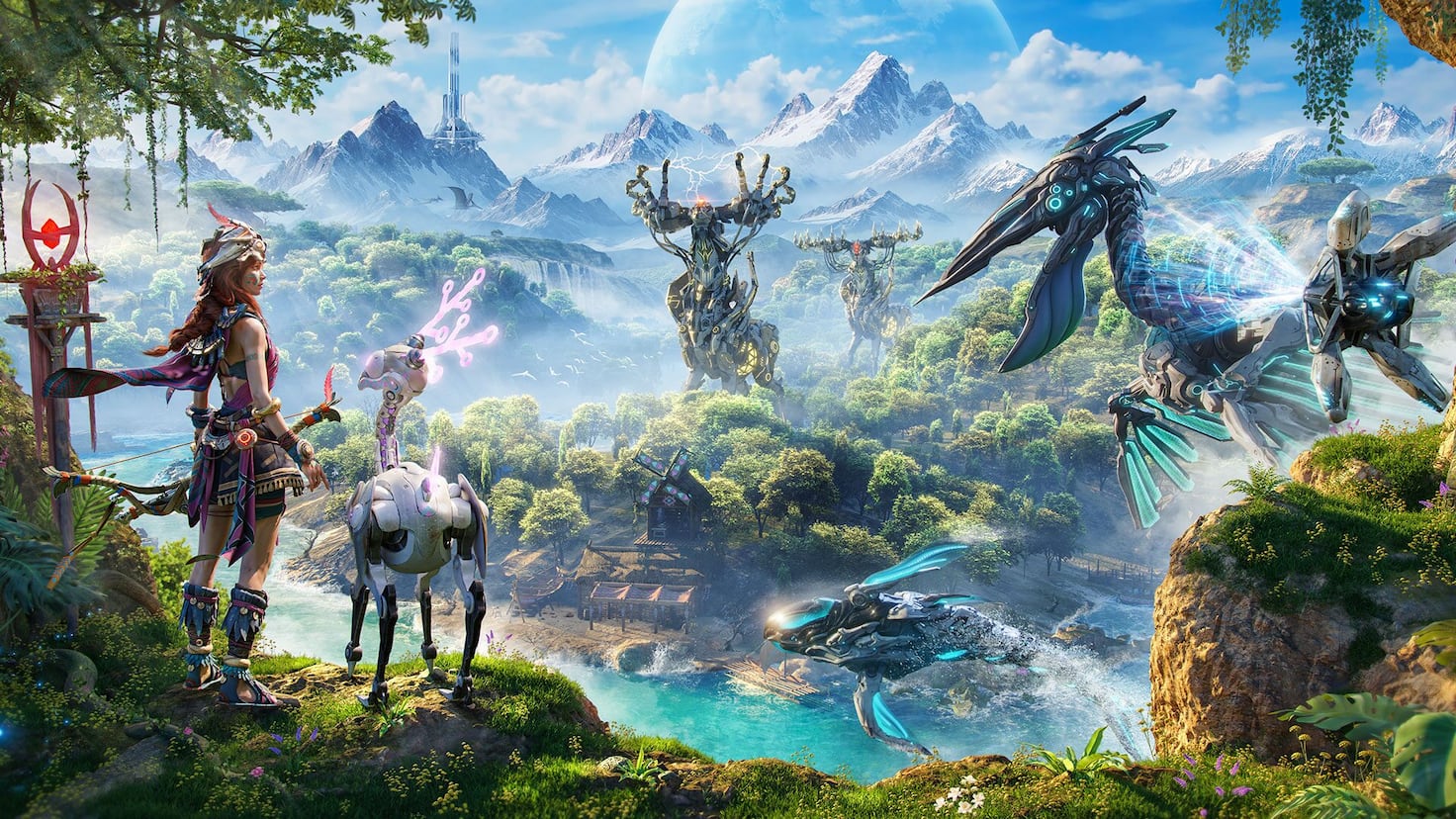
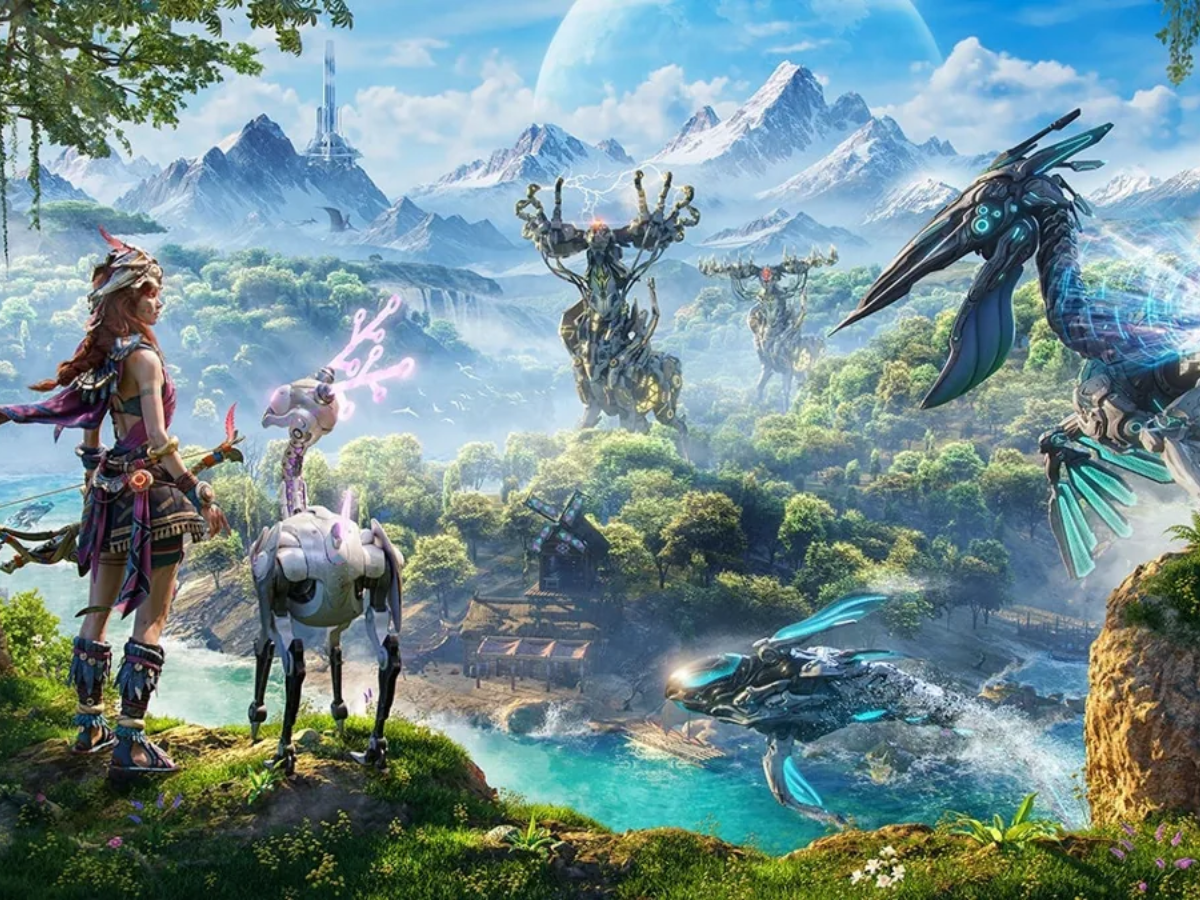
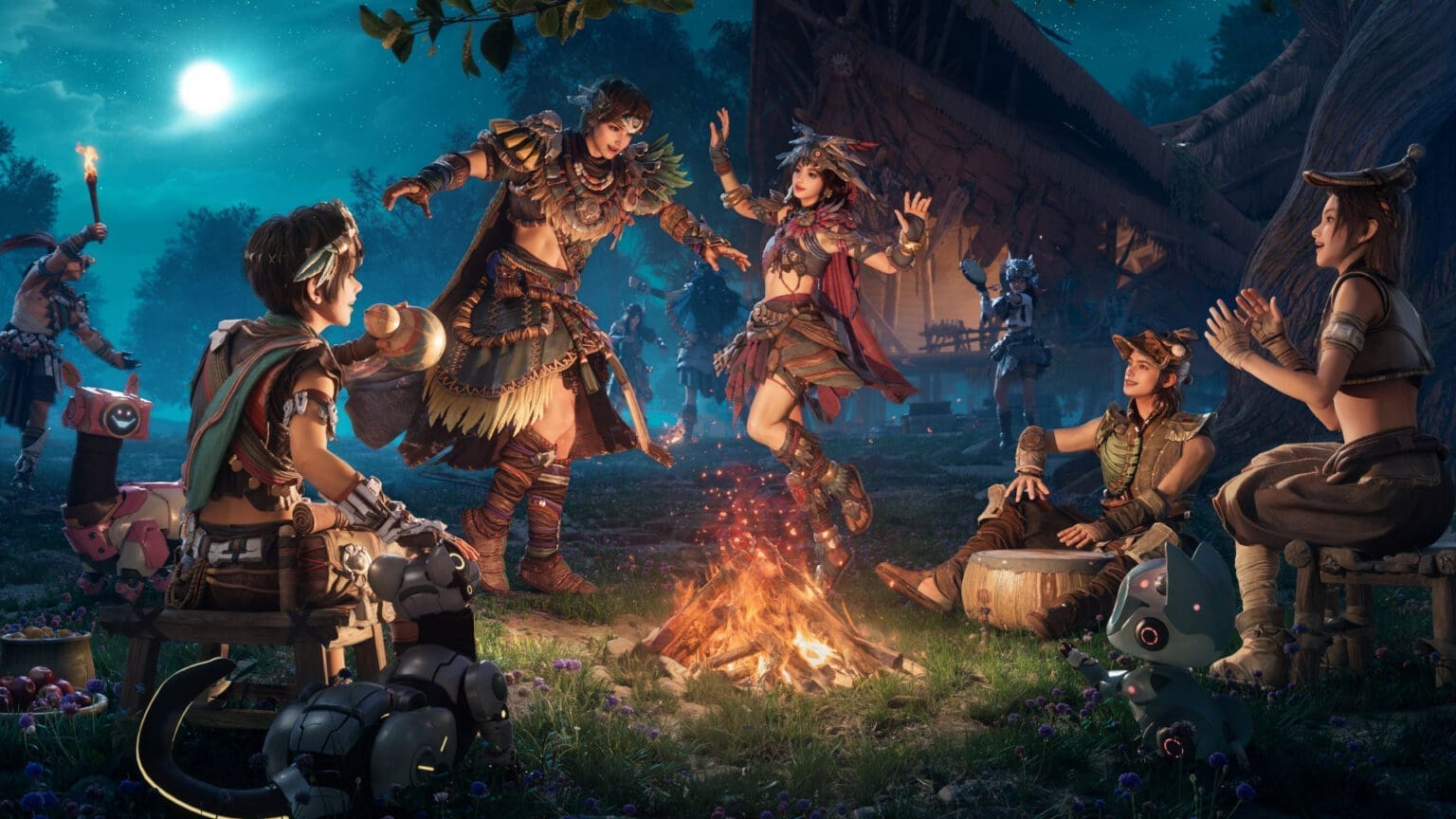
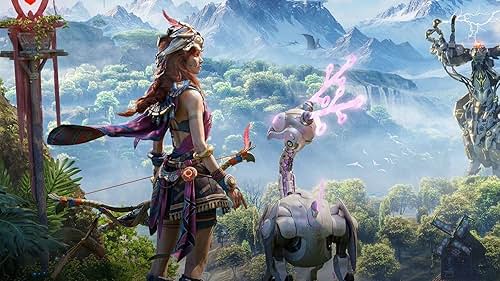
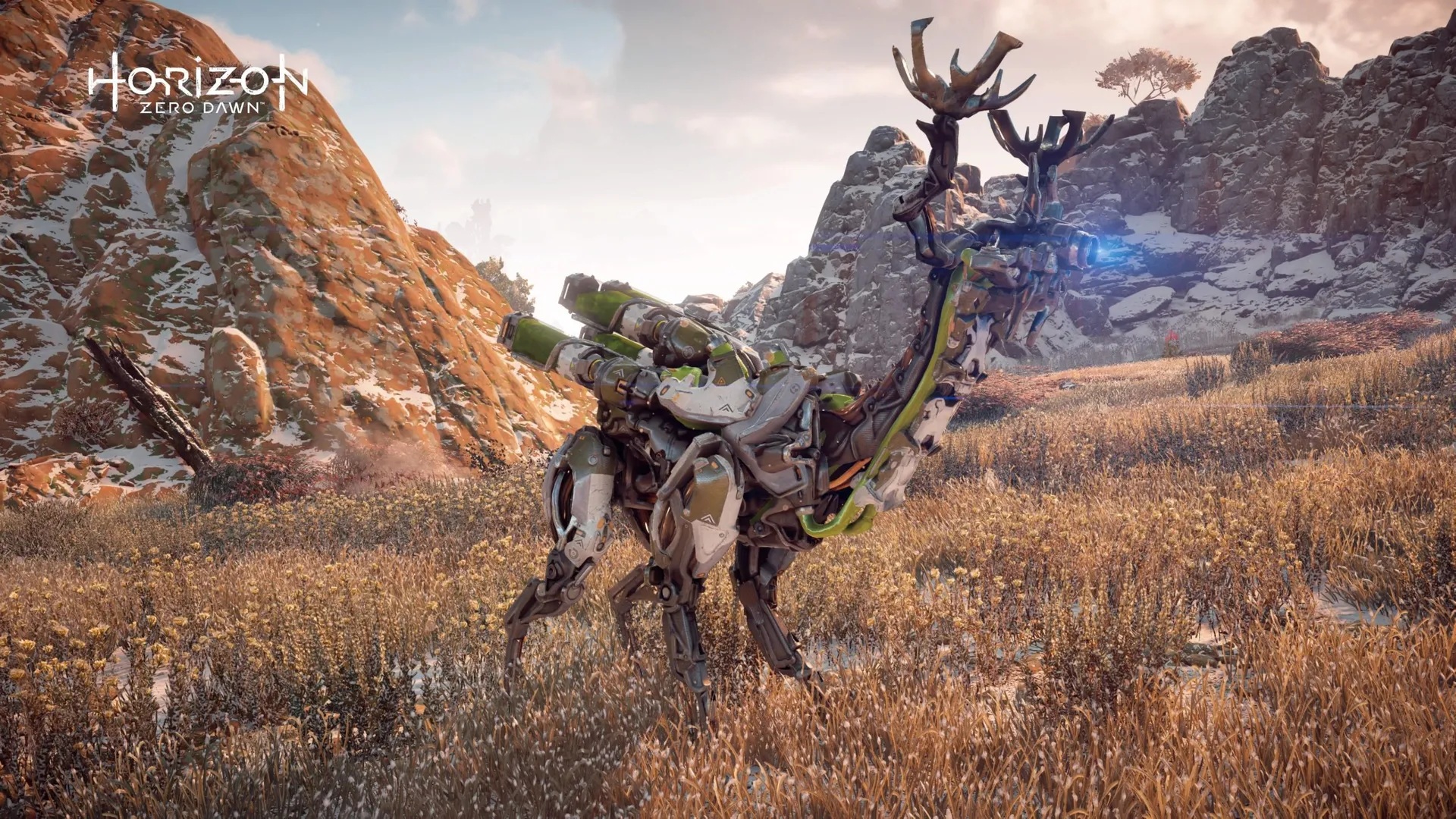
The case demonstrates how game design elements can become potential legal tripwires. When 'Light of Motiram' was discovered to have striking parallels with Sony's 'Horizon Zero Dawn'—including a red-haired protagonist, cybernetic aboriginal aesthetic, and robot hunting mechanics—it triggered a swift legal response. The game's removal from major digital storefronts like Steam and Epic Games Store underscores the high-stakes environment of digital game publishing.
Strategic implications extend far beyond this single dispute. The lawsuit reveals that game companies are increasingly protective of their intellectual property, viewing game design not just as creative expression but as a defensible commercial asset. Tencent's initial defense—arguing that 'Horizon Zero Dawn' was "generic"—ultimately failed, suggesting that courts are becoming more nuanced in evaluating game design originality. The mutual dismissal with prejudice signals a sophisticated legal approach to intellectual property disputes in the digital entertainment sector.
For game developers, this case presents a critical warning: inspiration must not cross into imitation. The legal and commercial risks of creating games that too closely mirror successful franchises have never been higher. Companies must invest in original design processes, comprehensive legal reviews, and proactive intellectual property strategies to avoid potential litigation.
The broader trend points to an emerging compliance-driven innovation model in video game development, where originality is not just a creative imperative but a legal necessity. Developers must now balance creative vision with rigorous intellectual property considerations, transforming legal risk management into a core competency of game design.
Questions 3
What does this lawsuit reveal about intellectual property in video games?
The case demonstrates that game design elements are increasingly viewed as protectable intellectual property, and courts are becoming more sophisticated in evaluating what constitutes derivative work versus original creation in digital entertainment.
What specific design elements triggered the lawsuit?
The game 'Light of Motiram' included nearly identical elements to 'Horizon Zero Dawn', such as a red-haired protagonist in a cybernetic aboriginal outfit, base-building mechanics, robot hunting gameplay, and screenshots that closely mimicked the original game's iconic moments.