
EU's Mercosur Trade Deal Hangs in the Balance Strategic Crossroads of Global Commerce
- Geopolitical tensions and national interests challenge landmark trade agreement between Europe and South America



















Overview
The European Union's ambitious Mercosur trade deal represents a pivotal moment in international economic diplomacy, where strategic vision collides with complex national interests. At the heart of this negotiation lies a transformative potential to create one of the world's largest free-trade areas, connecting the European Commission with South American economies of Brazil, Argentina, Uruguay, and Paraguay.
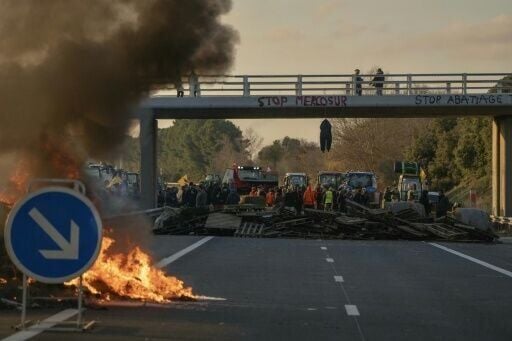
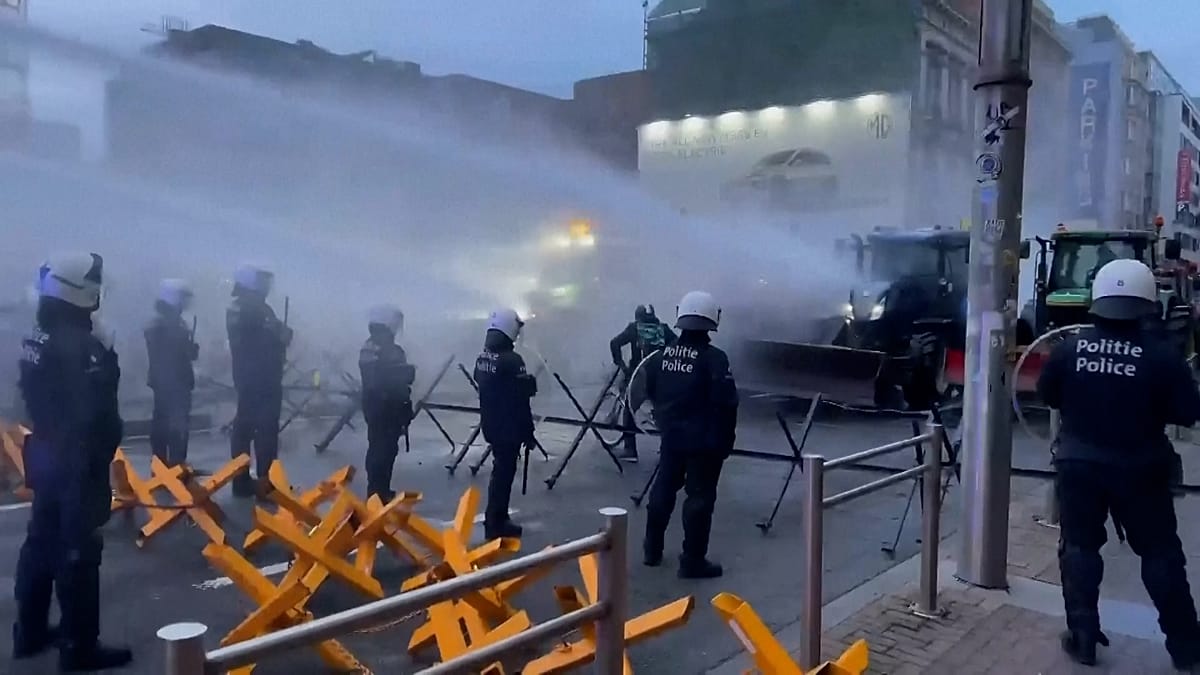
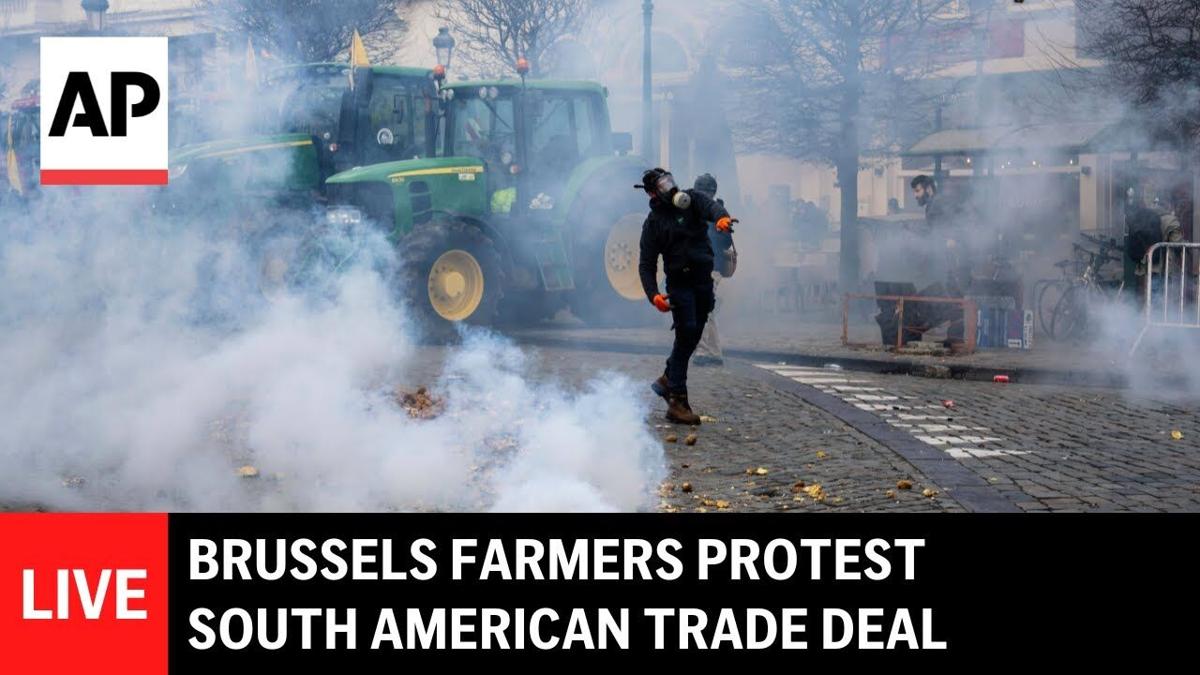
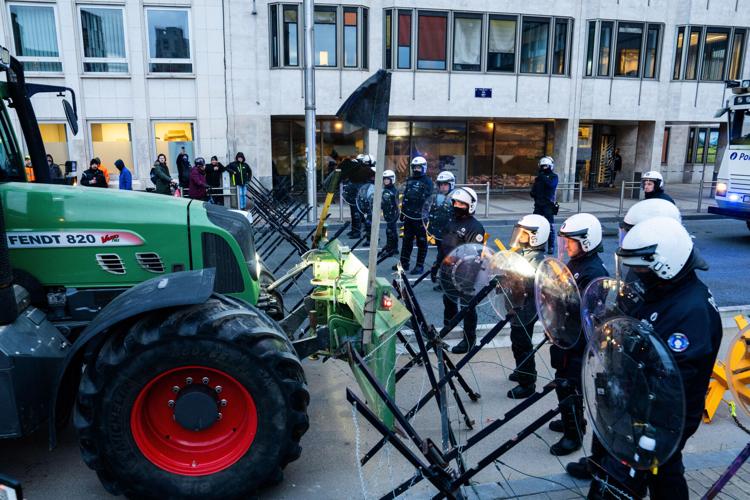
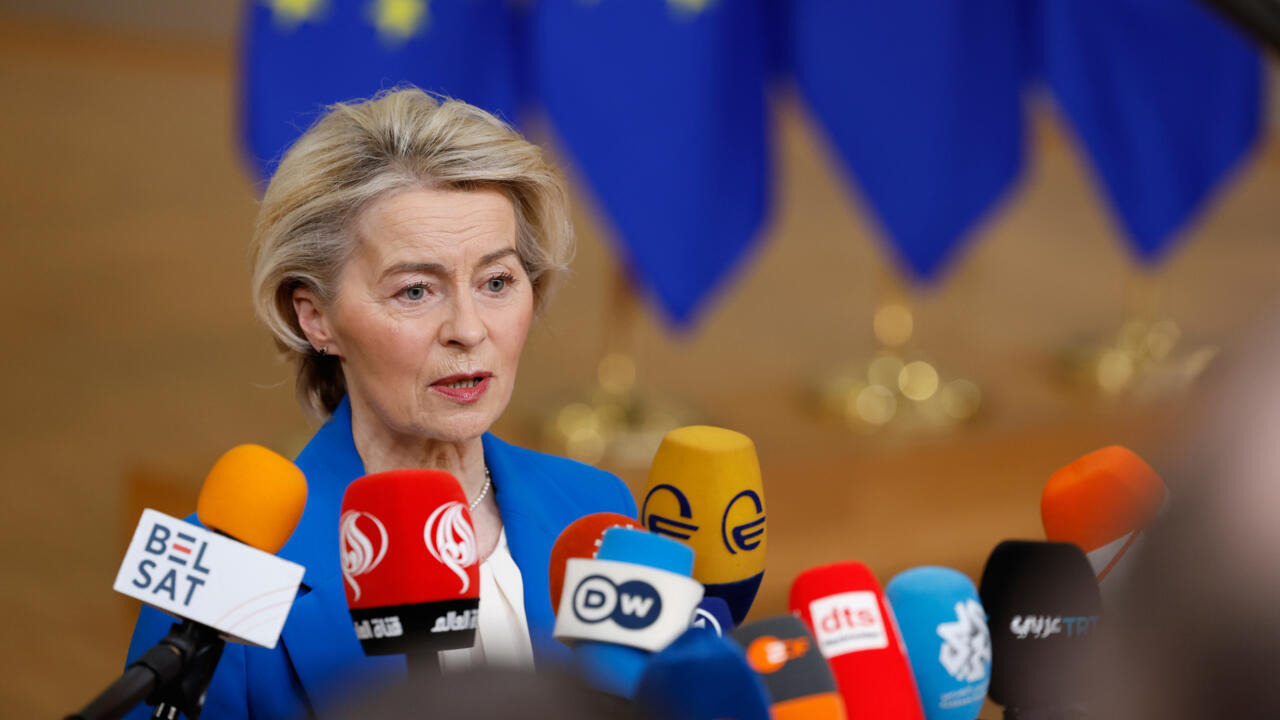
Geopolitical Complexity Unveiled: Despite European Commission President Ursula von der Leyen's enthusiastic push, the deal faces significant internal resistance. France's categorical rejection of the current agreement signals deeper underlying tensions beyond mere trade mechanics. The opposition likely stems from multifaceted concerns including environmental standards, agricultural competition, and broader geopolitical considerations. This resistance highlights the intricate balance between regional economic integration and protecting domestic economic interests.
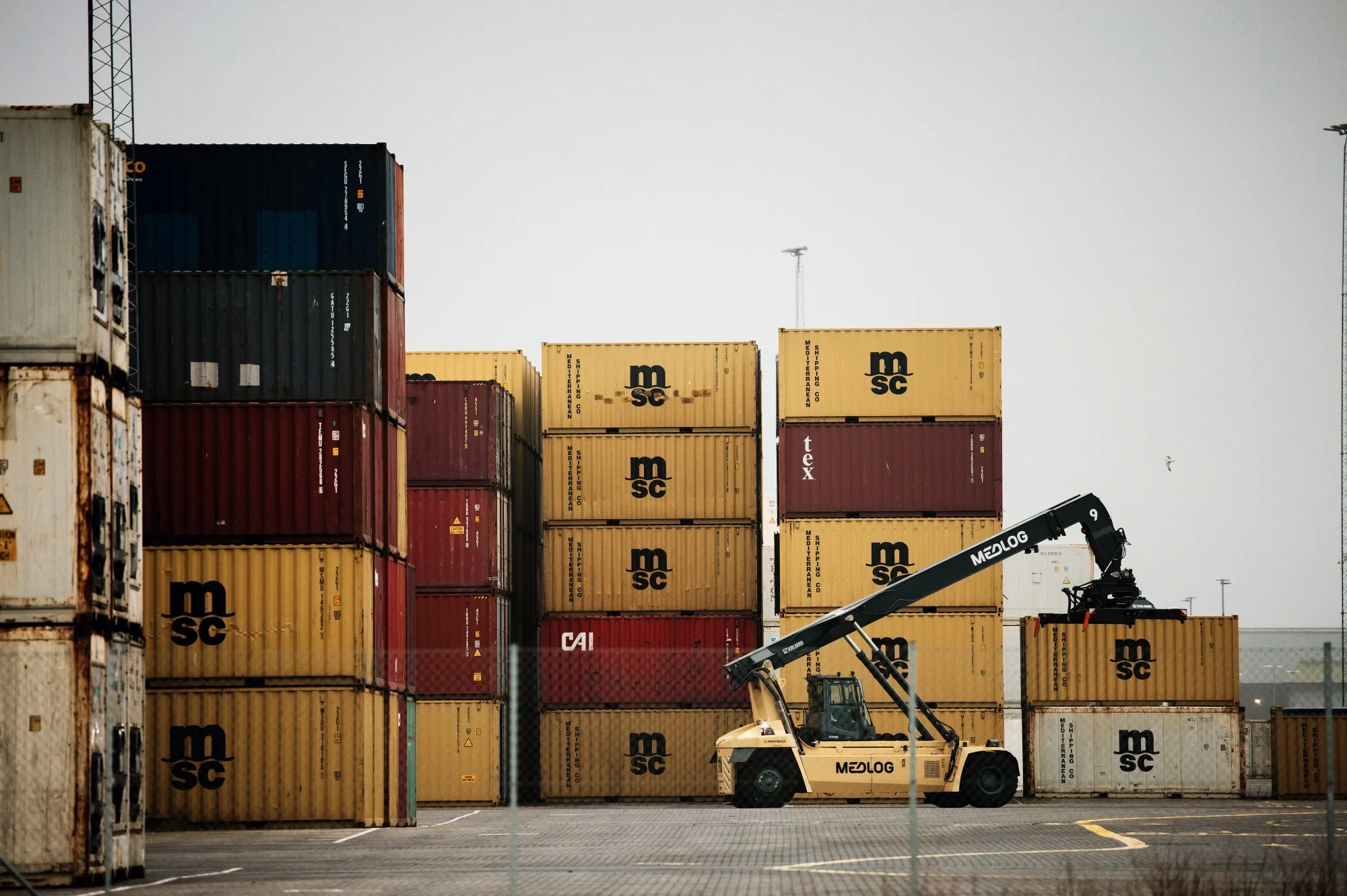
Strategic Market Reconfiguration: For cross-border e-commerce sellers and international traders, this potential agreement represents a significant market access opportunity. The proposed deal could dramatically reduce trade barriers, creating more streamlined import-export processes between the EU and Mercosur nations. The economic implications are substantial: a potential reduction in tariffs could open new corridors for product movement, particularly in agricultural and manufactured goods sectors.
Negotiation Dynamics and Future Outlook: The European Commission's current strategy involves carefully navigating member state reservations. The need to negotiate further modifications suggests a nuanced approach to achieving unanimous approval. This delicate diplomatic dance underscores the complexity of modern international trade agreements, where economic opportunities must be balanced against national sovereignty and sectoral protections.
The Mercosur deal symbolizes more than a simple trade agreement—it represents a strategic realignment of global economic networks. Success would signal a significant shift in how regional economic blocs collaborate, potentially setting a precedent for future international trade negotiations.
Questions 3
What are the potential benefits for cross-border e-commerce sellers?
The deal could significantly reduce trade barriers between the EU and Mercosur countries, creating more streamlined import-export processes. This could lower tariffs, reduce bureaucratic complexities, and open new market access opportunities for sellers operating between these regions.
How likely is the Mercosur trade deal to be finalized?
The deal faces significant challenges, with multiple EU member states expressing reservations. While the European Commission remains committed, unanimous approval seems unlikely in its current form. Further negotiations and modifications will be necessary to address individual countries' concerns.