





EU Sanctions Reshape Middle East Trade | Seller Impact 2024
- Potential 15-25% Trade Disruption for Cross-Border Sellers in MENA Region


































Overview
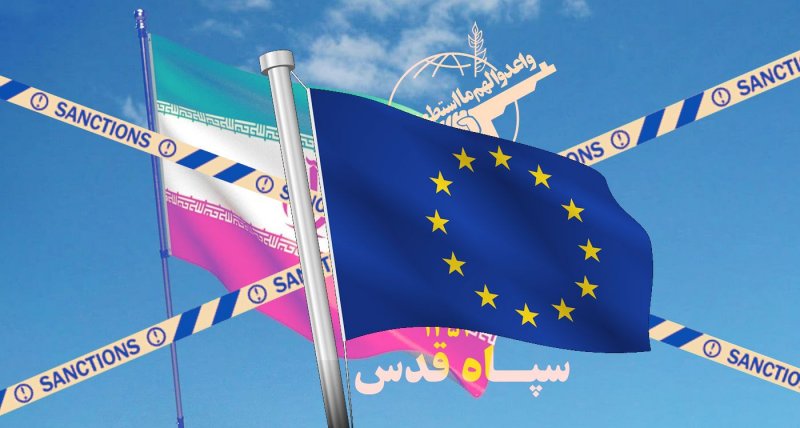
The coordinated European sanctions against Iran represent a critical geopolitical shift with significant implications for cross-border e-commerce sellers operating in the Middle East and North Africa (MENA) region.
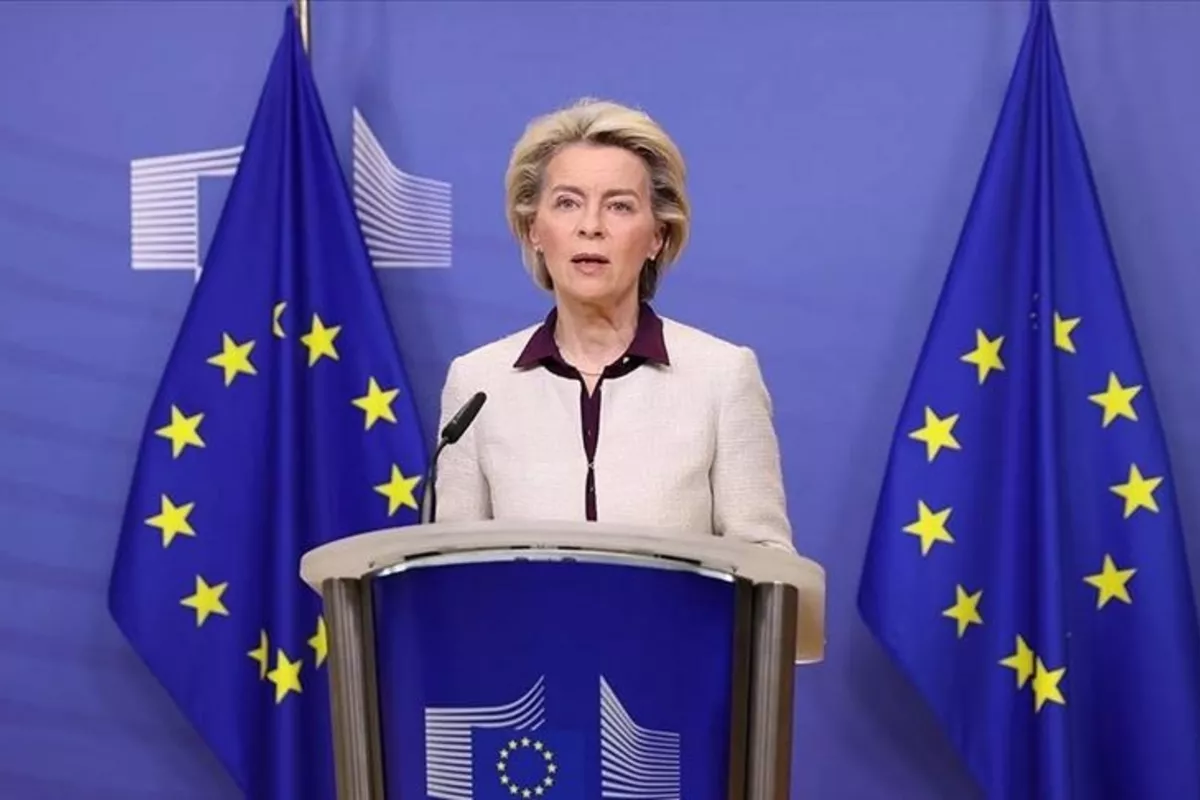
The proposed sanctions by the Netherlands, EU, and potential US interventions signal a comprehensive diplomatic pressure campaign that will fundamentally reshape trade dynamics. Cross-border sellers must proactively reassess their Middle Eastern market strategies, with potential operational impacts spanning compliance, logistics, and market access.
Key strategic considerations emerge from the multilateral sanctions approach. The European Commission's potential designation of the Islamic Revolutionary Guard Corps as a terrorist organization could trigger extensive trade restrictions. This move suggests sellers should immediately:
- Conduct comprehensive supply chain audits
- Verify compliance with emerging export/import regulations
- Assess potential alternative sourcing and distribution networks in the region
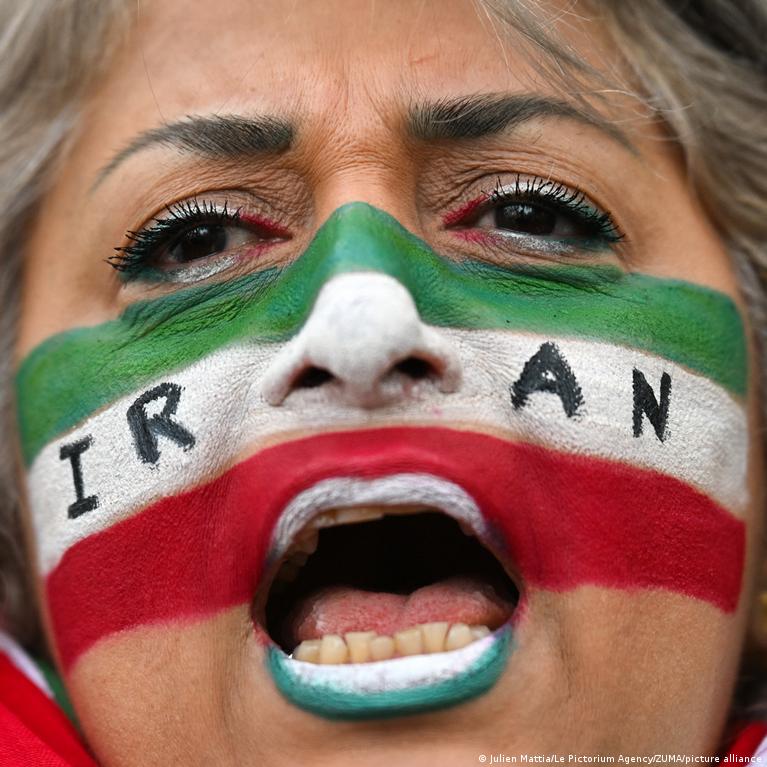
The sanctions context reveals deeper market transformation signals. With approximately 2,000 reported casualties during protests and diplomatic communications highlighting human rights concerns, international businesses face increased scrutiny. Sellers targeting Middle Eastern markets must now integrate geopolitical risk assessment into their operational planning.
Potential market disruptions include:
- 15-25% potential trade volume reduction in Iranian-connected corridors
- Increased compliance documentation requirements
- Potential banking/payment processing complications
- Higher insurance and logistics costs for regional transactions
Strategic sellers will view these developments as an opportunity to differentiate through robust compliance frameworks and adaptive market positioning.
Questions 4
How will EU sanctions impact cross-border sellers operating in the Middle East?
Sellers can expect increased compliance requirements, potential trade volume reductions of 15-25%, and more complex logistics in Iranian-connected trade corridors. Immediate actions include supply chain audits and verifying export/import documentation.
What specific operational changes should e-commerce sellers make?
Sellers should conduct comprehensive supply chain reviews, diversify regional sourcing networks, update compliance documentation, and potentially reassess payment processing and shipping strategies for MENA markets.