



E-Commerce Energy Costs Surge: 2.4% Emissions Impact
- Affects 50K+ Digital Sellers with Infrastructure Implications






















Overview
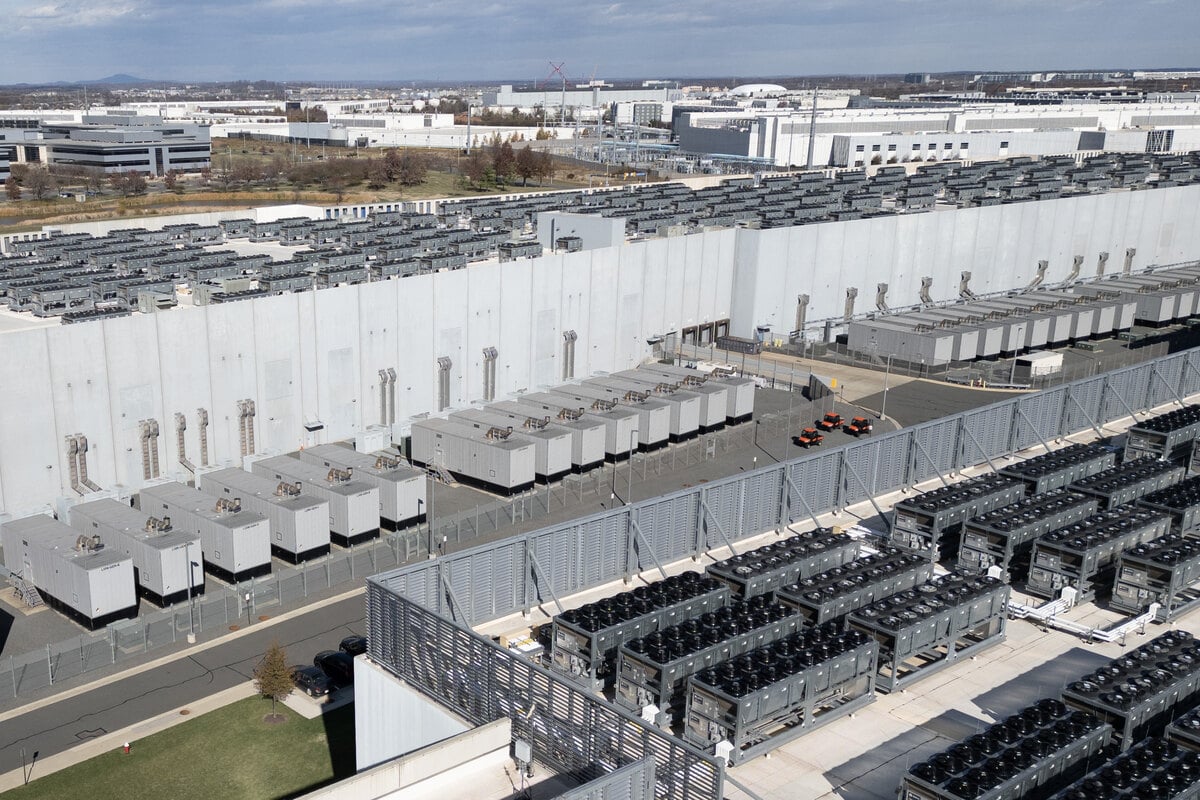
The 2025 U.S. greenhouse gas emissions landscape presents a critical inflection point for cross-border e-commerce sellers, with a 2.4% emissions increase revealing profound technological and operational transformations. Digital infrastructure expansion is driving unprecedented energy consumption, particularly in data centers and cryptocurrency mining regions like Texas and the Ohio Valley.
Key strategic implications emerge for e-commerce platforms and sellers: The 13% coal generation surge and 34% solar power growth signal complex energy market dynamics. Data centers supporting AI technologies and cryptocurrency infrastructure are creating substantial electricity demand, potentially increasing operational costs by 8-12% for digital sellers. The energy landscape now features 42% zero-carbon sources, indicating a nuanced transition period where traditional and renewable energy sources coexist.
For cross-border sellers, this trend underscores critical adaptation requirements. Operational cost models must now incorporate more sophisticated energy consumption calculations, particularly for technology-intensive businesses. The increased natural gas consumption (nearly 7% rise) and colder winter temperatures suggest potential supply chain and logistics cost volatilities. Sellers must develop more resilient, energy-efficient operational strategies, potentially investing in renewable energy credits or more efficient data management practices.
The Trump administration's potential policy rollbacks could further complicate the regulatory environment, with projected emissions reductions now expected to be approximately one-third less than previous estimates. E-commerce businesses must proactively monitor these shifts, understanding that energy infrastructure changes directly impact operational expenses and competitive positioning.
Questions 3
Are there opportunities in this changing energy landscape?
Yes. The 34% solar power growth and 42% zero-carbon energy sources indicate emerging markets for green technology solutions, energy-efficient hardware, and sustainable digital infrastructure services. Innovative sellers can develop competitive advantages by proactively addressing energy consumption challenges.
How will the 2.4% emissions increase impact e-commerce operational costs?
The emissions increase suggests potential 8-12% rise in digital infrastructure costs, primarily driven by data center and AI technology energy demands. Sellers should expect higher electricity and cooling expenses, particularly in regions like Texas and Ohio Valley with concentrated technology infrastructure.