





Gold Prices Surge: Critical Signals for Global E-Commerce Sellers
- Potential $5,000/oz Impact on International Trade Strategies























Overview
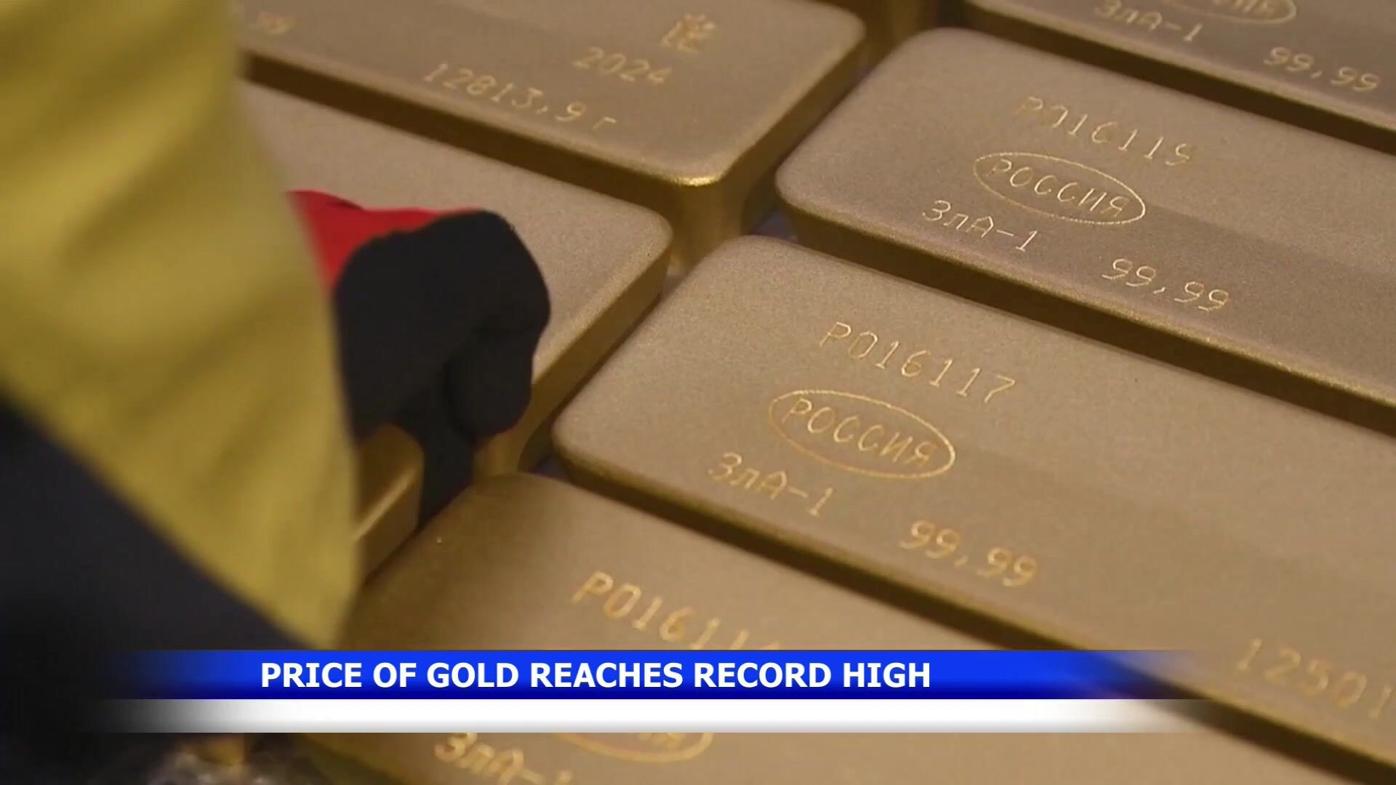
The global precious metals market is experiencing unprecedented volatility, presenting critical strategic implications for cross-border e-commerce sellers. Geopolitical tensions and monetary policy shifts are driving gold prices toward record highs, with Citigroup projecting potential reaches of $5,000 per ounce in early 2026.
Key Market Dynamics reveal complex interconnections between commodity pricing and international trade infrastructure. The U.S. inflation data showing a 0.2% monthly and 2.6% yearly core Consumer Price Index increase has strengthened market expectations of Federal Reserve rate cuts. These macroeconomic signals create a nuanced landscape where e-commerce sellers must develop adaptive financial strategies.
For cross-border sellers, these precious metal market movements represent more than financial data—they are critical economic barometers signaling potential shifts in global trade dynamics. The volatile environment demands sophisticated risk management approaches, including:
- Diversifying currency holdings
- Implementing dynamic pricing strategies
- Hedging against potential market corrections
- Monitoring geopolitical risk indicators
Operational Implications extend beyond direct commodity trading. The potential for extreme price volatility, particularly in scenarios involving tariff changes, suggests sellers must build flexible supply chain models. The upcoming Critical Minerals Section 232 tariff decisions could create significant binary risks in trade flows and pricing structures.
Financial institutions like Commerzbank are already adjusting forecasts, raising 2026 year-end gold projections and signaling the need for proactive strategic planning. Cross-border e-commerce professionals must view these market movements as sophisticated early warning systems for broader economic shifts.
Questions 4
Why are gold prices expected to reach $5,000 per ounce?
Driven by geopolitical tensions, physical market shortages, Federal Reserve policy uncertainty, and global economic instability. Citigroup analysts predict this surge based on complex market dynamics, though they also anticipate potential corrections later in the year.
How can sellers protect their margins during high market volatility?
Implement real-time currency conversion tools, use forward contracts, maintain multi-currency merchant accounts, develop dynamic pricing algorithms, and establish financial reserves to absorb short-term market fluctuations.