



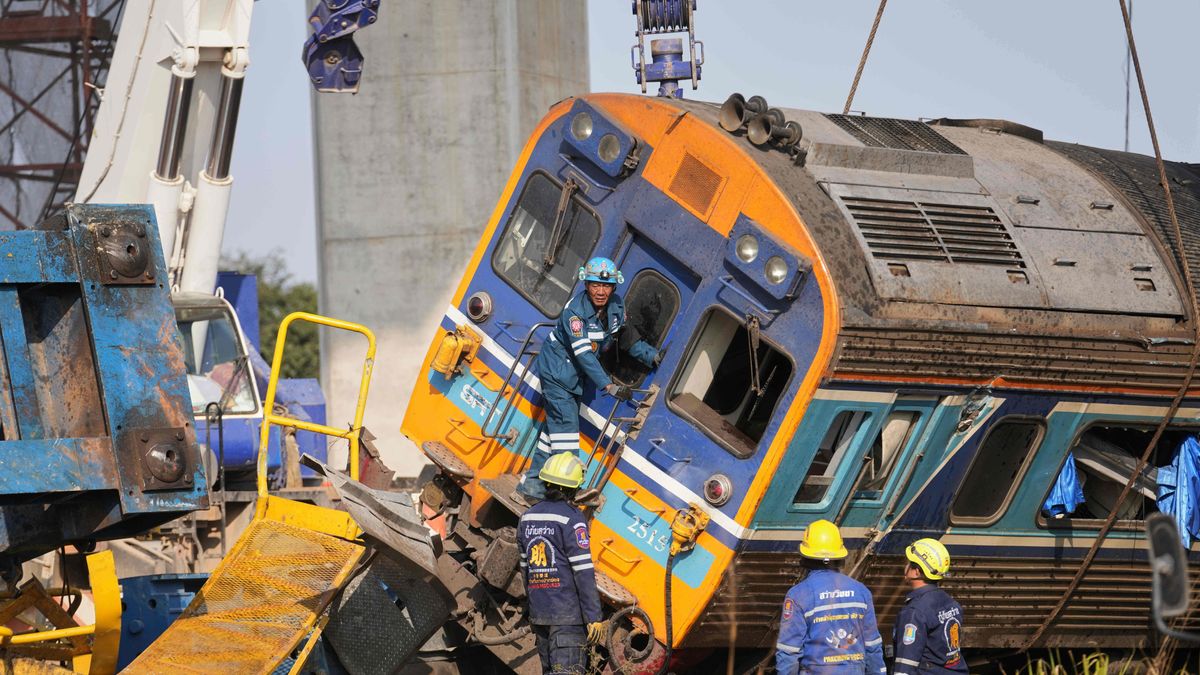
Infrastructure Safety Crisis: Southeast Asia Supply Chain Impact
- Disrupts $5.4B Thailand-China Rail Project, Signals Logistics Risk for Cross-Border Sellers
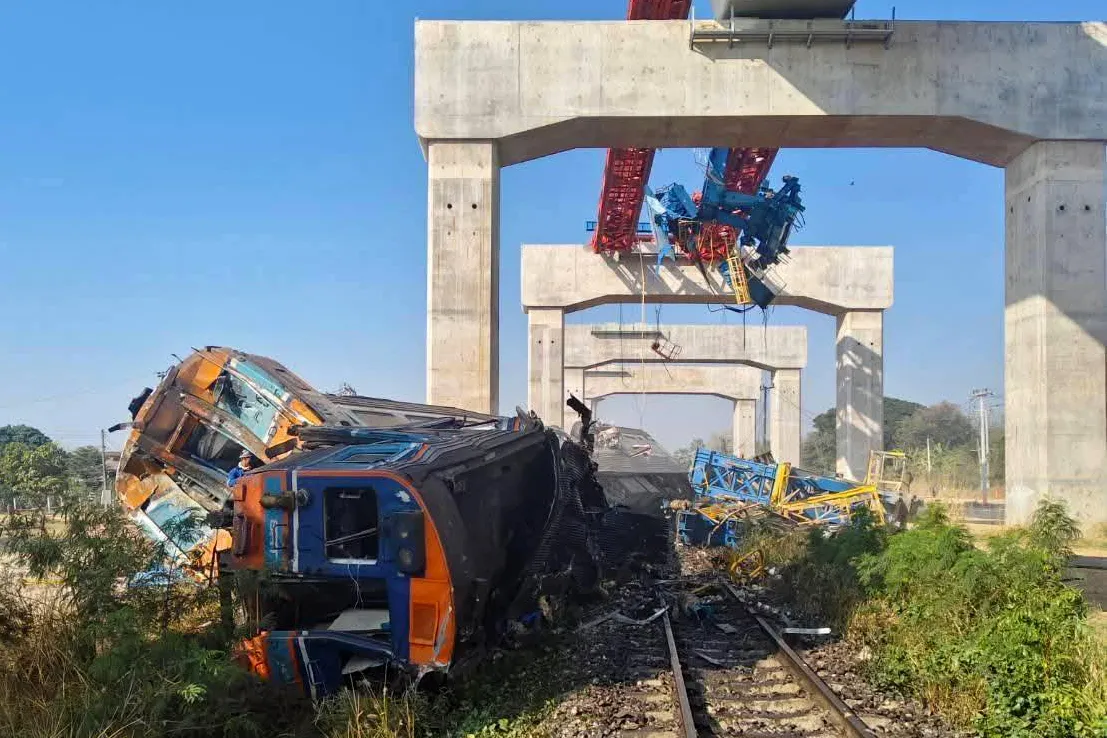


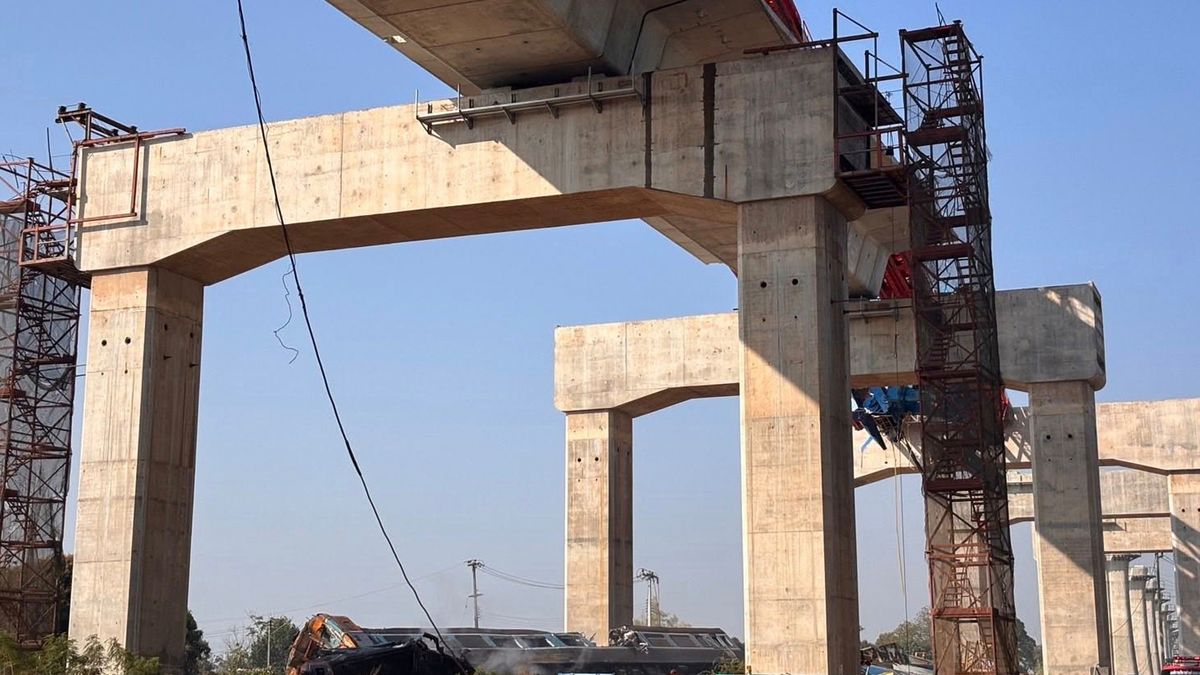
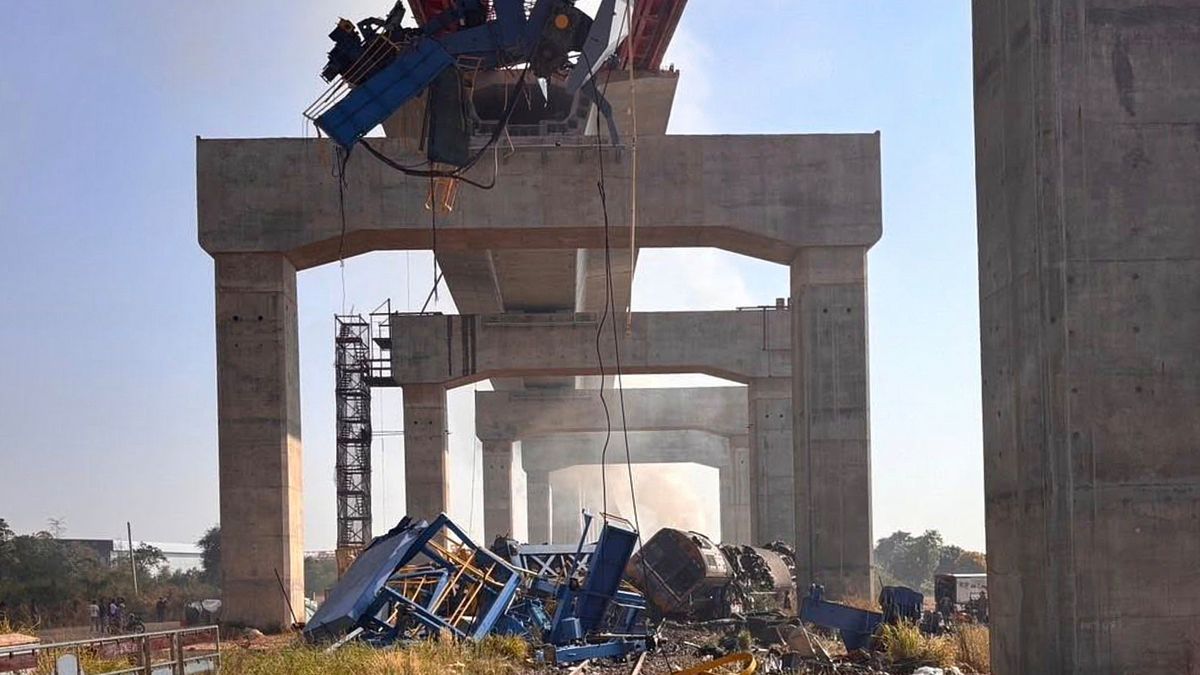










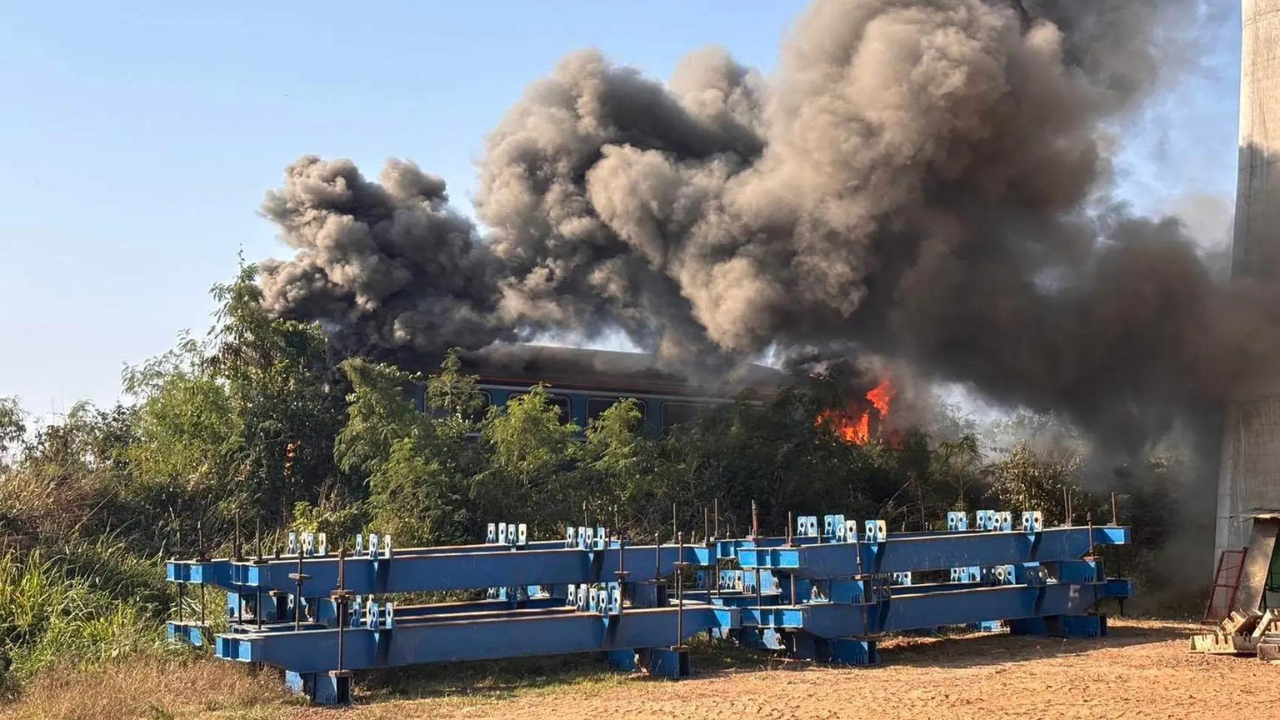



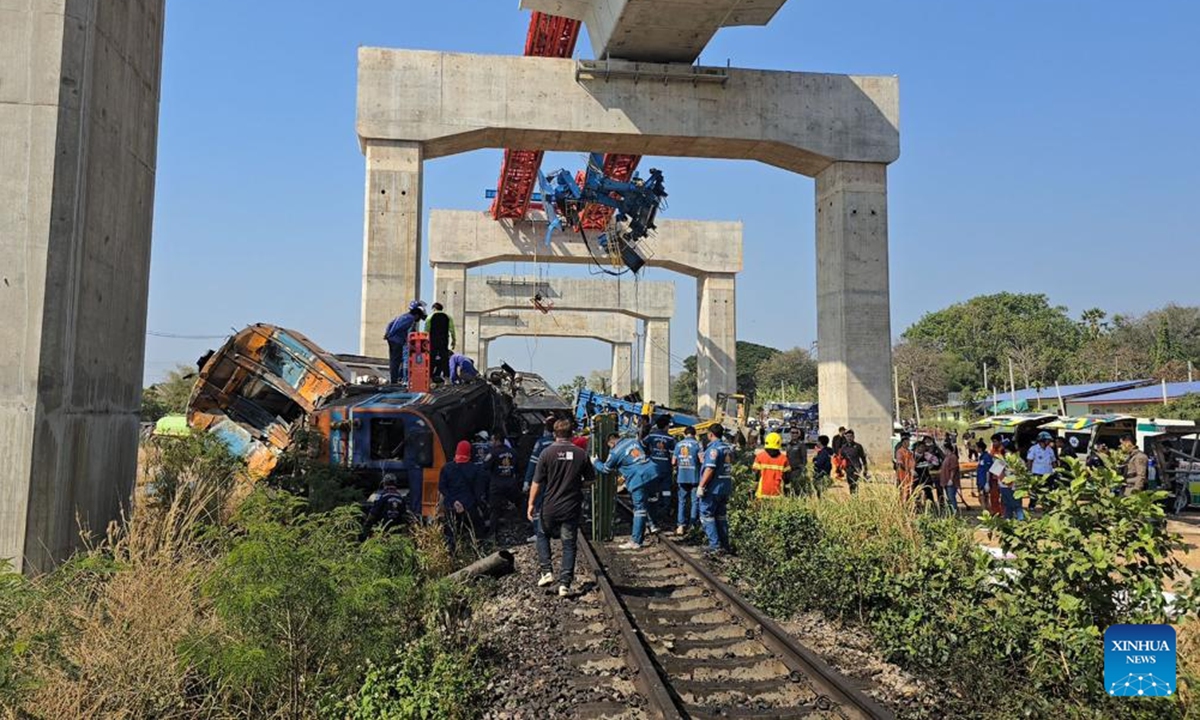



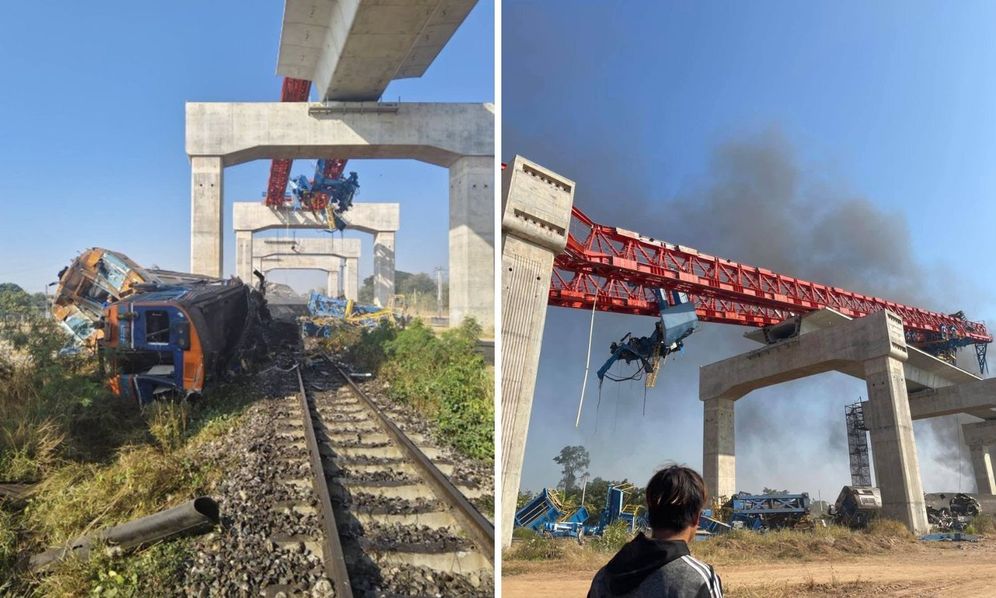


Overview
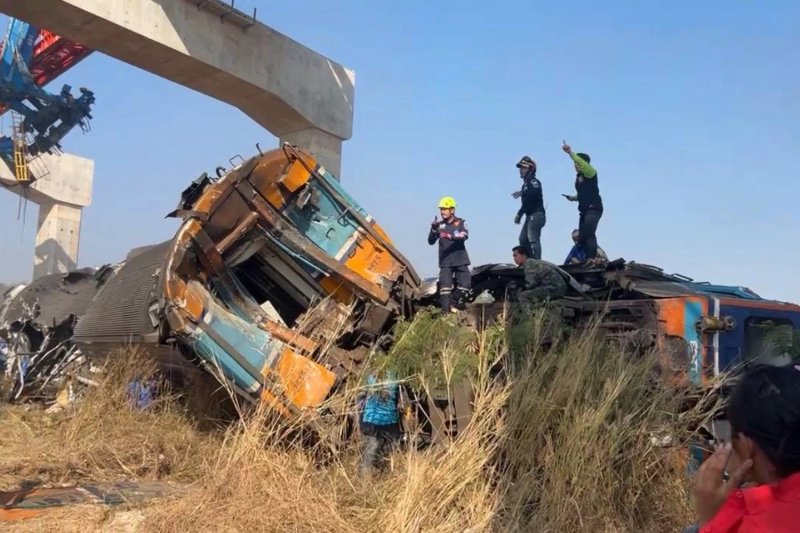
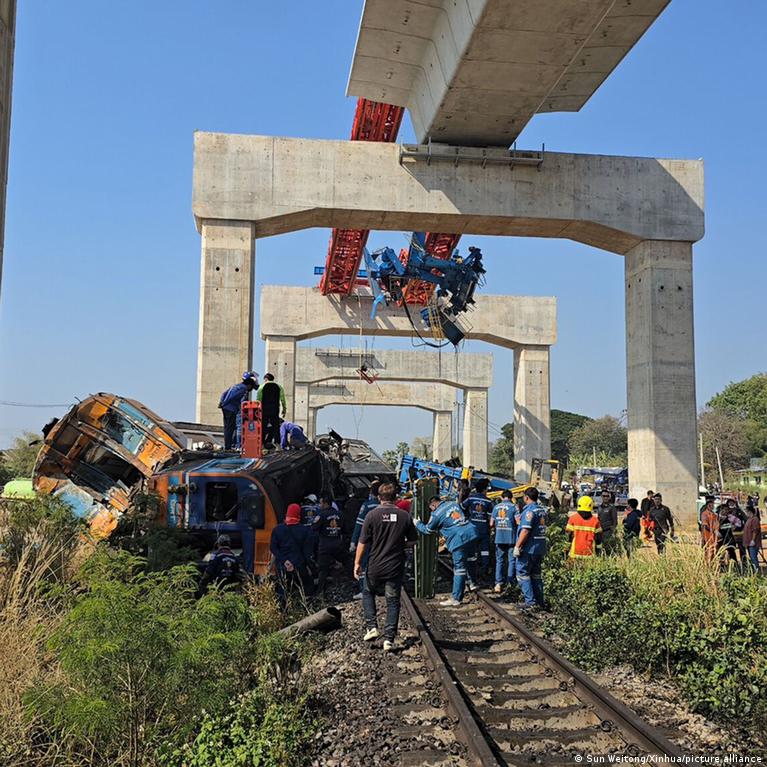
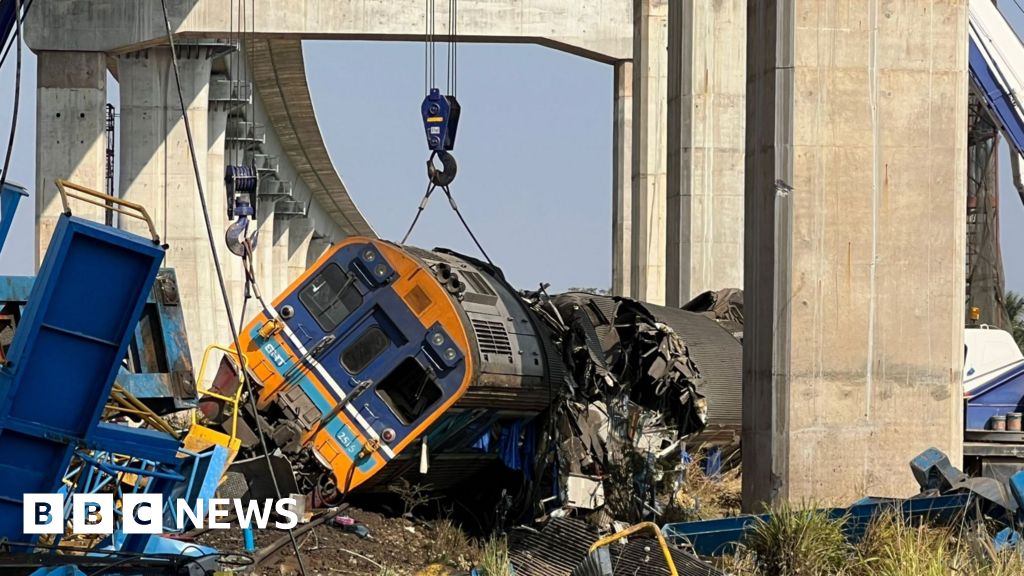
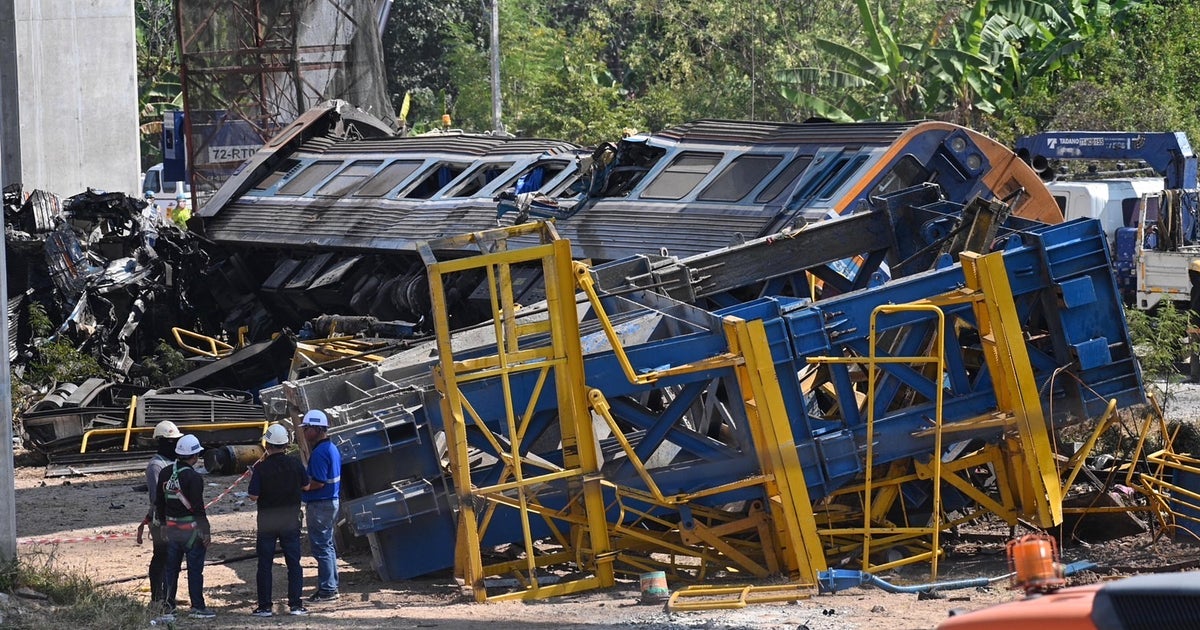
The catastrophic crane collapse in Thailand represents a critical infrastructure safety watershed moment with profound implications for cross-border e-commerce logistics and supply chain resilience.
The January 14, 2026 incident, which killed at least 31 people and injured 64 passengers, exposes systemic vulnerabilities in multinational infrastructure development that directly impact global supply chain networks. The US$5.4 billion Thai-Chinese high-speed rail project—a critical transportation artery connecting major economic zones—now faces significant operational and investor confidence challenges.
For cross-border sellers, this disaster signals multiple strategic considerations:
Logistics Infrastructure Risk: The accident highlights the fragility of transportation networks in emerging markets. Sellers must develop multi-modal, redundant shipping strategies that can quickly pivot when primary routes become compromised. The train's route through northeastern Thailand serves heavily populated regions critical for regional commerce.
Supply Chain Resilience: With 171 passengers affected and four train coaches derailed, the incident underscores the need for comprehensive risk management. E-commerce platforms and sellers must invest in real-time tracking, alternative routing capabilities, and robust contingency planning.
Regulatory Scrutiny: Prime Minister Anutin Charnvirakul's emphasis on "negligence, design deviations, and incorrect material usage" suggests increased regulatory oversight. Cross-border sellers should anticipate more stringent compliance requirements in infrastructure-related logistics and transportation partnerships.
Sellers operating in Southeast Asian markets must view this not as an isolated incident, but as a systemic signal requiring proactive risk mitigation strategies.
Questions 5
How can e-commerce sellers mitigate risks in developing market logistics?
Implement diversified shipping strategies, maintain multiple carrier relationships, invest in predictive risk management technologies, and continuously monitor geopolitical and infrastructure developments in target markets.
What long-term implications does this have for international infrastructure projects?
The incident will likely trigger increased safety regulations, more rigorous project oversight, potential delays in cross-border infrastructure development, and heightened investor scrutiny of large-scale transportation projects.