




China's $1.2T Trade Surplus | Global E-Commerce Shift
- Emerging Markets Redefine Cross-Border Selling Strategies

























)







Overview
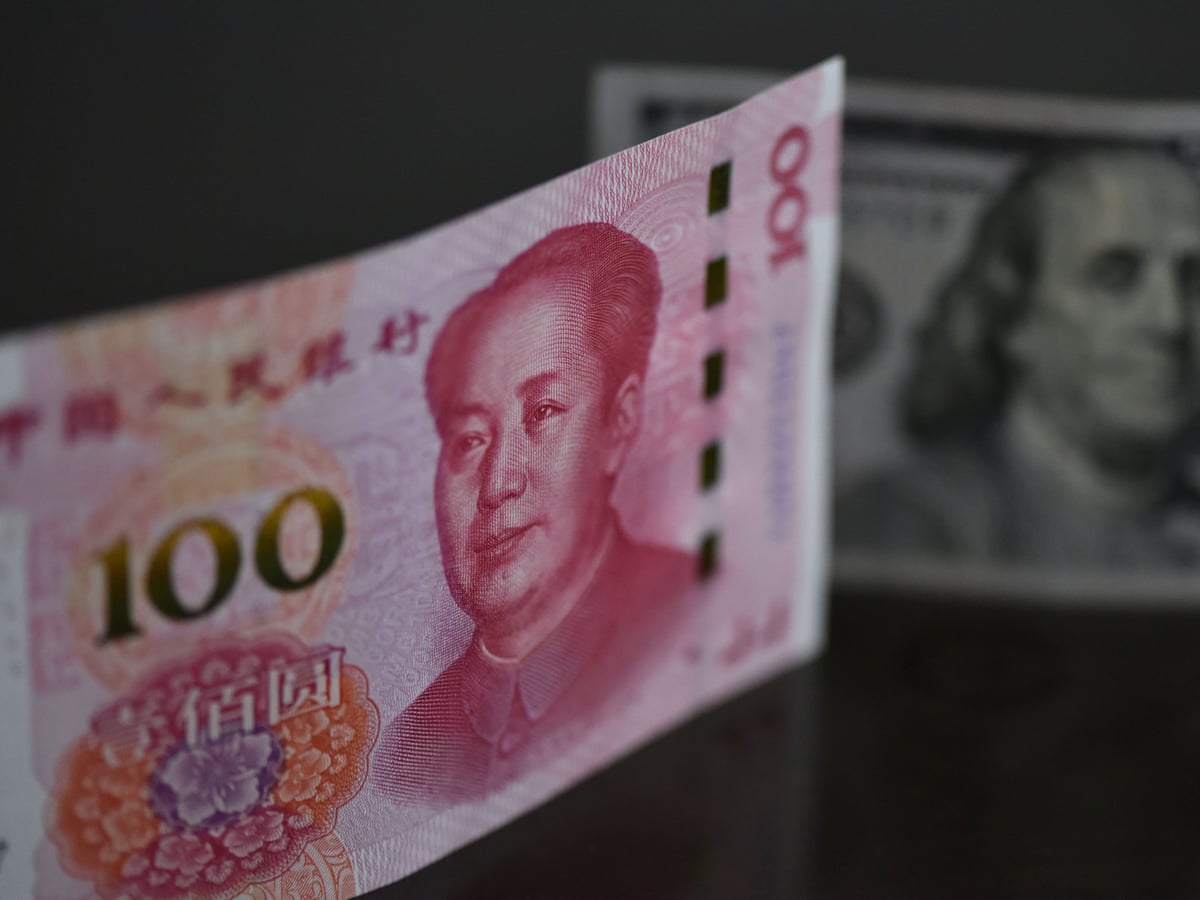
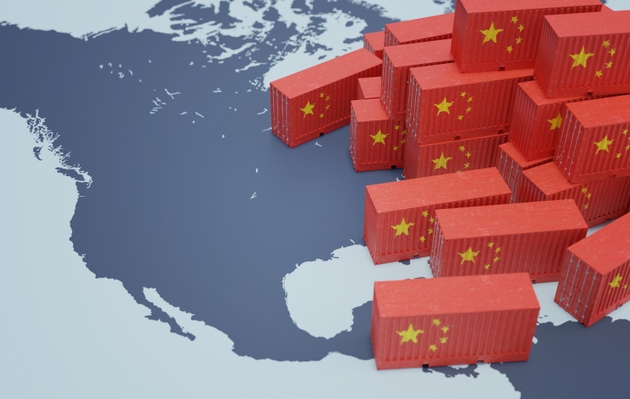
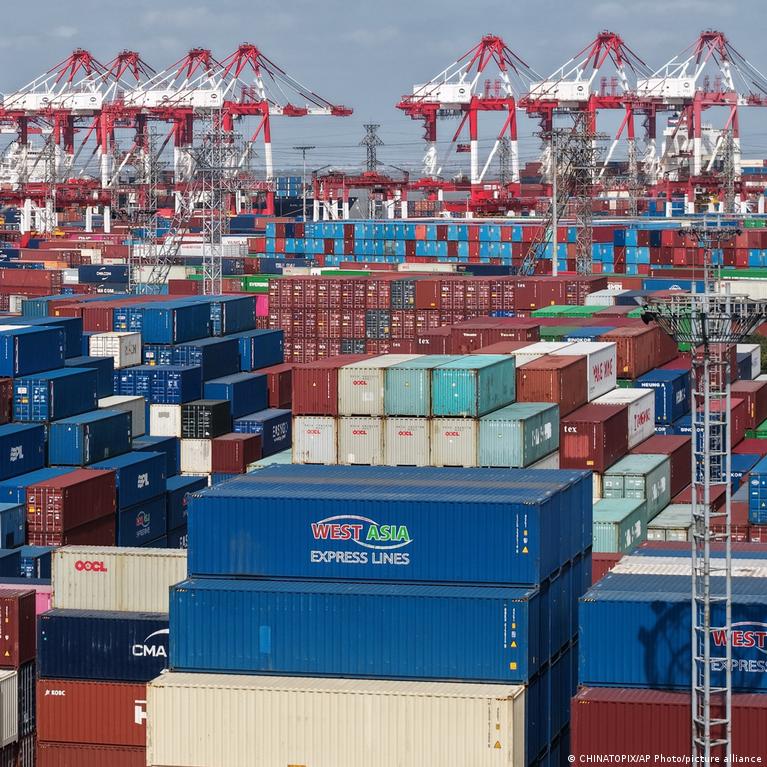
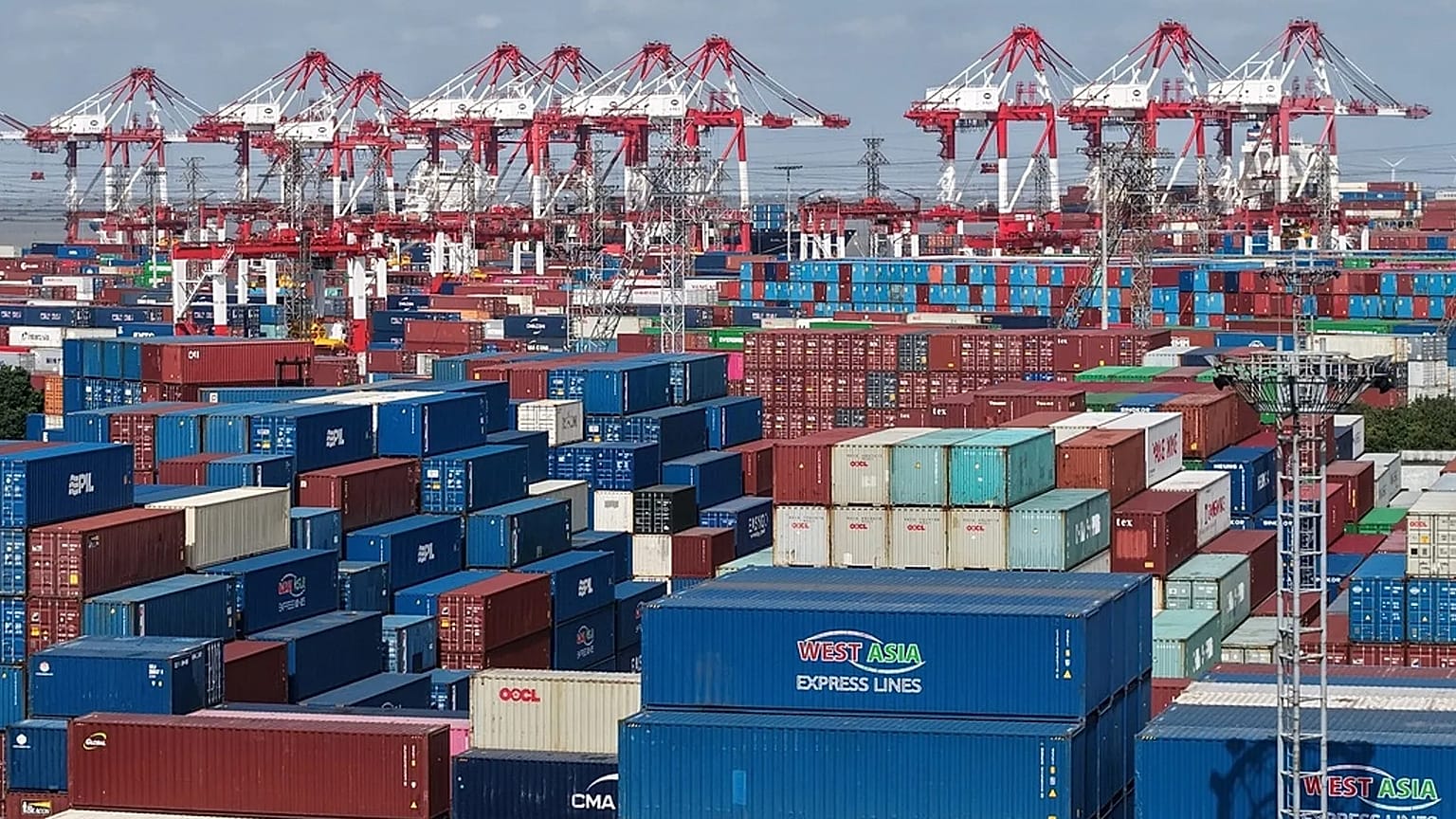
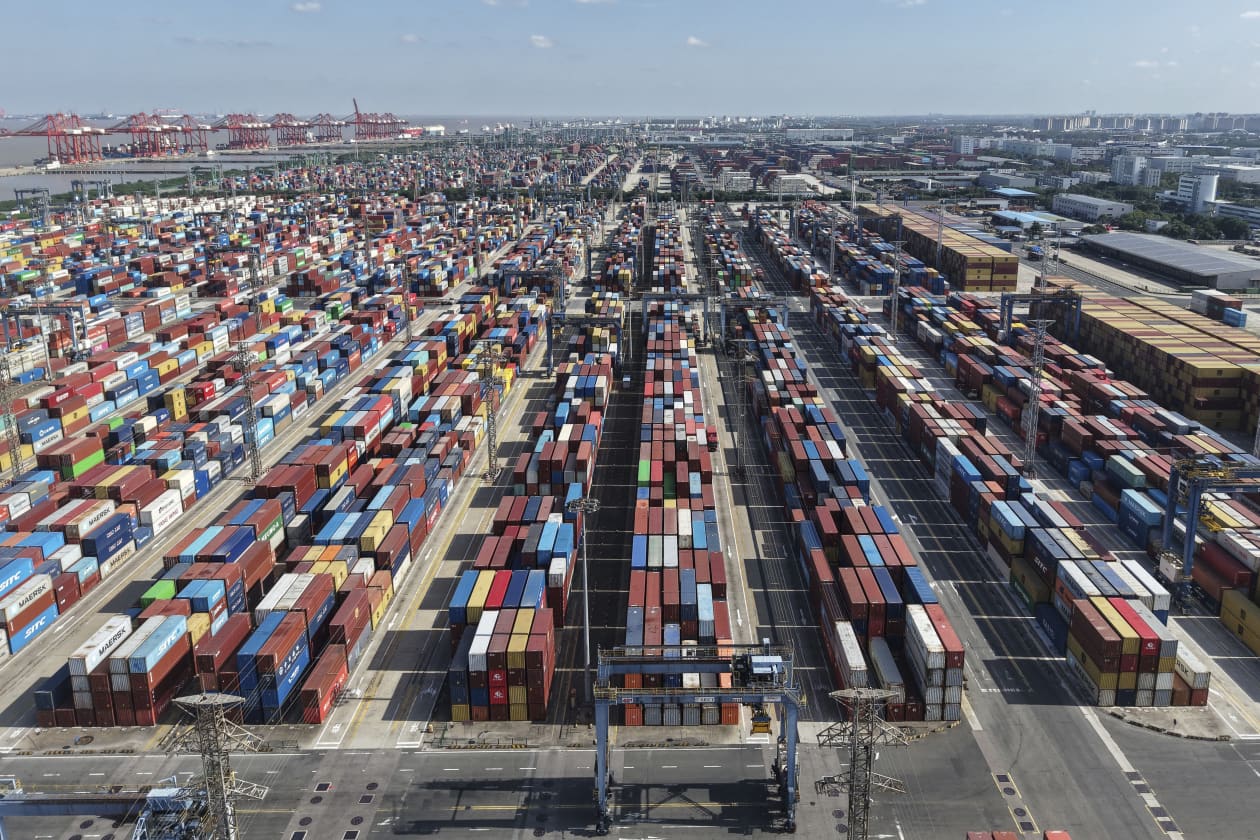
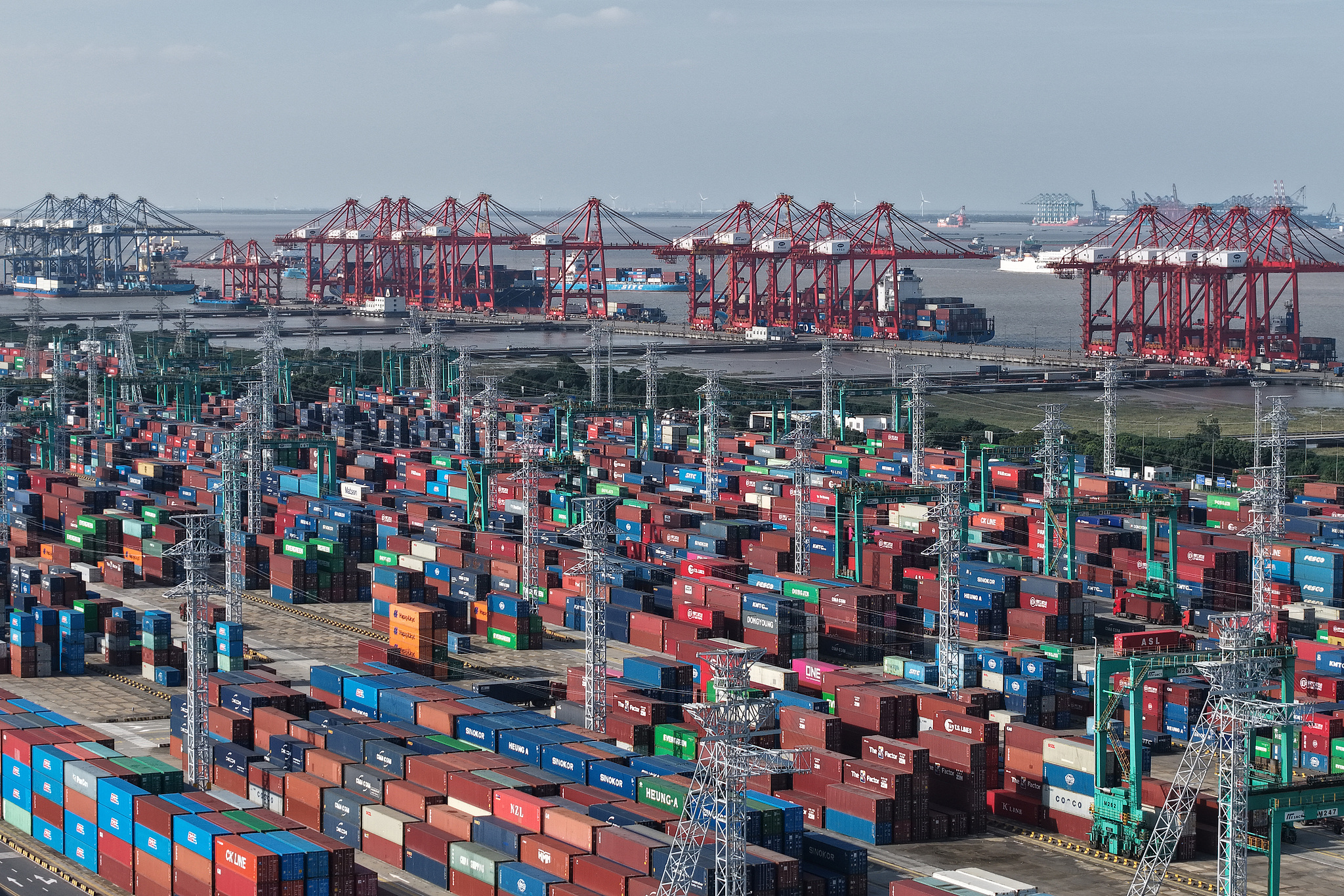
China's unprecedented $1.2 trillion trade surplus in 2025 represents a transformative moment for global cross-border e-commerce sellers, signaling massive strategic realignments in international trade dynamics. The data reveals a sophisticated geopolitical adaptation strategy that offers critical insights for sellers navigating complex global markets.
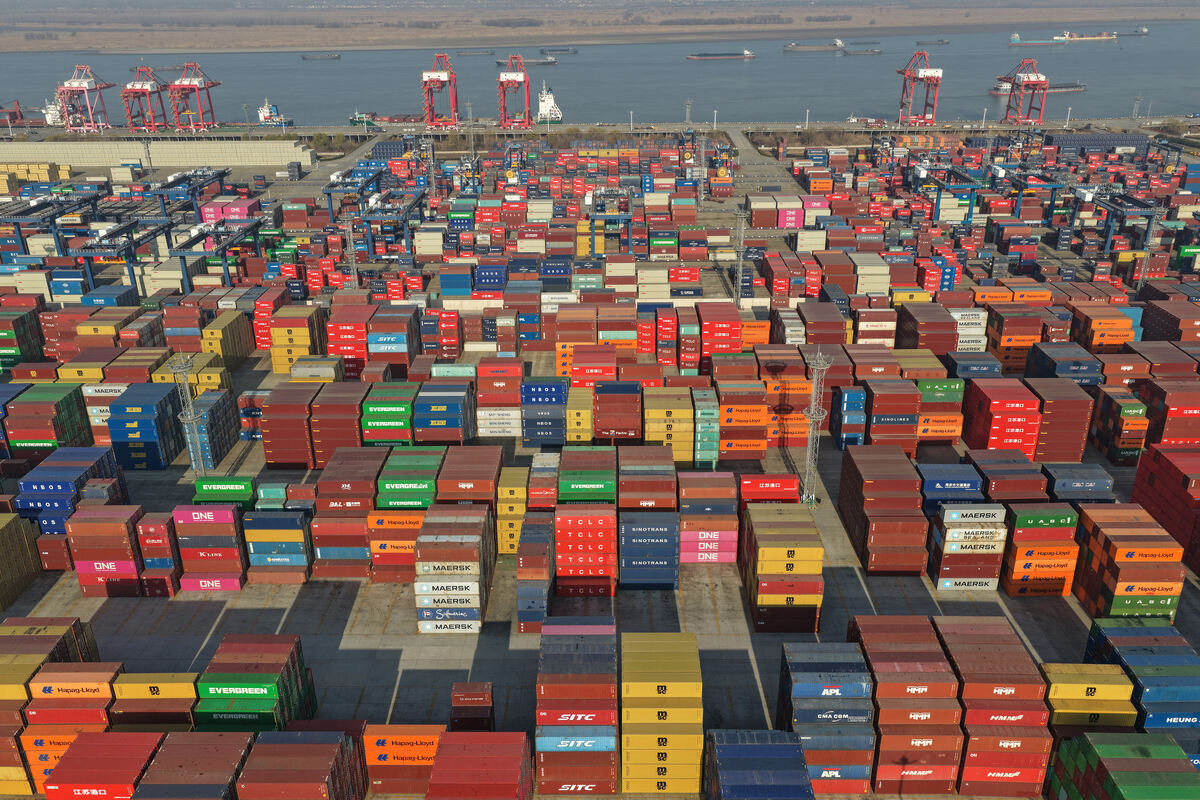
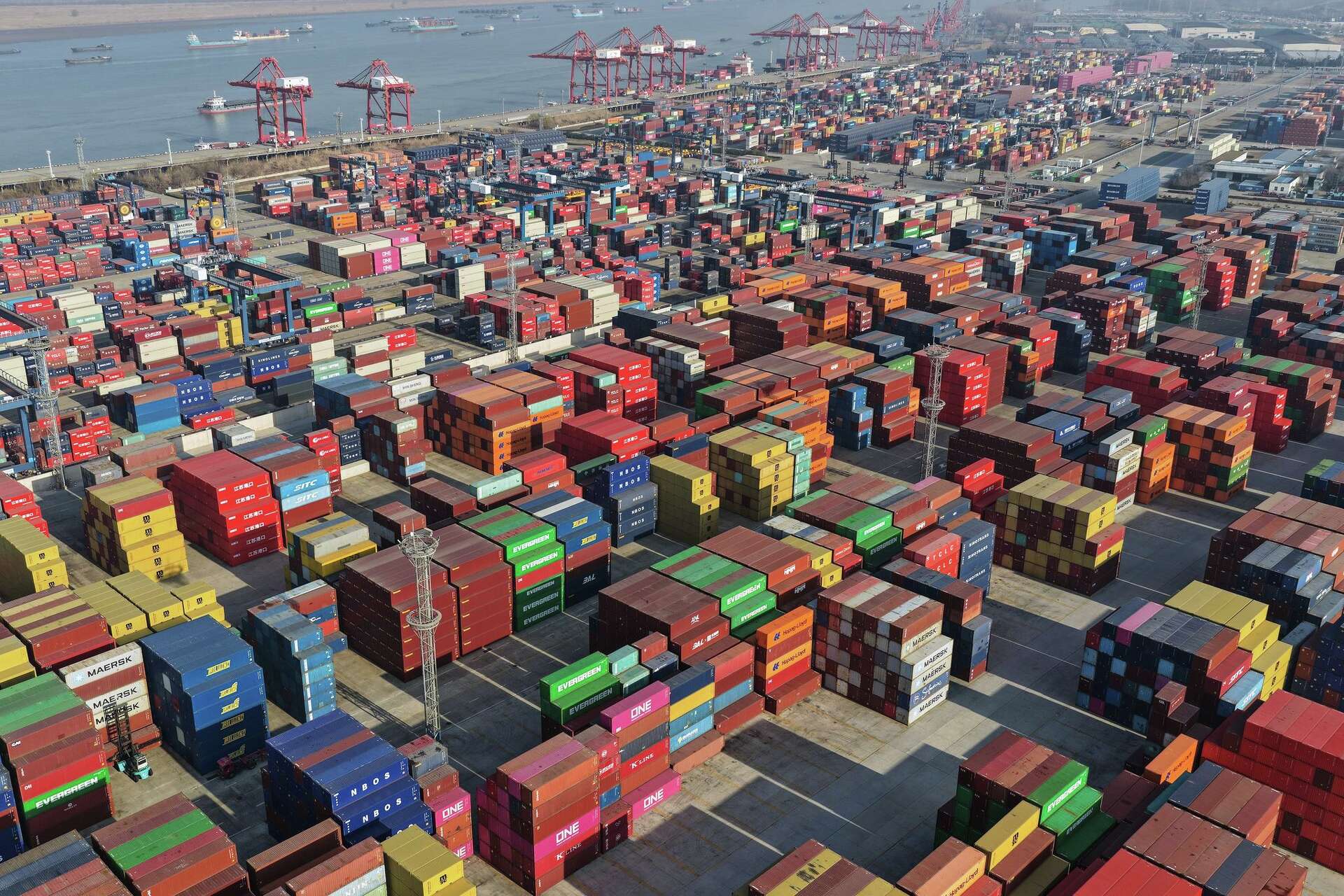
Strategic Market Redirection Emerges as Key Competitive Advantage. Chinese manufacturers demonstrated extraordinary resilience by rapidly diversifying export routes, with significant growth in emerging markets: Africa (25.8% increase), Southeast Asia (13.4% rise), and the European Union (8.4% growth). This strategic pivot effectively neutralized U.S. tariff pressures, reducing direct U.S. trade exposure while expanding alternative market penetration.
Operational Implications for Cross-Border Sellers: The trade surplus indicates a fundamental restructuring of global supply chains. Sellers must anticipate:
- Increased price competition from Chinese manufacturers
- Emerging opportunities in alternative markets like Southeast Asia and Africa
- Potential need to redesign sourcing and logistics strategies
- Higher probability of finding cost-effective manufacturing partners outside traditional corridors
The monthly trade surplus of $114.14 billion in December 2025 underscores China's continued manufacturing dominance. E-commerce sellers should view this as a strategic inflection point—requiring proactive market diversification, flexible sourcing strategies, and keen understanding of emerging market dynamics.
Critically, this isn't just an economic statistic but a blueprint for adaptive international commerce in an increasingly complex geopolitical landscape.
Questions 4
What strategic steps should sellers take in response to these trade dynamics?
Key strategies include: 1) Diversifying supplier base beyond traditional markets, 2) Exploring manufacturing hubs in alternative countries, 3) Developing flexible logistics networks, 4) Monitoring tariff changes, and 5) Building relationships with suppliers in emerging markets like Vietnam, Indonesia, and African nations.
Which emerging markets offer the best opportunities for e-commerce sellers?
Based on the trade data, Southeast Asia (13.4% growth), Africa (25.8% increase), and the European Union (8.4% growth) represent the most promising emerging markets. Sellers should prioritize market research, understand local consumer preferences, and develop targeted marketing strategies for these regions.