
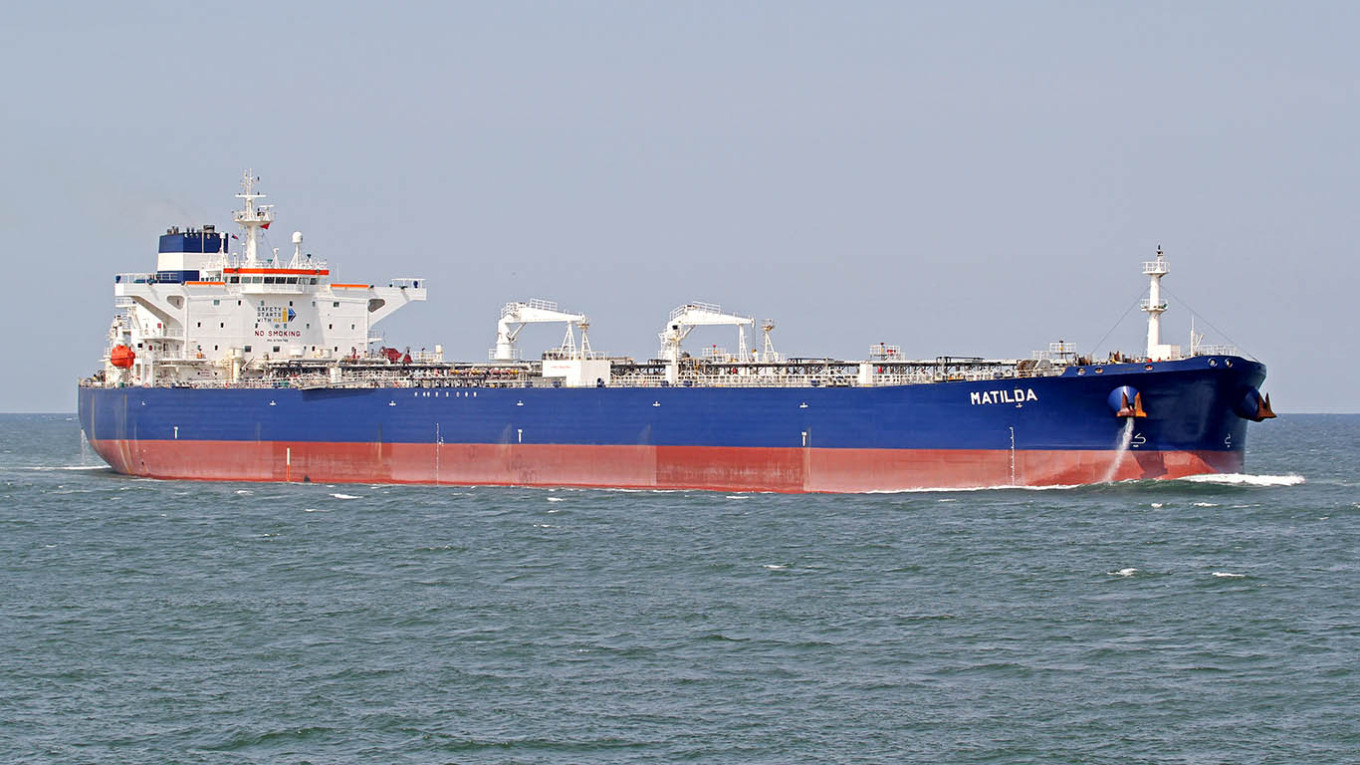




Black Sea Tanker Attacks: Global E-Commerce Supply Chain Alert
- Shipping Risks Escalate 35% for Cross-Border Sellers in Energy Corridors




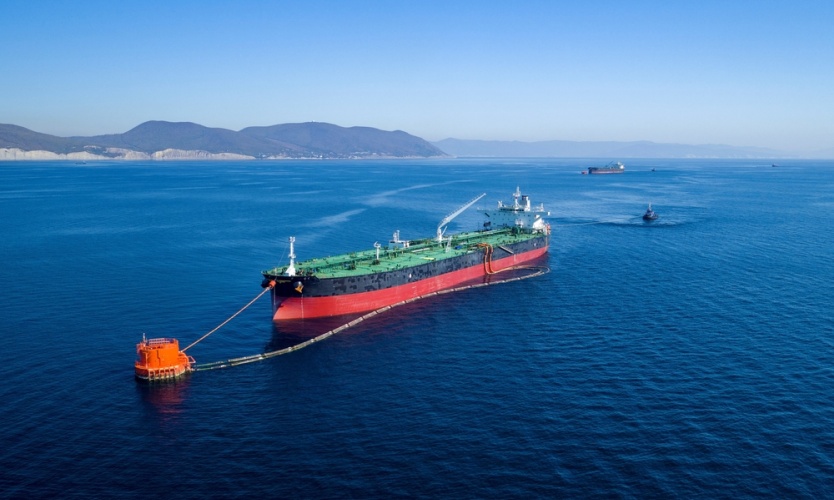
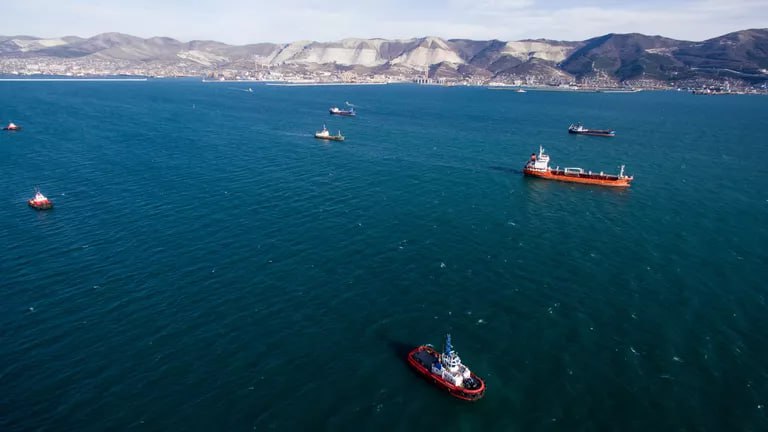



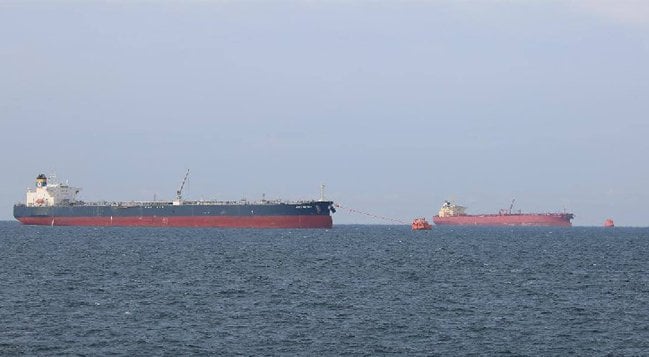


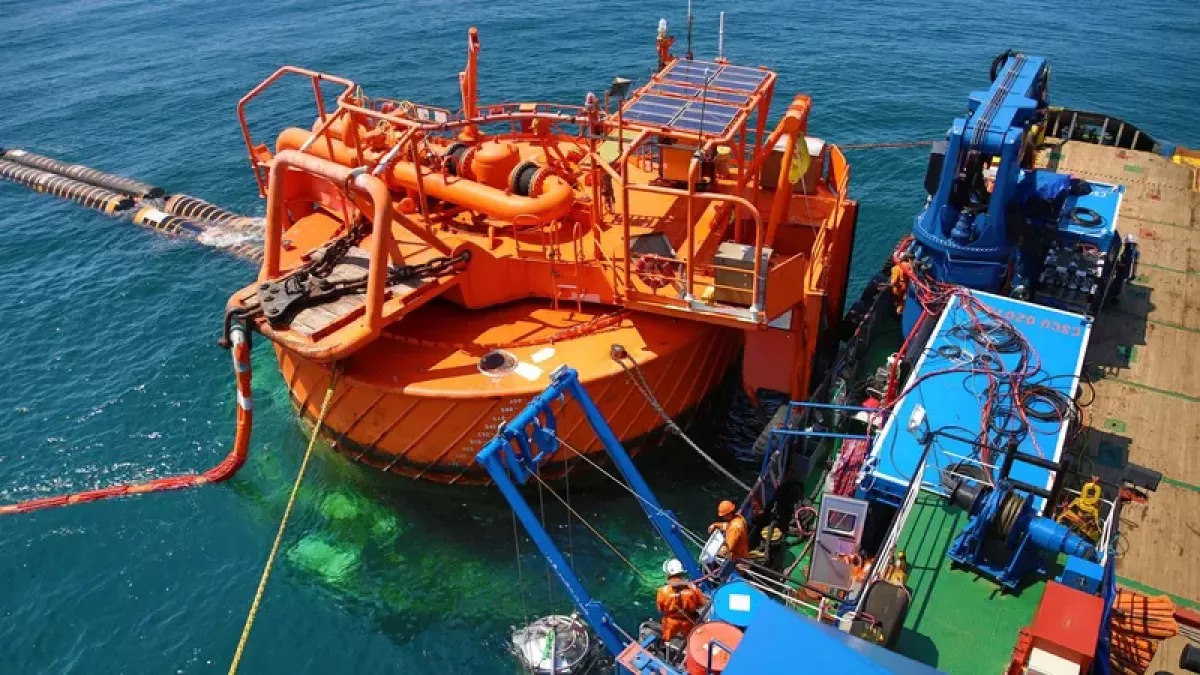


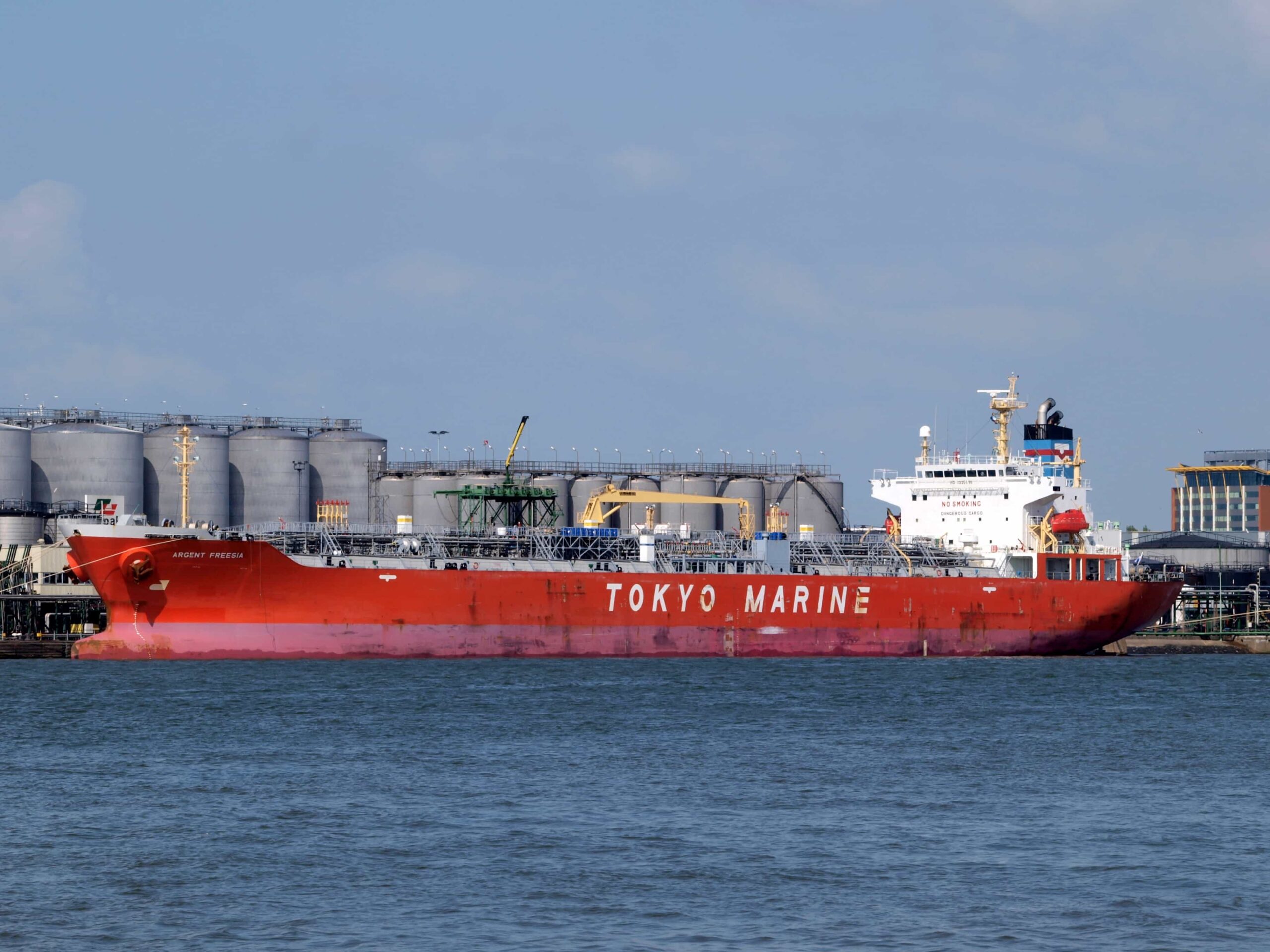





Overview
The Black Sea region is experiencing a critical maritime security transformation that will dramatically reshape cross-border logistics and e-commerce supply chain strategies.
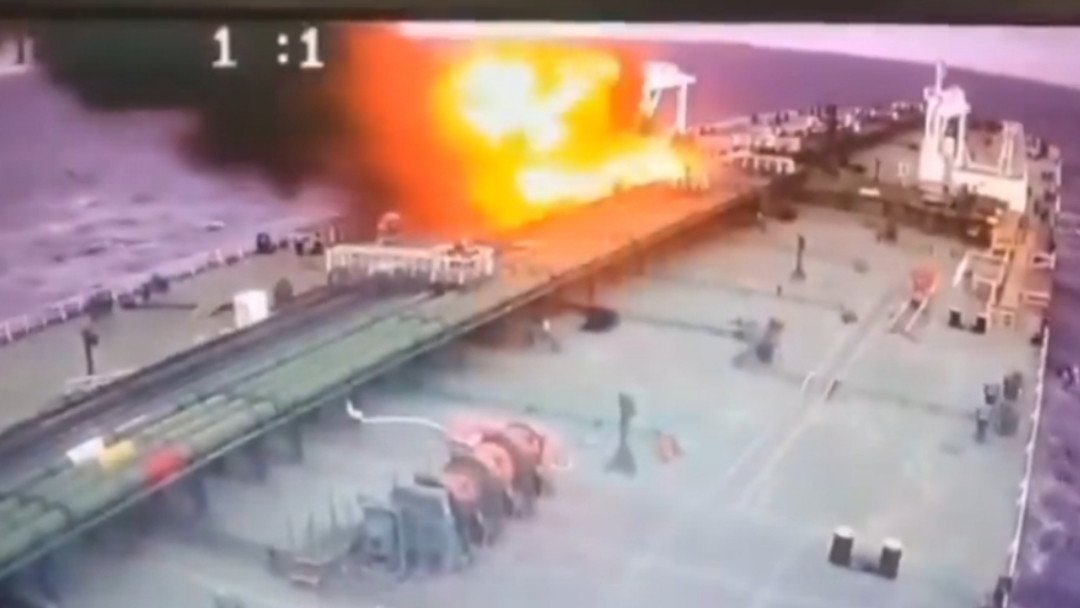
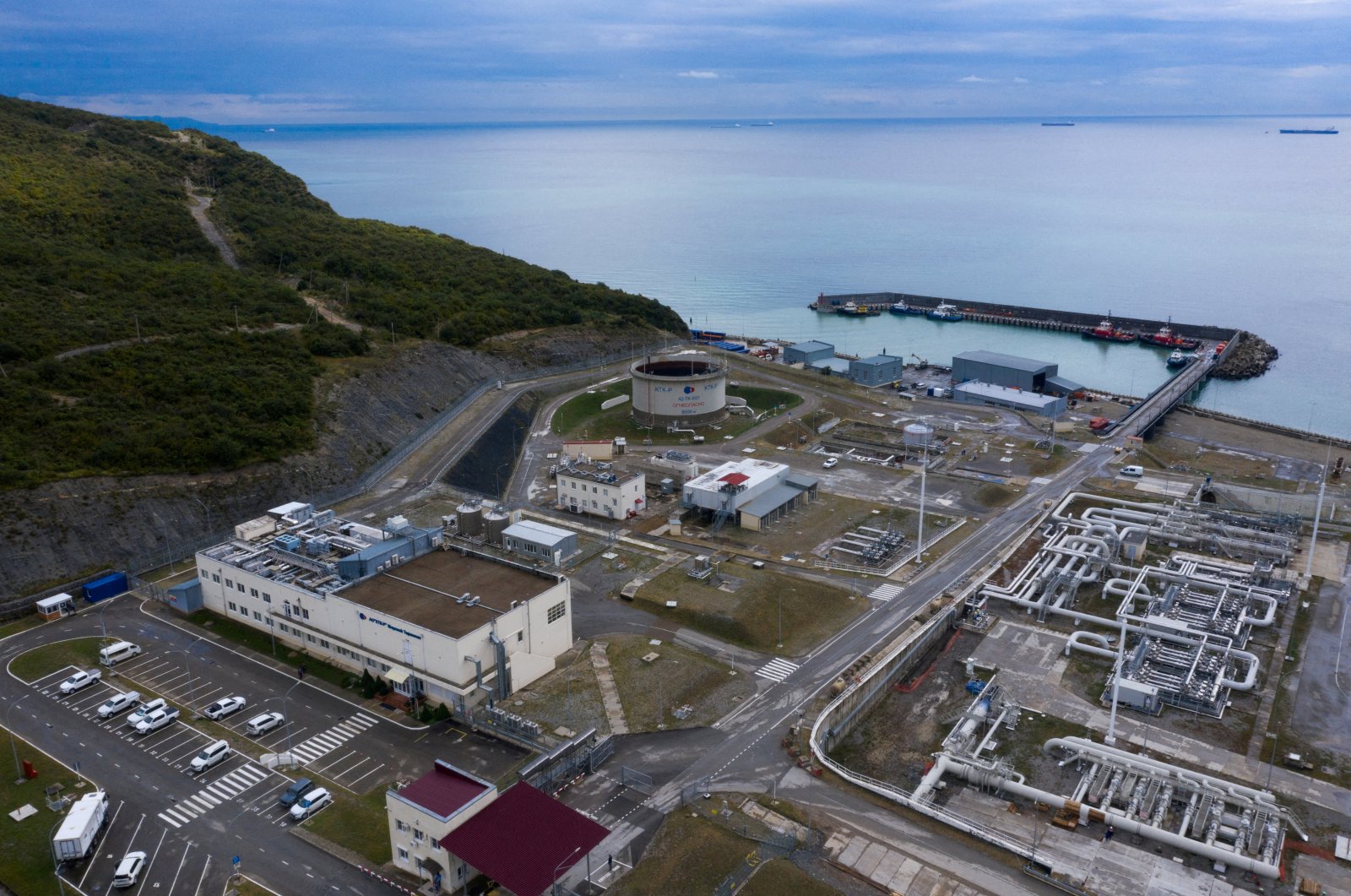
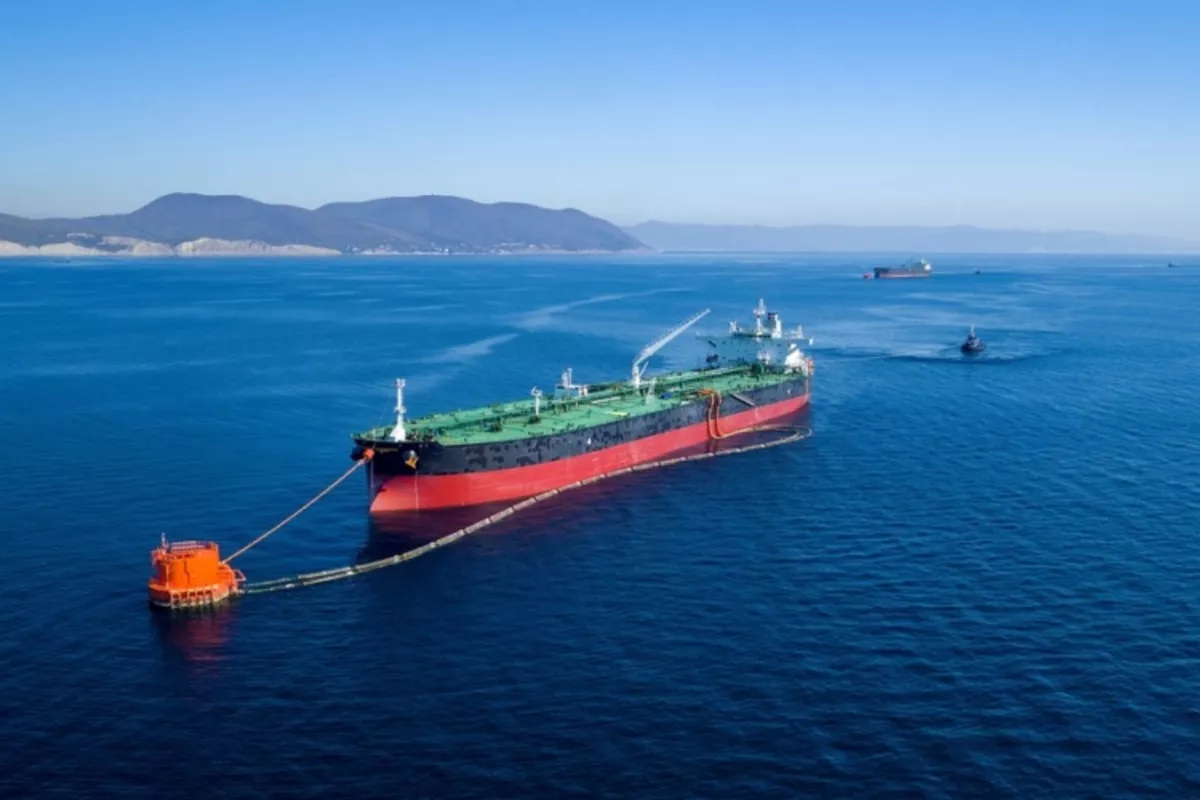
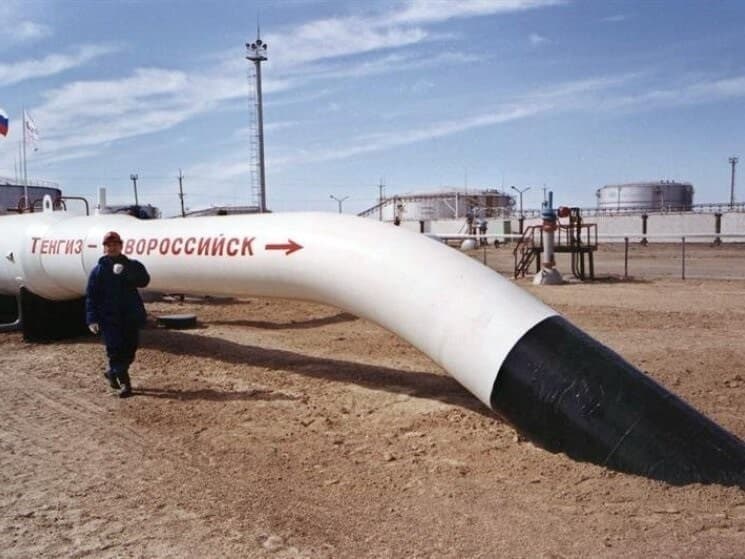
The recent drone attacks on oil tankers near the Caspian Pipeline Consortium (CPC) terminal represent more than a geopolitical incident - they signal a fundamental disruption in global trade infrastructure. With insurance underwriters now charging approximately 1% of ship value for regional port calls (up from 0.7%), cross-border sellers face unprecedented operational risks and cost pressures.
Strategic Implications for E-Commerce Logistics:
- Maritime shipping routes through the Black Sea now carry heightened risk profiles
- Insurance premiums are increasing, directly impacting shipping and operational expenses
- Energy infrastructure attacks create significant supply chain uncertainty
- Sellers must develop robust alternative routing and risk mitigation strategies
The escalating tensions involve multiple stakeholders - Kazakhstan, Greece, Russia, and Ukraine - creating a complex geopolitical landscape that extends far beyond traditional maritime concerns. For cross-border e-commerce sellers, this means mandatory reassessment of shipping corridors, logistics partners, and risk management protocols.
Immediate Seller Recommendations:
- Conduct comprehensive route risk assessments within 30 days
- Develop contingency shipping plans for Black Sea and adjacent regions
- Budget for 8-12% potential increase in maritime shipping costs
- Explore alternative transportation methods and insurance coverage
The broader implications suggest a volatile maritime environment with long-term consequences for international trade networks, potentially forcing businesses to fundamentally restructure their global logistics strategies.
Questions 4
What specific shipping routes are most affected by these maritime security risks?
Primary affected routes include Kazakhstan's oil export corridors through the Black Sea, involving countries like Russia, Ukraine, Turkey, and Greece. Sellers using maritime transportation through these regions should expect increased insurance premiums and potential shipping delays.
How do the Black Sea tanker attacks impact cross-border e-commerce sellers?
The attacks increase shipping insurance costs by approximately 30-40%, forcing sellers to reassess logistics routes, potentially reroute shipments, and budget for higher operational expenses. Sellers shipping through Black Sea corridors must develop comprehensive risk mitigation strategies.