



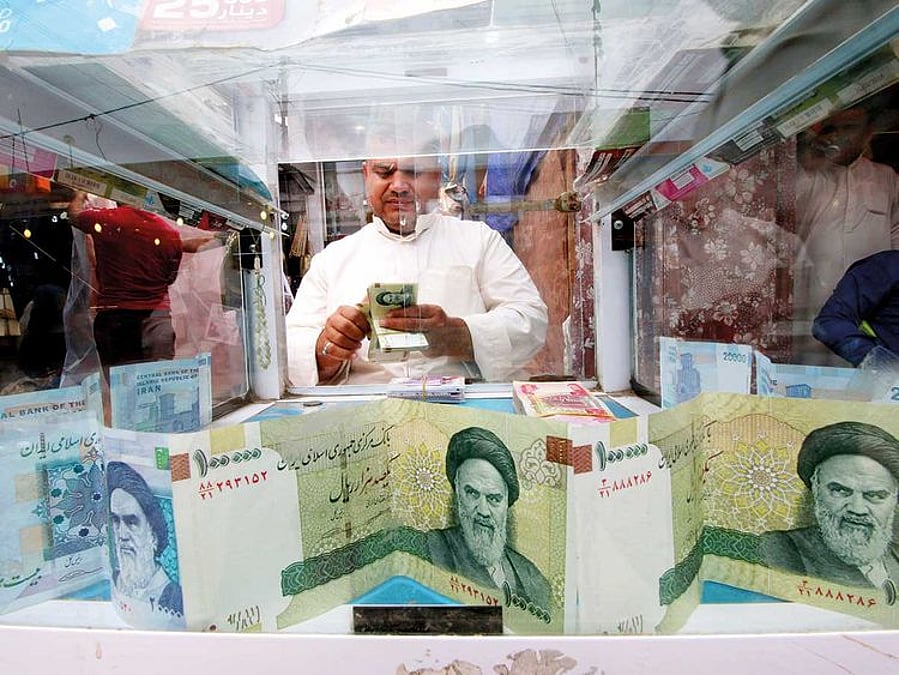

Iran's Economic Meltdown: 90% Currency Collapse Reshapes Global E-Commerce
- Sanctions & Bank Failures Create $2.5B Market Disruption for Cross-Border Sellers












)















Overview
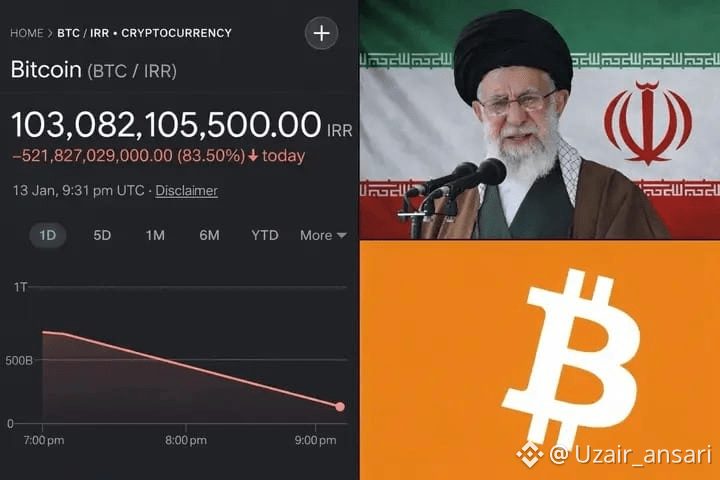
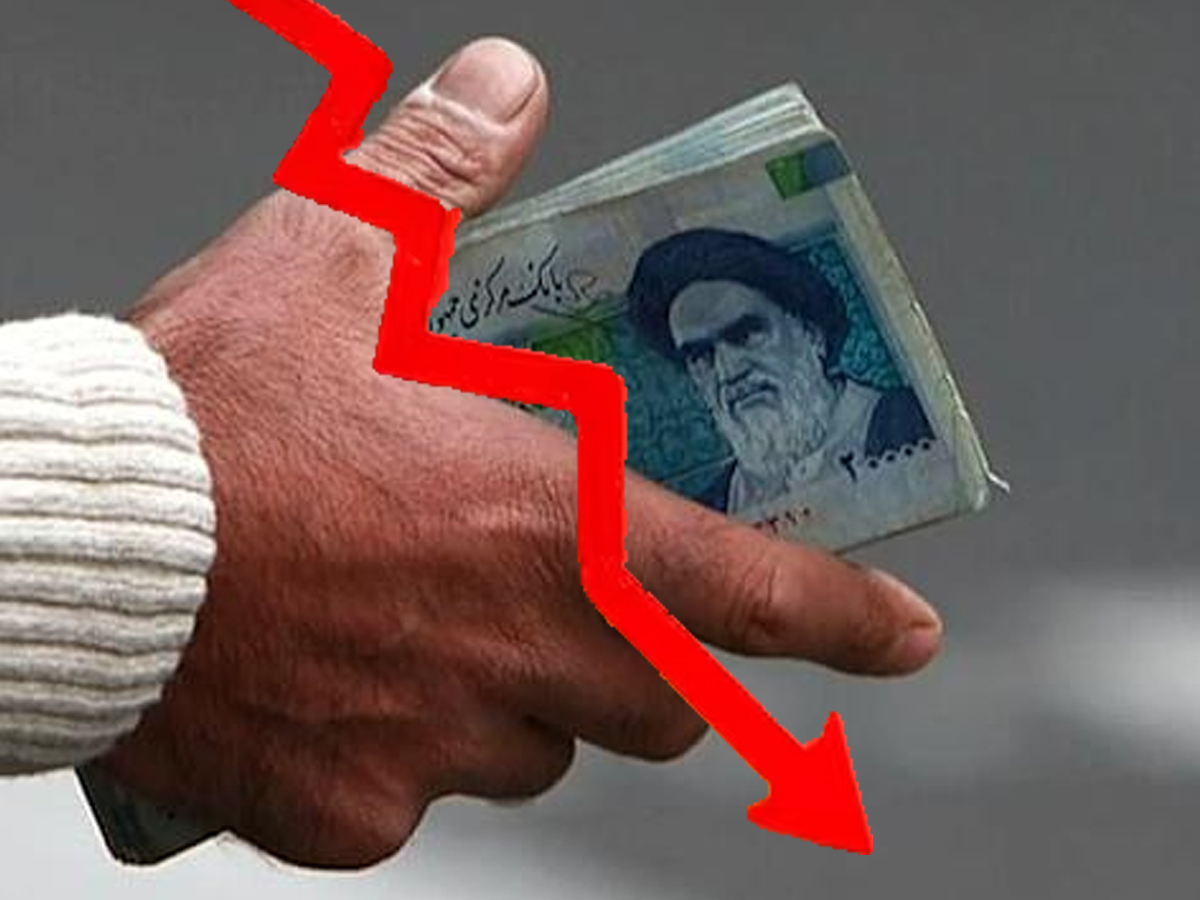
The Iranian economic landscape is experiencing a catastrophic transformation that presents both significant risks and nuanced opportunities for cross-border e-commerce sellers. With the Iranian rial losing approximately 90% of its value against the dollar and experiencing 42.5% inflation, the country's economic infrastructure is undergoing a profound restructuring that demands strategic recalibration from international businesses.
Key economic indicators reveal a multi-layered crisis affecting regional trade dynamics. The collapse of Ayandeh Bank, characterized by nearly $5 billion in bad loans, exposes systemic weaknesses in Iran's financial ecosystem. This banking sector implosion, combined with Western sanctions and internal economic mismanagement, has created a volatile environment that requires sophisticated market navigation.
Cross-border sellers must recognize the emerging market reconfiguration. The pilgrimage market in Najaf, Iraq, exemplifies this transformation, with Iranian pilgrim arrivals plummeting from 3,000-3,500 daily to merely 100-250 in 2023. This dramatic decline signals broader economic disruption affecting tourism, religious merchandise, and cross-border service industries. Local merchants like Ahmed Salam, who previously operated religious accessory shops, now struggle with mounting debt and business closures.
Strategic implications extend beyond immediate market contraction. The fragmentation of traditional power structures—including bazaar merchants, clergy, and military networks—creates a complex landscape for international commerce. While regime change appears unlikely, the economic pressures are fundamentally restructuring trade relationships, supply chains, and market access points.
For e-commerce sellers, this environment demands:
- Hyper-localized risk assessment
- Flexible supply chain strategies
- Rapid adaptation to currency volatility
- Diversified market entry approaches
Questions 4
How does Iran's currency collapse affect cross-border e-commerce sellers?
The 90% rial devaluation creates extreme price unpredictability, disrupts supply chains, and makes financial transactions highly risky. Sellers must implement dynamic pricing strategies, use hedging mechanisms, and potentially seek alternative regional markets to mitigate currency volatility.
How should sellers assess risks in economically unstable regions?
Conduct comprehensive risk assessments including currency stability, regulatory environment, banking sector health, and geopolitical tensions. Implement flexible supply chains, diversify market exposure, and maintain minimal physical inventory in high-risk regions.