





EU's Mercosur Trade Deal Hangs in Diplomatic Balance: A High-Stakes Market Transformation
- Unprecedented trade agreement faces critical approval challenges with massive cross-border implications












Overview
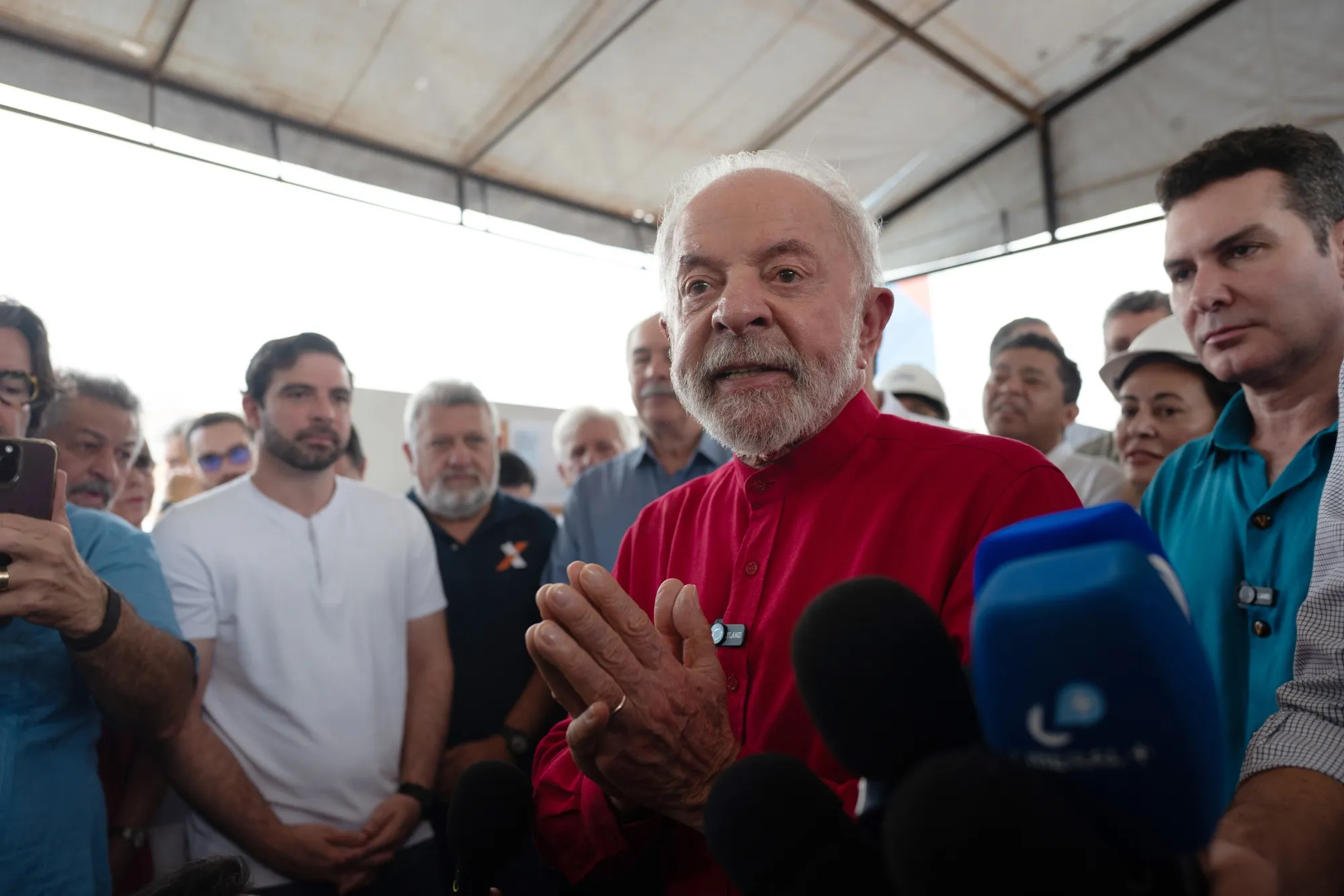
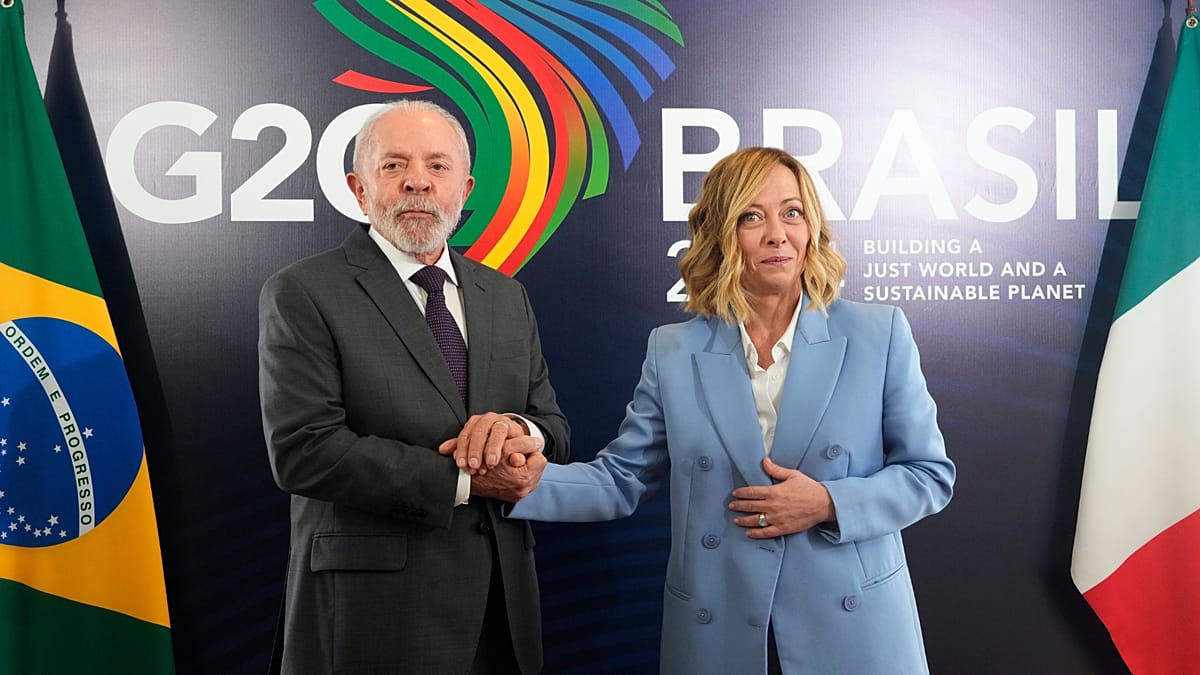
The Mercosur trade deal represents a pivotal moment in international economic diplomacy, where geopolitical complexity meets transformative market potential. At the heart of this intricate negotiation is European Commission President Ursula von der Leyen's urgent push to create one of the world's largest free-trade areas, connecting the European Union with South American nations Brazil, Argentina, Uruguay, and Paraguay.
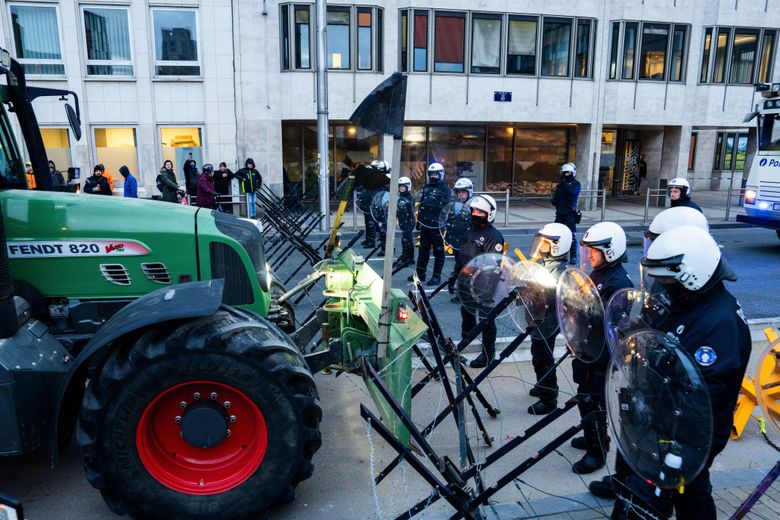
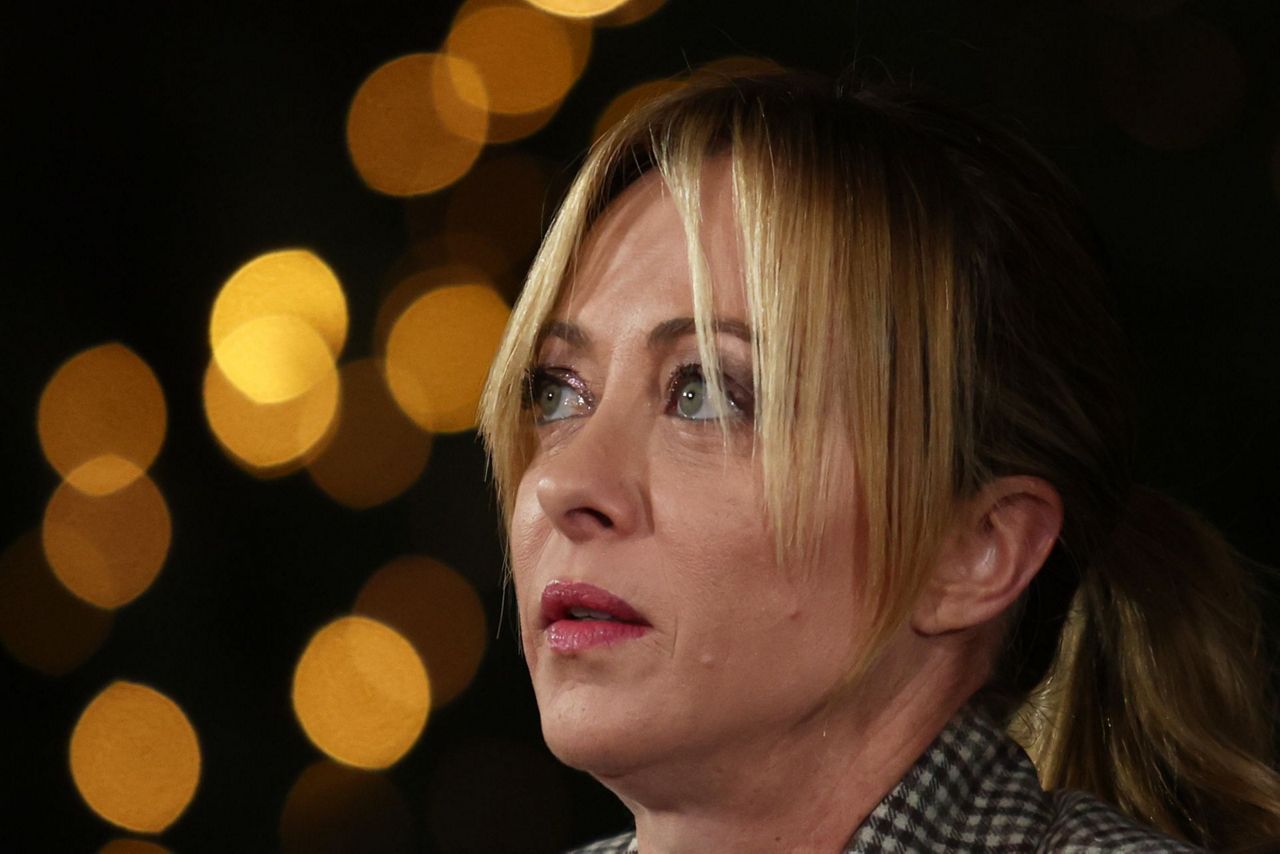
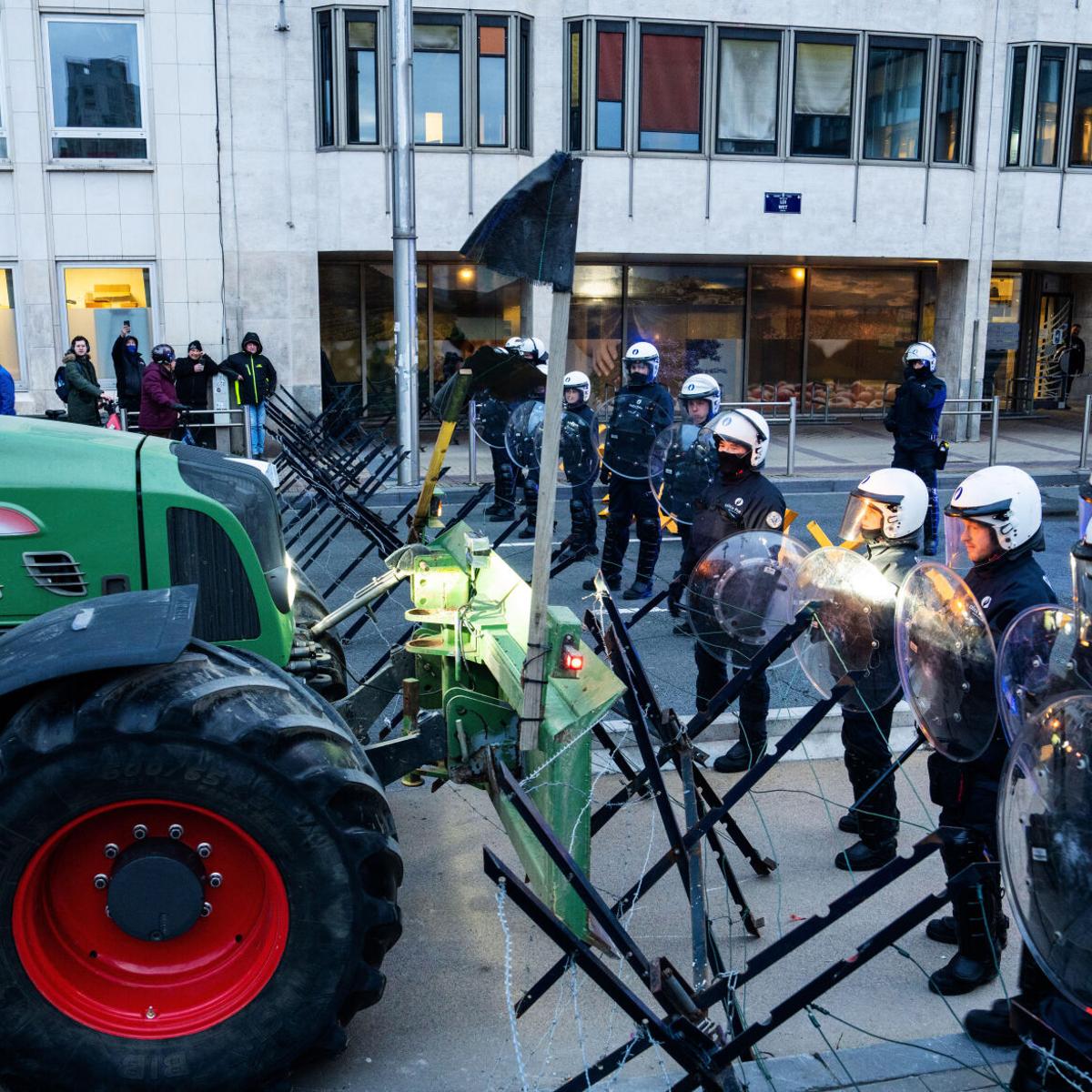
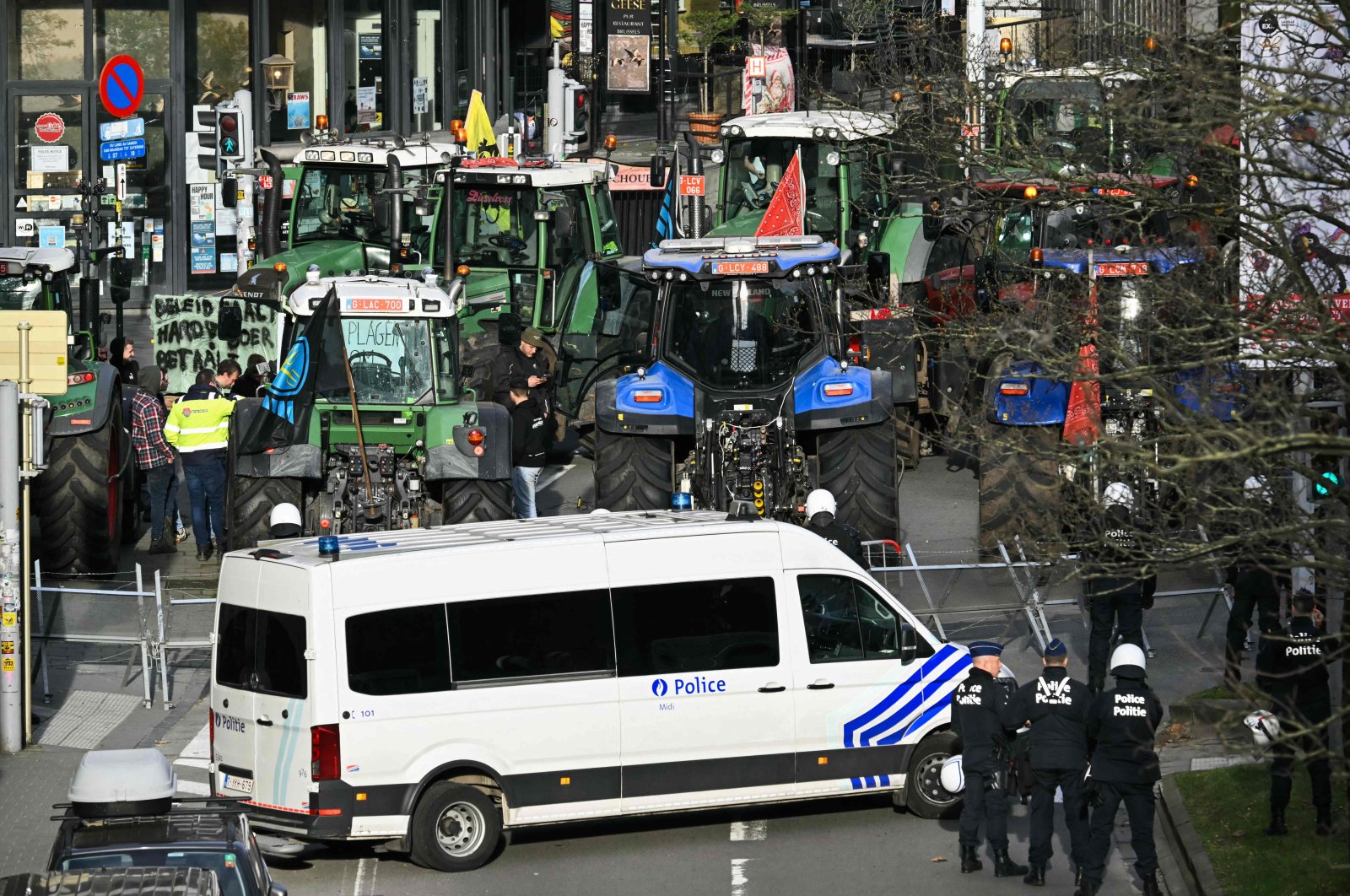
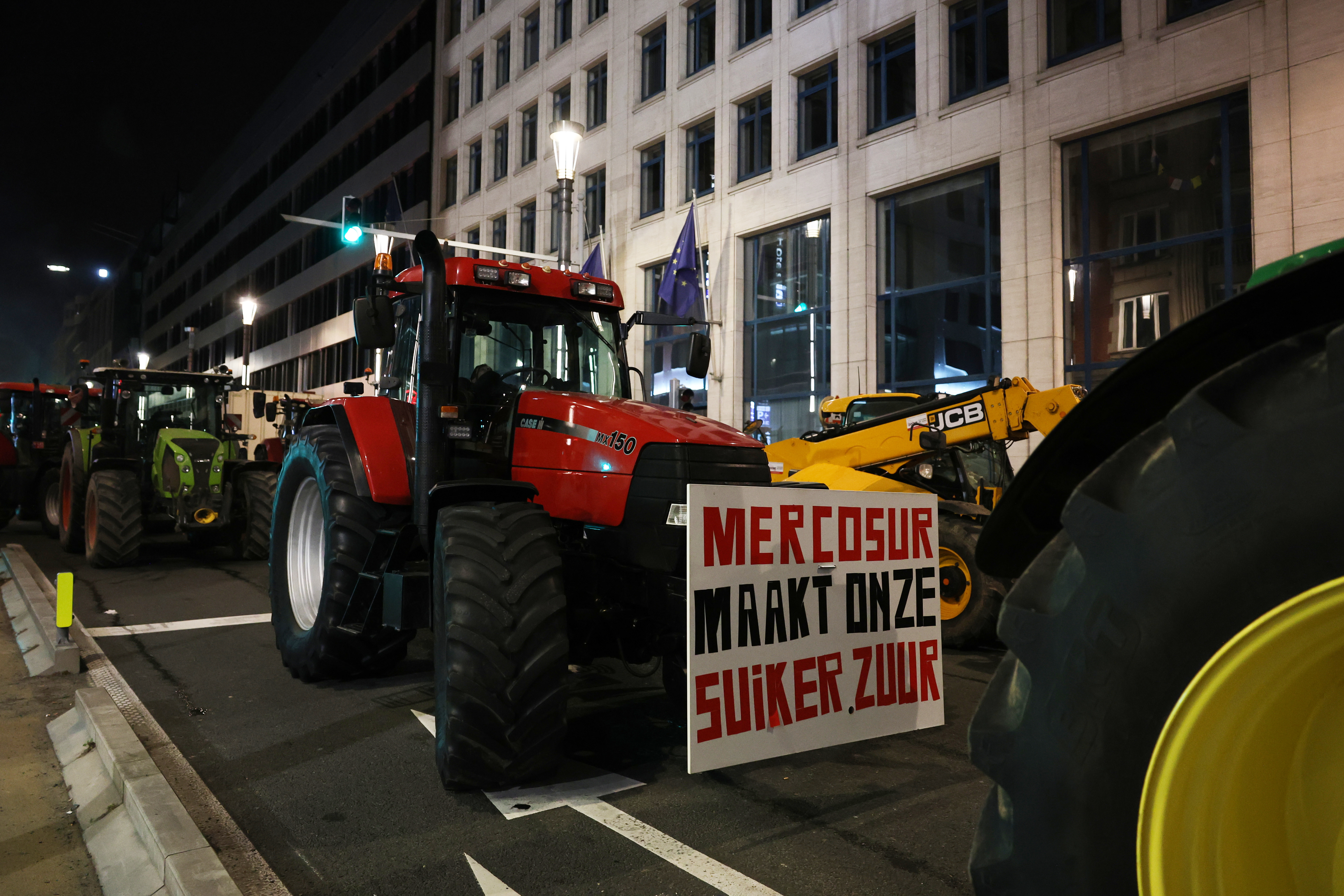
The deal's strategic significance cannot be overstated. By potentially reducing trade barriers and opening substantial cross-border commerce opportunities, this agreement could fundamentally reshape international trade dynamics. However, the path to ratification is fraught with diplomatic landmines. France and Italy have explicitly voiced reservations, creating a complex approval landscape that requires unanimous consent from all 27 EU member states.
What makes this negotiation particularly fascinating is the delicate balance between economic opportunity and domestic political considerations. Von der Leyen is advocating for a deal that promises dramatic market access improvements, yet must navigate intricate national concerns—likely involving environmental standards, agricultural regulations, and economic impact assessments. The ongoing negotiations reveal a nuanced diplomatic chess match where each member state carefully evaluates potential benefits against perceived risks.
For cross-border sellers and businesses, this represents both a high-potential opportunity and a scenario demanding strategic patience. The proposed agreement would create substantial new market entry points, potentially reducing tariffs and simplifying trade processes. However, the uncertain timeline and potential modifications mean that stakeholders must remain agile, continuously monitoring developments without prematurely committing resources.
The Mercosur deal symbolizes a broader trend of complex, multi-stakeholder trade negotiations in an increasingly interconnected global economy. Its ultimate success will depend not just on economic metrics, but on the diplomatic skill of negotiators in finding mutually acceptable compromises that balance national interests with collective economic advancement.
Questions 3
What is the strategic importance of the Mercosur trade deal for the European Union?
The deal represents a critical expansion of the EU's international trade network, aiming to establish deeper economic connections with South American nations. It's part of a broader strategy to create one of the world's largest free-trade areas, potentially reshaping global trade dynamics and providing strategic economic advantages.
How might this trade deal impact cross-border businesses and sellers?
The Mercosur agreement could dramatically reduce trade barriers between the EU and South American countries, creating substantial new market entry opportunities. Businesses should prepare for potential tariff reductions and simplified trade processes, but must also remain flexible due to the uncertain negotiation timeline.