





Nike's Global Crossroads: Navigating Market Turbulence and Strategic Reinvention
- Revealing the High-Stakes Transformation of a Global Sportswear Giant Amid International Market Challenges
































Overview
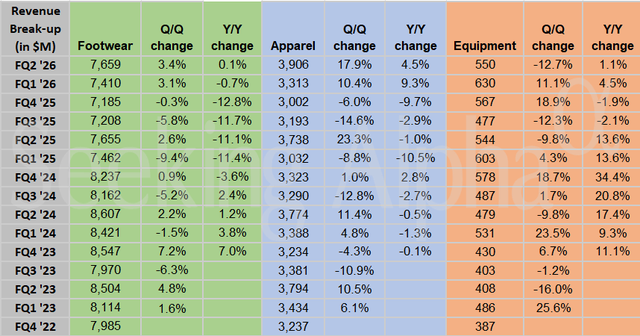
Nike's global strategy stands at a critical inflection point, with the company confronting unprecedented market complexities that demand radical strategic recalibration. The recent quarterly performance reveals a nuanced narrative of resilience and vulnerability - a marginal 1% sales increase masking deeper structural challenges, particularly in the critical Chinese market.
Strategic Pivot in China: The company's performance in mainland China, Hong Kong, and Taiwan represents a microcosm of broader international market dynamics. A 17% revenue decline signals more than just a temporary setback; it represents a fundamental market repositioning challenge. CEO Elliott Hill's return from retirement underscores the strategic urgency, with planned investments in Beijing and Shanghai indicating a deliberate, targeted approach to market reconstruction.
Financial Pressure Points: Beyond regional challenges, Nike faces systemic pressures that demand comprehensive restructuring. Tariff-related costs are expected to add $1.5 billion in expenses, compelling the company to strategically raise prices across sneakers, apparel, and equipment. The 32% income decline is not merely a financial metric but a clarion call for innovative strategic realignment.
The North American market offers a glimmer of hope, with analysts noting accelerating growth and improved consumer engagement. However, management's cautious outlook - warning of potential global revenue decline in low single digits - suggests a pragmatic acknowledgment of the complex global retail environment. The turnaround strategy emphasizes performance shoe development, corporate restructuring, and targeted market investments, demonstrating Nike's commitment to regaining its competitive edge through surgical, data-driven interventions.
Critically, the Converse brand's 30% sales decline across all regions further amplifies the need for a holistic brand portfolio strategy. This isn't just about individual product performance but about understanding shifting consumer preferences and global market dynamics.
Nike's current trajectory represents a masterclass in corporate adaptability - transforming potential crisis into an opportunity for strategic reinvention.
Questions 3
What signals suggest Nike might be on the path to recovery?
The North American market shows promising signs with accelerating growth and improved consumer engagement. While the company remains cautious about global revenue, the strategic investments, leadership changes, and focused approach to market challenges indicate a proactive stance toward recovery and transformation.
How is Nike addressing its current financial and market challenges?
Nike is implementing a comprehensive turnaround strategy involving inventory clearance, product development restructuring, and corporate reorganization. This includes strategic price increases to offset $1.5 billion in tariff-related costs, focusing on performance shoe development, and making targeted market investments to regain competitive positioning.