


Cross-Border Logistics Safety Alert: Aircraft Maintenance Risks
- Critical Implications for 50K+ E-Commerce Shipping Providers















































Overview
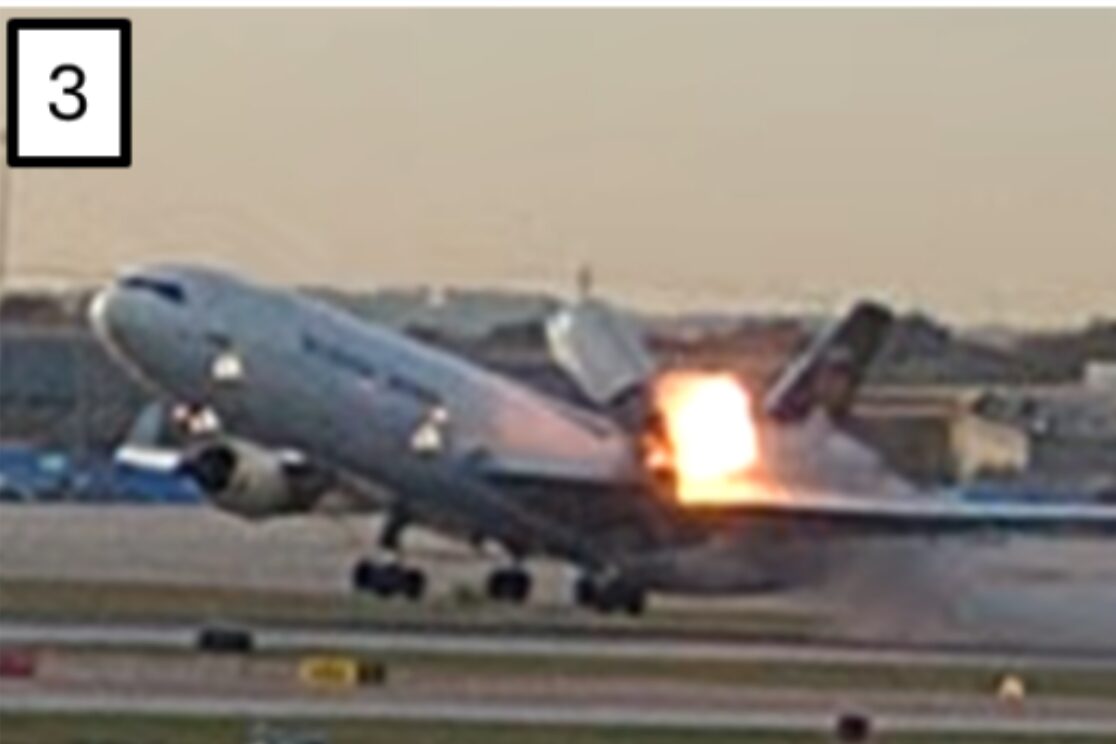
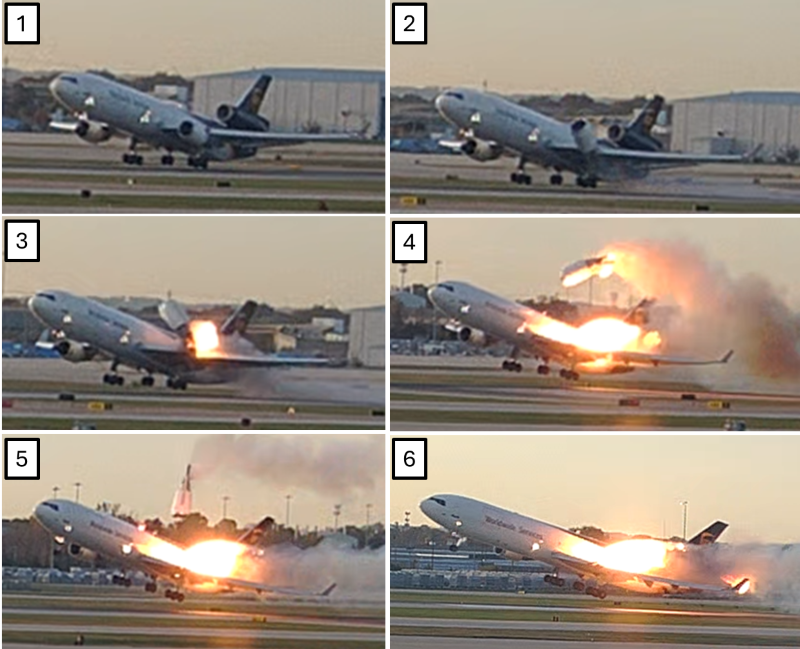
The UPS Boeing aircraft crash investigation reveals profound implications for cross-border e-commerce logistics, exposing critical vulnerabilities in transportation infrastructure that directly impact international sellers. Boeing's systemic maintenance oversight represents a significant risk for businesses relying on air freight networks.
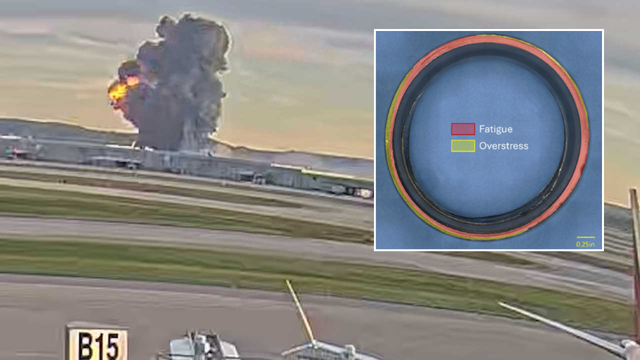
Key Strategic Implications for E-Commerce Sellers: The NTSB investigation uncovered that Boeing was aware of a critical engine defect involving a spherical bearing race assembly, which had previously failed on four separate aircraft occasions. Despite knowing these failures, Boeing recommended only routine 60-month inspections rather than immediate corrective actions. This revelation signals a fundamental need for sellers to:
- Diversify Transportation Providers: Do not rely exclusively on single carriers or transportation modes
- Implement Rigorous Vendor Risk Assessment: Develop comprehensive screening protocols for logistics partners
- Build Redundant Shipping Strategies: Create multi-carrier contingency plans to mitigate potential disruptions
The tragic incident, resulting in 15 fatalities, underscores the cascading risks in global supply chains. E-commerce businesses shipping internationally must recognize that equipment failures can dramatically impact delivery timelines, inventory management, and ultimately, customer satisfaction. The investigation highlights that seemingly minor structural vulnerabilities can produce catastrophic operational consequences.
Sellers should view this as a critical wake-up call to enhance supply chain resilience, invest in proactive risk management, and develop more sophisticated logistics monitoring capabilities. The era of passive logistics management is over – strategic, data-driven transportation planning is now a competitive necessity.
Questions 4
How do aircraft maintenance issues impact e-commerce shipping?
Aircraft maintenance failures can cause significant shipping disruptions, potentially delaying international deliveries, increasing transportation costs, and compromising product availability. Sellers must develop multi-carrier strategies and rigorous vendor risk assessment protocols.
What specific risks do cross-border sellers face from transportation infrastructure vulnerabilities?
Cross-border sellers risk unexpected shipping delays, increased transportation costs, potential inventory stockouts, and reduced customer satisfaction. The UPS Boeing crash investigation reveals that equipment failures can have cascading effects across entire logistics networks.