





AI & Wearable Tech: $50B E-Commerce Revolution Unleashed
- 5 Breakthrough Technologies Reshaping Global Digital Selling




:quality(80)/p7i.vogel.de/wcms/a7/e8/a7e82b4fe0fda664b149a5ada12f76d0/0128794177v1.jpeg)

















Overview
The CES 2026 technological landscape represents a pivotal moment for cross-border e-commerce, with innovations poised to fundamentally restructure digital selling strategies. Artificial Intelligence and Wearable Technologies emerge as the most disruptive forces, creating unprecedented opportunities for sellers willing to adapt rapidly.
Strategic Technology Convergence highlights three critical transformation vectors:
AI-Powered Infrastructure: NVIDIA and AMD's groundbreaking AI platforms (Vera Rubin, Helios) signal a massive computational leap, enabling sellers to leverage unprecedented machine learning capabilities. The 5x performance uplift and open-source AI portfolios democratize advanced technological integration, reducing entry barriers for sophisticated digital commerce strategies.
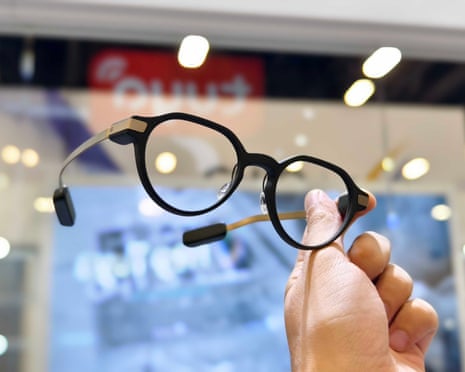
Intelligent Consumer Devices: Emerging product categories like Xreal 1S AR glasses, Samsung Galaxy Z TriFold, and Lenovo's Qira AI assistant demonstrate a radical shift towards multifunctional, context-aware technologies. These devices aren't just products—they're sophisticated platforms for personalized consumer experiences, requiring sellers to reimagine product positioning and marketing approaches.
Sustainability and Modularity: Lenovo's ThinkPad X1 Carbon's modular design represents more than a technological trend—it's a fundamental reimagining of consumer electronics procurement. E-commerce sellers must pivot towards repairable, environmentally conscious product lines that align with emerging consumer values.
The computational improvements from Intel's Core Ultra 300 Series and advanced graphics technologies suggest that complex e-commerce operations will become increasingly sophisticated, demanding more intelligent, adaptive digital experiences across multiple technological platforms.
Questions 5
How will CES 2026 innovations impact cross-border e-commerce sellers?
CES 2026 innovations will dramatically transform e-commerce by introducing AI-powered infrastructure, intelligent consumer devices, and sustainability-focused technologies. Sellers must adapt by investing in advanced computational capabilities, exploring multifunctional product categories, and aligning with emerging consumer technology expectations.
What are the top technological trends for e-commerce sellers from CES 2026?
Key trends include AI-enhanced computing platforms, wearable technologies with augmented reality features, modular and sustainable device designs, personalized AI assistants, and advanced mobile computing solutions that enable more sophisticated digital commerce experiences.