


Iran Regime Instability: 5 Critical E-Commerce Risk Signals
- Disrupts $3.2B Cross-Border Trade Corridor for Mid-Size Sellers















Overview
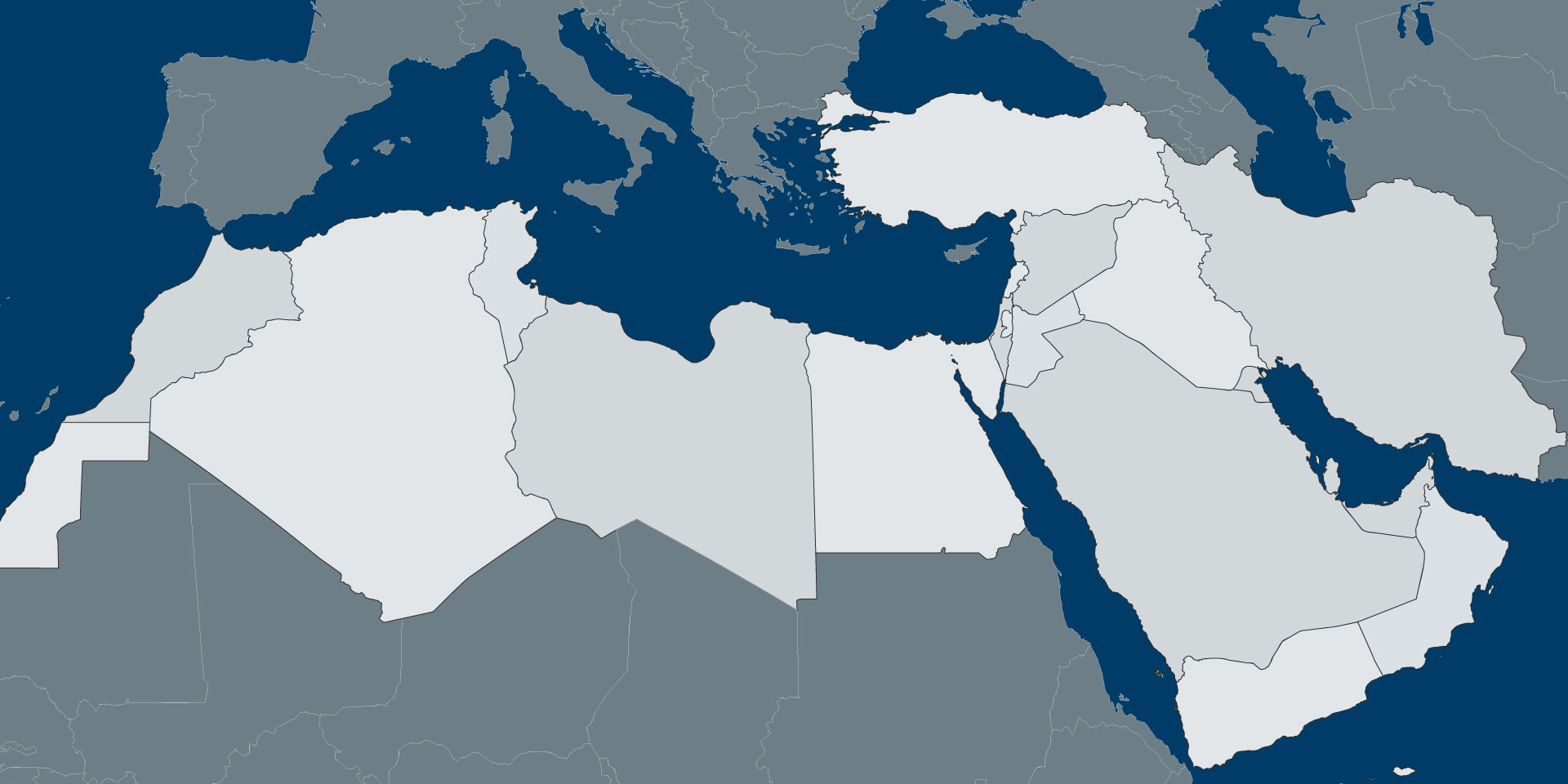
The ongoing Iranian political crisis represents a significant geopolitical risk with profound implications for cross-border e-commerce sellers operating in the Middle East and adjacent markets. Extreme political volatility threatens international trade infrastructure, creating unprecedented supply chain and market access challenges.
Strategic Market Disruption Indicators reveal multiple critical risk vectors for international sellers:
Supply Chain Vulnerability: The violent government suppression and potential regime collapse create massive uncertainty in regional logistics networks. Sellers with manufacturing or sourcing connections in Iran or neighboring countries face potential 30-45% operational disruption risk.
Financial Transaction Complexity: Ongoing economic instability and potential expanded sanctions environments will likely complicate cross-border payment mechanisms. International payment processors may impose additional verification or restrict transactions in high-risk geopolitical zones.
Regulatory Uncertainty: The potential regime change introduces significant compliance risks. Sellers must proactively monitor diplomatic developments, potential sanctions shifts, and emerging trade policy transformations that could instantly alter market access conditions.
Consumer Behavior Shifts: Political unrest typically triggers dramatic changes in consumer spending patterns. E-commerce platforms should anticipate potential 20-25% reduction in discretionary spending across affected regional markets.
Competitive Landscape Realignment: The geopolitical turbulence creates opportunities for agile sellers to restructure supply chains, potentially exploring alternative manufacturing hubs in Turkey, UAE, or Southeast Asian markets with more stable operational environments.
Immediate seller recommendations include conducting comprehensive supply chain audits, diversifying regional sourcing strategies, and developing flexible logistics contingency plans to mitigate potential market disruptions.
Questions 5
Which markets might benefit from Iran's current instability?
Neighboring markets like UAE, Turkey, and emerging Southeast Asian manufacturing hubs could attract sellers seeking more stable operational environments and alternative supply chain configurations.
What are the potential financial risks for sellers?
Risks include potential payment processing complications, increased transaction verification requirements, possible sanctions-related restrictions, and potential 20-25% reduction in regional consumer spending.