


Middle East Geopolitical Shifts | Cross-Border Seller Alert 2026
- Disruptions Impact 3,500+ International Sellers in MENA Region












)







Overview
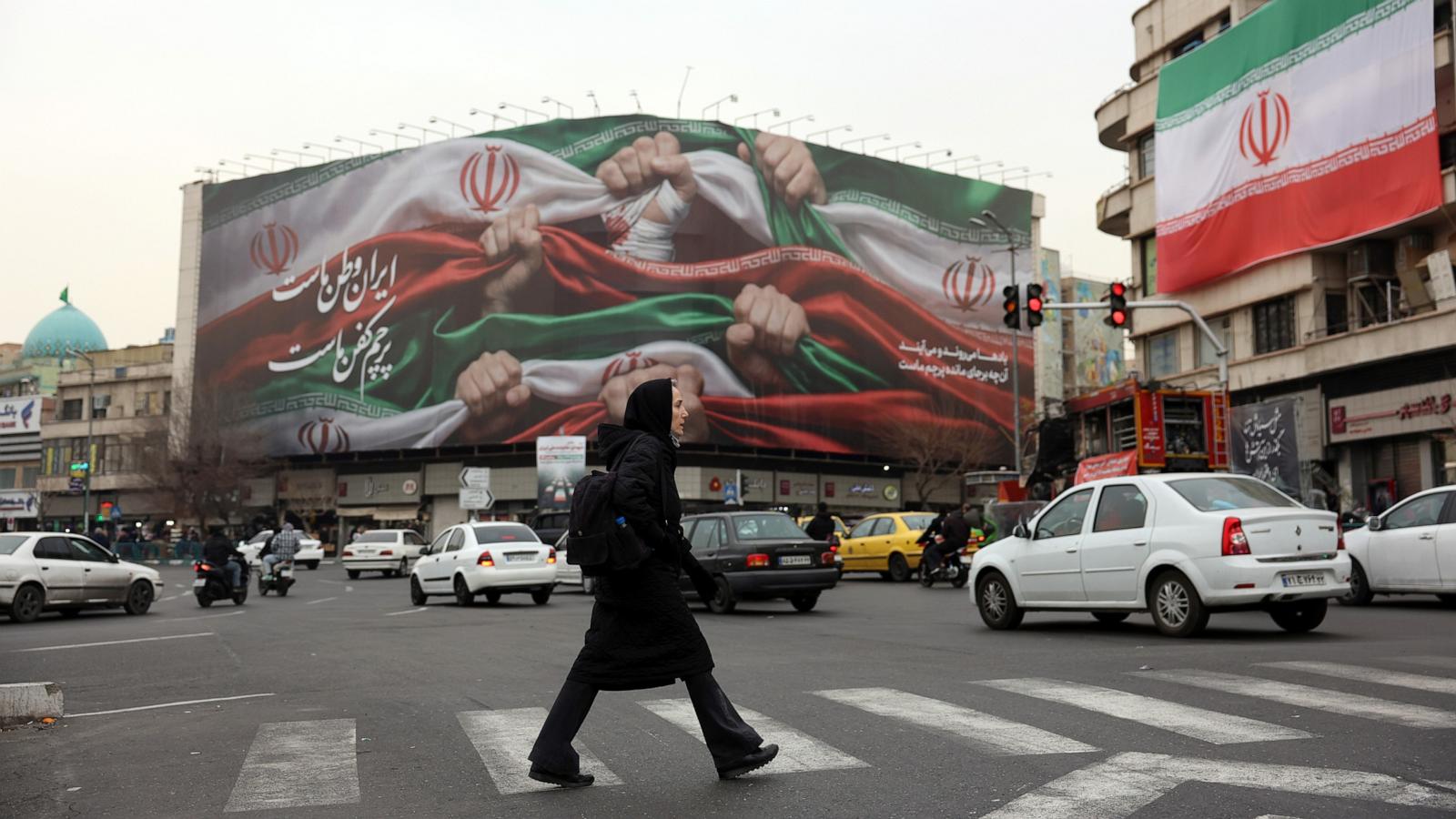
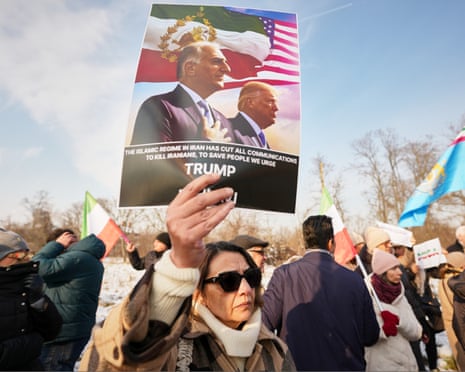
The ongoing Iranian protests represent a critical inflection point for cross-border e-commerce sellers targeting the Middle Eastern market. Geopolitical volatility creates both risks and strategic opportunities for adaptive international sellers.
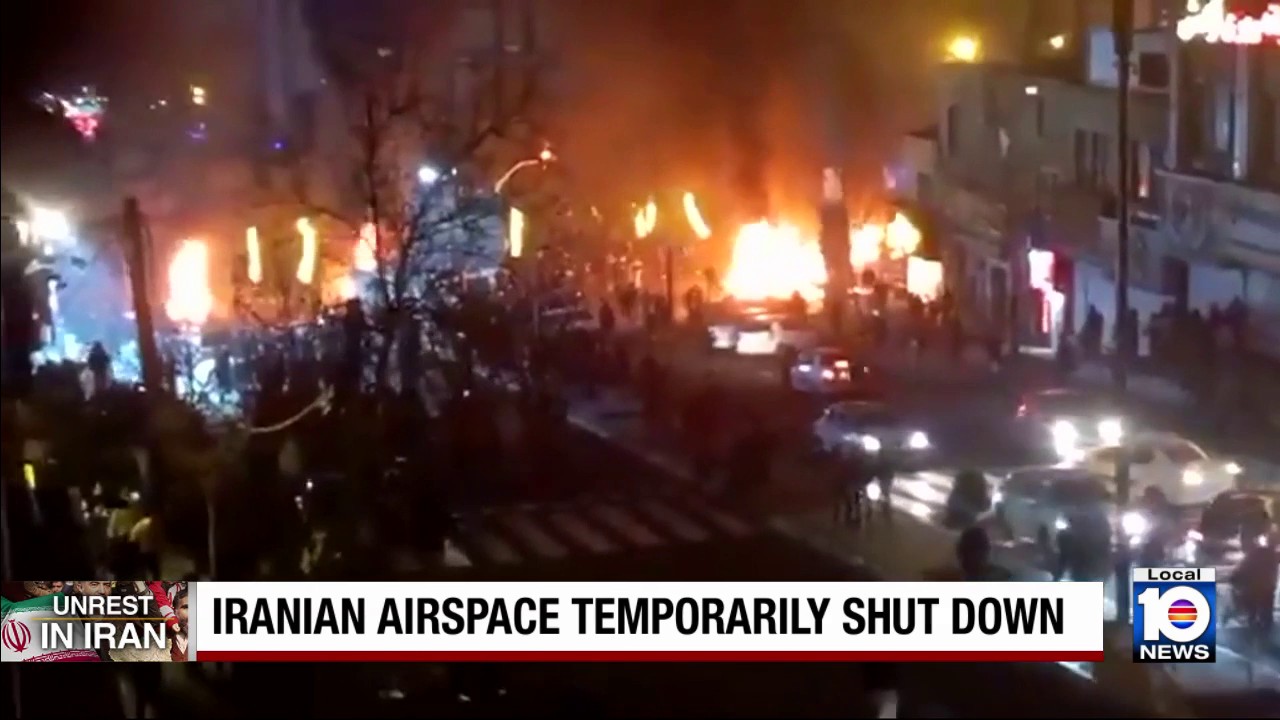
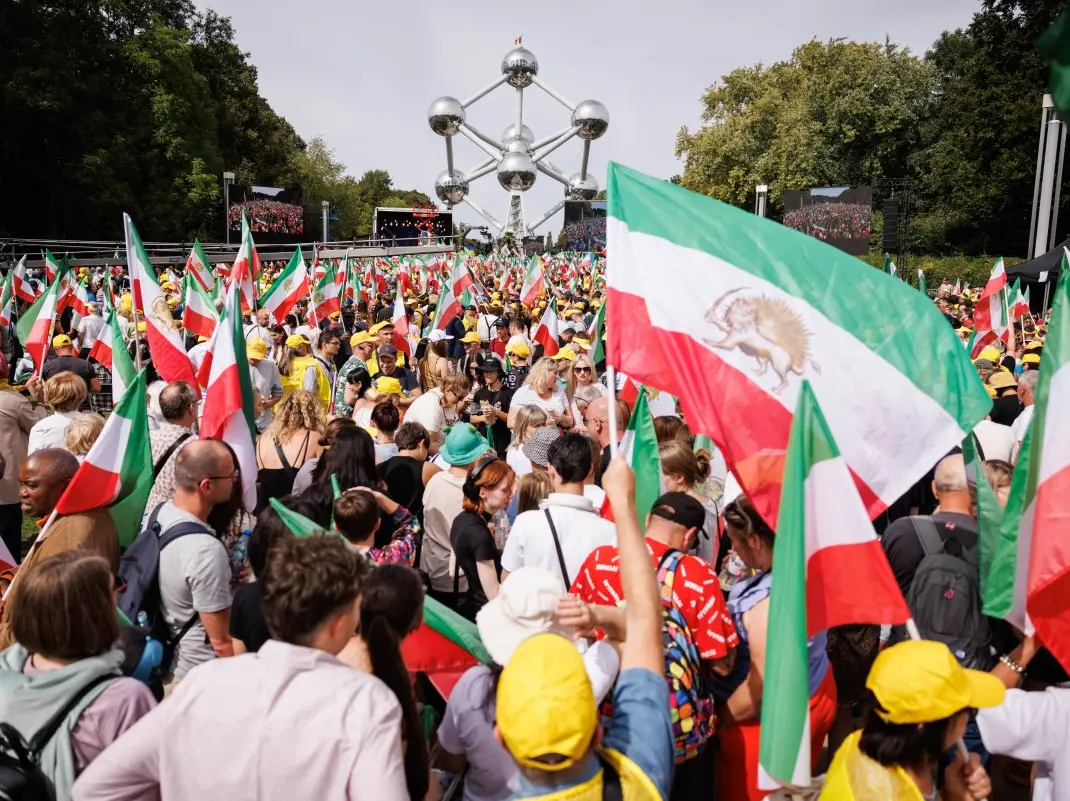
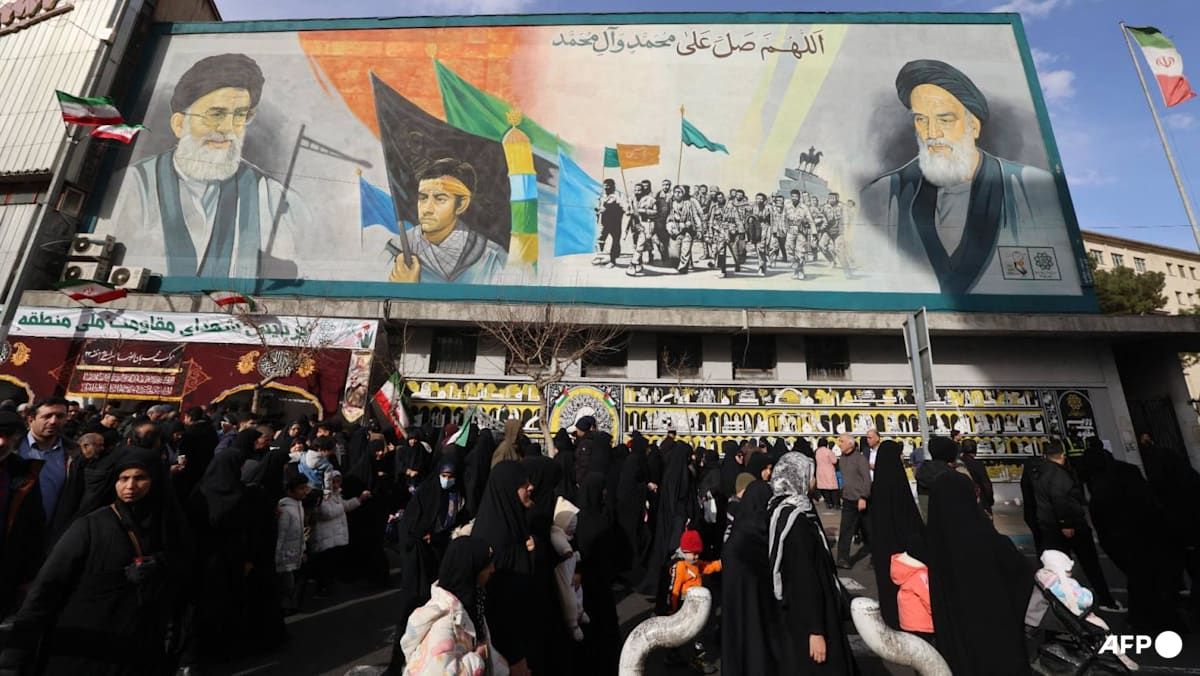
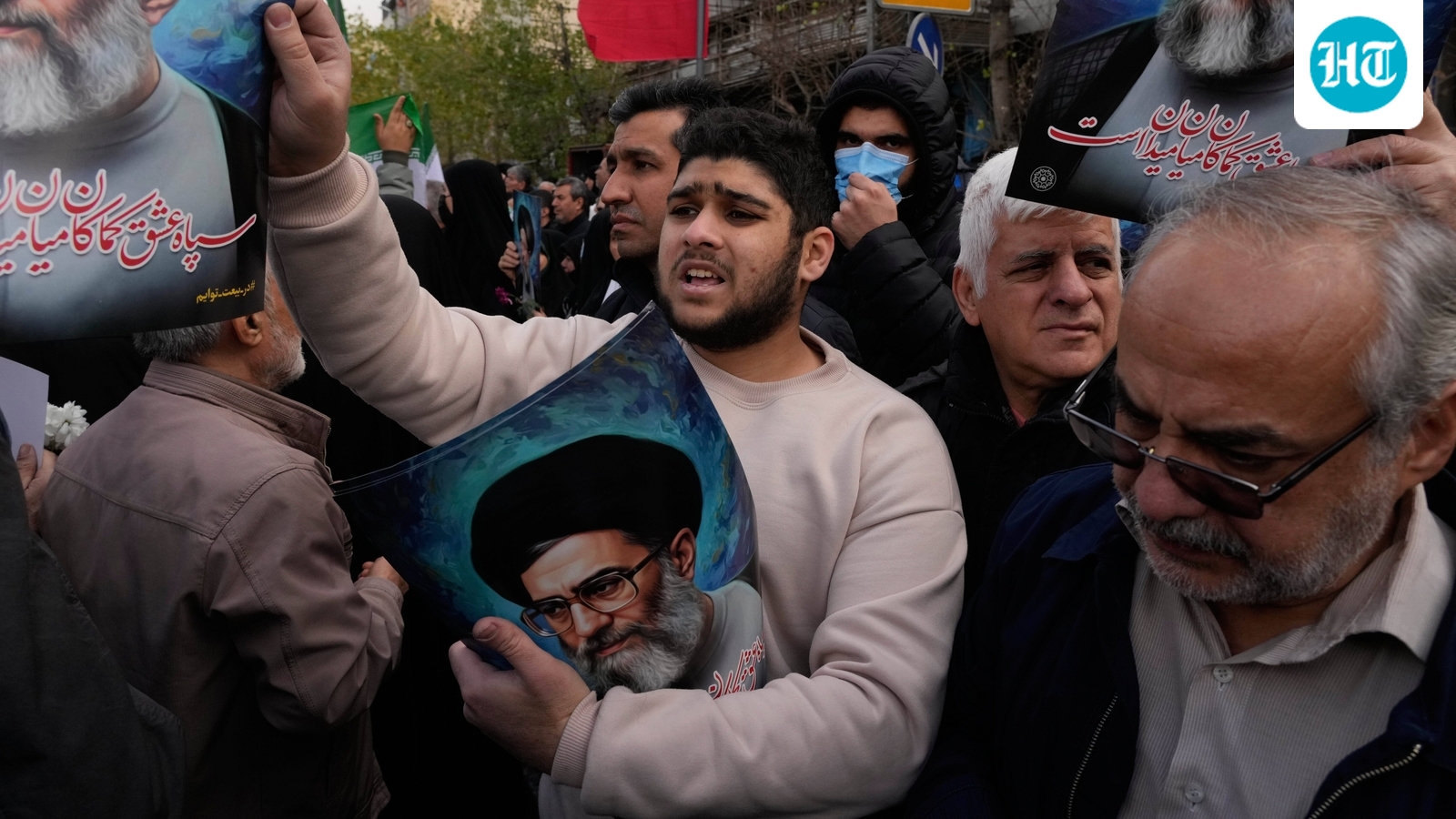
The protests, which have resulted in 2,615 confirmed deaths and 18,470 arrests, signal profound economic and operational challenges. The 156-hour national internet blackout and targeted social media suppression demonstrate significant market disruption potential. For cross-border sellers, this translates into immediate strategic considerations:
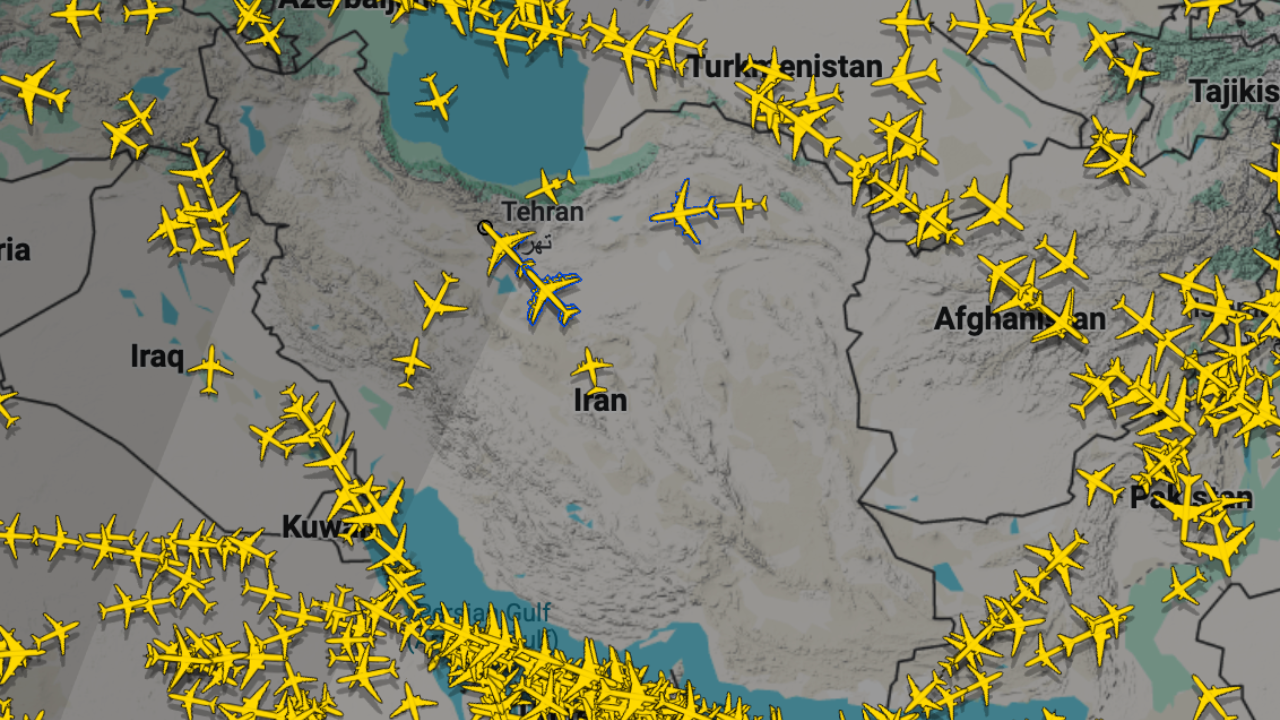
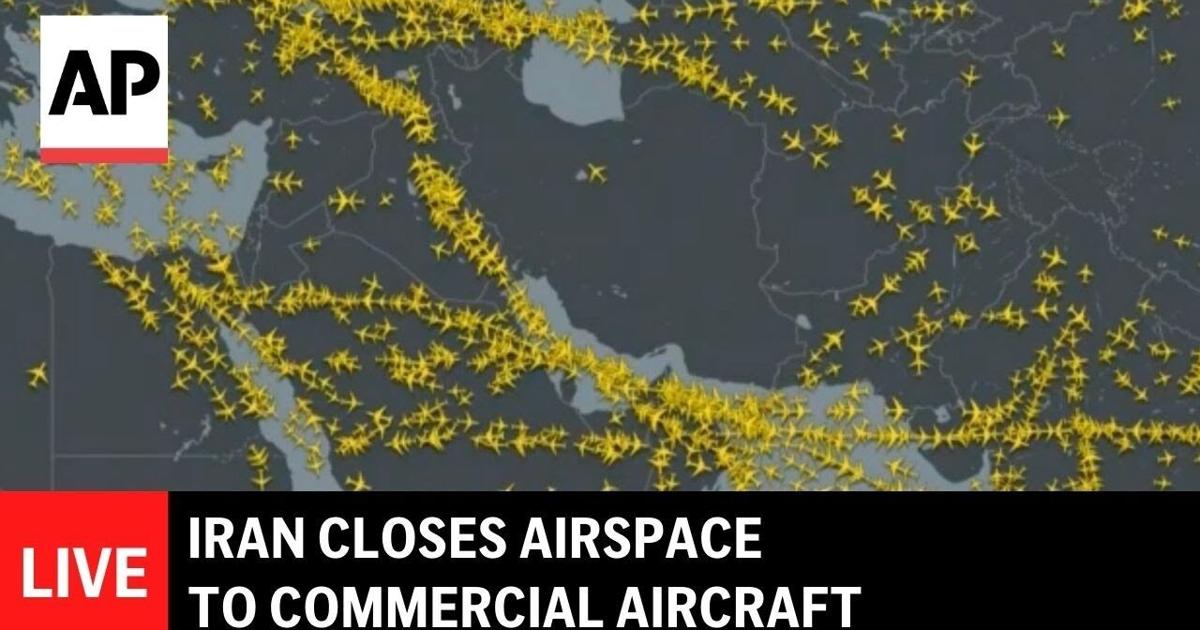
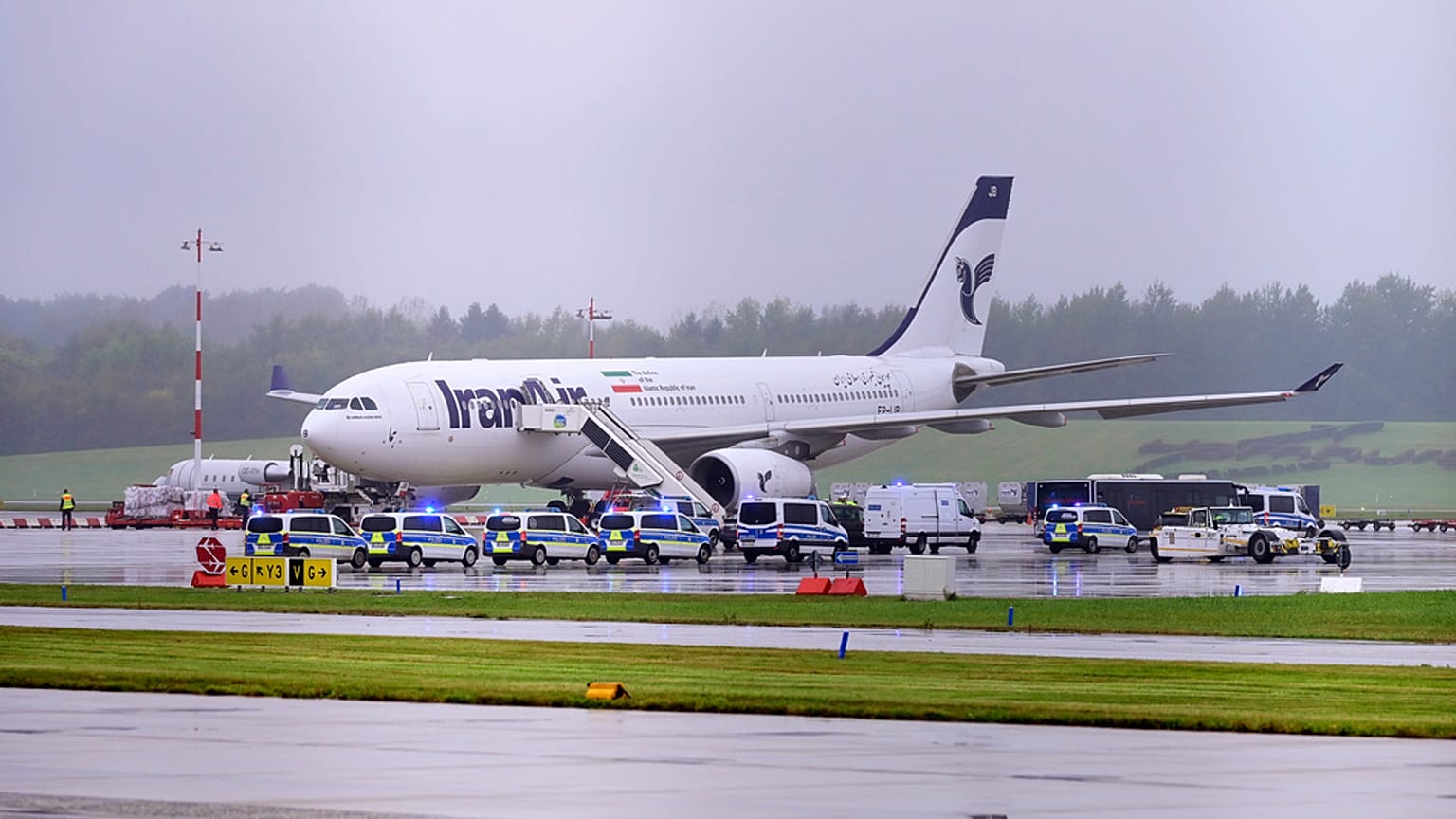
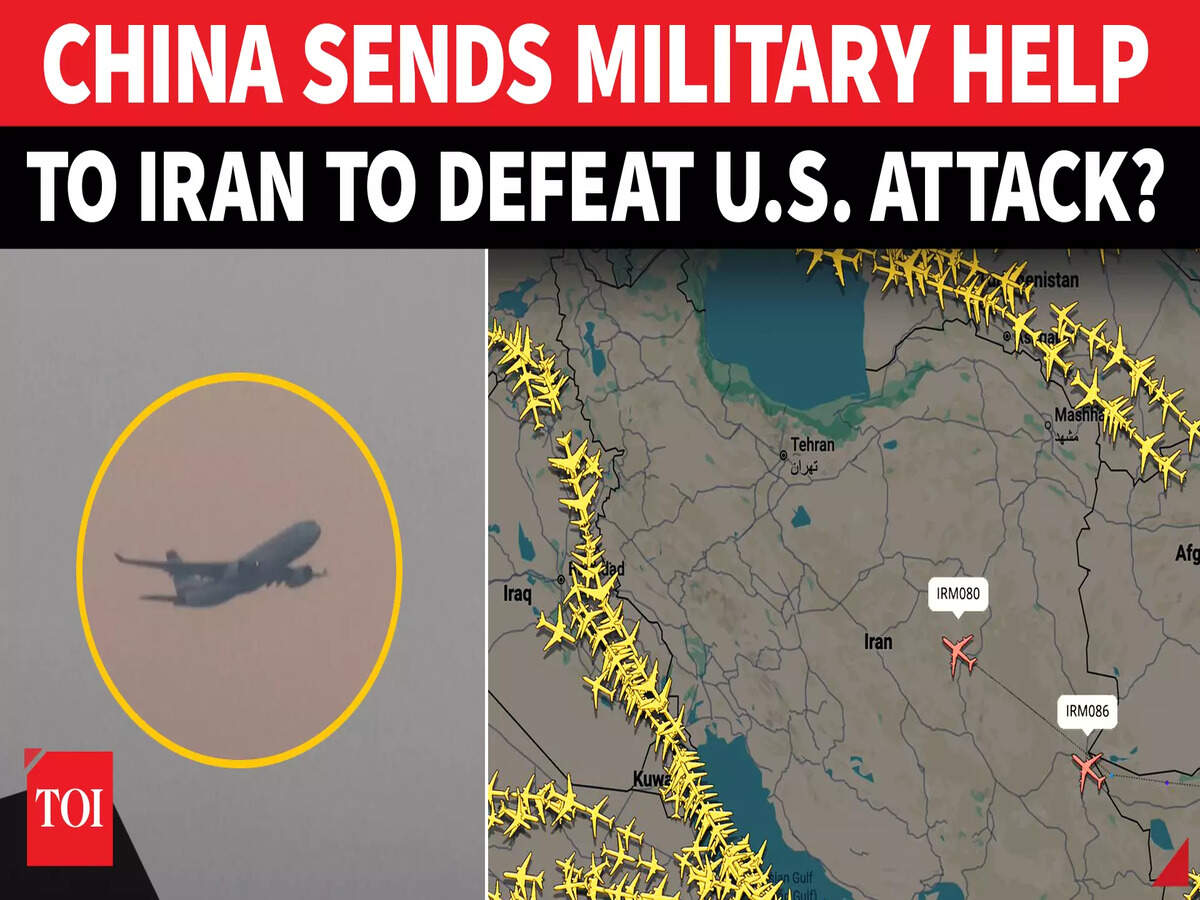
Operational Risk Management: The temporary airspace closure underscores the need for flexible logistics strategies. Sellers with Middle Eastern supply chains must develop contingency plans that include:
- Diversified shipping routes
- Alternative fulfillment networks
- Real-time geopolitical risk monitoring
Market Entry Strategy: Despite current instability, the Middle Eastern e-commerce market remains attractive. The protests reveal underlying economic pressures like inflation and currency devaluation, which create potential market opportunities for sellers offering:
- Essential consumer goods
- Digital products with low logistical dependency
- Value-driven merchandise targeting economic constraints
Competitive Intelligence: The geopolitical landscape suggests a window for sellers who can rapidly adapt to changing market conditions. Early movers who develop resilient, flexible market entry strategies can gain significant competitive advantages in the MENA region.
Sellers should maintain a cautious but proactive approach, continuously monitoring diplomatic developments and maintaining agile operational frameworks that can quickly respond to regional shifts.
Questions 5
Can international sellers still enter the Iranian market?
While challenging, strategic sellers can enter by focusing on digital products, essential goods, and developing highly adaptable market entry strategies that account for geopolitical volatility.
How should sellers manage geopolitical risks in the MENA region?
Implement real-time geopolitical monitoring, maintain flexible logistics networks, develop multiple fulfillment strategies, and create contingency plans for sudden market changes.