





AI Education Tools: Transformative Potential vs Critical Risks
- 74% of Users Leverage AI for Learning, But Cognitive Challenges Emerge





/english-betterindia/media/media_files/2026/01/14/tbi-featured-image-2-2026-01-14-18-07-02.jpg)
















Overview
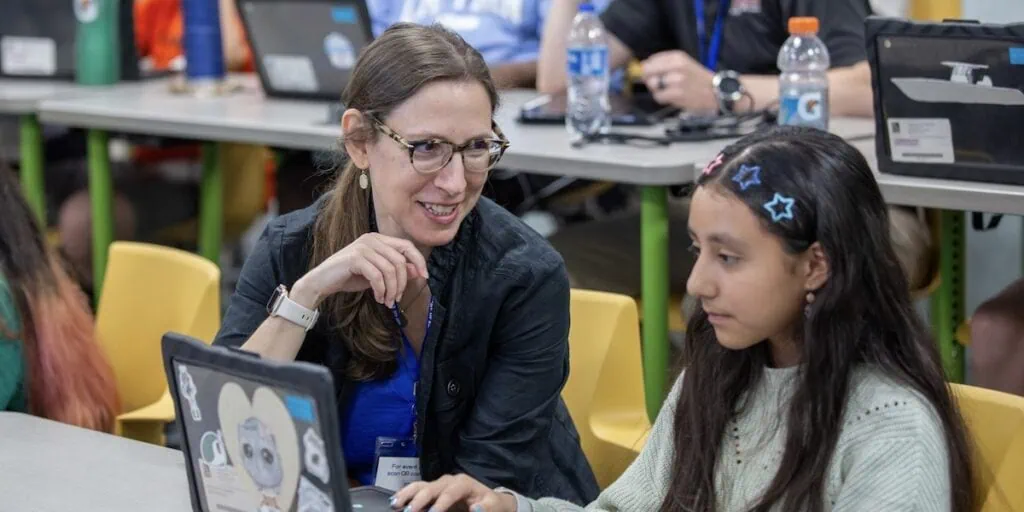
The intersection of AI and education represents a pivotal moment of technological transformation and potential cognitive disruption. Google's comprehensive 'Our Life with AI' survey reveals a dramatic shift in educational technology adoption, with 74% of users now leveraging AI for learning purposes across 21 countries. This unprecedented integration spans multiple stakeholder groups: 85% of students use AI for schoolwork, 81% of teachers utilize AI tools, and 76% of parents engage with AI for learning and career exploration.
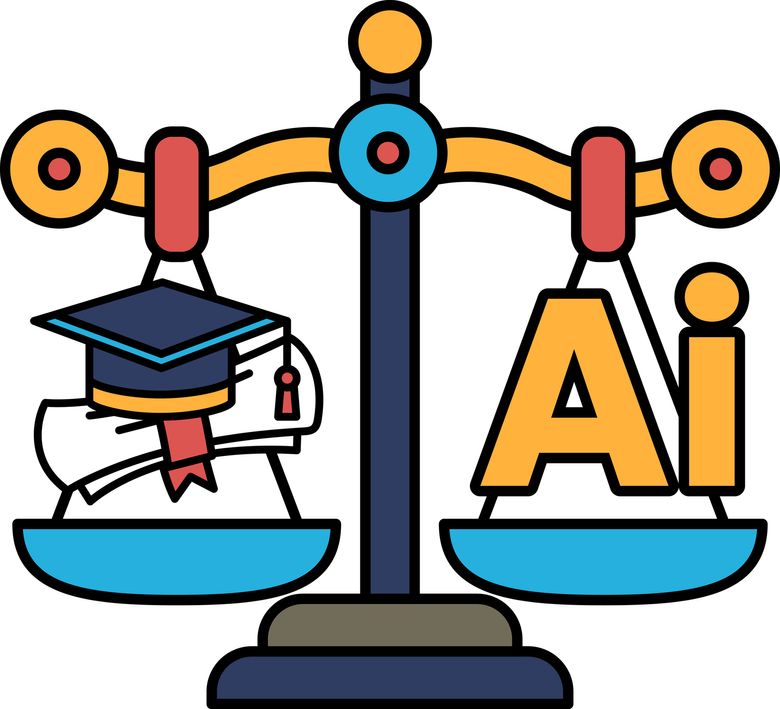
The educational AI landscape presents a complex dual narrative of opportunity and risk. While AI tools demonstrate remarkable potential for personalized learning—with 78% of students using AI to understand complex topics and teachers saving an average of 10 hours weekly—the Brookings Institution's research sounds a critical warning. The study highlights emerging "cognitive debt" where students increasingly rely on AI, potentially undermining fundamental critical thinking and problem-solving skills. Particularly alarming is the trend of "cognitive atrophy," with measurable declines in reading comprehension, writing originality, and sustained attention spans.
For e-commerce and EdTech entrepreneurs, this represents a significant market opportunity with substantial challenges. The global education technology market must now focus on developing AI tools that challenge rather than replace human cognitive processes. Emerging markets like South Korea, Japan, and Singapore are leading this transformation, with 63% believing AI can improve student outcomes. The key strategic imperative is creating AI platforms that enhance rather than replace human learning capabilities, prioritizing cognitive development, mental health, and genuine curiosity.
Stakeholders must adopt a proactive "Prosper, Prepare, Protect" framework, implementing comprehensive AI literacy programs, establishing robust regulatory guidelines, and designing collaborative educational technology ecosystems that maintain human agency while leveraging AI's transformative potential.
Questions 5
Which regions are most optimistic about AI in education?
Emerging markets like South Korea, Japan, and Singapore show the highest optimism, with 63% believing AI can improve student outcomes. These regions view AI as a tool for personalized, adaptive learning experiences.
What are the primary risks of AI in education?
Key risks include cognitive atrophy, reduced critical thinking skills, declining reading comprehension, and potential over-reliance on AI tools. The Brookings study warns of 'cognitive debt' where students might lose essential problem-solving capabilities.