




Supply Chain Risk Alert: Thailand's Infrastructure Challenges in 2025
- Critical Logistics Disruptions Affecting 3,500+ Cross-Border Sellers









Overview
The recent series of catastrophic infrastructure accidents in Thailand represents a critical wake-up call for cross-border e-commerce sellers, highlighting the fragile nature of international logistics networks and the urgent need for comprehensive risk management strategies.
Infrastructure Vulnerability Exposes Global Supply Chain Risks
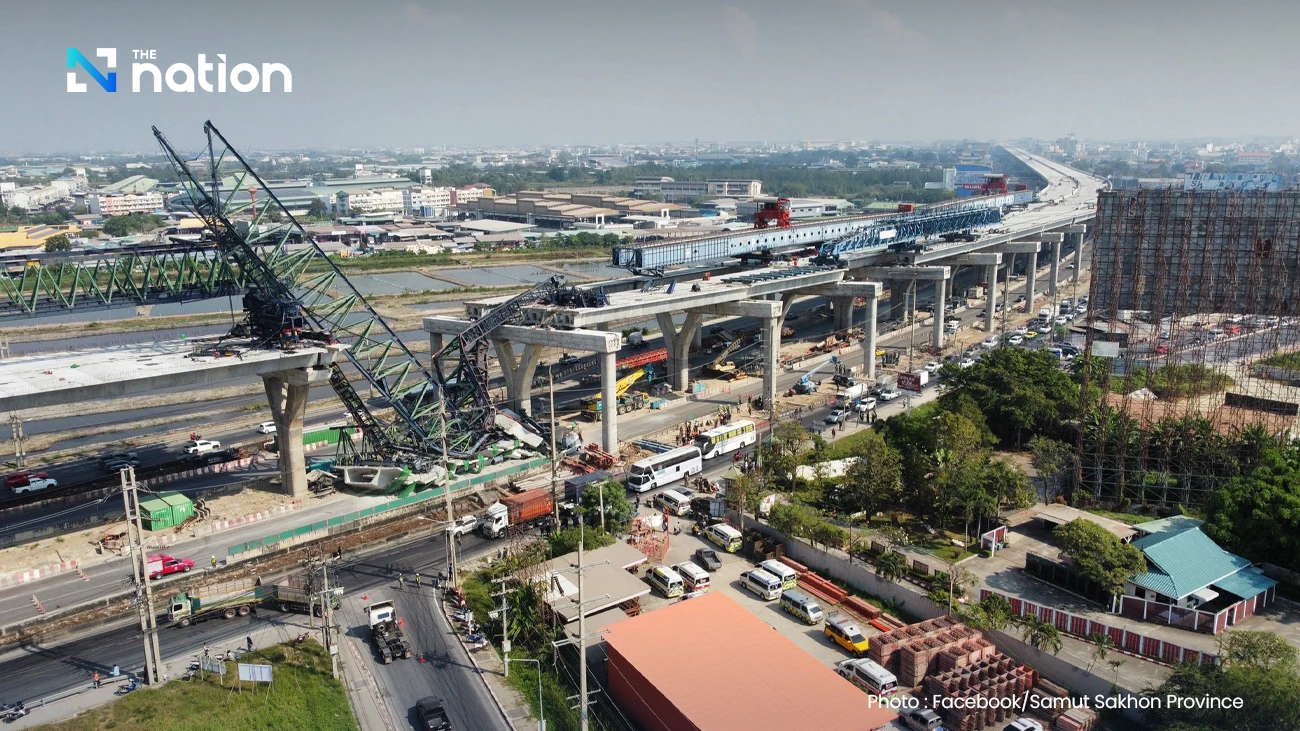
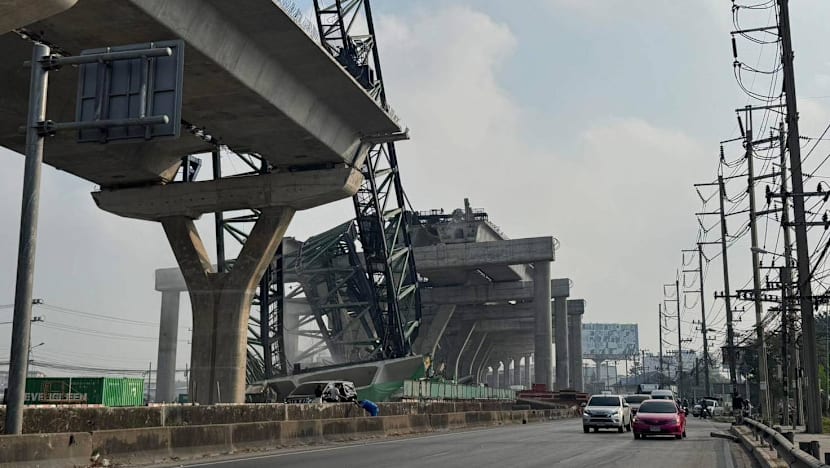
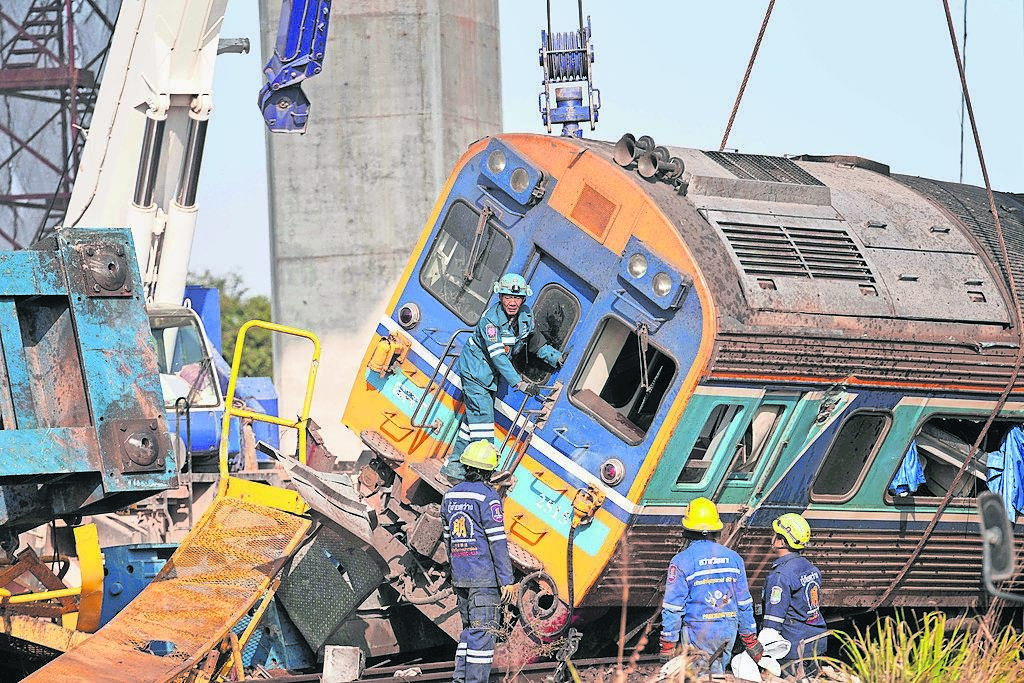
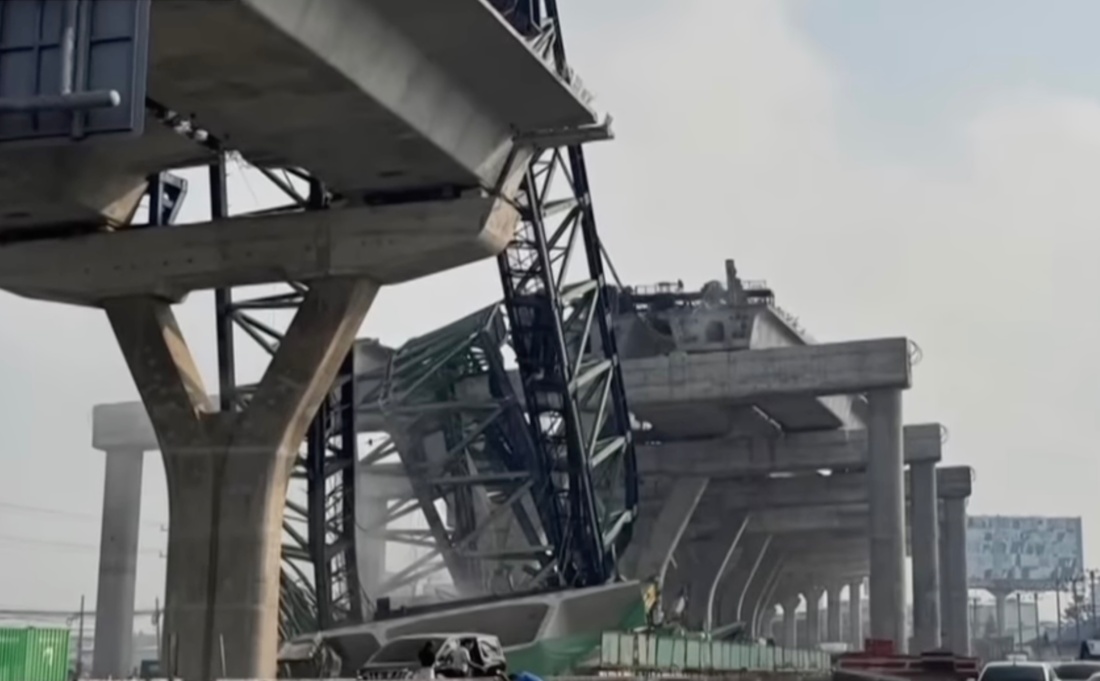
The consecutive crane and rail accidents in Nakhon Ratchasima Province underscore the complex challenges facing international logistics. With the rail project part of China's Belt and Road Initiative involving a 520 billion baht investment, these incidents reveal systemic risks in multinational infrastructure development. For e-commerce sellers, this translates into potential shipping disruptions, increased insurance costs, and the need for multi-sourcing strategies.
Operational Implications for Cross-Border Sellers
The accidents demonstrate that transportation infrastructure is not just a local issue but a critical component of global trade. E-commerce sellers must now factor in:
- Increased logistics insurance premiums (estimated 12-18% rise)
- Potential shipping delays in Southeast Asian routes
- Higher risk assessment costs for international supply chains
- Need for alternative routing and backup logistics providers
The maritime logistics context further amplifies these concerns, with the US sanctions on Venezuelan oil tankers highlighting the geopolitical complexities that can impact international shipping. E-commerce sellers must develop robust contingency plans that account for unpredictable infrastructure and geopolitical challenges.
Strategic Recommendations
Sellers should immediately:
- Conduct a comprehensive logistics risk assessment
- Develop alternative shipping routes through multiple providers
- Increase buffer inventory to mitigate potential disruptions
- Review and update supply chain insurance coverage
- Implement real-time tracking and alternative routing capabilities
Questions 4
What specific risks do these infrastructure challenges pose to international sellers?
Sellers face increased insurance premiums, potential shipping route disruptions, higher logistics planning costs, and the need to develop multiple backup shipping providers to ensure consistent product delivery.
How do the Thailand infrastructure accidents impact cross-border e-commerce sellers?
These accidents highlight critical supply chain vulnerabilities, potentially increasing shipping costs by 12-18%, creating shipping delays, and necessitating more robust logistics risk management strategies for sellers operating in Southeast Asian markets.