


Food Hall Revolution: Retail Adaptation in Post-Pandemic Markets
- Impacts 45+ Local Vendors Across Chicago and Boston Locations










Overview
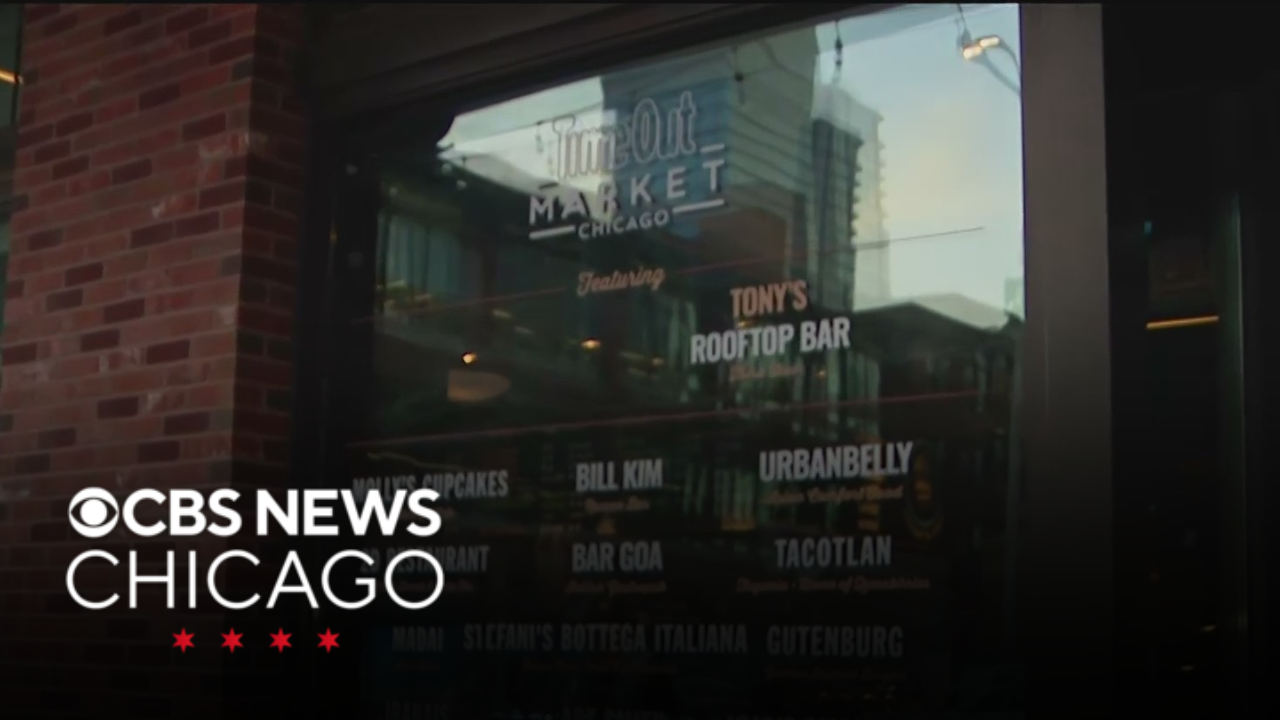
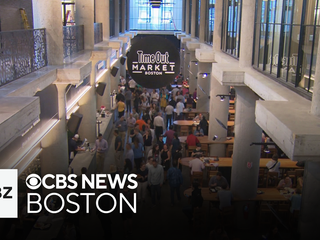
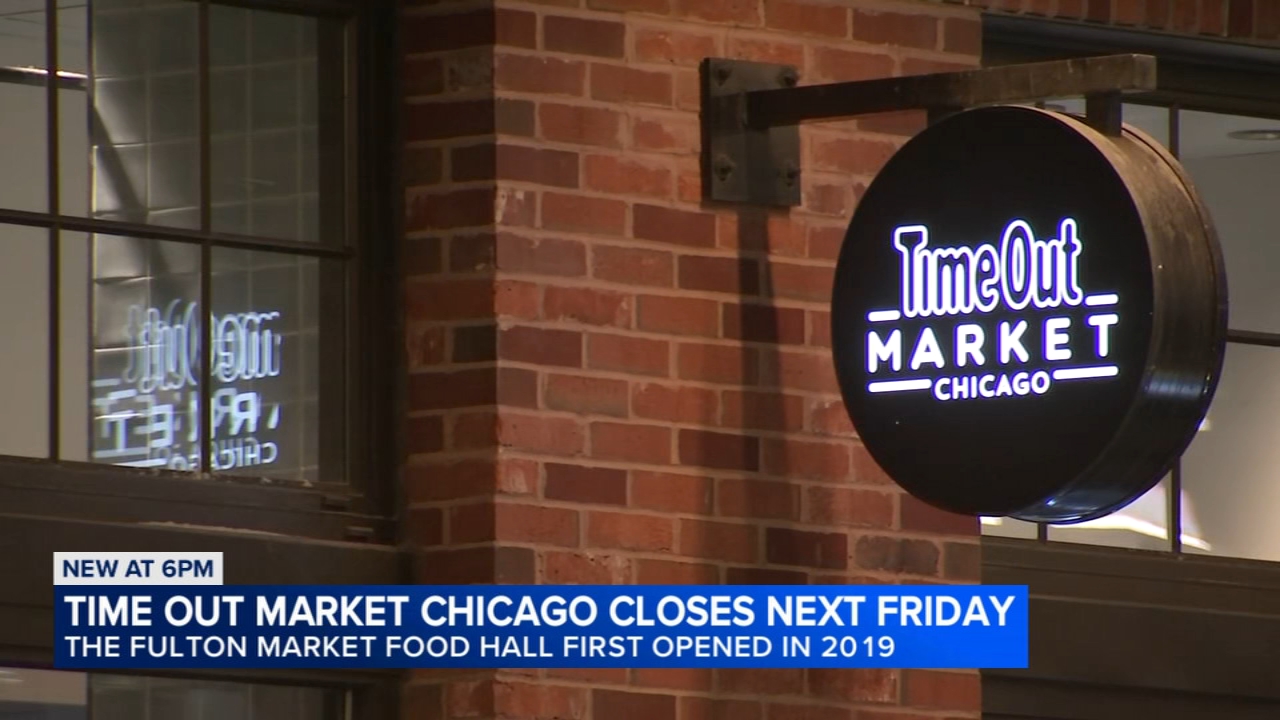
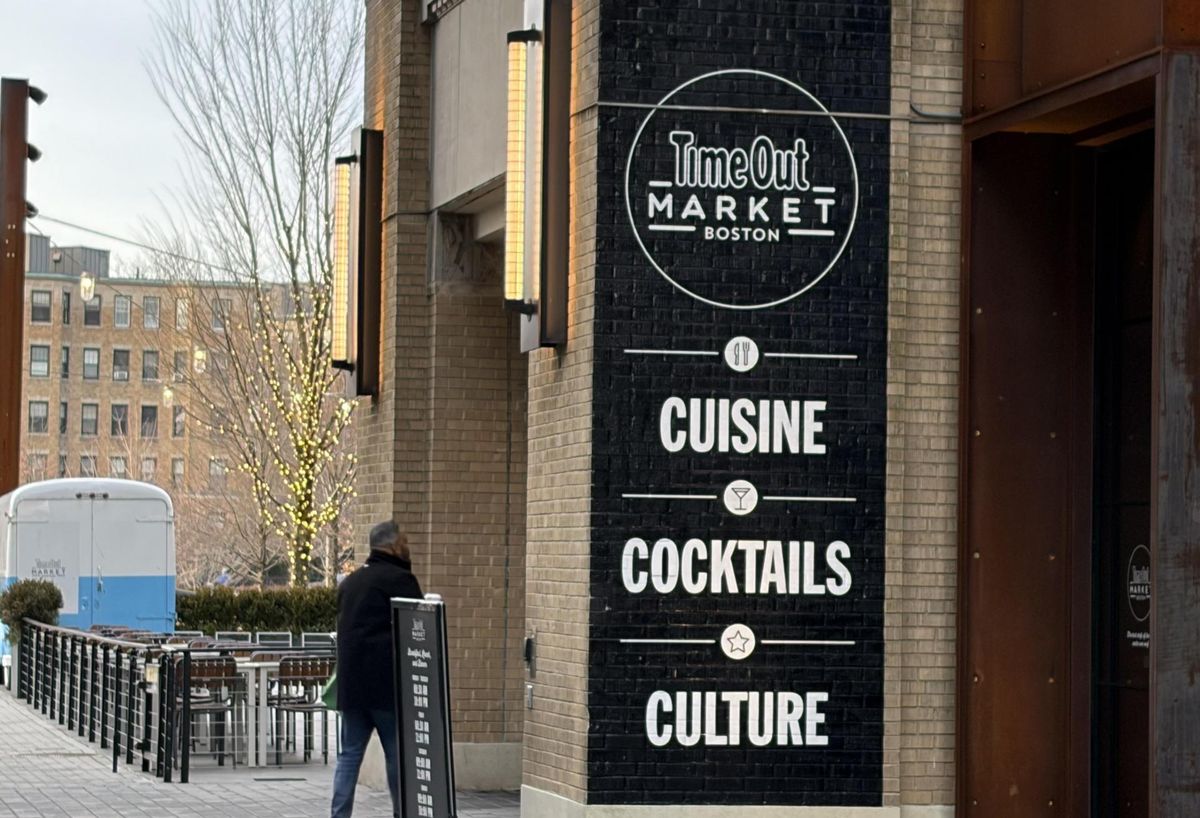
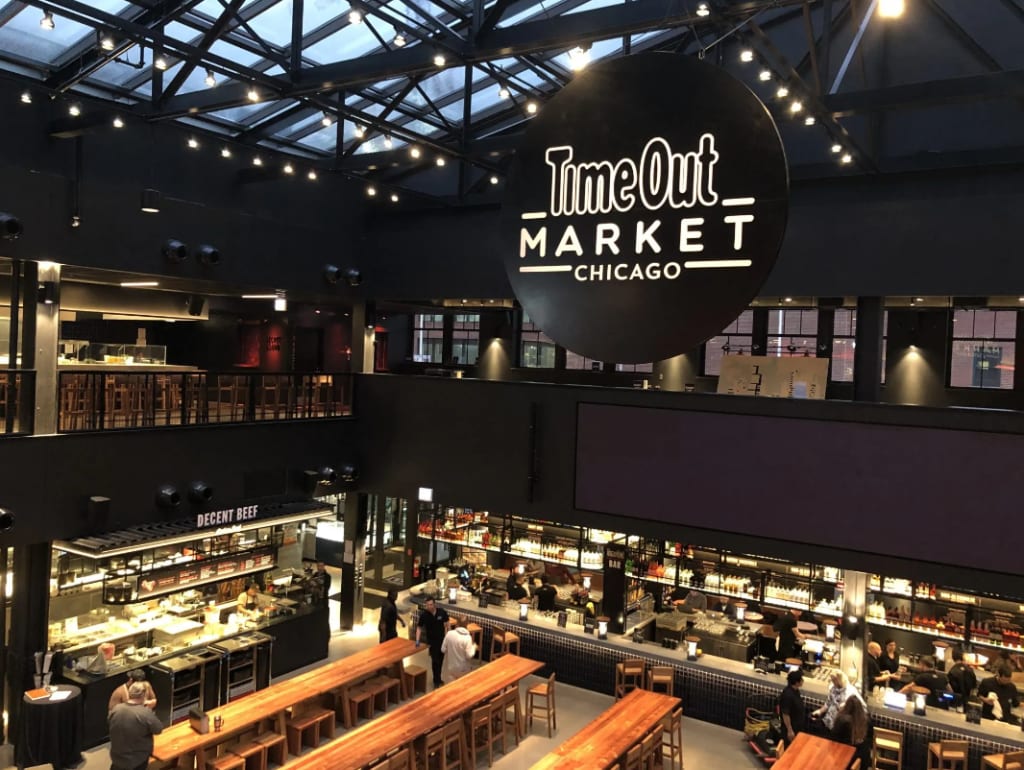
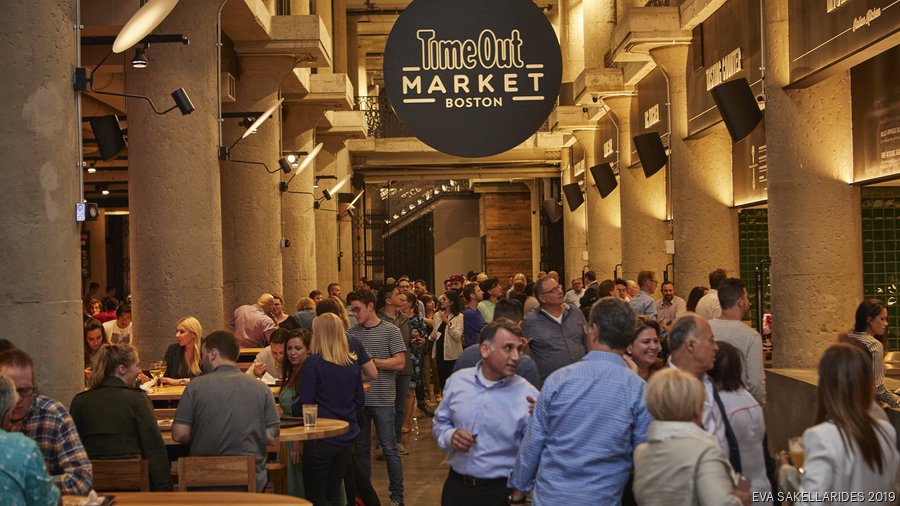
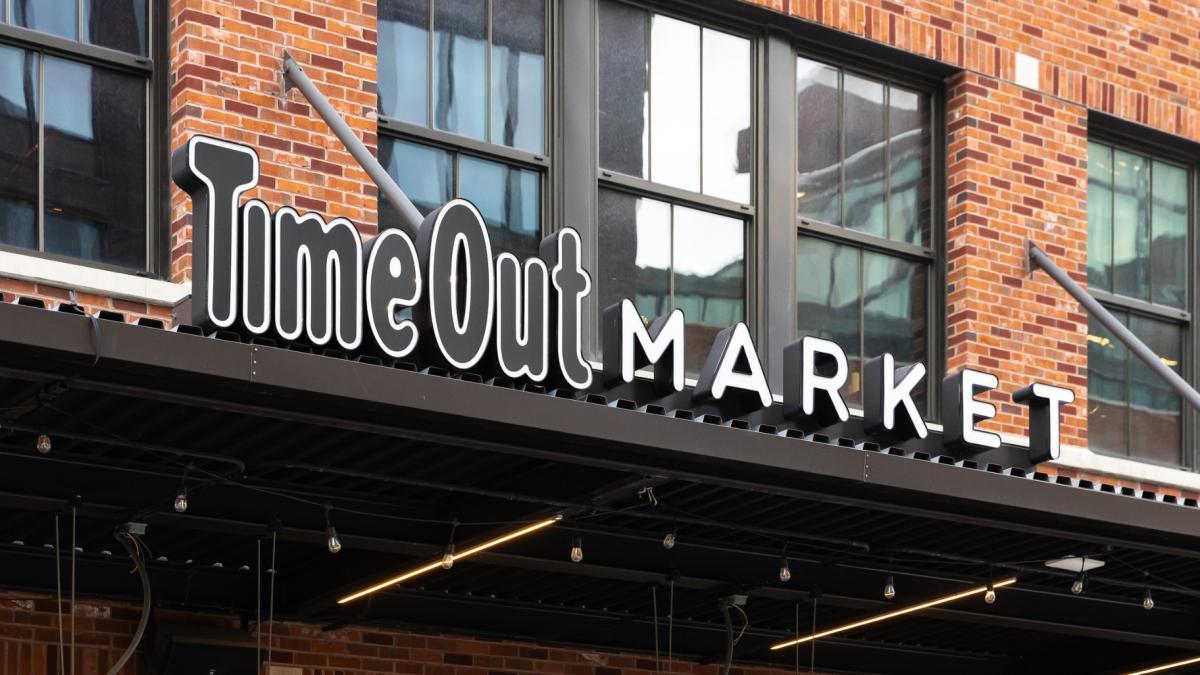
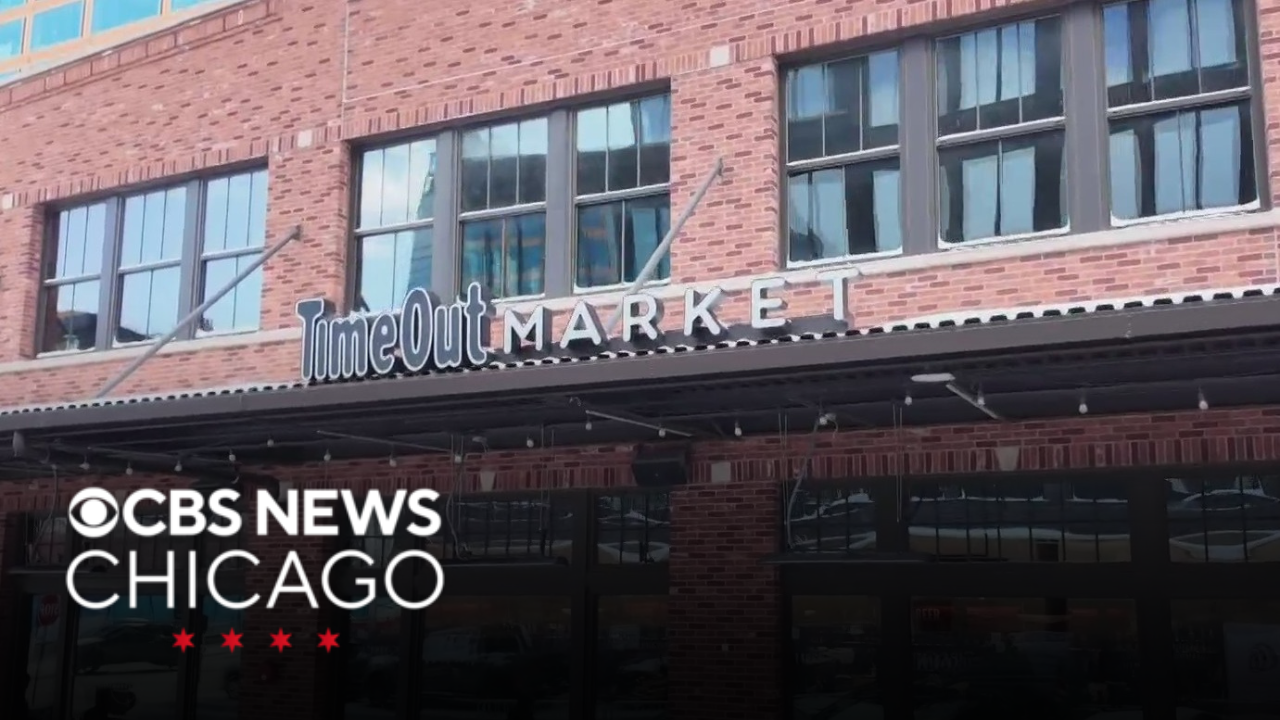
The closure of Time Out Market locations in Chicago and Boston represents a critical inflection point for urban retail and food service ecosystems, revealing profound shifts in consumer behavior, workspace dynamics, and experiential commerce strategies.
Post-Pandemic Retail Transformation is dramatically reshaping physical marketplace concepts. Time Out Market's strategic retreats in multiple cities highlight the challenging economic landscape facing innovative culinary destinations. The closures stem from three critical disruptions: inconsistent foot traffic driven by hybrid work models, escalating operational costs, and fundamentally altered urban consumption patterns.
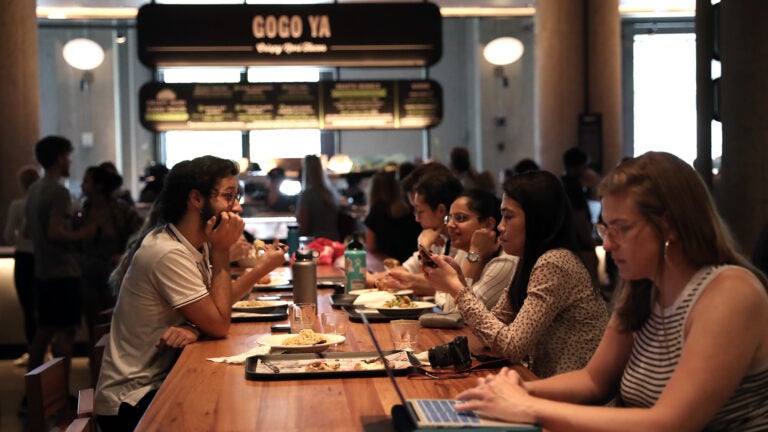
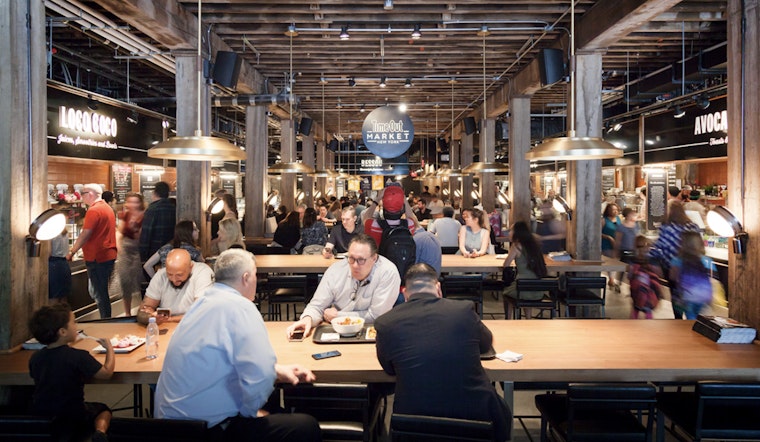
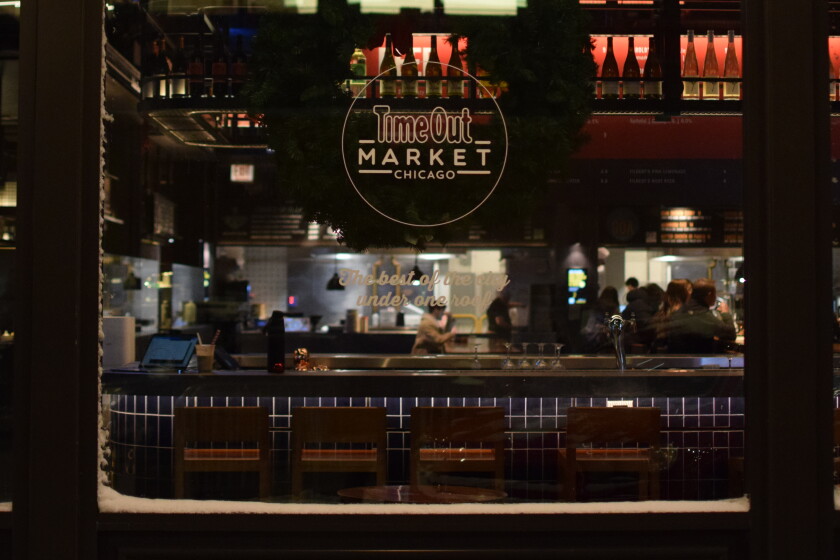
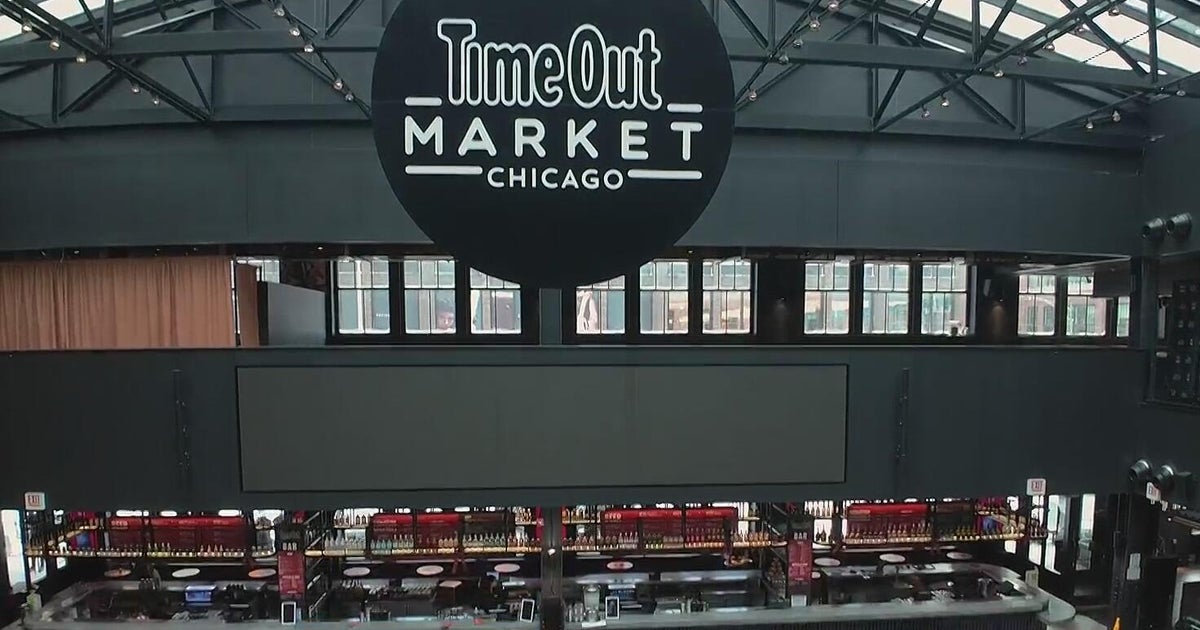
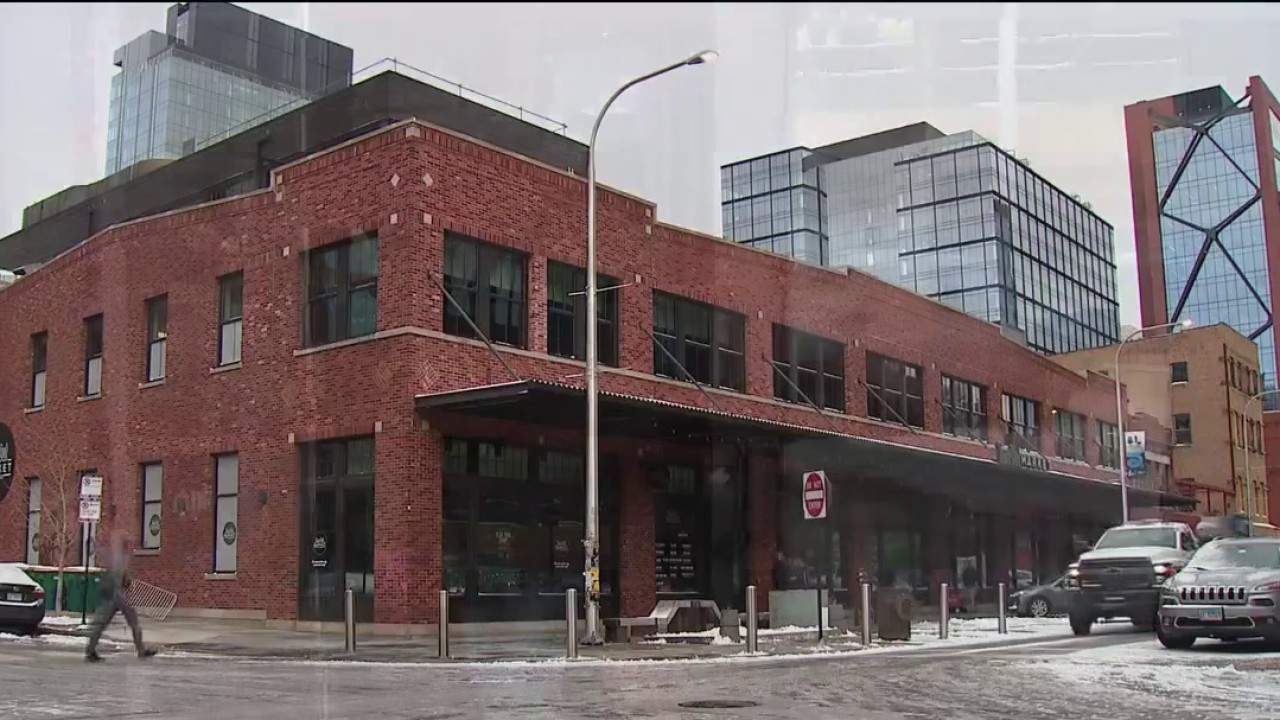
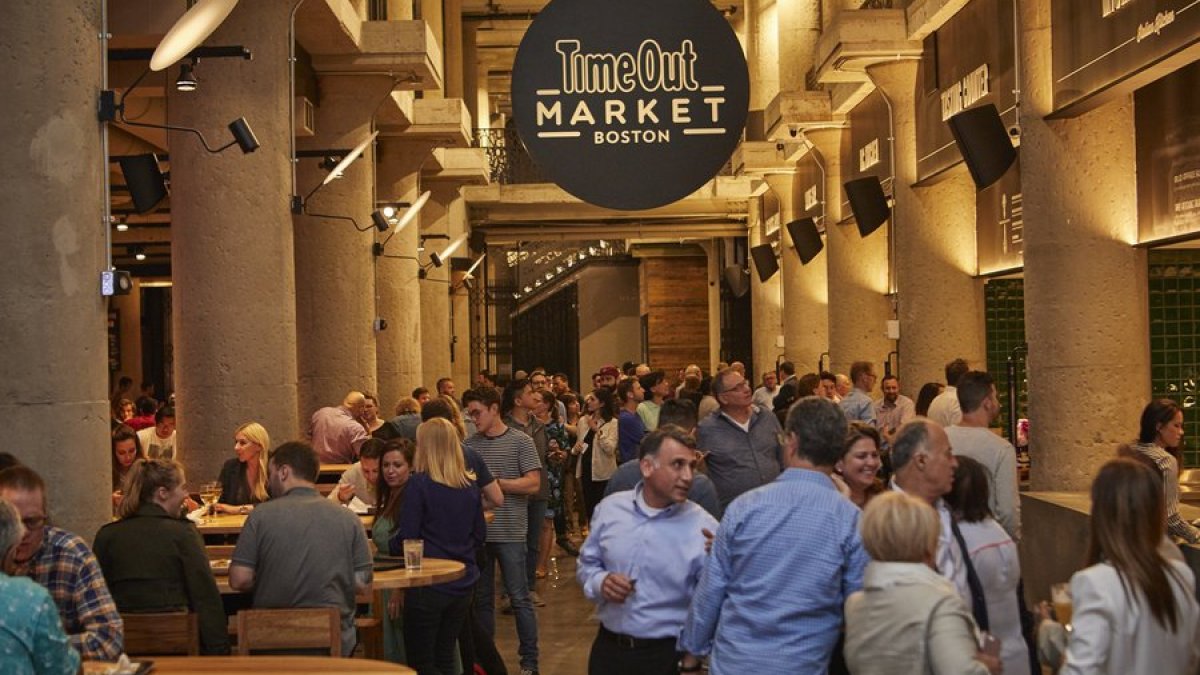
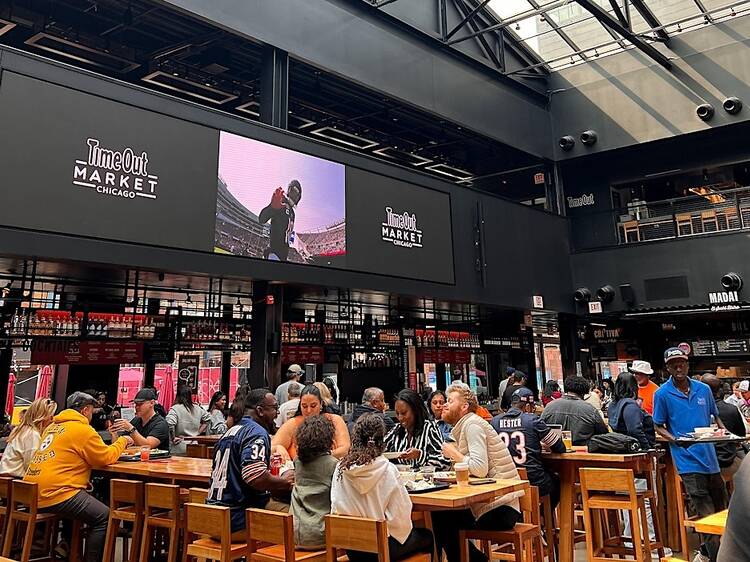
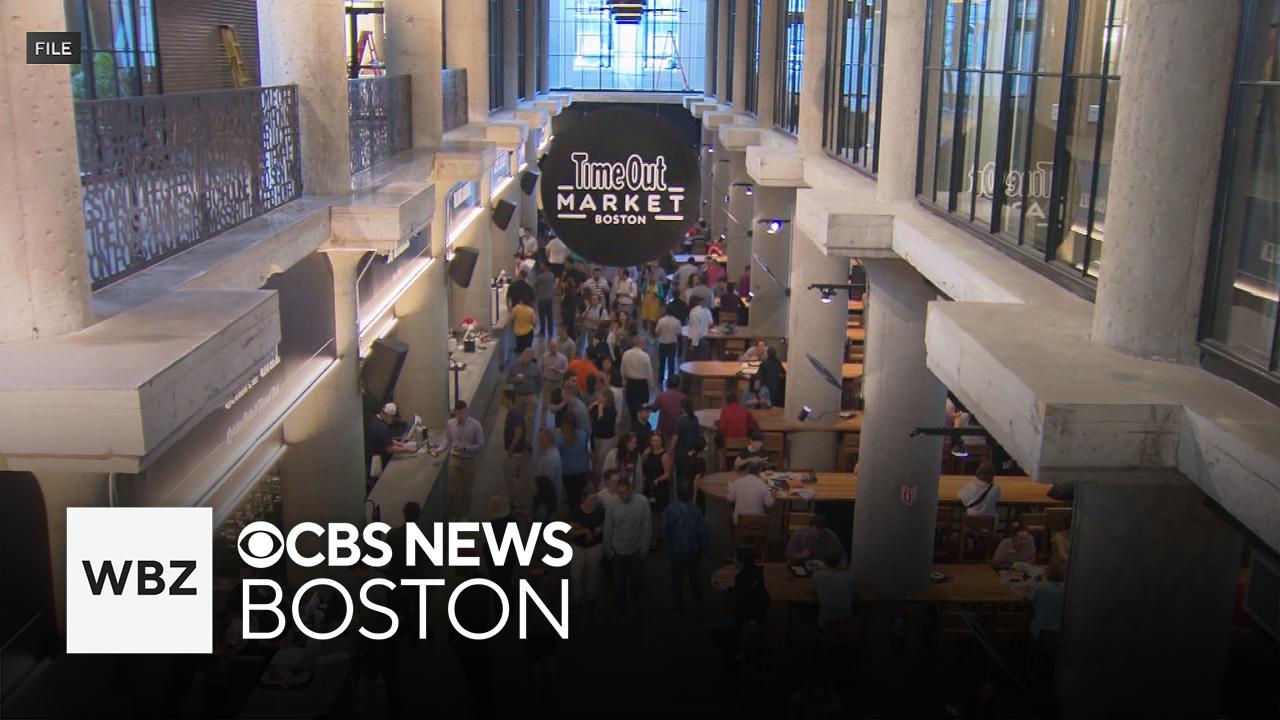
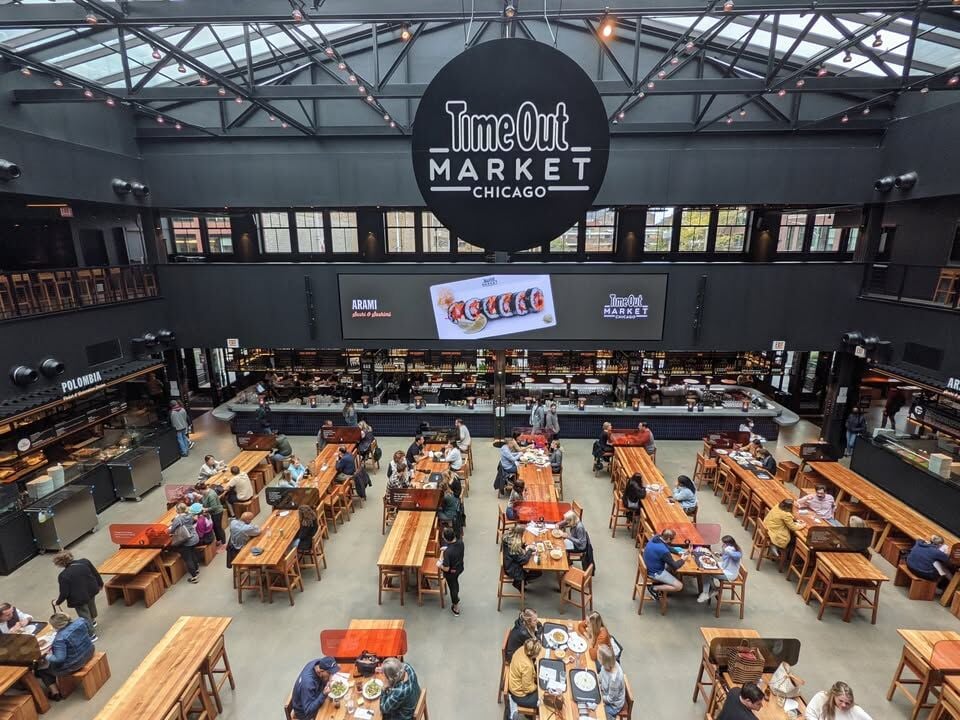
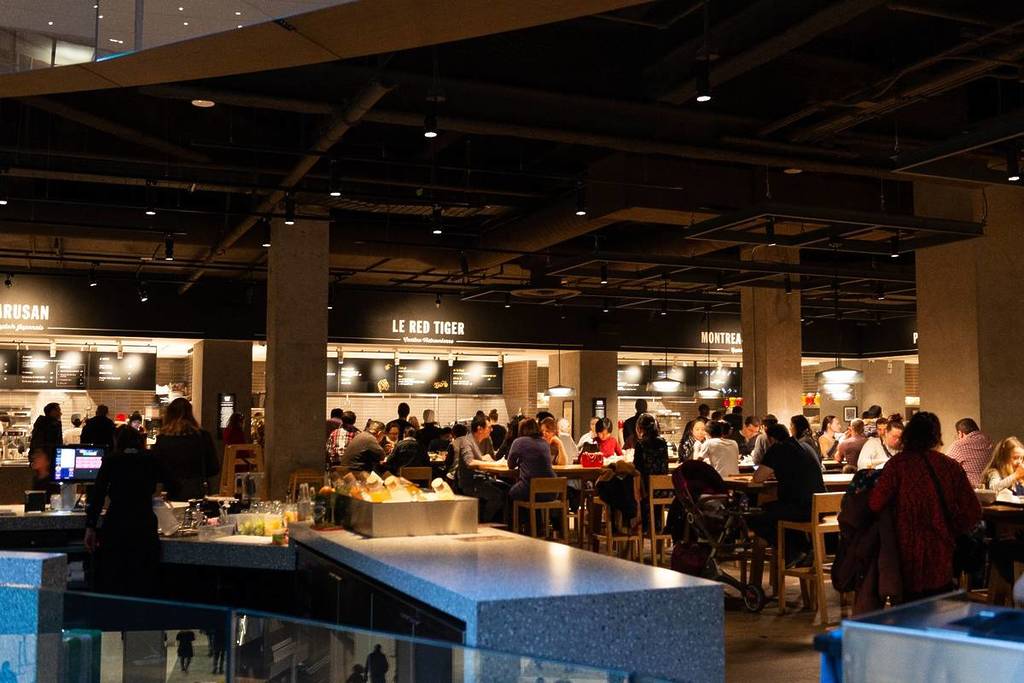
Key Operational Insights emerge from these closures. The Time Out Market model—aggregating 15-17 local food vendors under one roof—proved unsustainable in the current economic environment. Factors like reduced downtown office populations, increased remote work, and higher commercial real estate expenses have rendered traditional food hall concepts financially precarious. Each location (Chicago's Fulton Market, Boston's Fenway) represents a microcosm of broader urban commercial recalibration.
E-Commerce and Offline Retail Convergence becomes evident through these transitions. While physical locations close, digital media brands like Time Out Chicago continue operating, signaling a strategic pivot towards digital engagement. For cross-border sellers and marketplace operators, this represents a critical signal: physical retail must become more adaptive, technology-integrated, and experience-driven to survive.
Sellers should recognize this as a moment of strategic reimagination—not decline. The closure doesn't indicate market contraction, but rather an evolutionary moment demanding more dynamic, flexible retail approaches that seamlessly blend digital discovery with curated physical experiences.
Questions 5
Why are food halls like Time Out Market struggling in 2024?
Food halls face challenges from hybrid work models reducing downtown foot traffic, higher operational costs, and changed consumer dining preferences. The pandemic accelerated remote work trends, making centralized food destinations less economically viable.
What opportunities exist for entrepreneurs in this changing landscape?
Entrepreneurs can explore pop-up restaurant concepts, virtual brand development, technology-enabled dining experiences, and creating more adaptable, lower-overhead culinary spaces that respond quickly to market demands.