


Retail Transformation: Food Hall Closures Signal E-Commerce Pivot
- 3 Markets Shut Down, Revealing Post-Pandemic Retail Adaptation Strategies










Overview
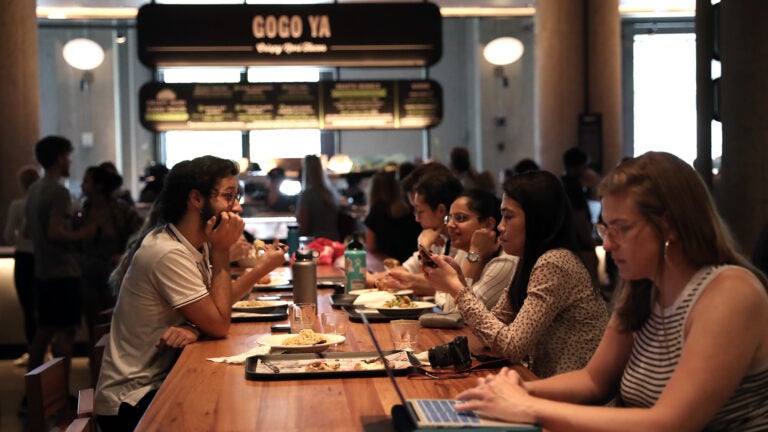
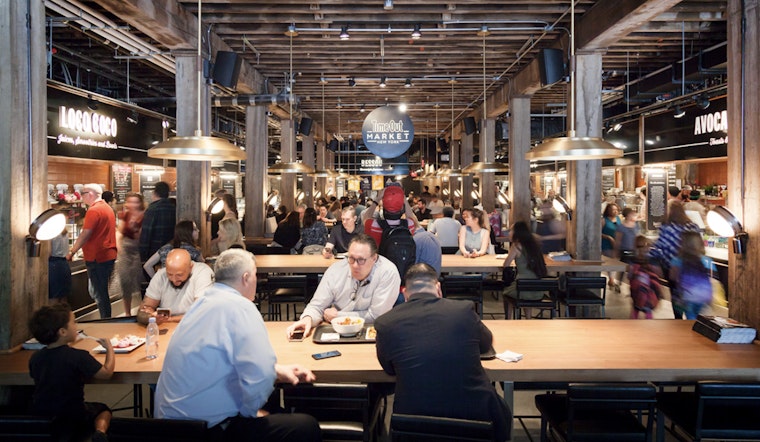
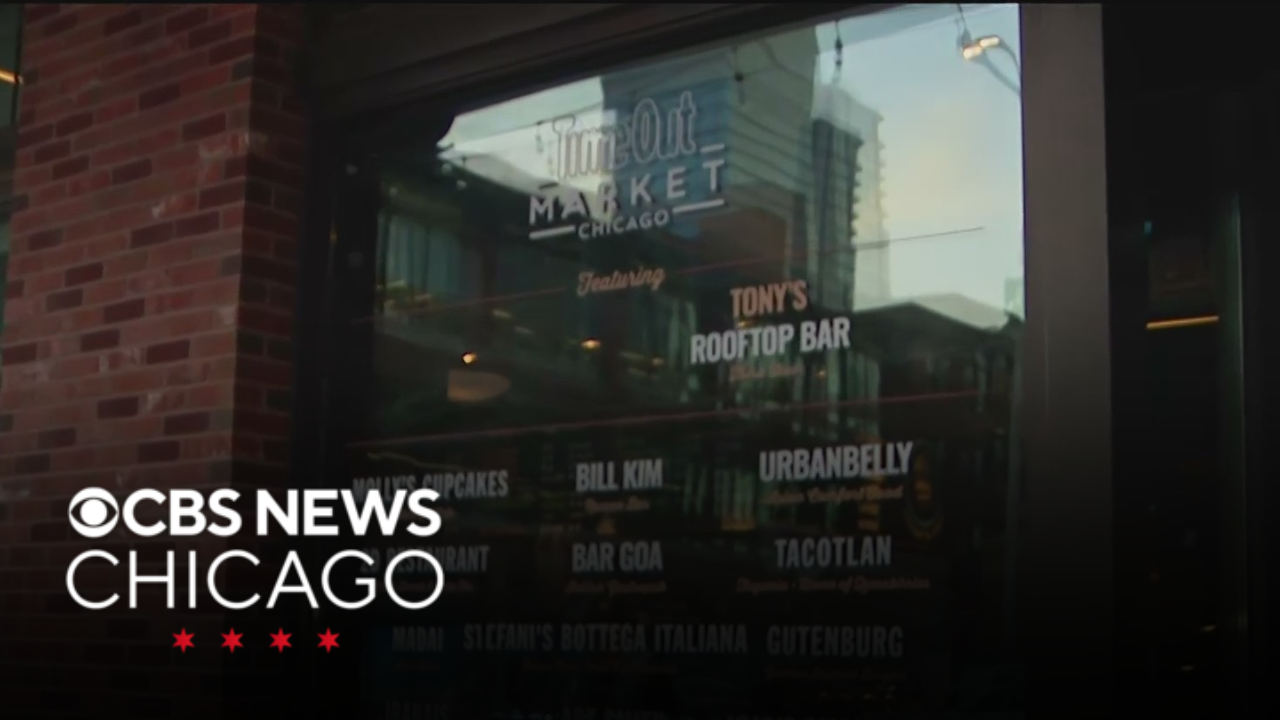
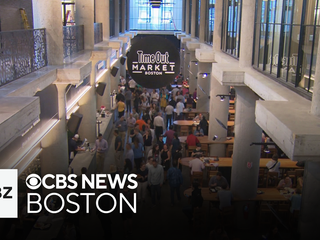
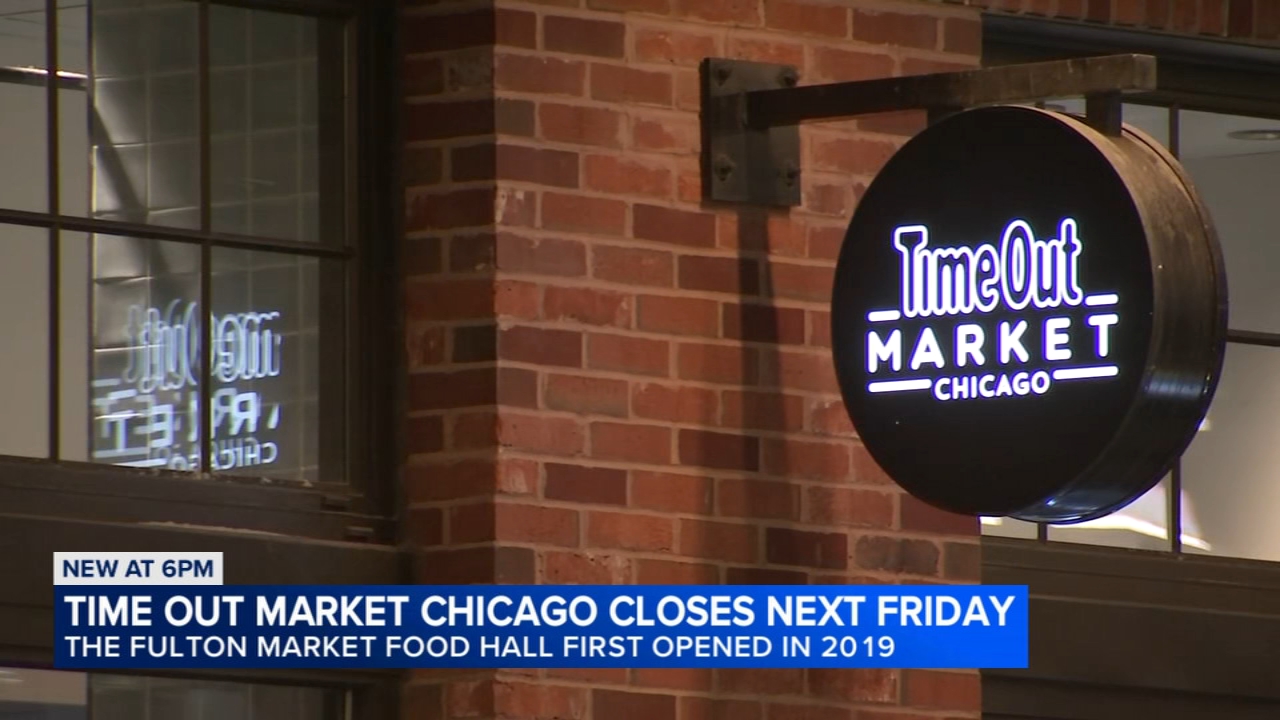
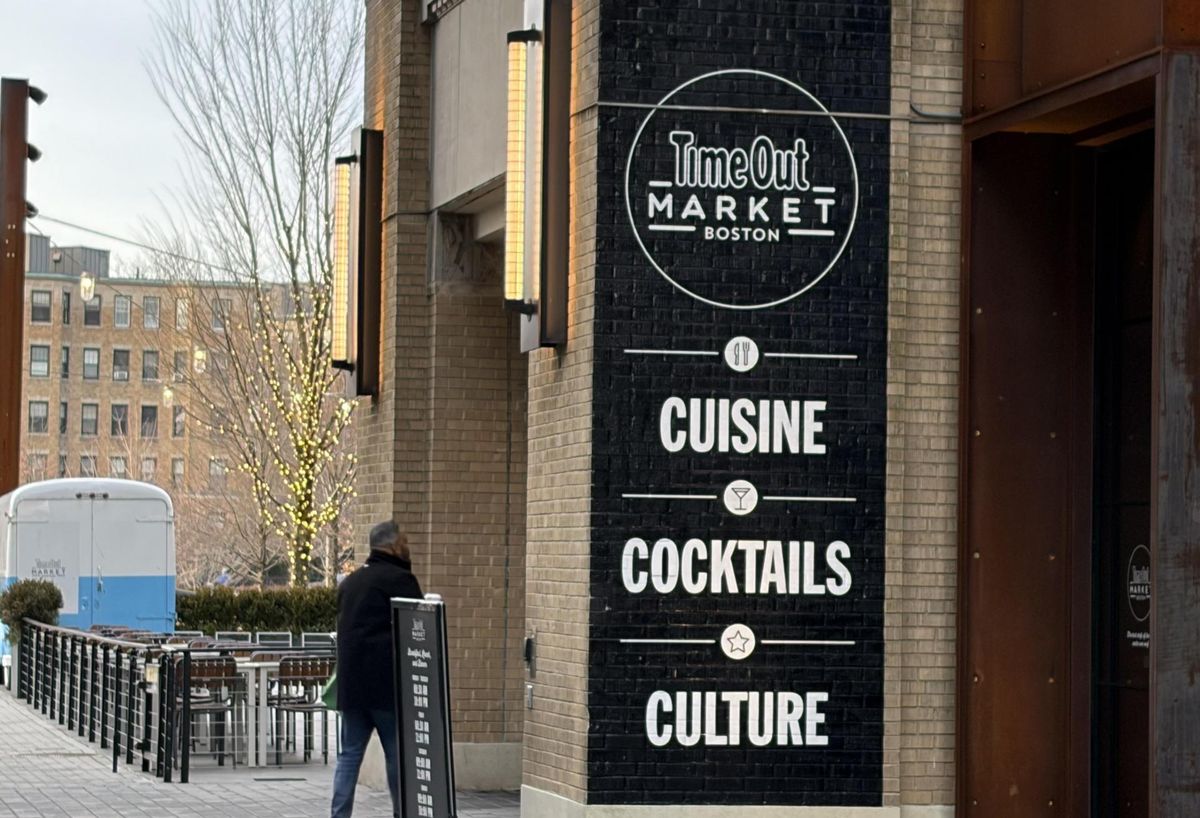
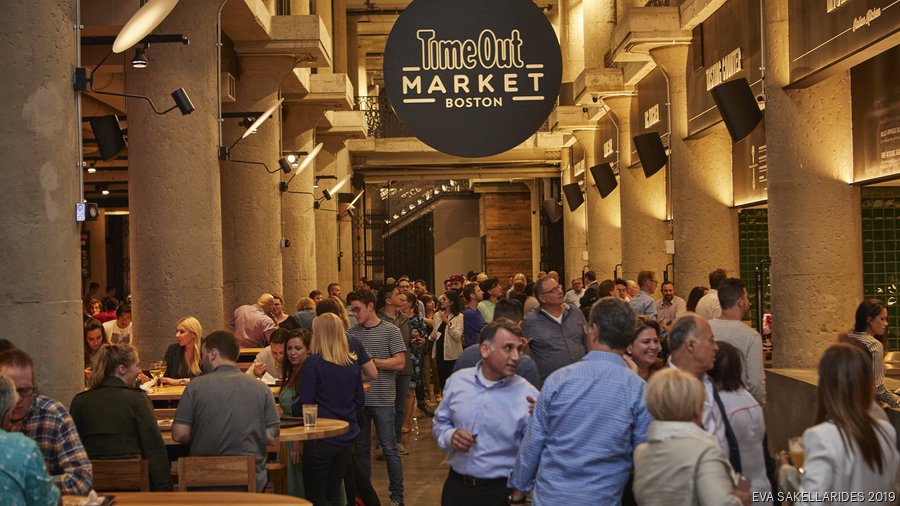
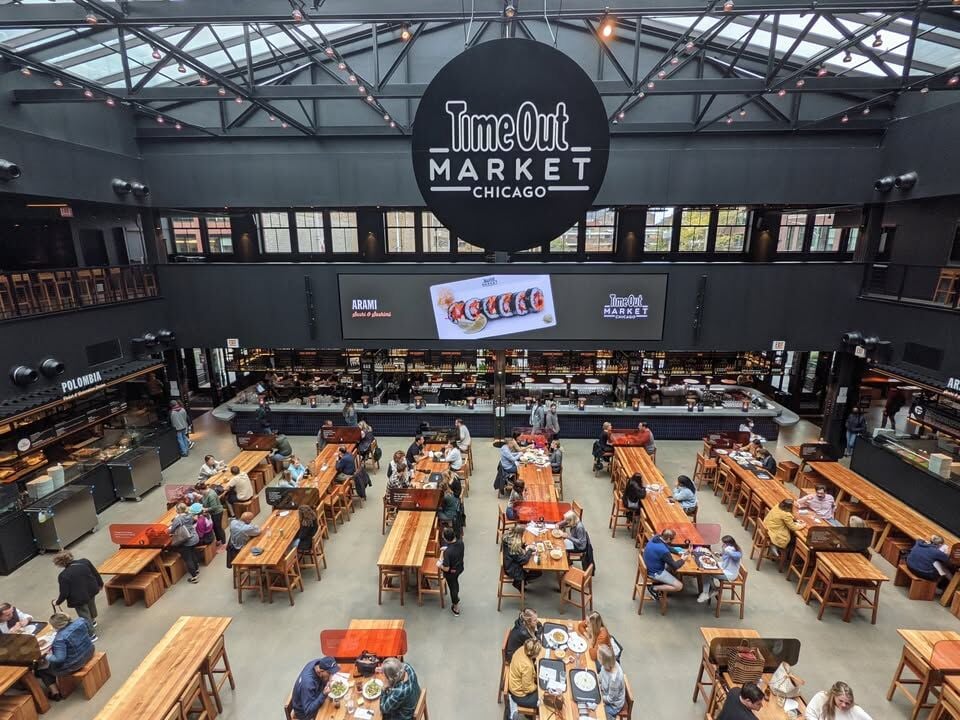
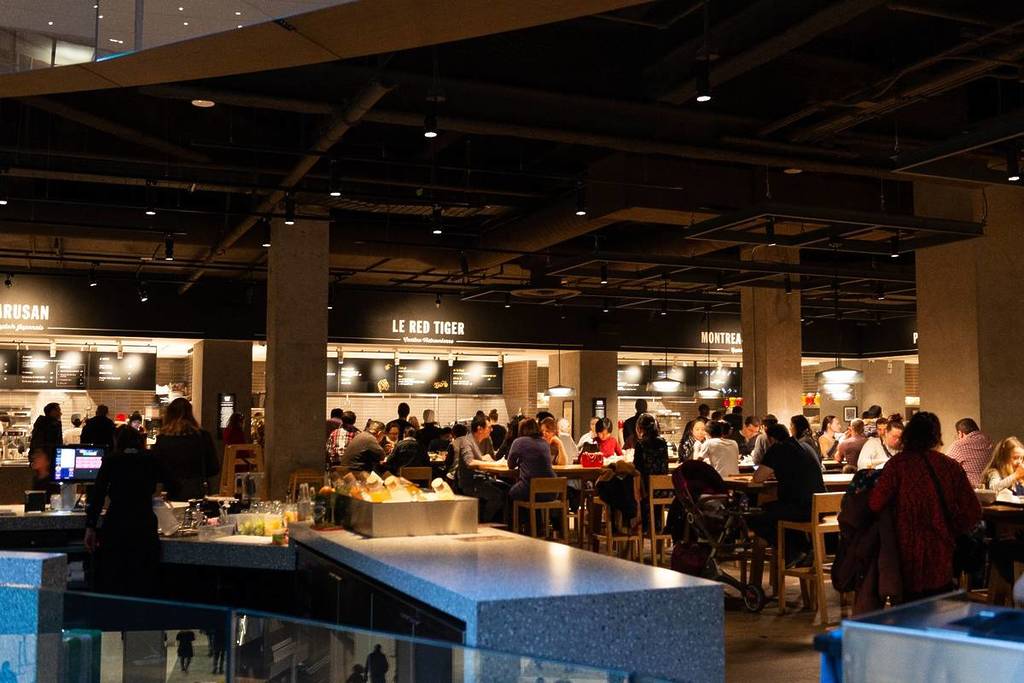
The closure of Time Out Market locations in Chicago and Boston represents a critical inflection point for physical retail, especially in the food and hospitality sectors. Hybrid work models are fundamentally reshaping urban commercial spaces, with traditional food halls struggling to maintain consistent foot traffic and profitability.
Key Strategic Insights for Cross-Border Sellers: The Time Out Market closures reveal broader trends that e-commerce entrepreneurs must understand. Post-pandemic consumer behavior demonstrates a significant shift towards digital experiences and flexible consumption models. The markets' inability to sustain operations highlights the importance of adaptable business strategies that can quickly pivot between physical and digital channels.
Operational Implications:
- Physical retail now requires hyper-targeted, experience-driven approaches
- Diversification across online and offline channels is critical
- Lower-overhead digital platforms offer more resilience than fixed-location businesses
The closures in Chicago (Fulton Market) and Boston (Fenway) underscore a broader economic recalibration. With 15-17 local vendors per market losing their primary sales channel, this trend signals an urgent need for small businesses to develop robust online sales strategies. E-commerce platforms like Amazon, Shopify, and regional marketplaces offer alternative revenue streams that can mitigate physical retail risks.
Seller Opportunities:
- Develop omnichannel sales strategies
- Invest in digital marketing and direct-to-consumer platforms
- Create flexible, low-overhead business models
- Leverage local brand stories in online marketing narratives
Questions 4
What are the key indicators of successful post-pandemic retail adaptation?
Successful retail adaptation involves flexible business models, strong digital infrastructure, omnichannel sales strategies, data-driven consumer insights, and the ability to quickly pivot between physical and digital sales channels.
How can e-commerce sellers capitalize on the food hall closure trend?
Sellers can identify emerging market gaps, develop specialized food products for online sales, create digital brand experiences that replace physical interactions, and target consumers seeking convenient, high-quality culinary options through digital platforms.