


Women's Champions League: A Strategic Battlefield of European Football Talent
- Emerging Competitive Dynamics Reshape Women's International Soccer Tournaments


















Overview
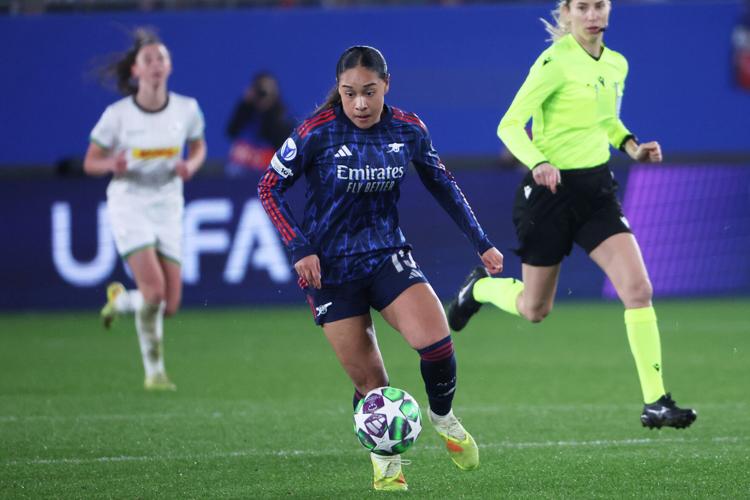
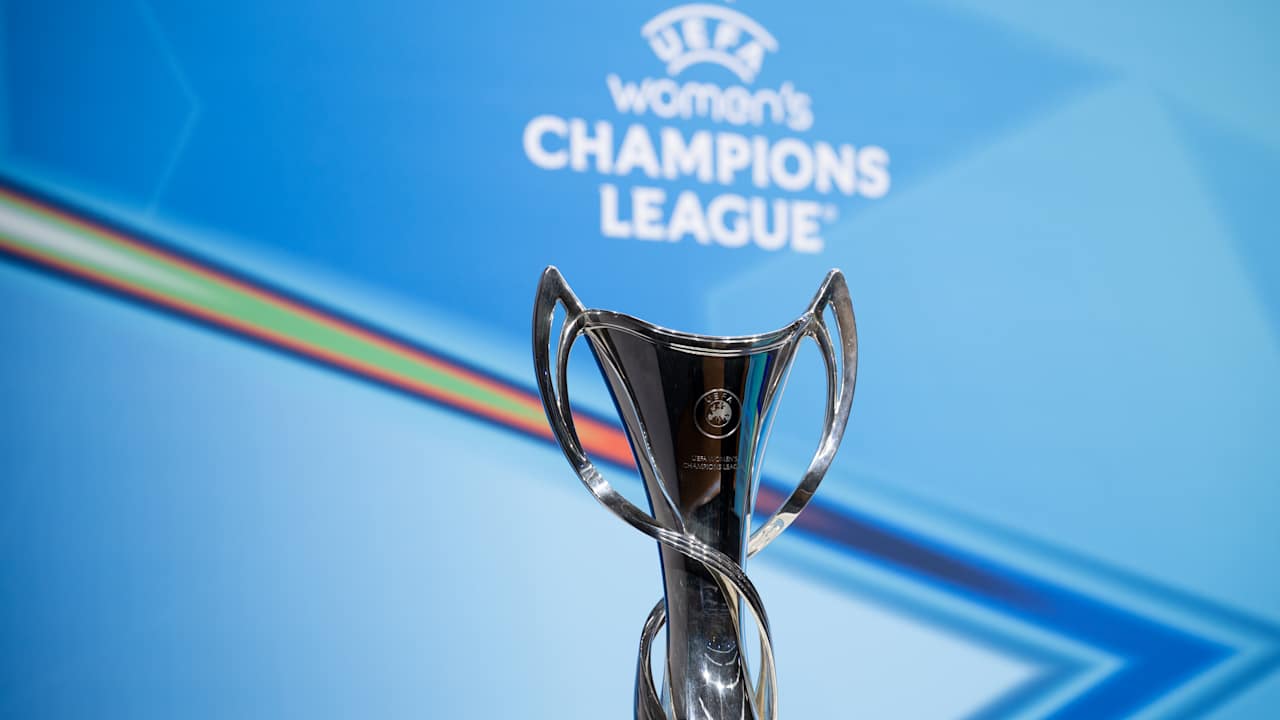
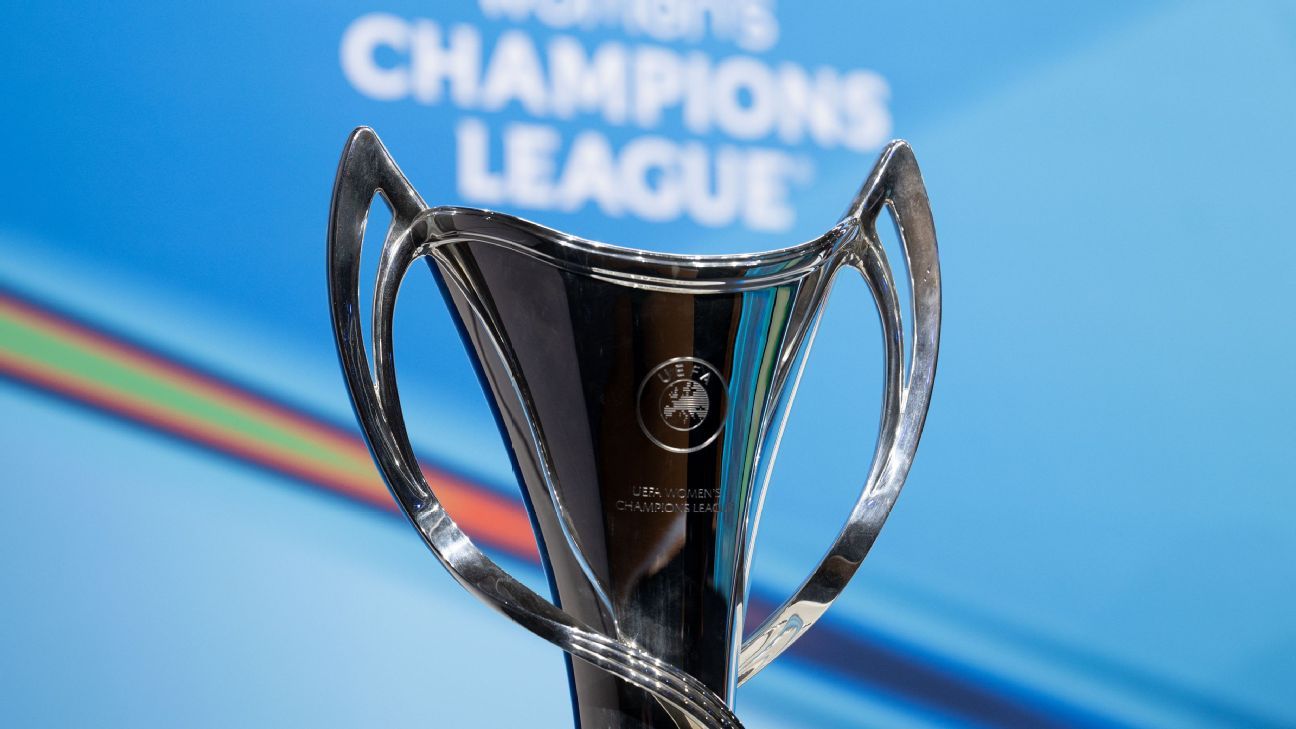
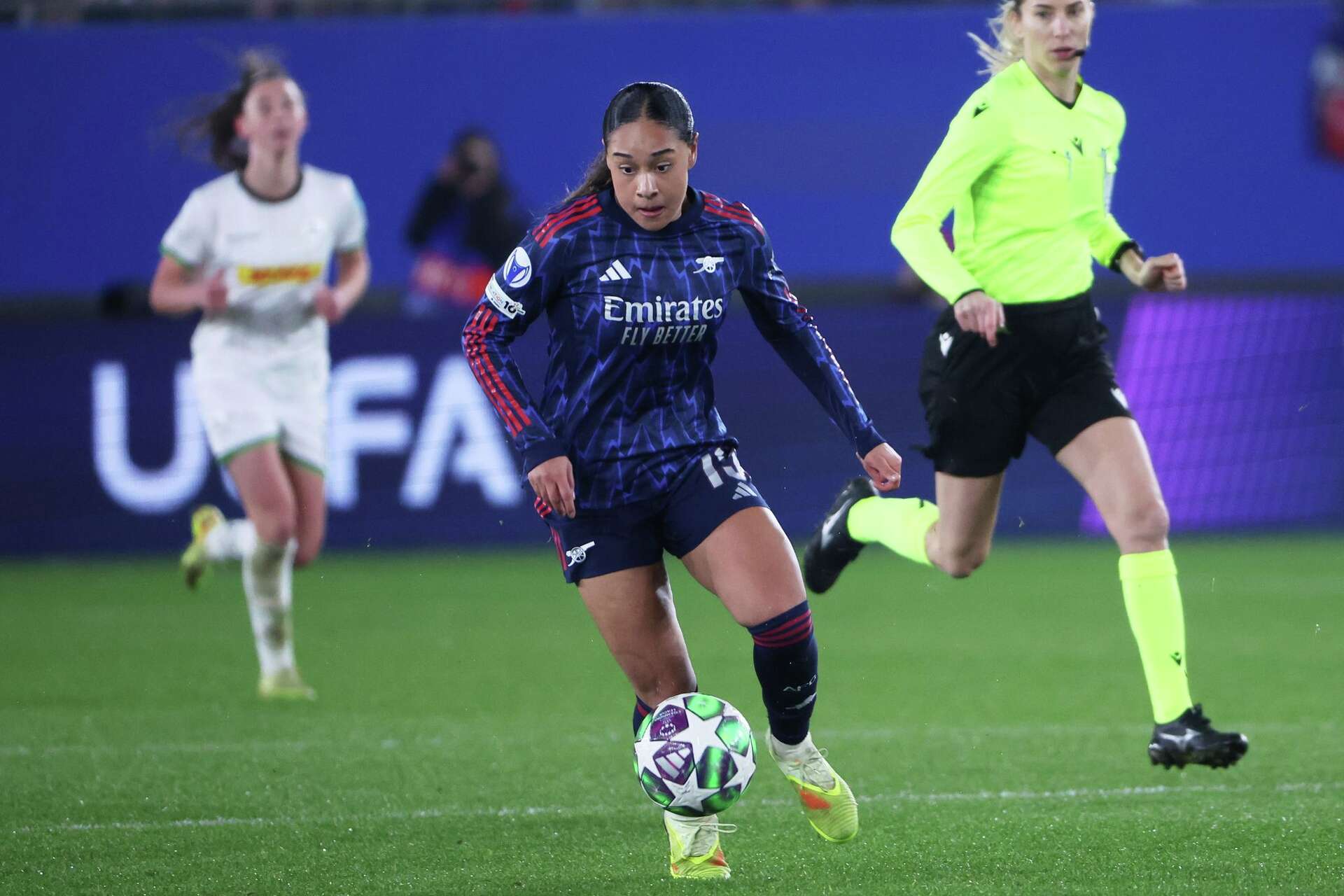
The Women's Champions League draw reveals a complex strategic landscape where tactical positioning and historical performance intersect, signaling a transformative moment in women's international soccer. With the tournament's path to the Oslo final now mapped, eight elite teams are poised to battle for continental supremacy, representing a pivotal showcase of growing professional women's football infrastructure.
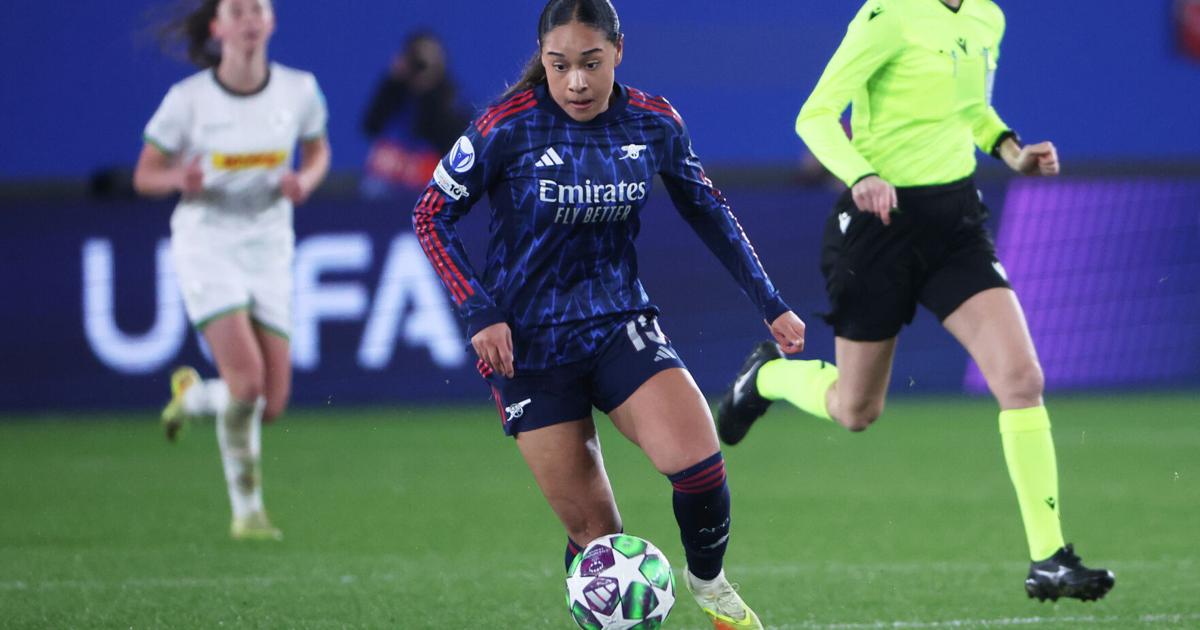
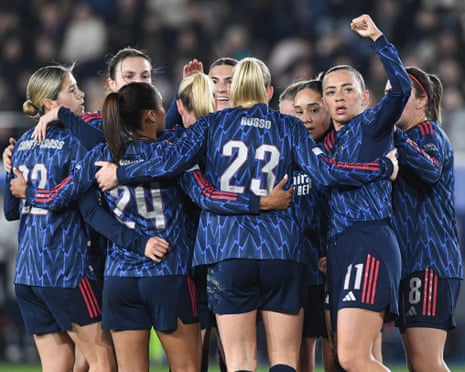
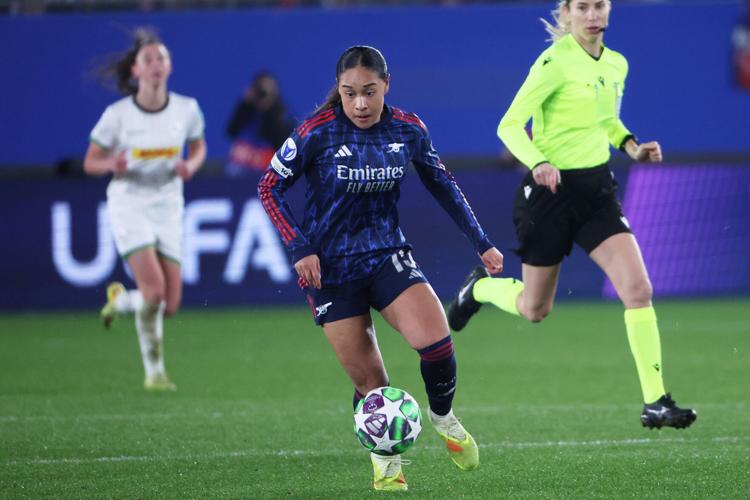
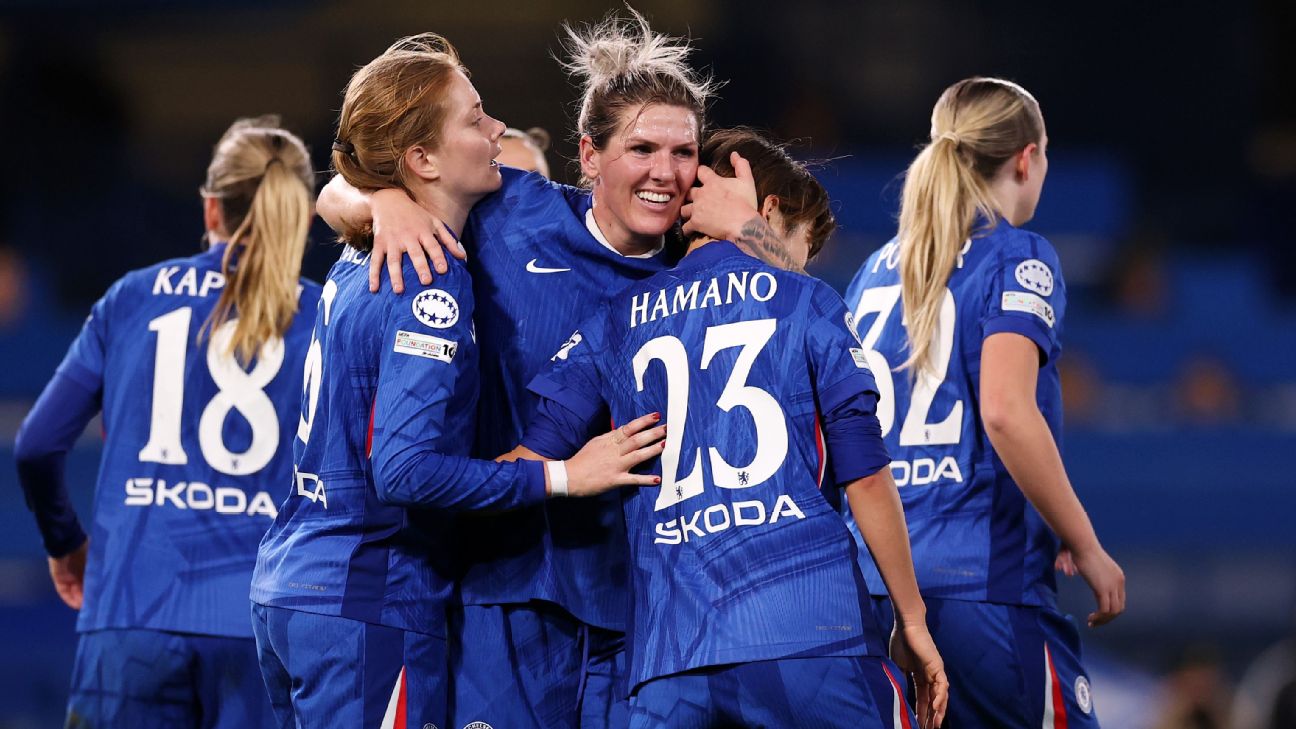
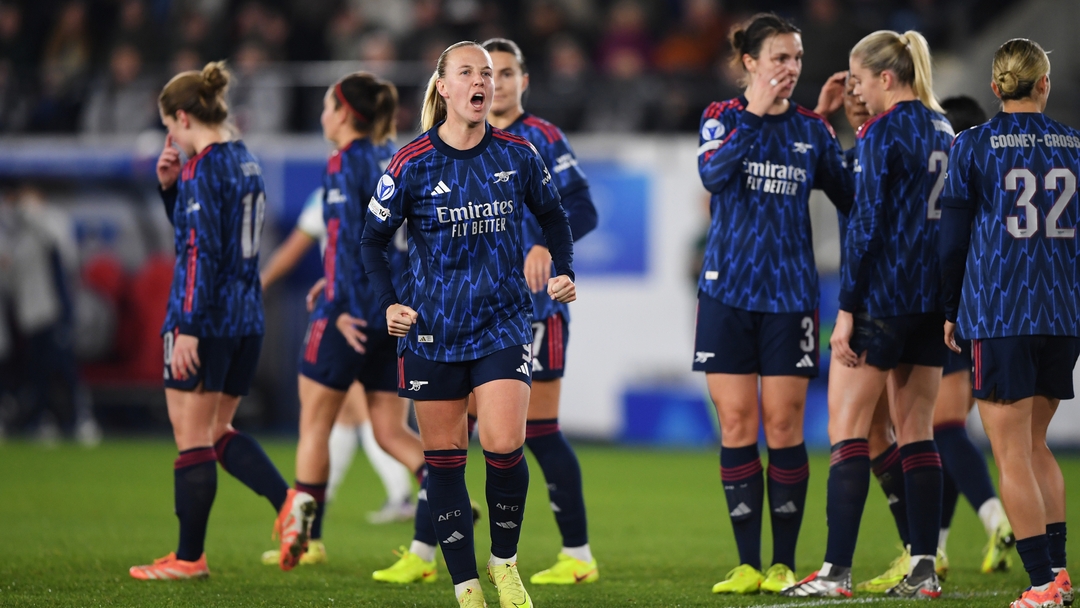
Strategic Tournament Architecture emerges as a critical narrative. The knockout phase design deliberately creates high-stakes encounters that test not just athletic prowess, but organizational resilience. Teams like Arsenal, Barcelona, and Chelsea aren't merely competing; they're constructing competitive narratives that extend beyond individual matches. The tournament's structure—with play-offs, quarter-finals, and potential semi-final rematches—creates a pressure cooker of tactical innovation and strategic depth.
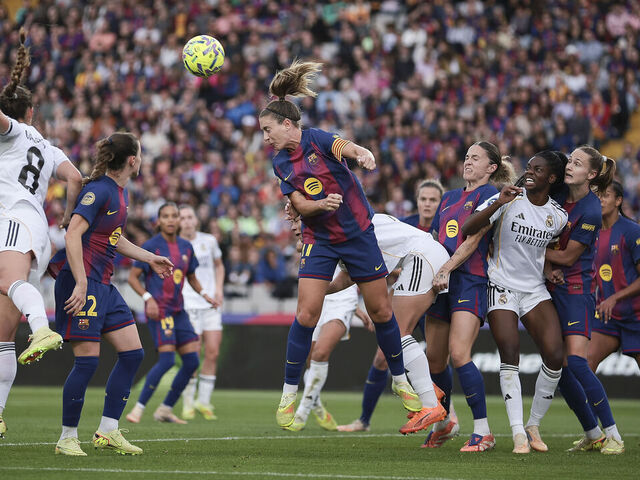
Competitive Positioning tells a nuanced story of emerging power dynamics. Manchester United's debut in the competition represents more than a tournament appearance—it symbolizes the expanding professional ecosystem of women's football. Their play-off against Atletico Madrid isn't just a match, but a statement of institutional ambition. Similarly, the potential Arsenal-Barcelona semi-final rematch suggests a rivalry transcending national boundaries, where tactical excellence becomes a form of soft power and institutional prestige.
The tournament's geographical and competitive spread—spanning teams from England, Spain, France, and Germany—underscores the pan-European development of women's professional soccer. Each matchup represents not just a sporting contest, but a complex negotiation of tactical philosophies, training methodologies, and institutional investments in women's athletic development.
Critically, this tournament is more than a championship—it's a strategic platform showcasing the professionalization, global appeal, and competitive maturity of women's football. The road to Oslo is paved with tactical brilliance, institutional strategy, and a profound reimagining of sporting excellence.
Questions 3
How does Manchester United's debut impact the tournament's competitive landscape?
Manchester United's first appearance signals the expanding professional ecosystem of women's football. Their play-off against Atletico Madrid represents more than a match—it's a statement of institutional ambition and a marker of the growing investment and professionalization in women's soccer.
What strategic implications emerge from the tournament's geographical spread?
The tournament's pan-European composition—featuring top teams from England, Spain, France, and Germany—demonstrates the globalization of women's professional soccer. Each matchup represents a complex negotiation of tactical philosophies, training methodologies, and institutional approaches to women's athletic development.