


Workplace Conduct Boundaries: When Professional Relationships Unravel
- Institutional Power Dynamics Reshape Professional Accountability in Academic Sports


















Overview
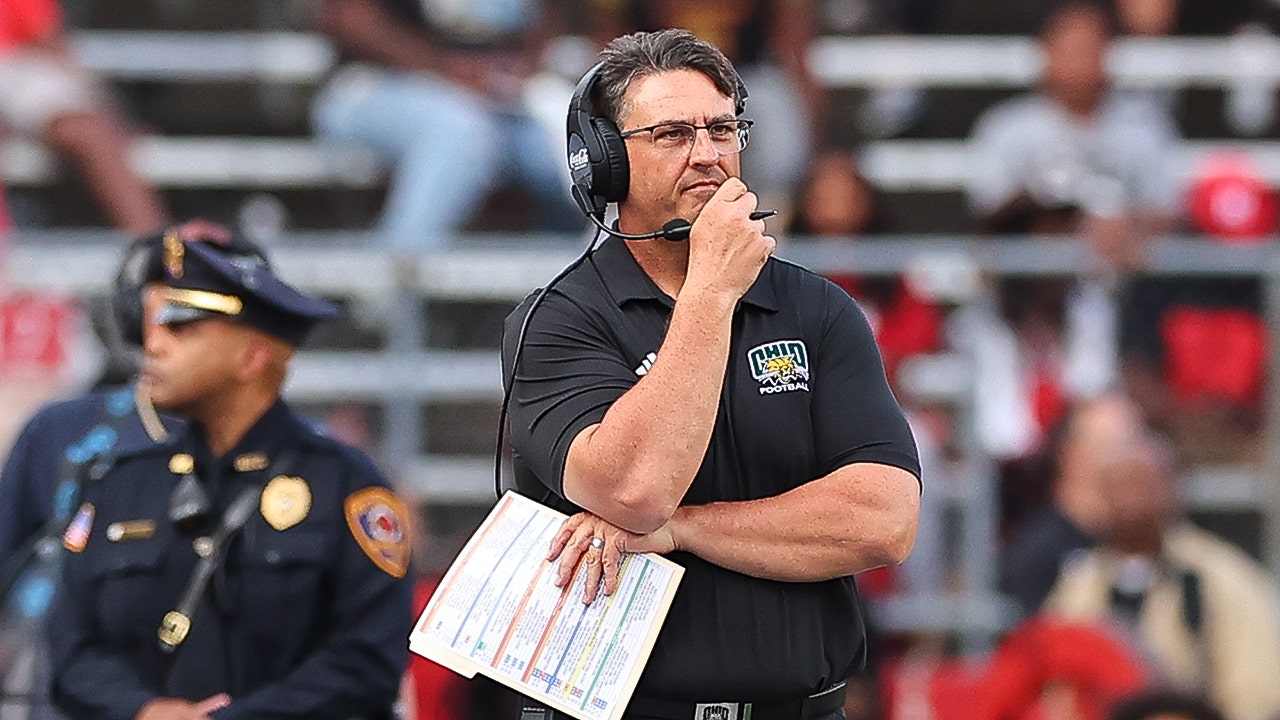
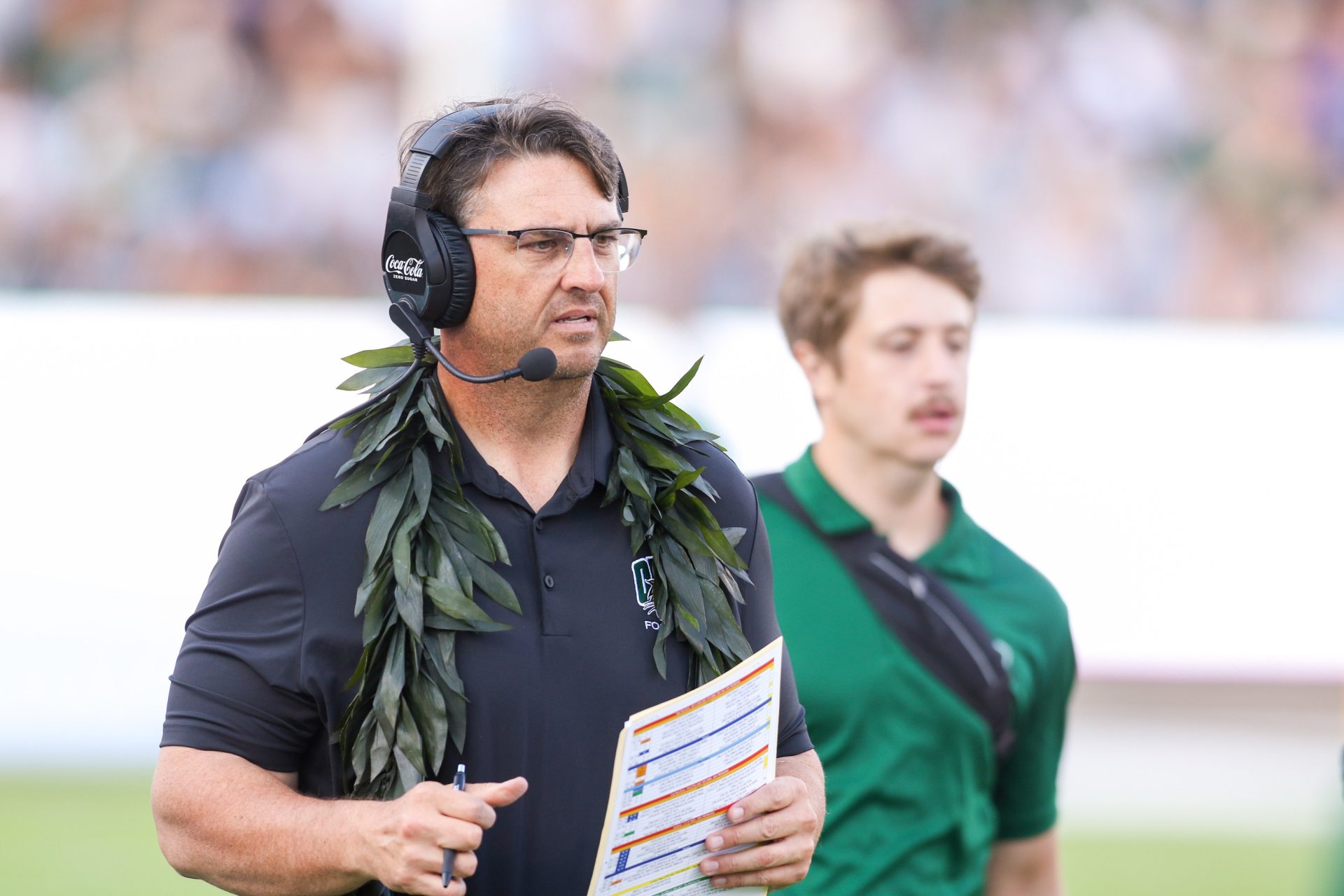
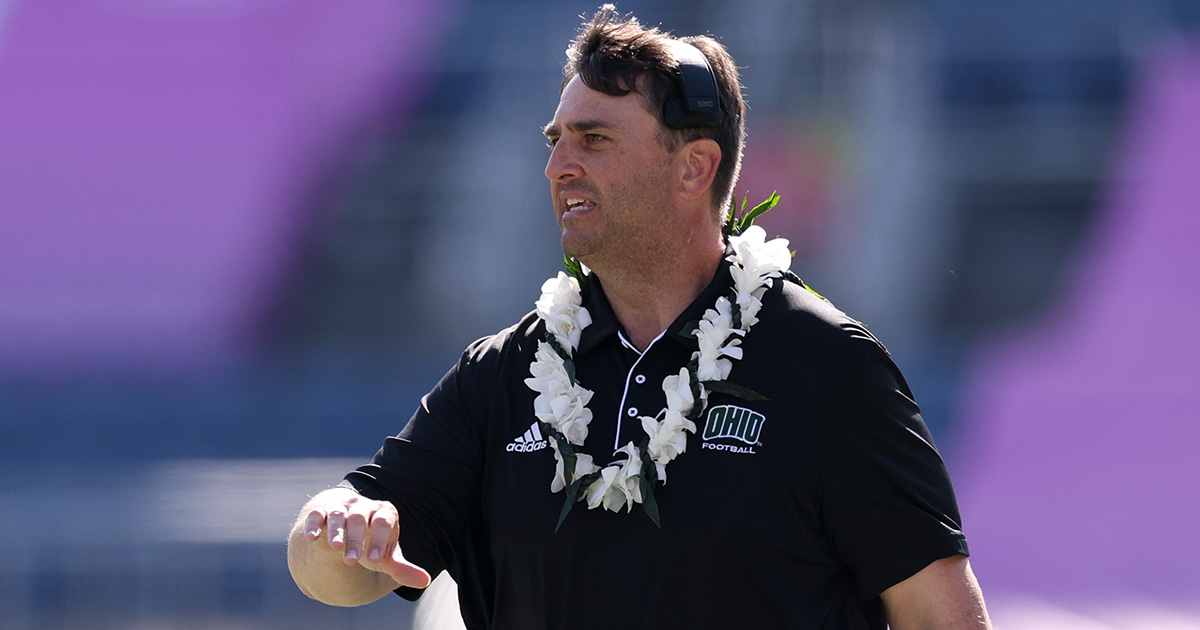
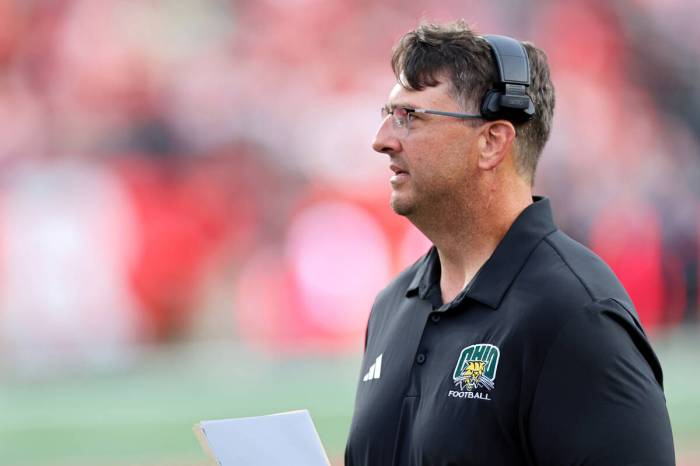
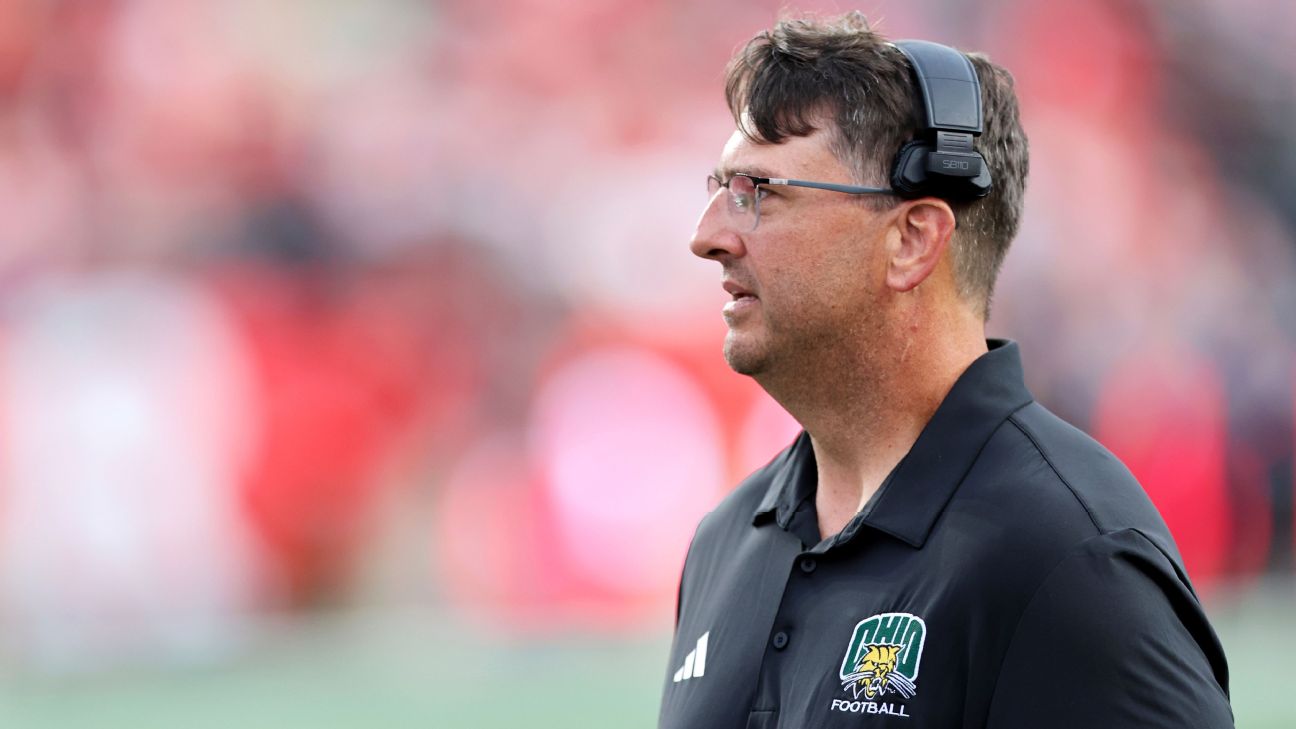
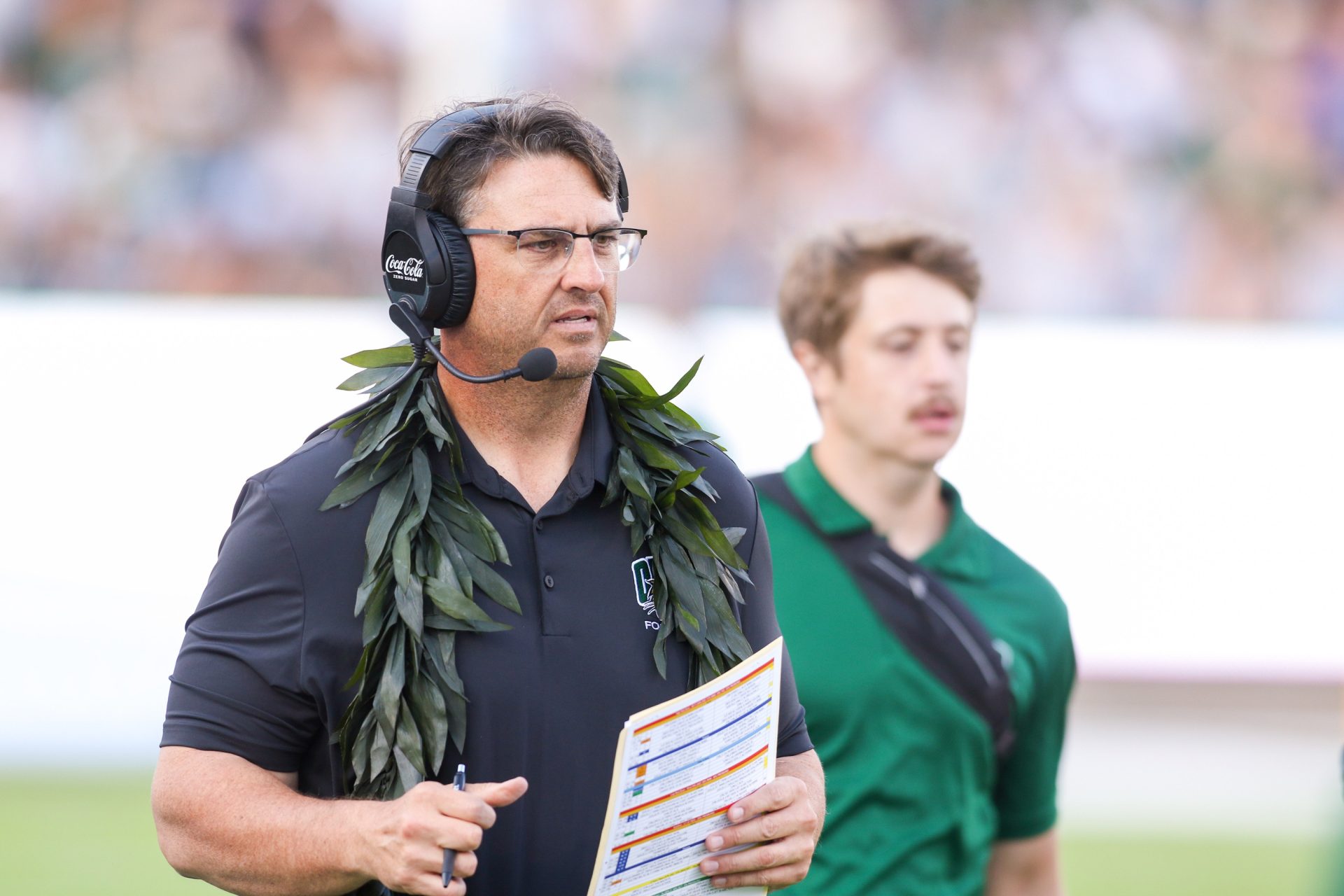
Institutional governance has entered a critical inflection point where personal conduct and professional standards are colliding with unprecedented scrutiny. The termination of Ohio University football coach Brian Smith reveals a complex landscape of workplace relationship regulations that extends far beyond a single personnel decision.
At the core of this incident lies a profound institutional power dynamic. University leadership demonstrated remarkable discretionary authority by firing Smith, citing multiple conduct violations: an extramarital relationship with a student, repeated alcohol consumption in professional spaces, and public intoxication. The case exposes the delicate balance between personal autonomy and institutional expectations.
Critically, Smith's attorney Rex Elliott challenged the termination by highlighting systemic inconsistencies. He argued that the university lacks explicit policies prohibiting employee-student relationships and pointed out historical precedents of similar behaviors being tolerated. This suggests a regulatory gray zone where institutional standards are more fluid and interpretative than previously understood.
The financial implications are equally significant. With a base salary of $615,000 and potential contractual obligations through 2029, Smith's termination represents more than a personnel decision—it's a strategic institutional risk management exercise. By acting decisively, Ohio University signals its commitment to maintaining professional boundaries, potentially deterring future misconduct while protecting its reputational capital.
The broader implications extend beyond this specific case. Workplace conduct standards are evolving, with institutions increasingly wielding comprehensive powers to enforce behavioral expectations. This trend indicates a shift towards more holistic professional accountability, where personal actions are increasingly viewed through an institutional lens of risk and representation.
For professionals across sectors, the Smith case serves as a critical reminder: personal conduct is no longer a private matter but a potential professional liability. Organizations are developing more nuanced, comprehensive frameworks for evaluating employee behavior, blurring traditional boundaries between personal and professional spheres.
Questions 3
What are the potential financial implications of such a termination?
With Smith's base salary at $615,000 and potential contractual obligations through 2029, the termination represents a significant financial and strategic decision. If fired without cause, the university would have been obligated to continue salary payments, making the 'for cause' termination a critical financial risk management strategy.
What specific conduct violations led to Coach Smith's termination?
The university cited three primary conduct violations: (1) an extramarital relationship with an undergraduate student, (2) repeated alcohol consumption in his office, and (3) public appearances while appearing intoxicated. These actions were deemed to violate professional standards and his employment contract.