


EU's $105 Billion Lifeline to Ukraine Exposes Deep Geopolitical Fault Lines
- Financial Diplomacy Becomes the New Frontline in Russia-EU Confrontation





Overview
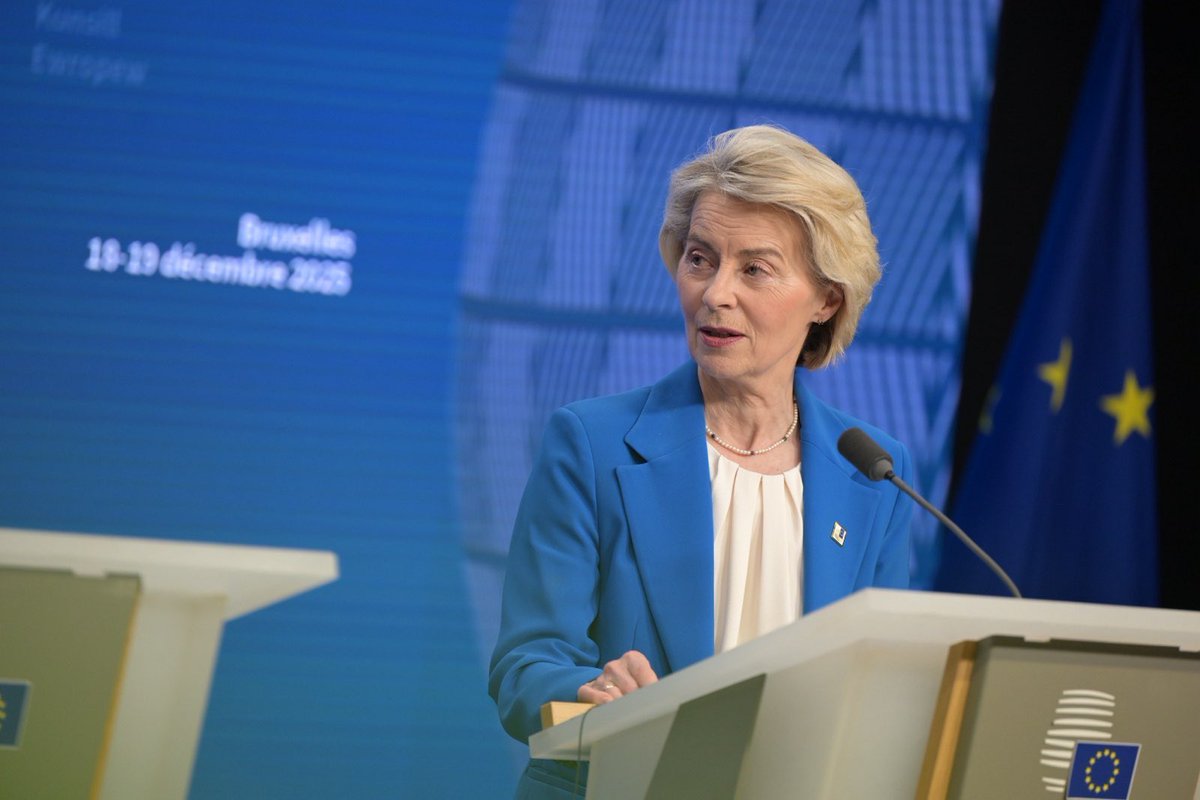
The European Union's unprecedented €90 billion ($105 billion) financial commitment to Ukraine represents a pivotal moment in geopolitical economic warfare, revealing the complex strategic calculations at play in the ongoing conflict. This massive loan is more than a financial transaction—it's a carefully calibrated instrument of geopolitical resistance against Russian aggression.
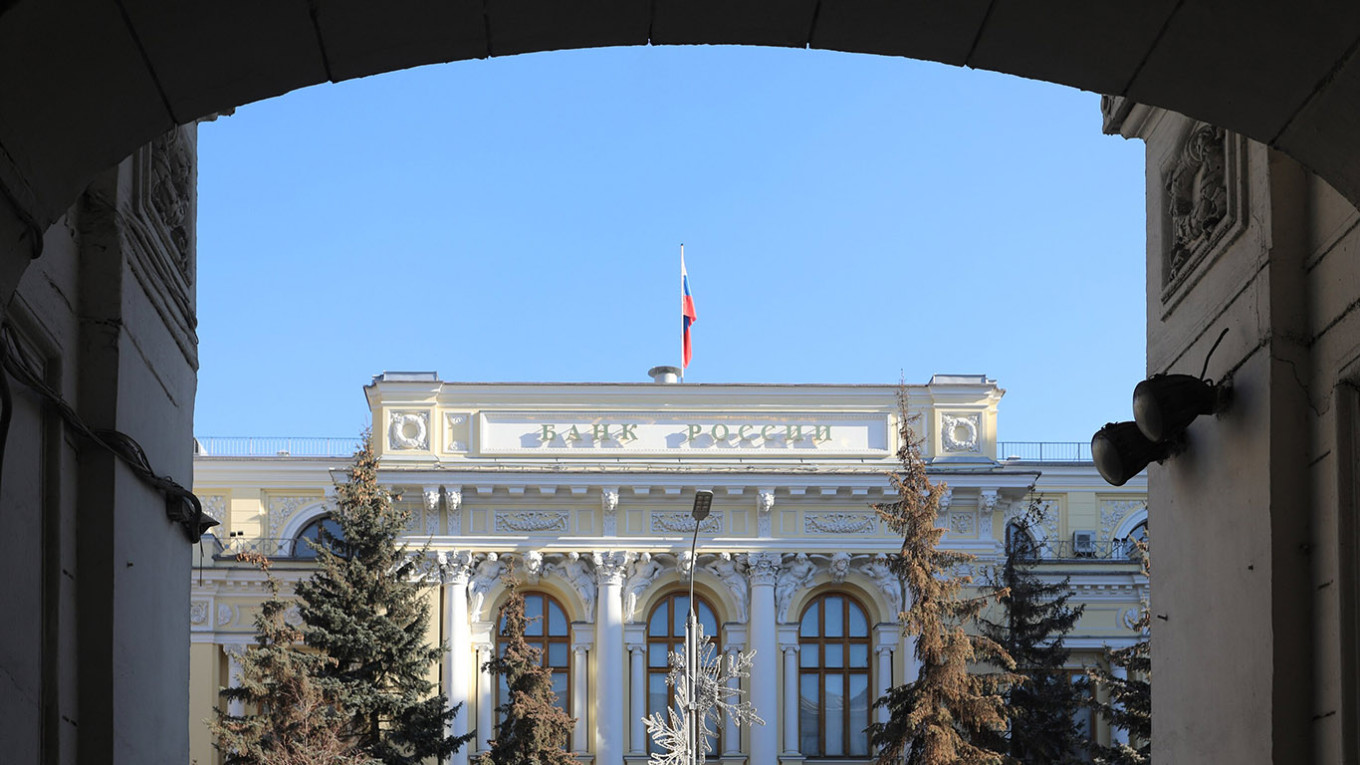
The funding mechanism itself exposes critical fractures in European diplomatic strategy. By choosing to raise funds through borrowing rather than seizing frozen Russian assets, the EU demonstrates a cautious approach that balances support for Ukraine with maintaining international financial credibility. Putin's aggressive rhetoric, characterizing potential asset seizures as 'robbery', underscores the high-stakes diplomatic chess match underlying this financial support.
Critically, the loan reveals the EU's long-term commitment to Ukraine's sovereignty while simultaneously managing internal divisions. The funding package signals a strategic decision to provide sustained economic resilience to Ukraine, effectively transforming financial support into a form of geopolitical resistance. Putin's response—threatening potential legal challenges and warning of damage to international market trust—highlights how economic mechanisms have become a primary battleground in this conflict.
The economic implications are profound. Russia's projected economic slowdown in 2025, with growth dropping to around 1%, suggests the cumulative impact of sanctions and geopolitical isolation. Meanwhile, the EU's ability to mobilize such a substantial loan demonstrates its collective financial power, despite internal disagreements.
For strategic observers, this development represents a critical inflection point: financial diplomacy has emerged as a primary tool of international conflict resolution, with economic support becoming as potent as traditional military aid. The EU is essentially weaponizing its financial infrastructure to support Ukraine's resistance, creating a new paradigm of geopolitical engagement.
Questions 4
Why did the EU choose to borrow funds instead of using frozen Russian assets?
The EU opted for borrowing to maintain international financial credibility and avoid potential legal challenges. Using frozen assets could set a dangerous precedent in international law and damage trust in global financial markets, which could have long-term negative consequences for European financial institutions.
How significant is the €90 billion loan for Ukraine's economic survival?
The loan is a critical lifeline that provides Ukraine with two years of economic and military support. It represents a strategic commitment to Ukraine's sovereignty, offering not just immediate financial relief but also signaling long-term European support against Russian aggression.