





Middle East Tensions: 5 Critical E-Commerce Market Shifts in 2024
- Geopolitical Risks Impact $3.2B Cross-Border Seller Markets



























Overview
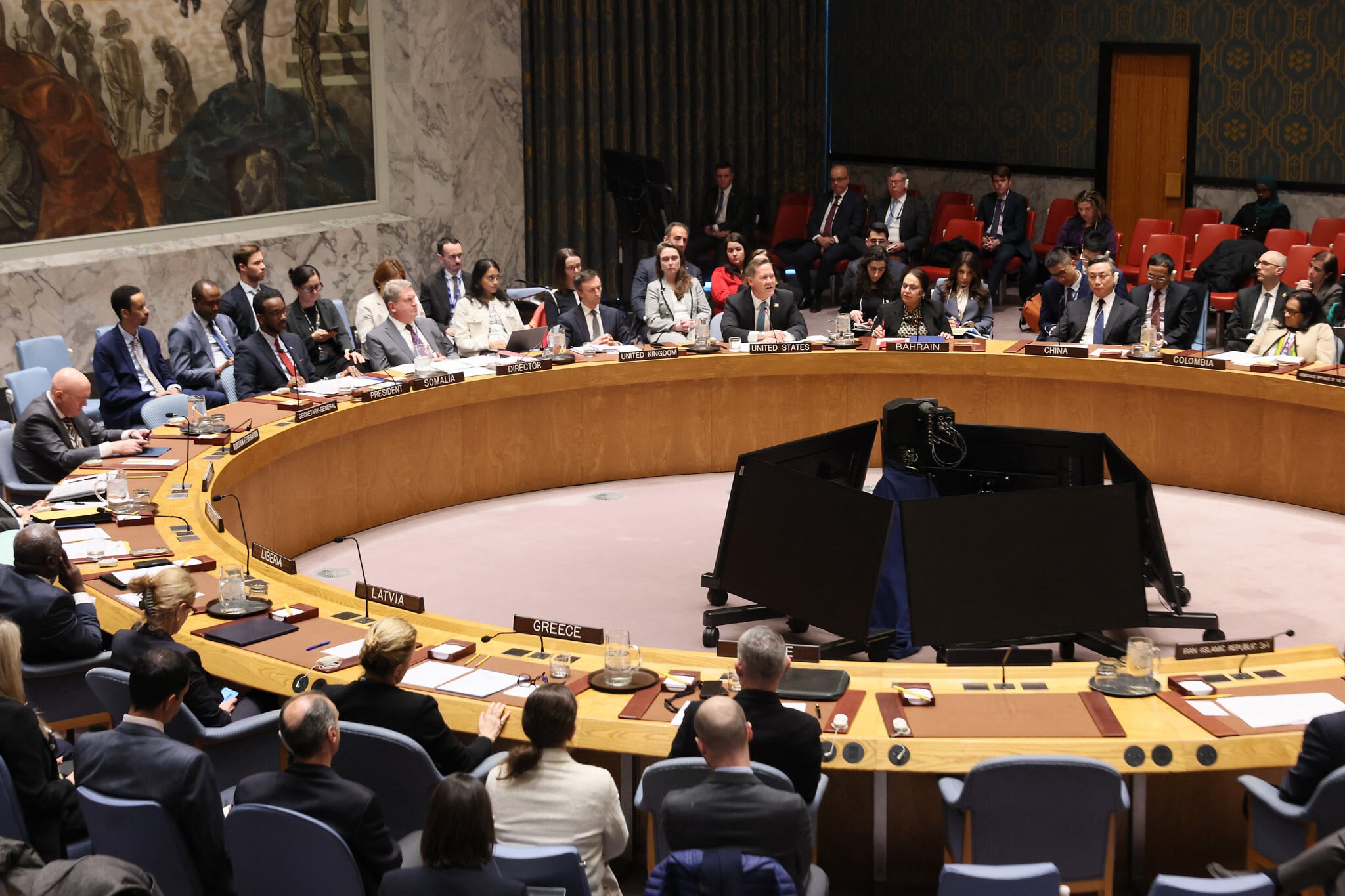
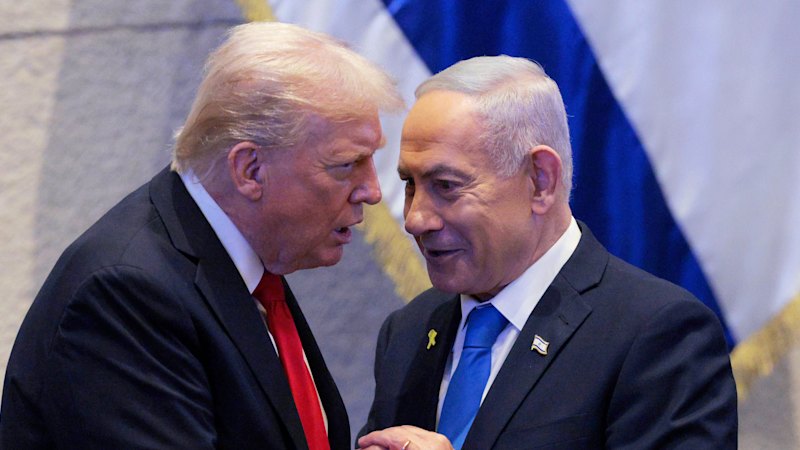
The escalating US-Iran diplomatic tensions represent a pivotal moment for cross-border e-commerce sellers operating in the Middle East region. With multiple Arab nations actively mediating to prevent potential military conflict, the geopolitical landscape presents both significant risks and strategic opportunities for international sellers.
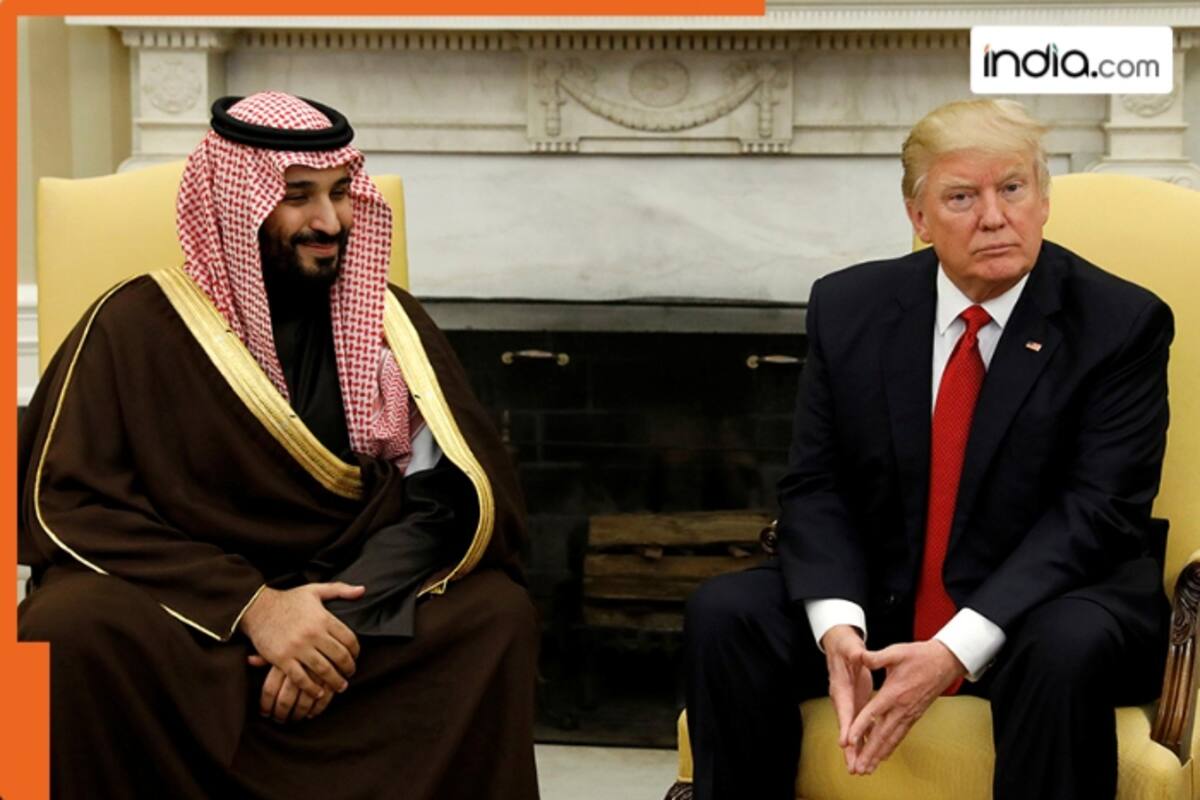
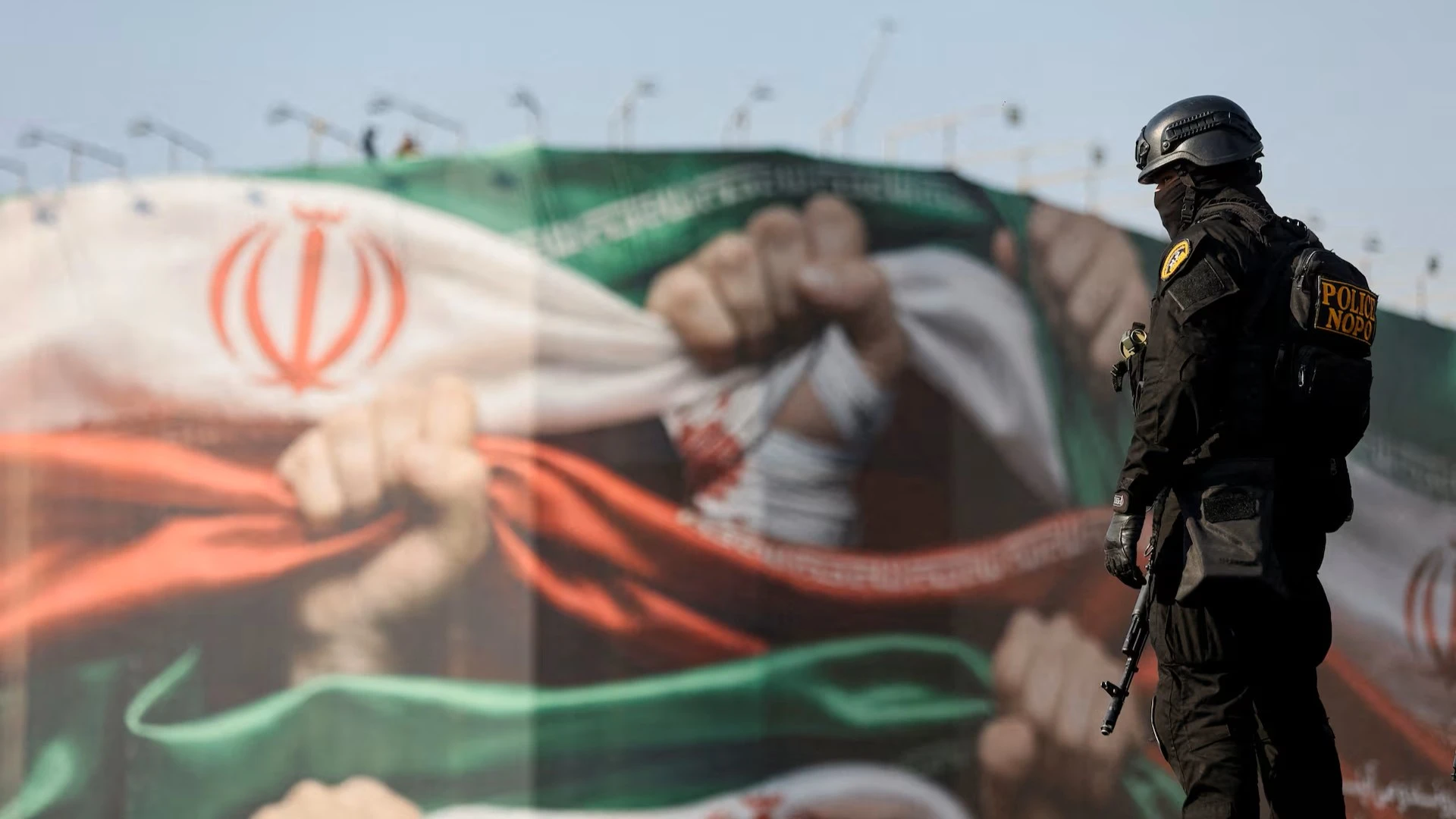
Key Market Disruption Indicators: The diplomatic standoff involves critical players like Saudi Arabia, Qatar, Turkey, and Oman, who are strategically positioning to maintain regional stability. For e-commerce sellers, this translates to potential supply chain vulnerabilities and market access challenges. The ongoing protests in Iran, with an estimated 2,500-3,400 protesters affected, signal deeper systemic uncertainties that could impact digital commerce infrastructure.
Operational Risk Assessment: E-commerce platforms must now factor in heightened geopolitical risks. The internet service disruptions in Iran demonstrate how political tensions can directly impede digital commerce capabilities. Sellers with existing Middle Eastern market exposure should develop robust contingency plans, potentially including:
- Diversifying regional logistics networks
- Implementing flexible inventory management strategies
- Developing multi-country fulfillment alternatives
- Creating adaptive pricing models that account for potential market volatilities
Strategic Positioning: The diplomatic efforts by Gulf Cooperation Council (GCC) nations underscore the importance of maintaining stable economic channels. Cross-border sellers should view this as an opportunity to:
- Strengthen relationships with regional logistics partners
- Invest in localized market intelligence
- Develop culturally adaptive marketing strategies
- Build resilient, geographically distributed supply chains
The ultimate objective for sellers is transforming geopolitical complexity into a competitive advantage by demonstrating agility, strategic foresight, and nuanced regional understanding.
Questions 4
How can sellers prepare for potential market volatilities?
Develop multi-country fulfillment strategies, maintain lean and adaptable inventory, invest in local market partnerships, and create scenario-based contingency plans that account for geopolitical shifts.
How do US-Iran tensions impact cross-border e-commerce sellers?
Tensions create supply chain uncertainties, potential logistics disruptions, and market access challenges. Sellers must develop flexible strategies, diversify regional networks, and maintain adaptive pricing models to mitigate risks.