



Global Tensions Reshape Cross-Border E-Commerce Strategies
- Geopolitical Shifts Create 12-18% Market Volatility for International Sellers

























Overview
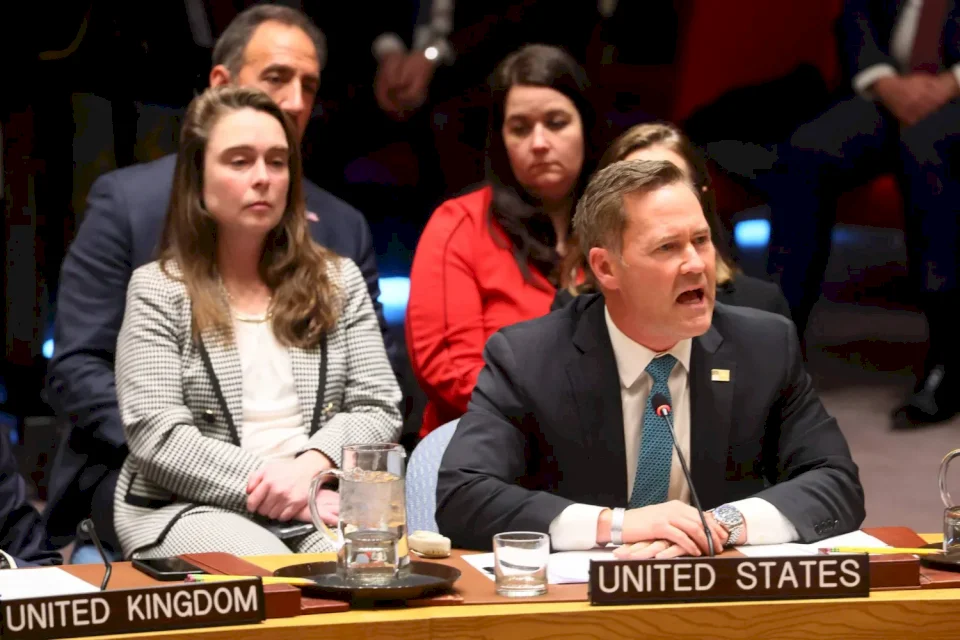
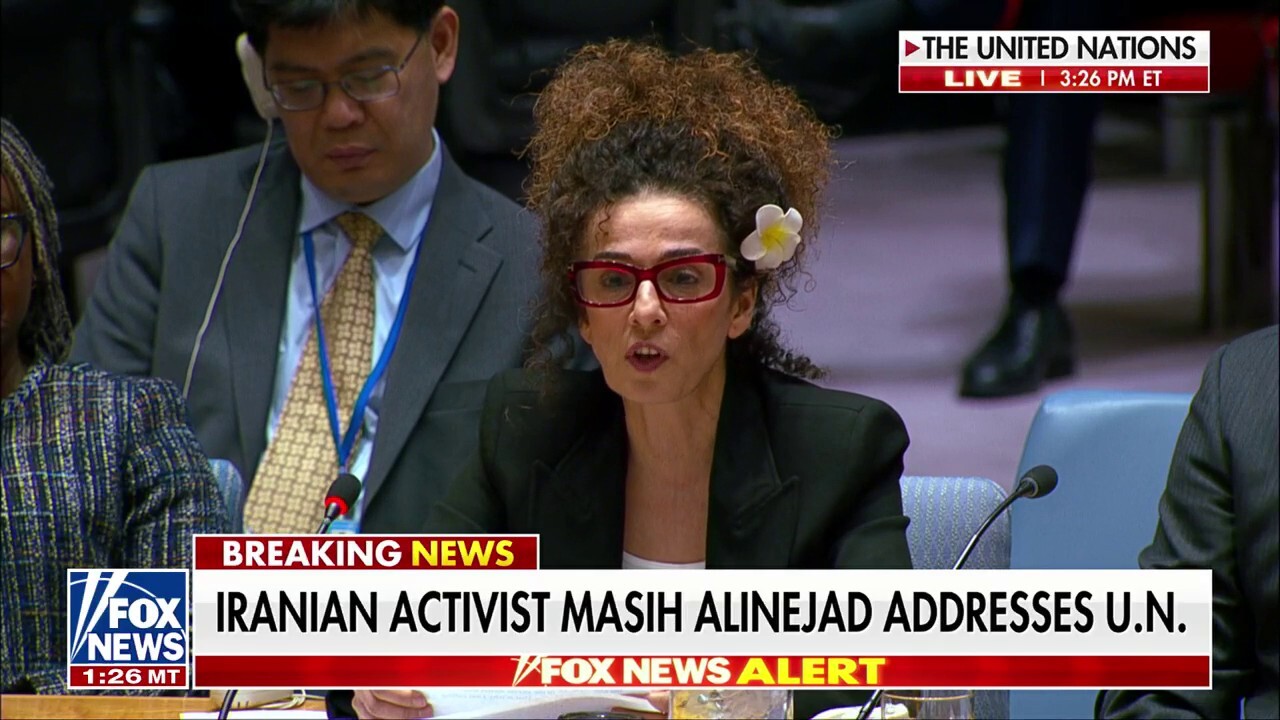
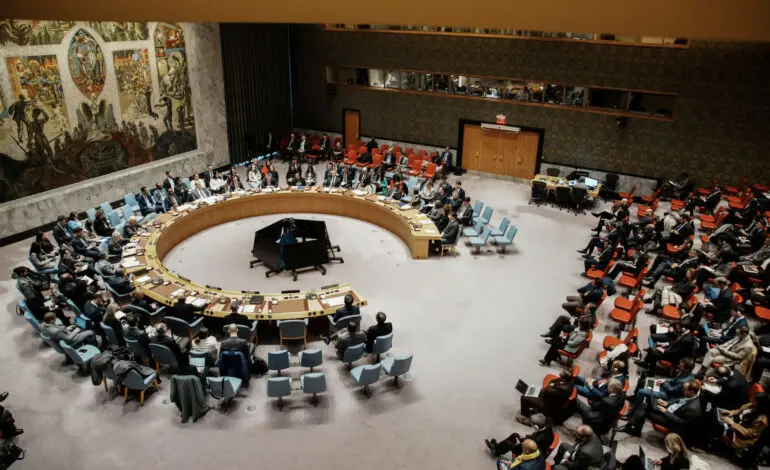
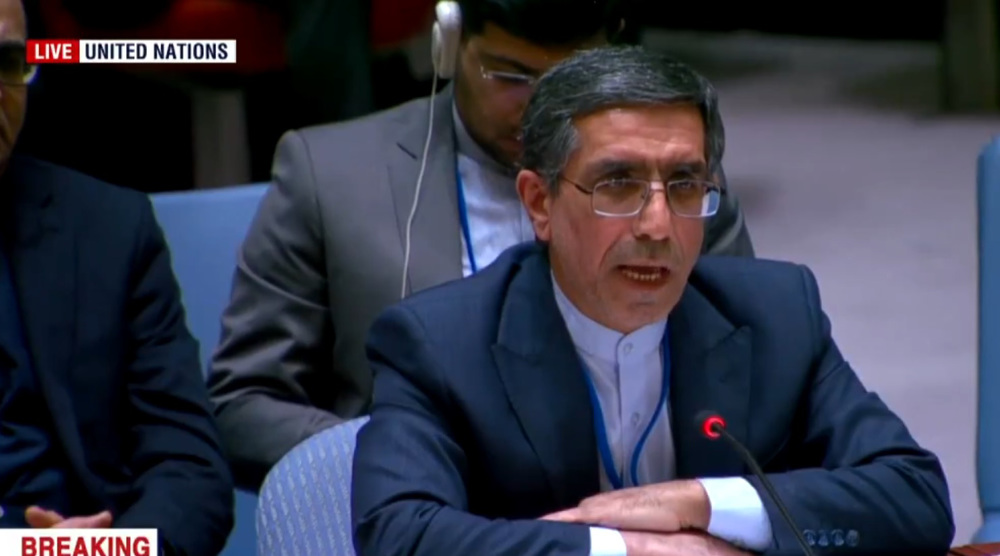
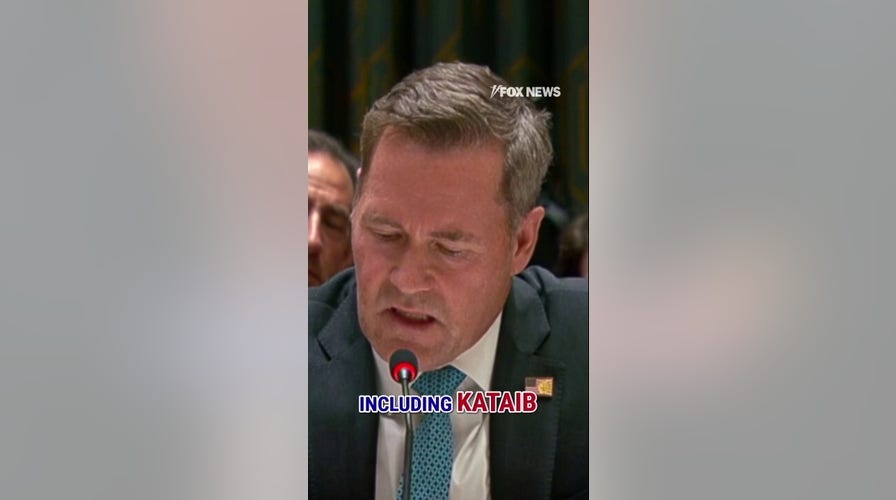
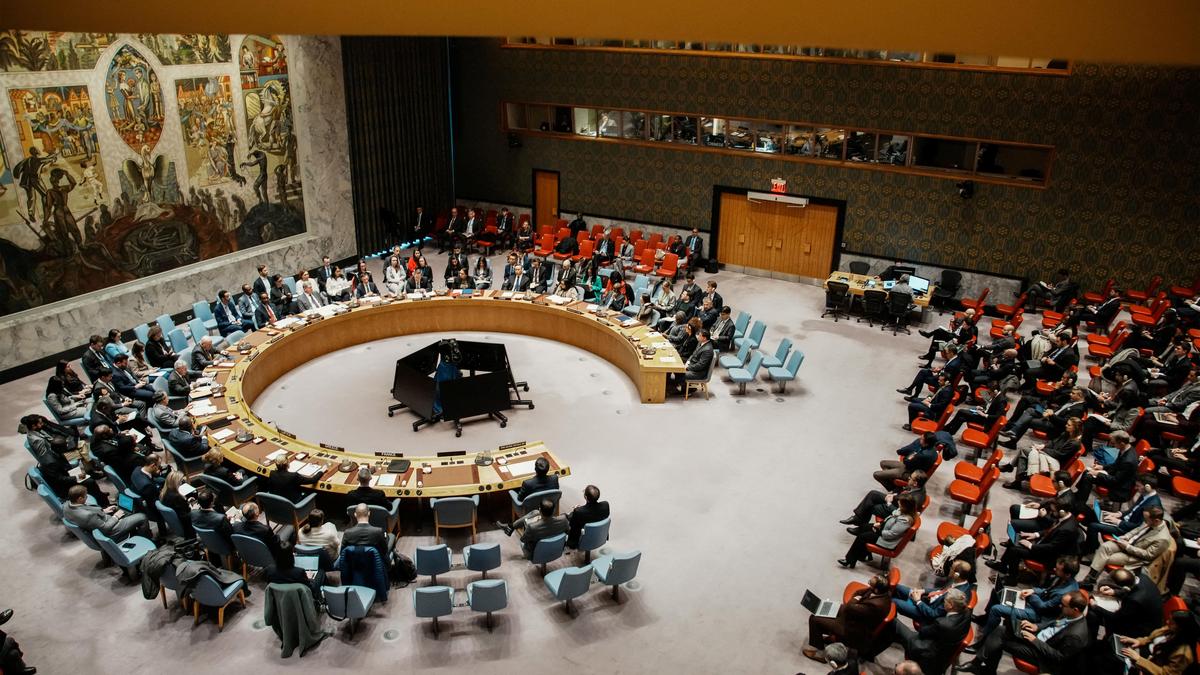
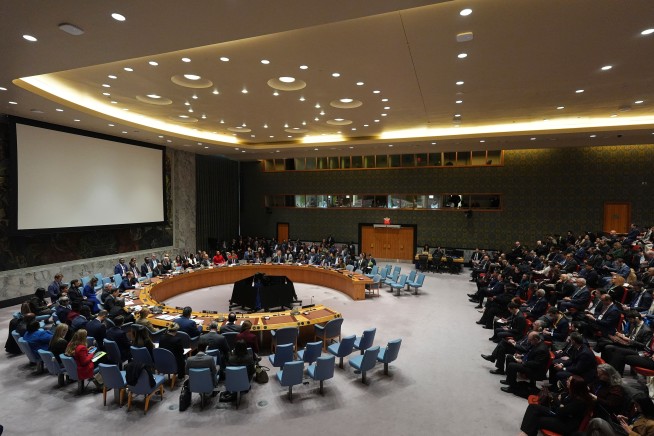
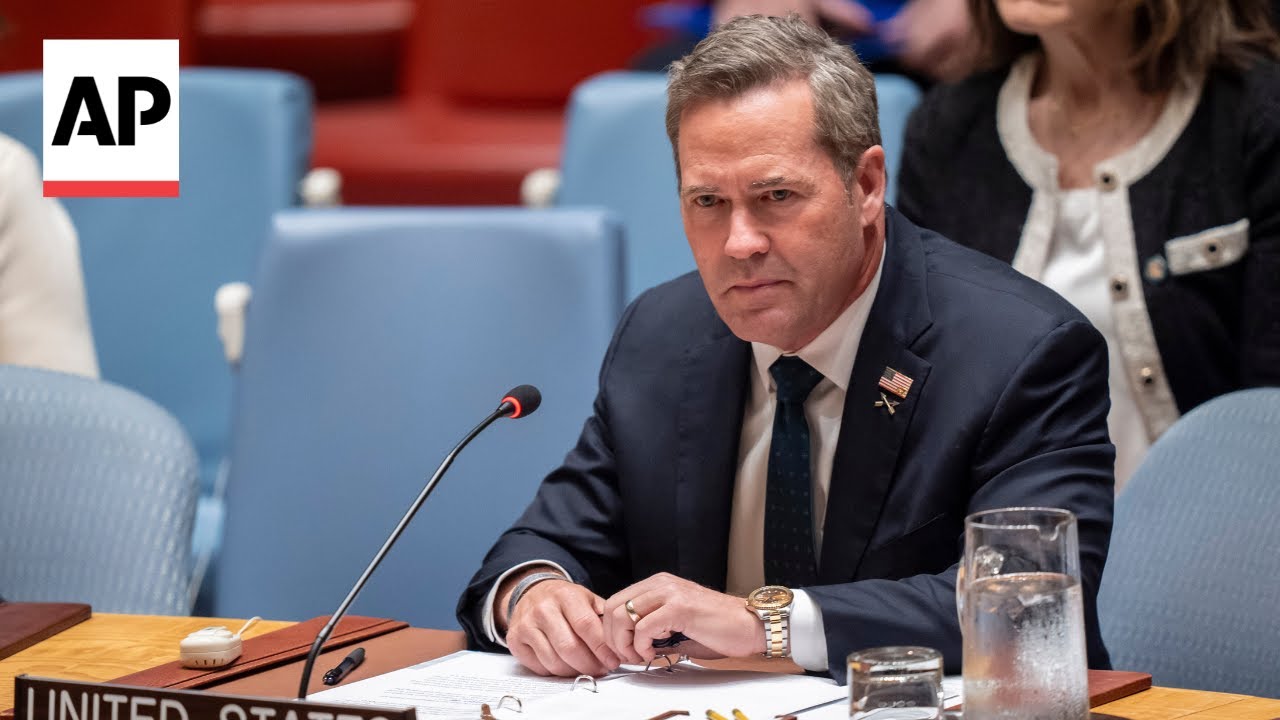
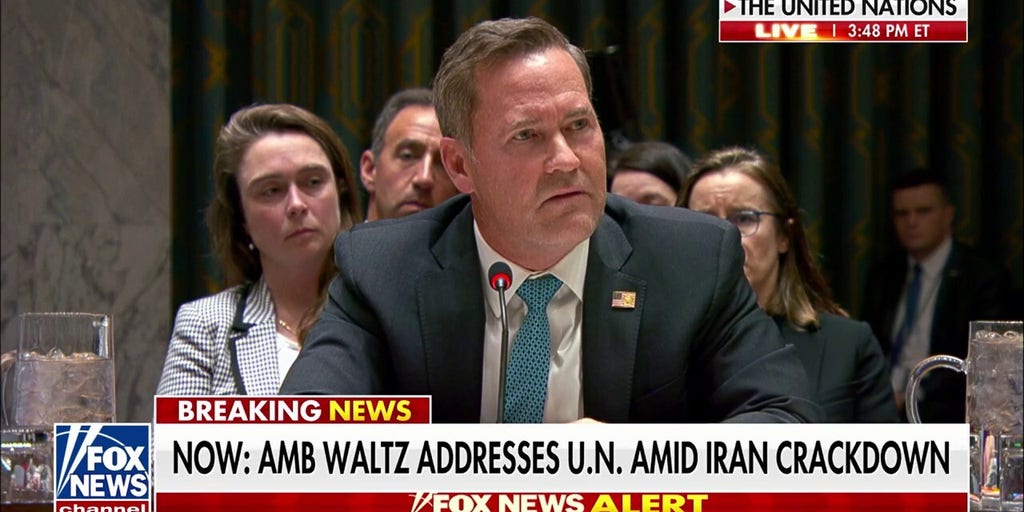
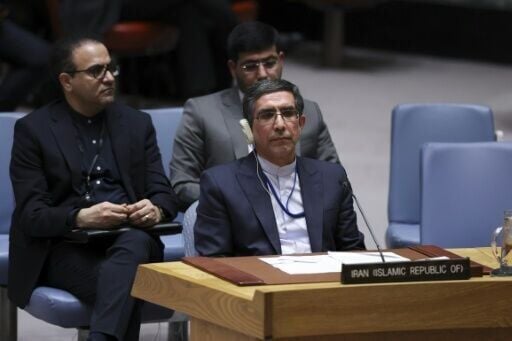
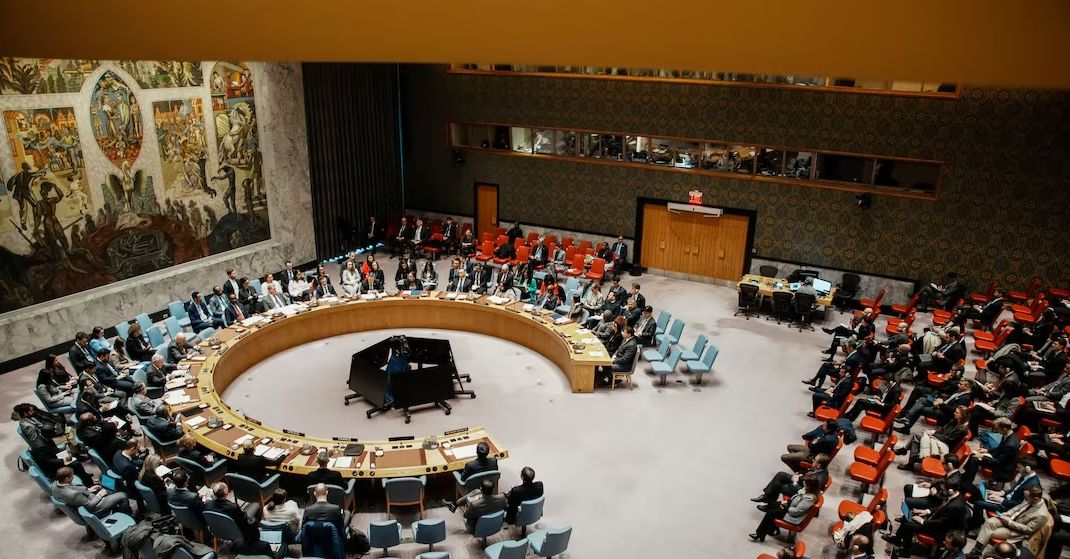
The United Nations Security Council meeting on Iran reveals critical implications for cross-border e-commerce sellers navigating complex geopolitical landscapes. Geopolitical instability directly impacts international market access and supply chain strategies, presenting both challenges and strategic opportunities for adaptive sellers.
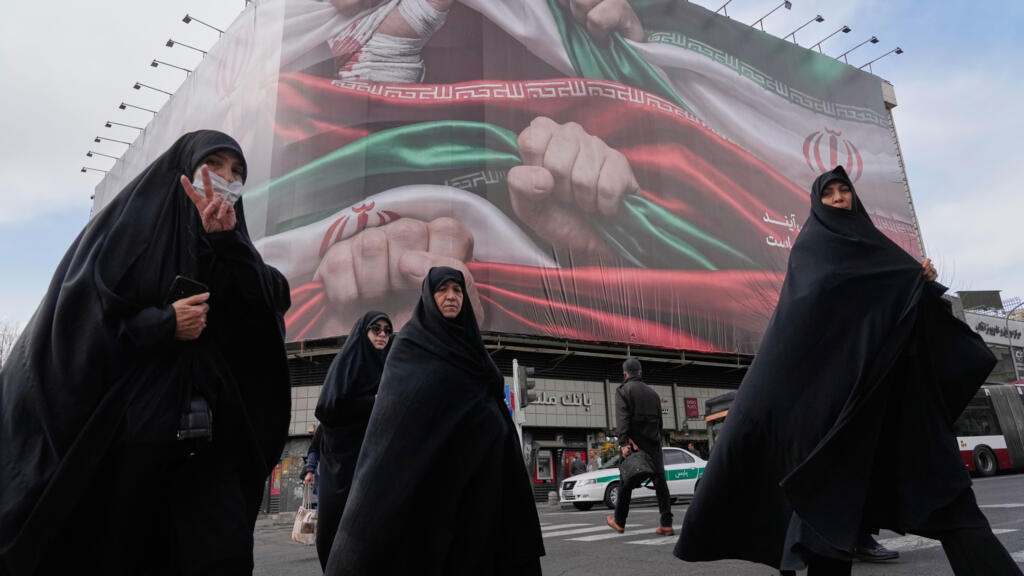
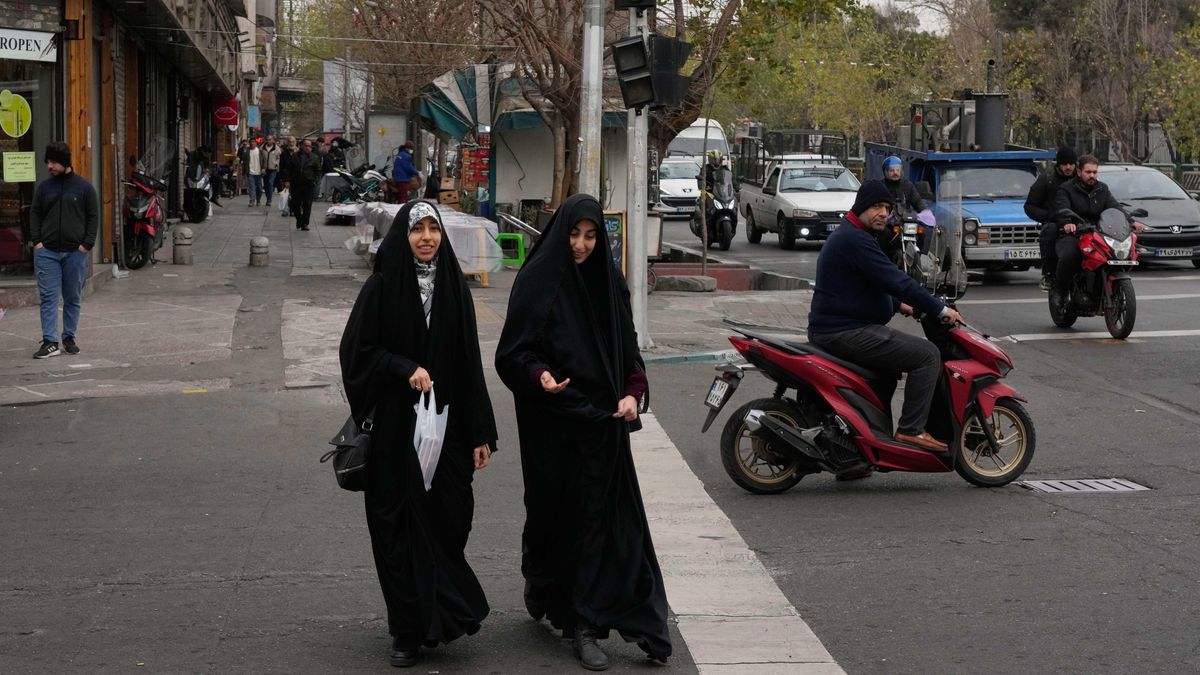
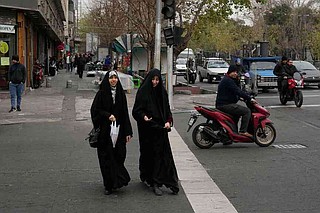
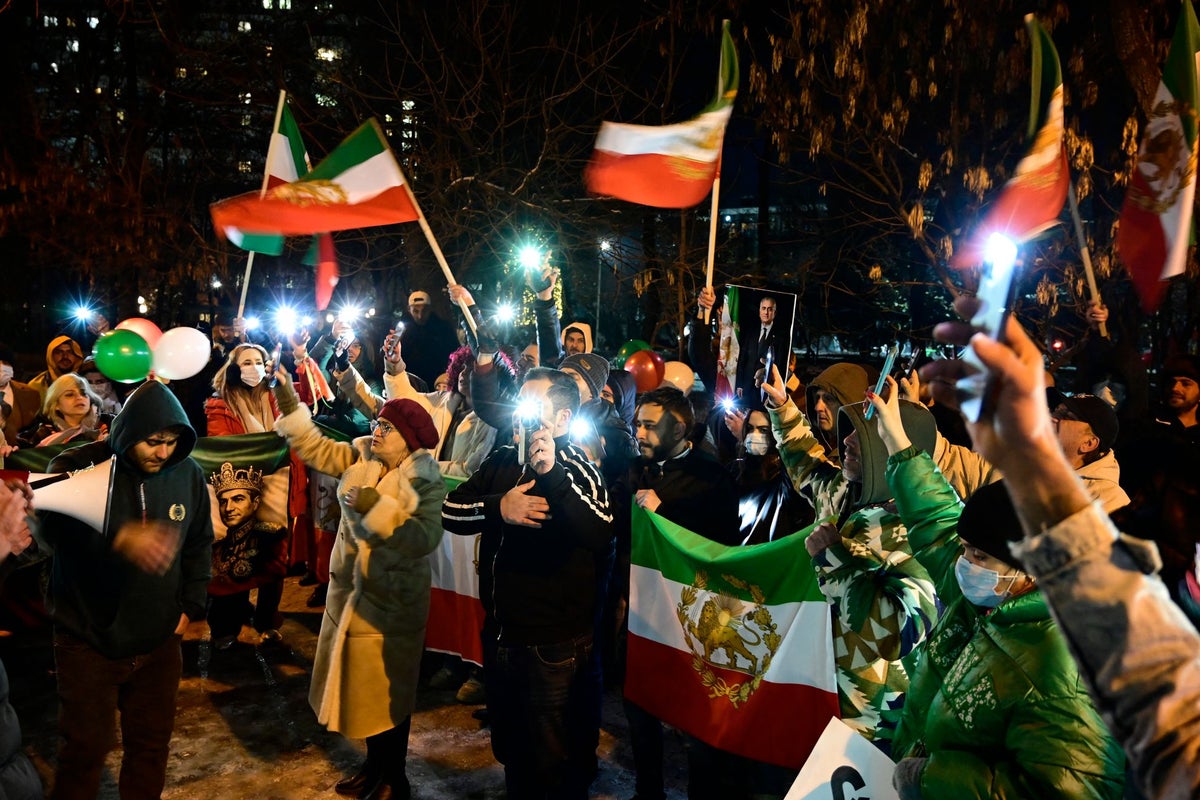
The ongoing Iranian domestic unrest, characterized by widespread protests and government suppression, signals significant market disruption potential. With over 3,000 reported casualties and internet shutdowns, sellers must reassess their regional engagement strategies. Key market implications include potential trade restrictions, payment processing challenges, and supply chain reconfiguration for businesses operating in or adjacent to the Middle Eastern market.
E-commerce sellers should focus on three critical adaptation strategies:
- Diversify sourcing networks to mitigate geopolitical risks
- Develop flexible logistics solutions that can rapidly pivot between alternative markets
- Implement robust compliance monitoring for emerging trade restrictions
The diplomatic tensions underscore the importance of agile market positioning. Sellers with multi-regional capabilities and sophisticated risk management frameworks will gain competitive advantages. The ability to quickly reallocate resources, adjust product portfolios, and navigate complex regulatory environments becomes a critical differentiator in volatile global markets.
Emerging opportunities exist for sellers who can rapidly interpret geopolitical signals and translate them into strategic market entry or product positioning. The current Iranian situation demonstrates how global political dynamics create nuanced market windows for sophisticated international e-commerce operators.
Questions 5
How do UN Security Council meetings impact cross-border e-commerce?
UN Security Council meetings can signal potential trade restrictions, market access changes, and geopolitical risks that directly affect international sellers' strategies, supply chains, and market entry decisions.
How can sellers mitigate geopolitical market risks?
Sellers should diversify sourcing networks, develop flexible logistics solutions, implement robust compliance monitoring, maintain multi-regional capabilities, and create adaptive market entry strategies.