
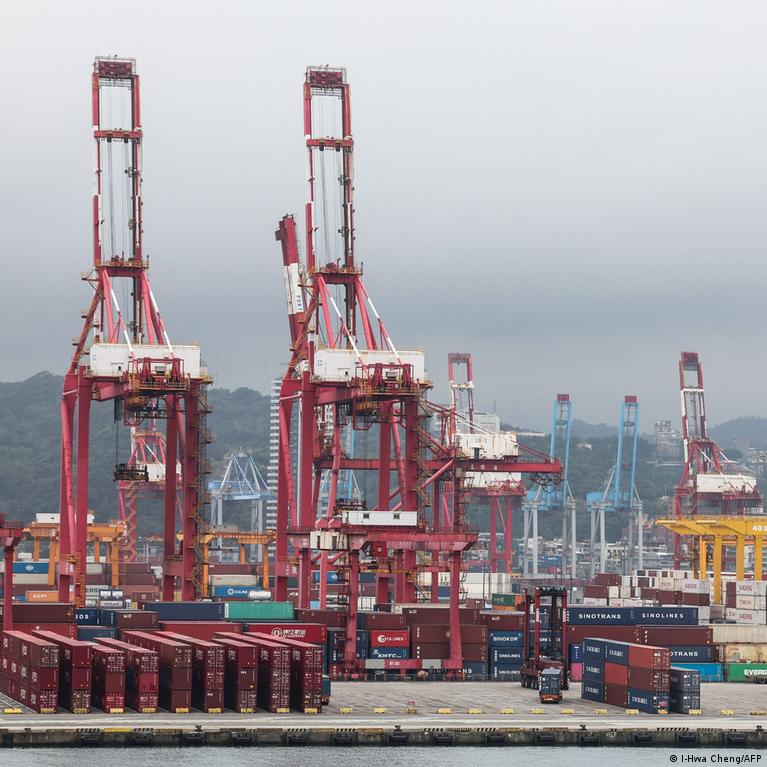


Semiconductor Trade Deal: Critical E-Commerce Tech Shift 2024
- $250B Investment Reshapes Global Tech Supply Chains for Sellers













Overview
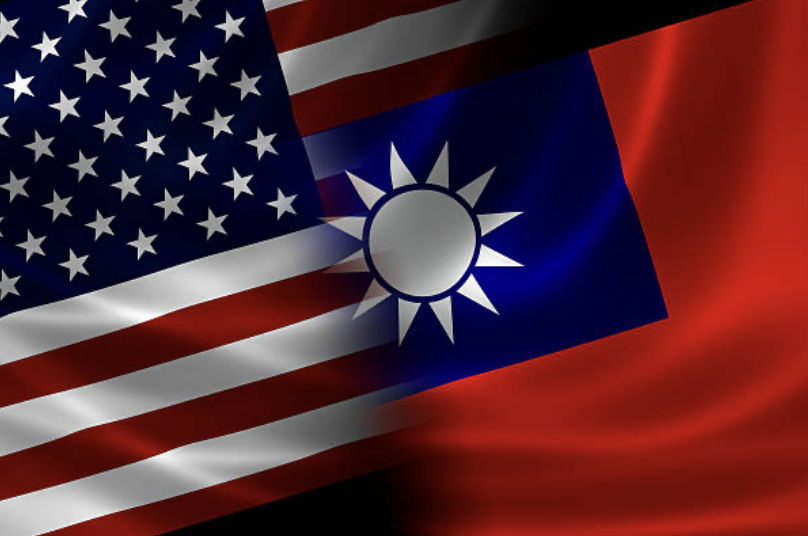
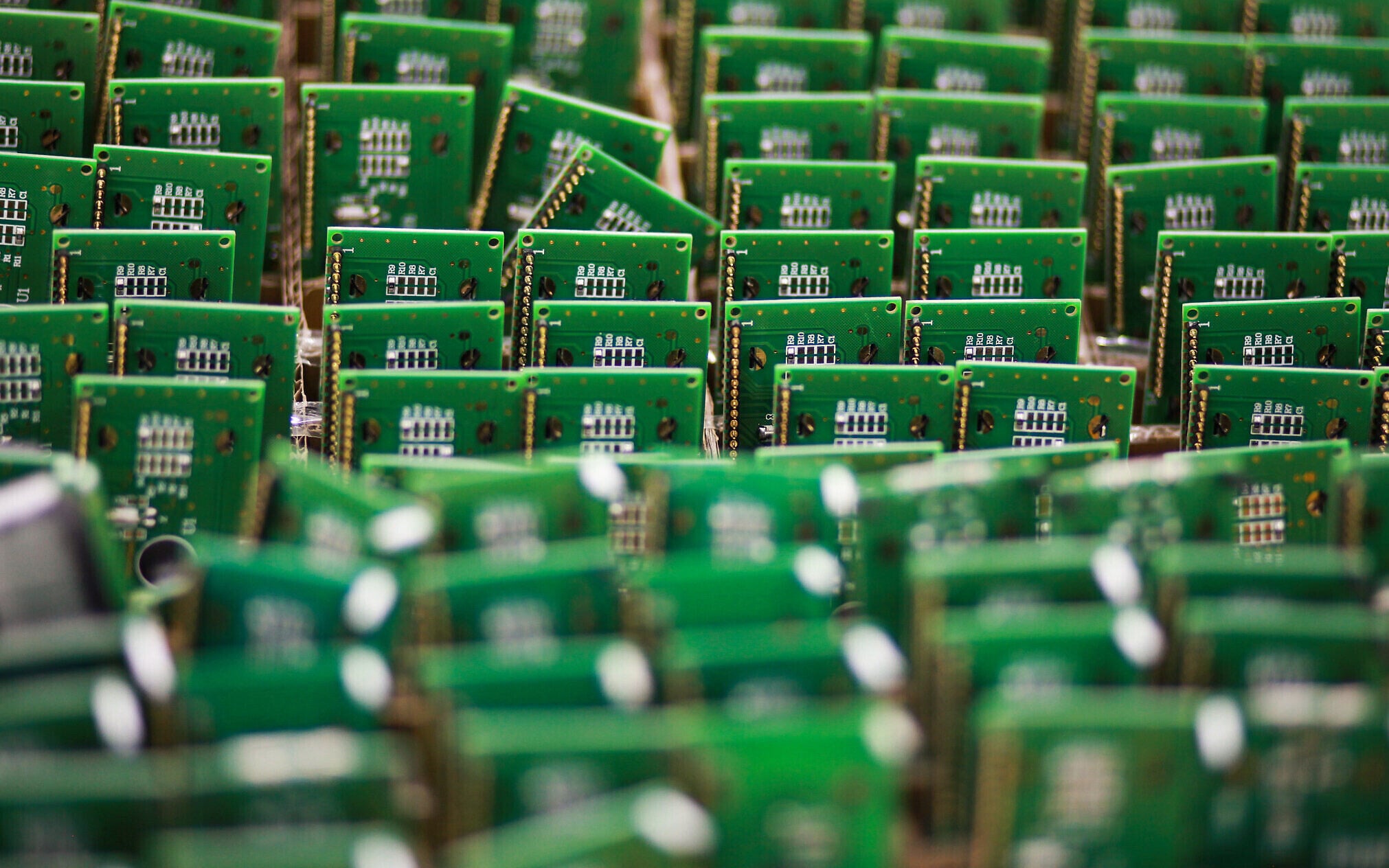
The U.S.-Taiwan semiconductor trade agreement represents a transformative moment for cross-border e-commerce technology supply chains, with profound implications for digital product sellers, electronics manufacturers, and global sourcing strategies.
Strategic Manufacturing Realignment is the core narrative emerging from this landmark agreement. The $250 billion investment by Taiwanese tech companies, particularly TSMC's expansion in Arizona, signals a critical geopolitical and technological recalibration. For e-commerce sellers, this translates into potentially significant shifts in component availability, manufacturing costs, and technological innovation pathways.
The nuanced policy framework introduces compelling incentives and risks for technology manufacturers. Taiwanese chip producers can import up to 2.5 times their production capacity during construction, reducing to 1.5 times after facility completion. Commerce Secretary Howard Lutnick's warning of potential 100% tariffs for non-compliance creates a powerful motivational structure that will accelerate domestic semiconductor manufacturing.
E-Commerce Seller Implications are multifaceted. Technology sellers should anticipate:
- Potential reduction in component sourcing costs from more localized manufacturing
- Increased reliability in semiconductor supply chains
- Possible price stabilization in electronic product categories
- New opportunities in emerging technology product development
The agreement strategically addresses semiconductor supply chain resilience, reducing dependency on Asian manufacturing and creating a more robust domestic technology infrastructure. For cross-border sellers, this represents a pivotal moment to reassess product sourcing, technological innovation strategies, and competitive positioning in global marketplaces.
Questions 5
What are the key tariff benefits for Taiwanese chip manufacturers?
Manufacturers can import up to 2.5 times their production capacity during construction, reducing to 1.5 times after facility completion, with potential penalties of up to 100% tariffs for non-compliance with U.S. manufacturing investments.
How will the U.S.-Taiwan semiconductor agreement impact e-commerce technology sellers?
The agreement will likely reduce component sourcing costs, improve supply chain reliability, and create new opportunities for technology product development by establishing more localized semiconductor manufacturing in the United States.