
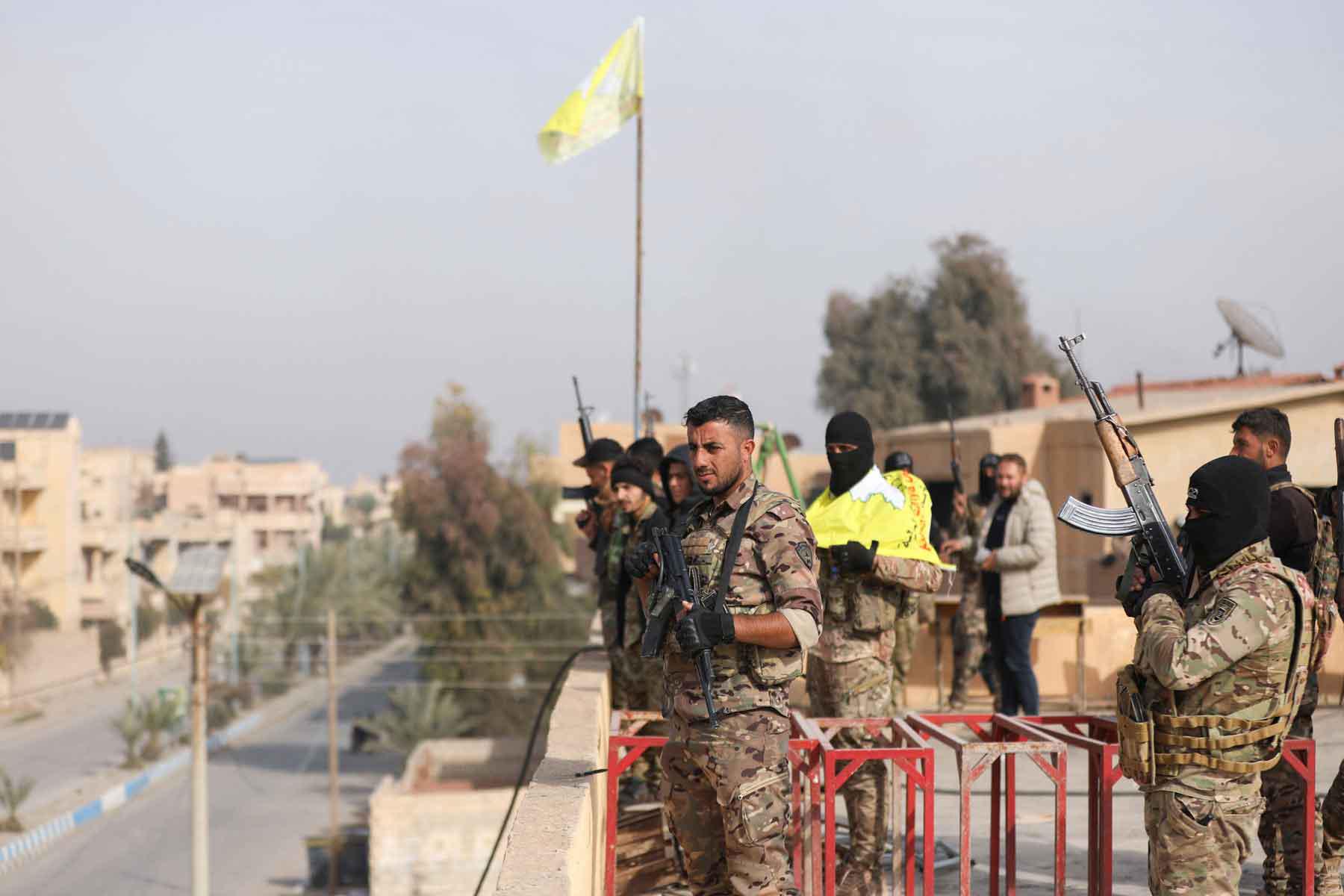


Syria's Delicate Power Reconfiguration: Kurdish Forces Navigate Existential Integration Negotiations
- A High-Stakes Diplomatic Realignment Reshaping Middle Eastern Geopolitical Dynamics











Overview
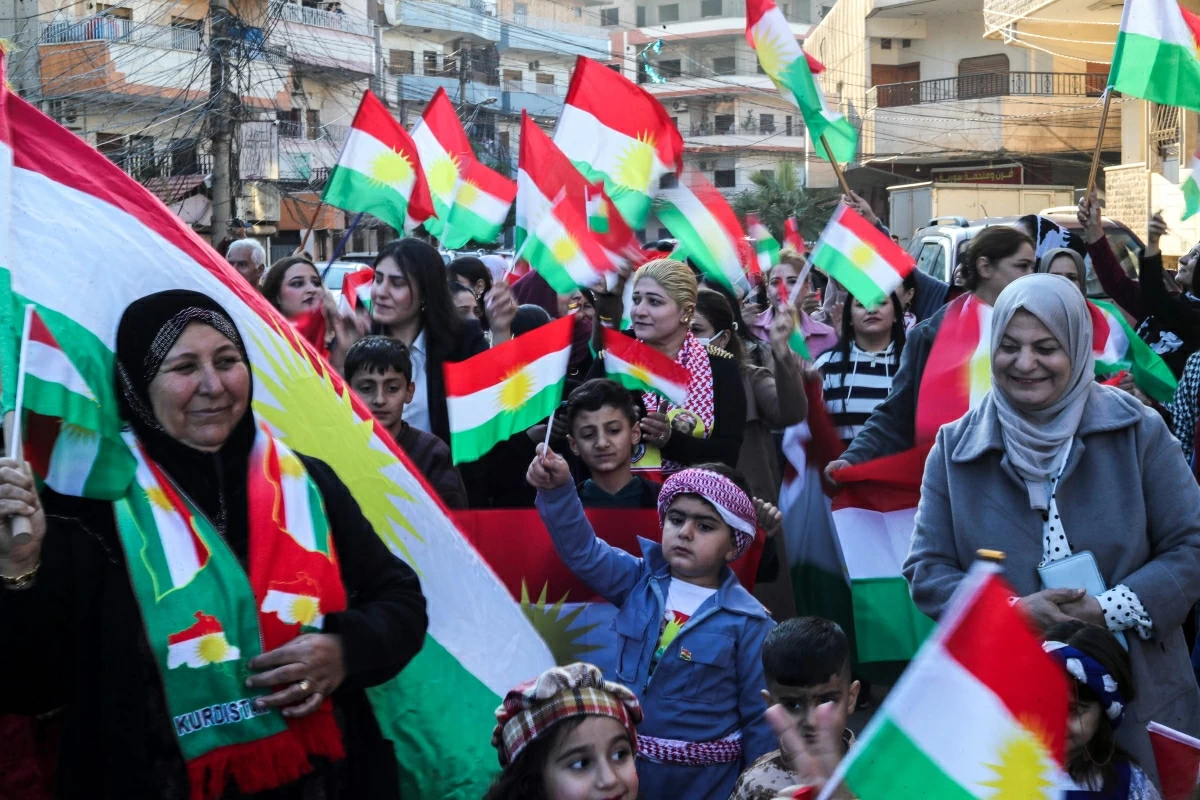
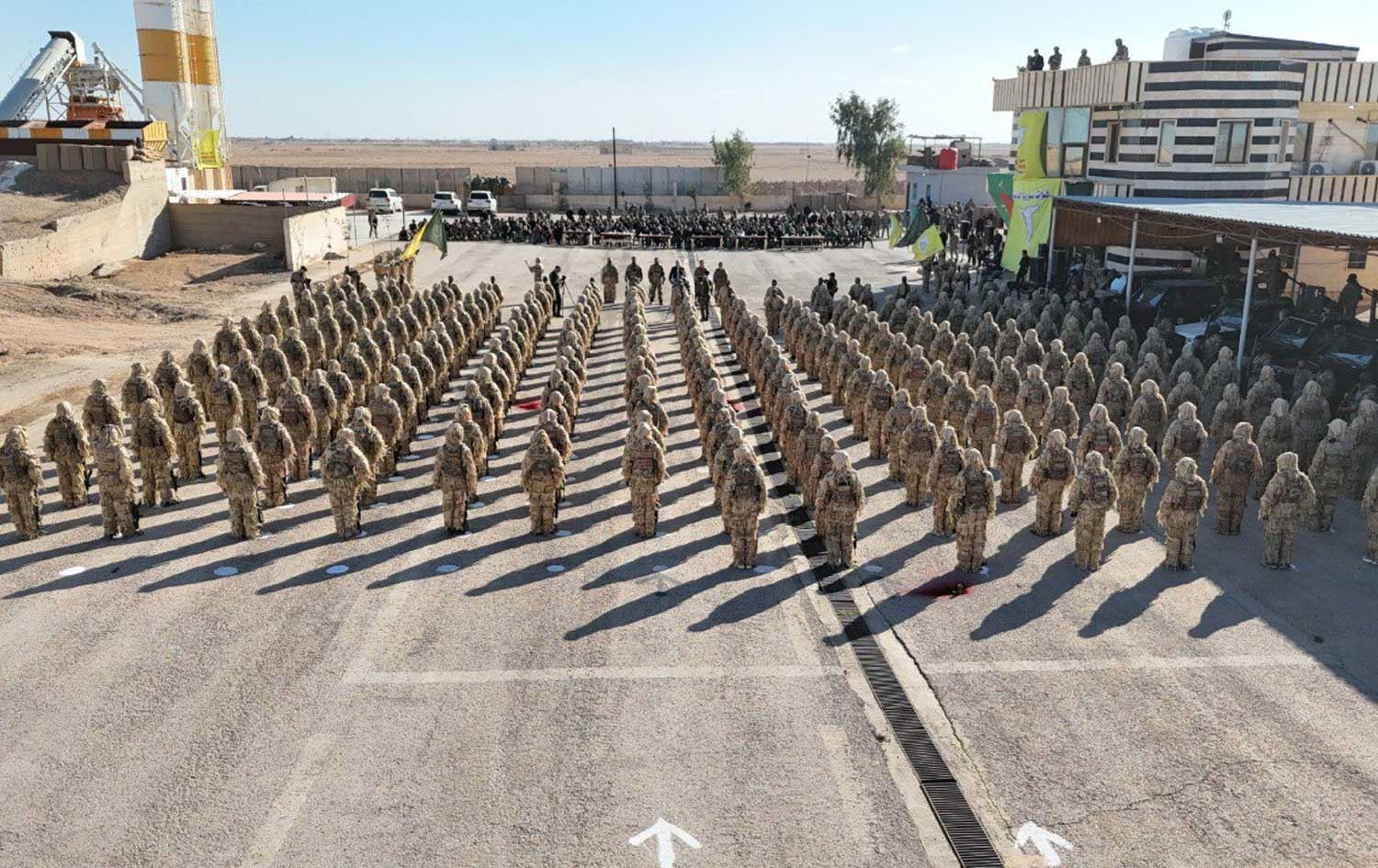
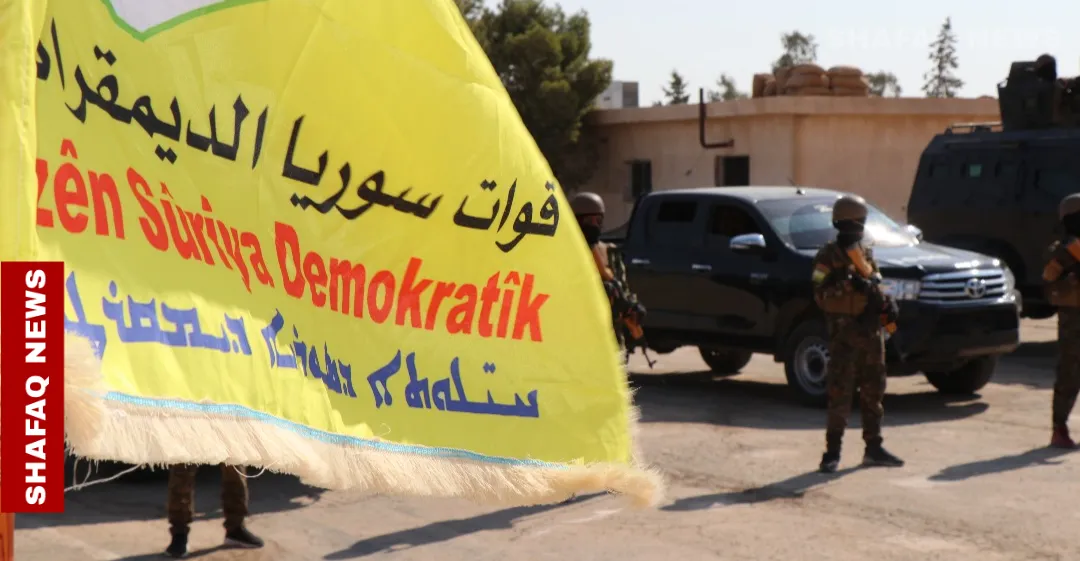
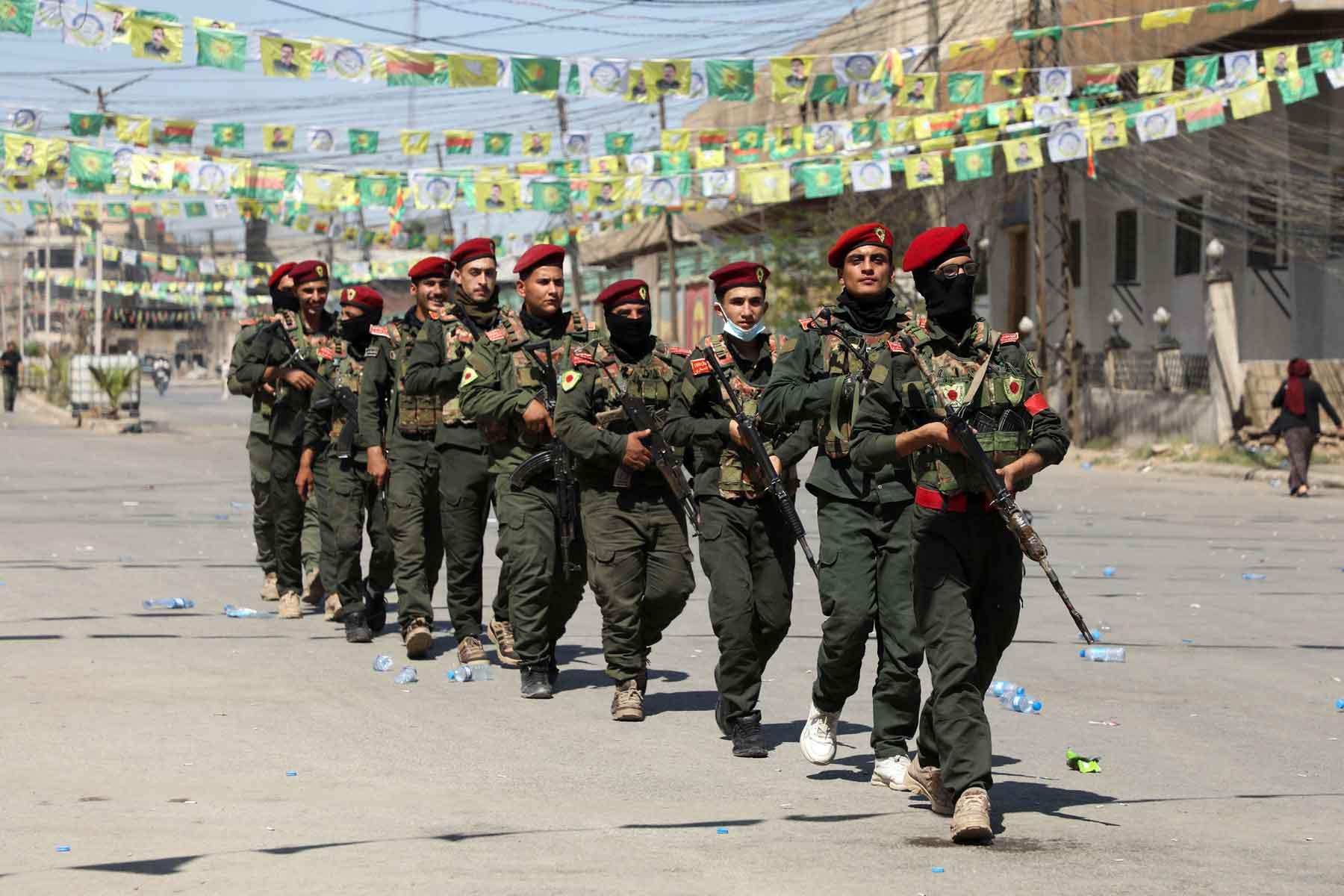
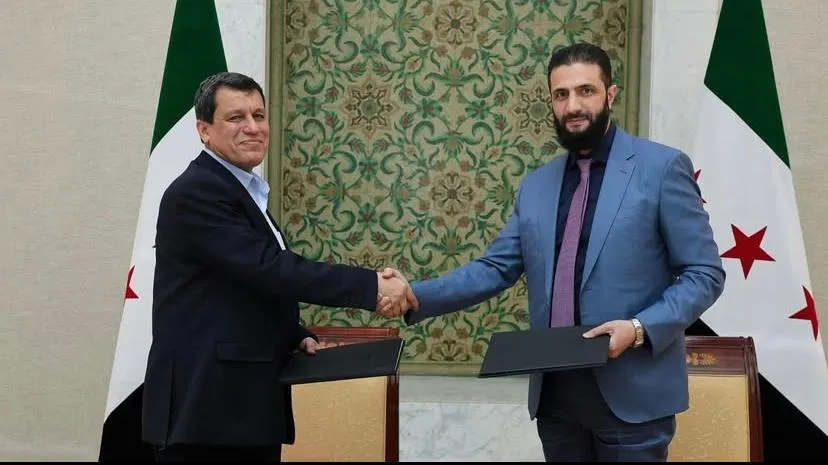
In the intricate geopolitical landscape of Syria, a transformative negotiation is unfolding that could fundamentally reshape regional power structures. The Syrian Democratic Forces (SDF) are engaged in a critical integration process with the Syrian government, representing a potential watershed moment in the region's post-conflict reconstruction.
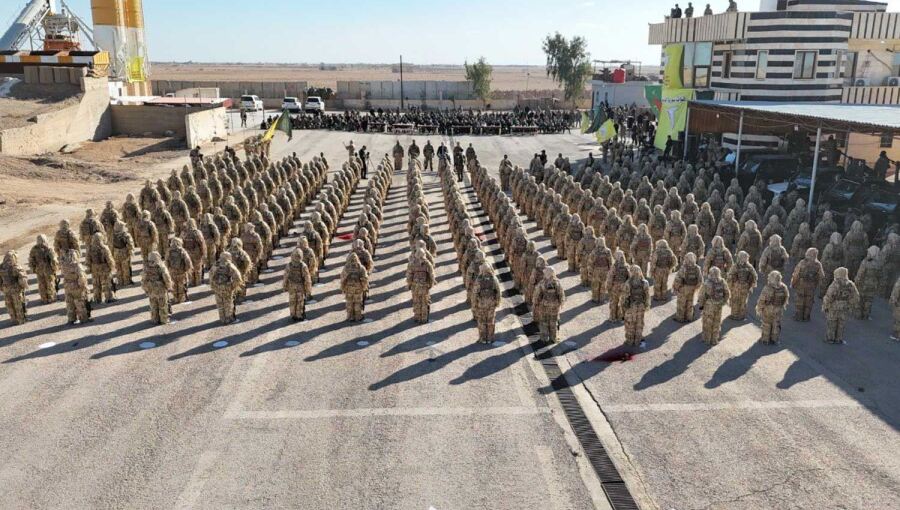
Strategic Complexity Unveiled: The proposed integration framework involves absorbing approximately 50,000 Kurdish fighters into three distinct divisions under Syria's Ministry of Defense, with a December 31 deadline for initial agreements. This is not merely an administrative restructuring, but a nuanced diplomatic chess match with profound implications. The SDF, which controls Syria's oil-rich northeast, is cautiously negotiating to preserve its hard-won autonomy while seeking institutional legitimacy.
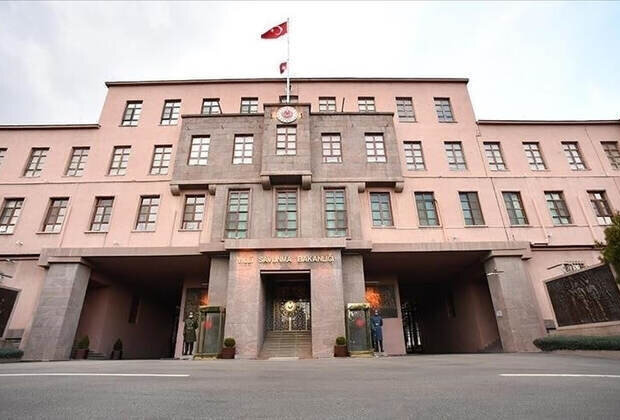
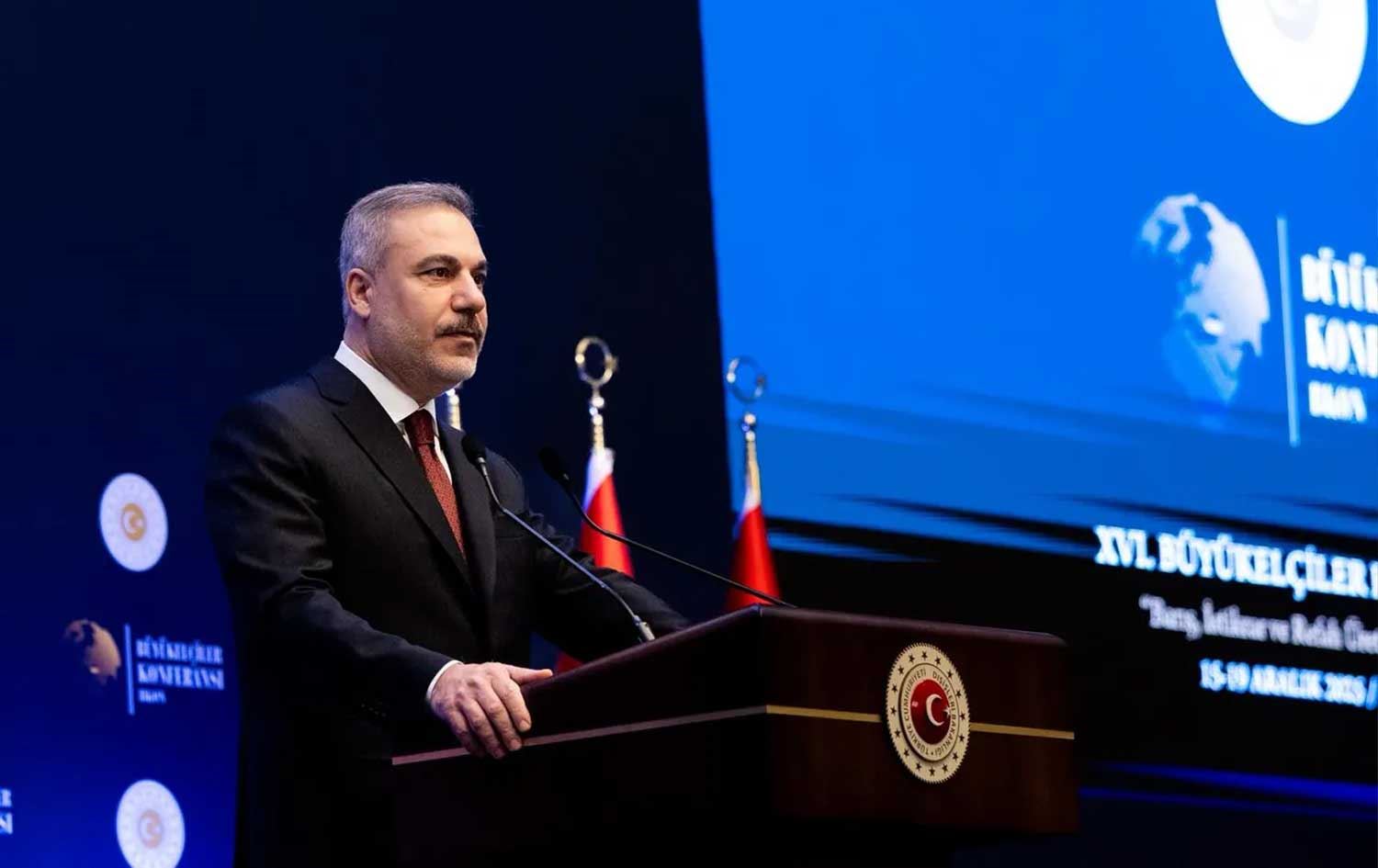
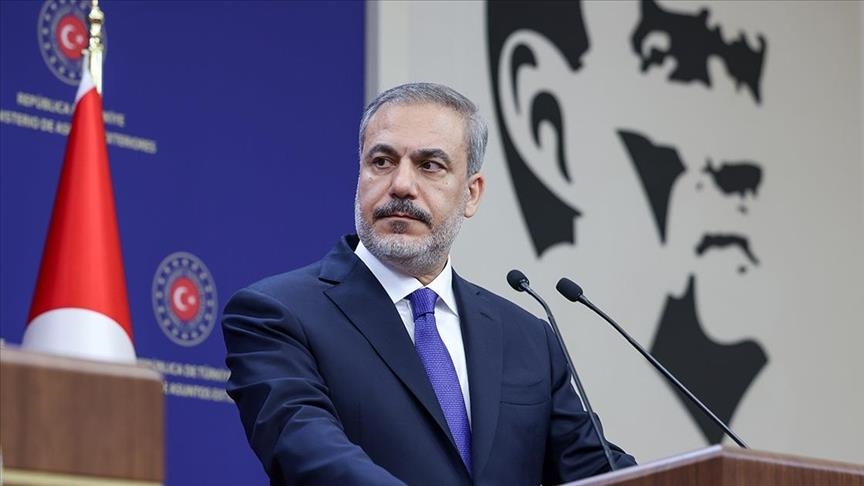
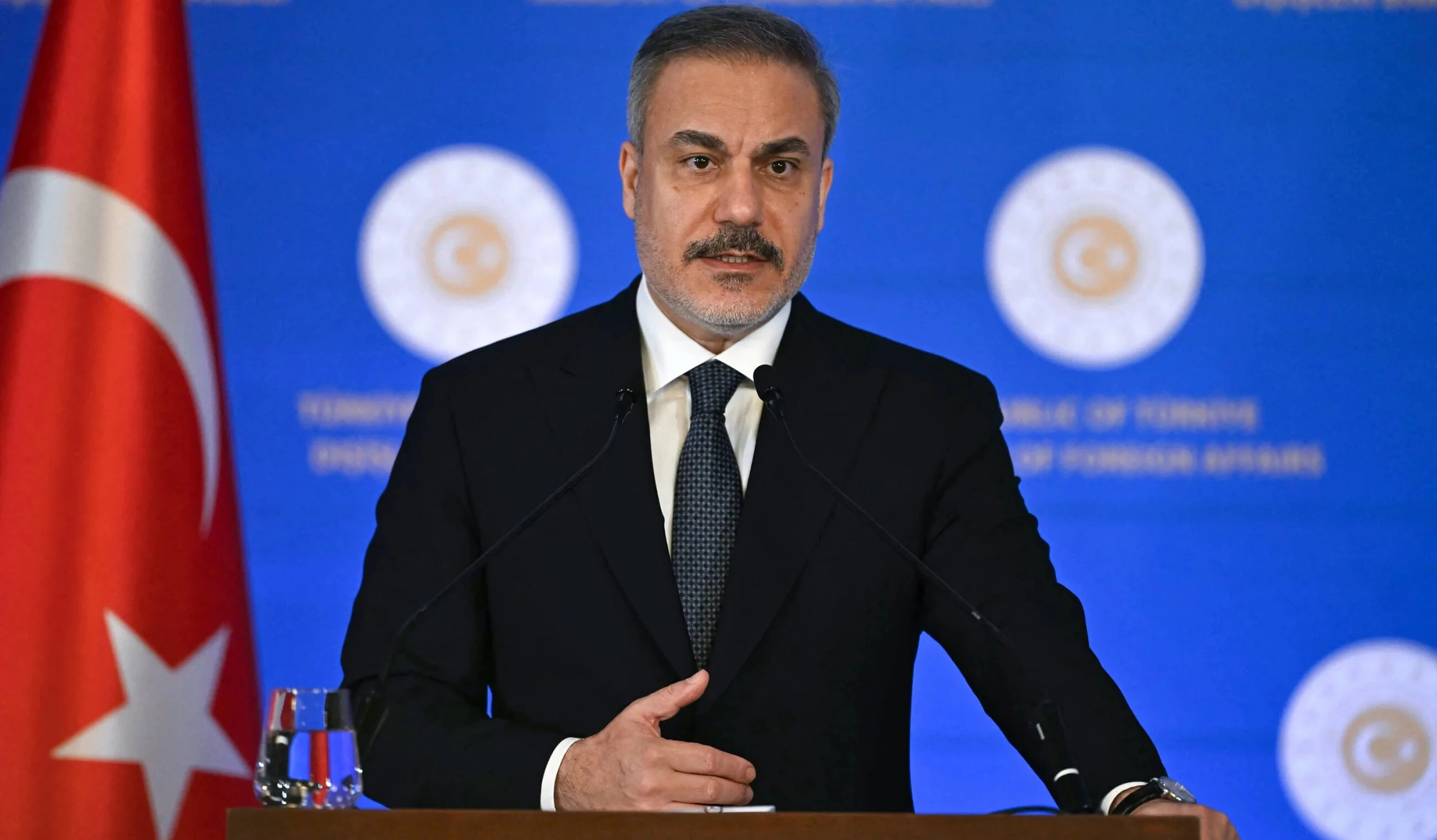
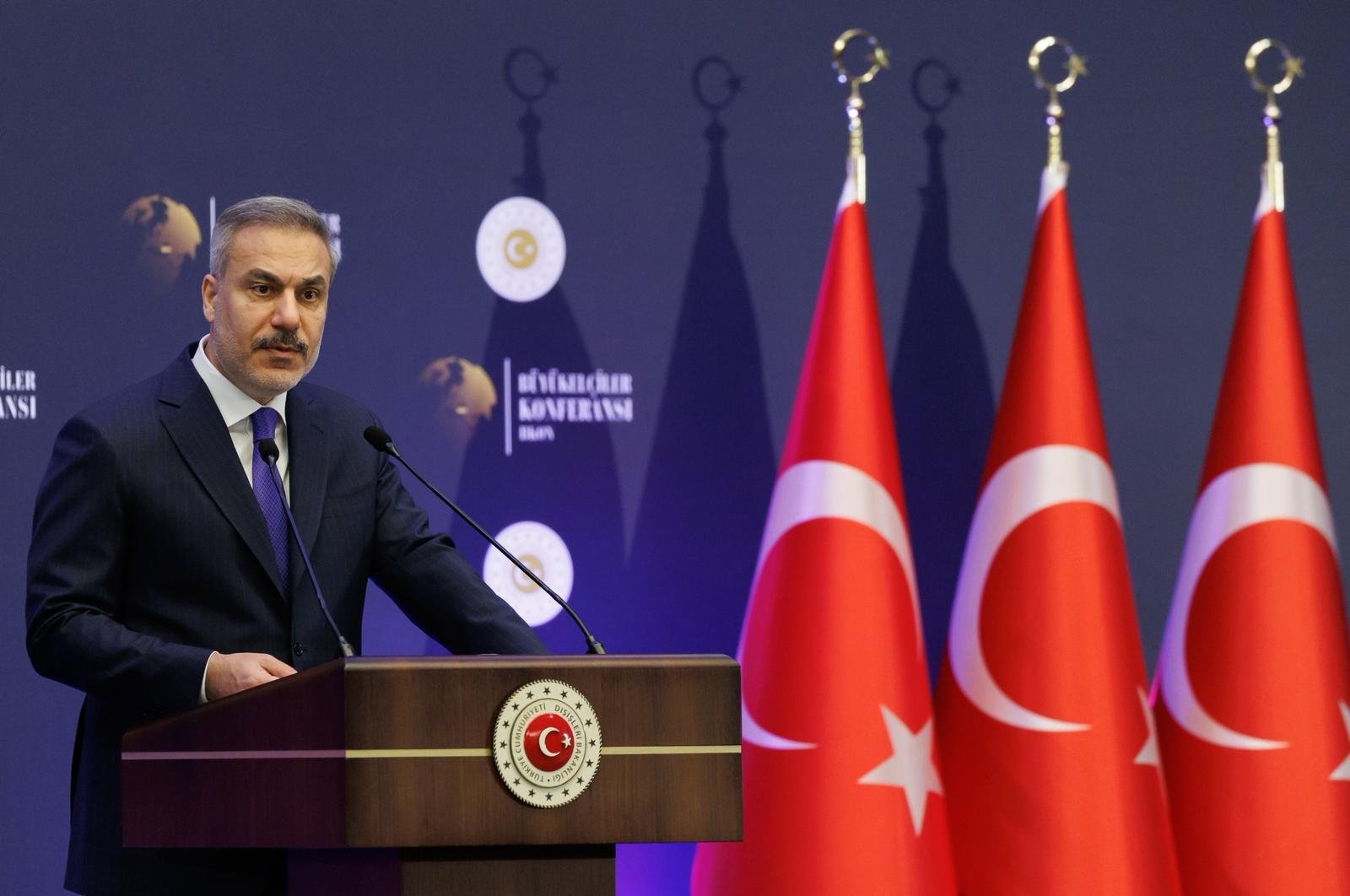
Geopolitical Recalibration: The negotiations reveal a remarkable diplomatic shift. Turkey, historically antagonistic to Kurdish forces, has surprisingly softened its stance following diplomatic interventions by US Ambassador Tom Barrack. This signals a potential realignment of regional alliances that could dramatically alter the strategic calculus in the Middle East.
Delicate Balance of Power: The proposed agreement includes critical provisions that maintain the SDF's strategic relevance: a Border Guard Division securing northeastern frontiers, a Women's Division preserving existing combat formations, and a Counter-Terrorism Division coordinating with Damascus. Notably, the framework stipulates that Syrian government units would not enter northeastern Syria, effectively preserving the SDF's core territorial and operational autonomy.
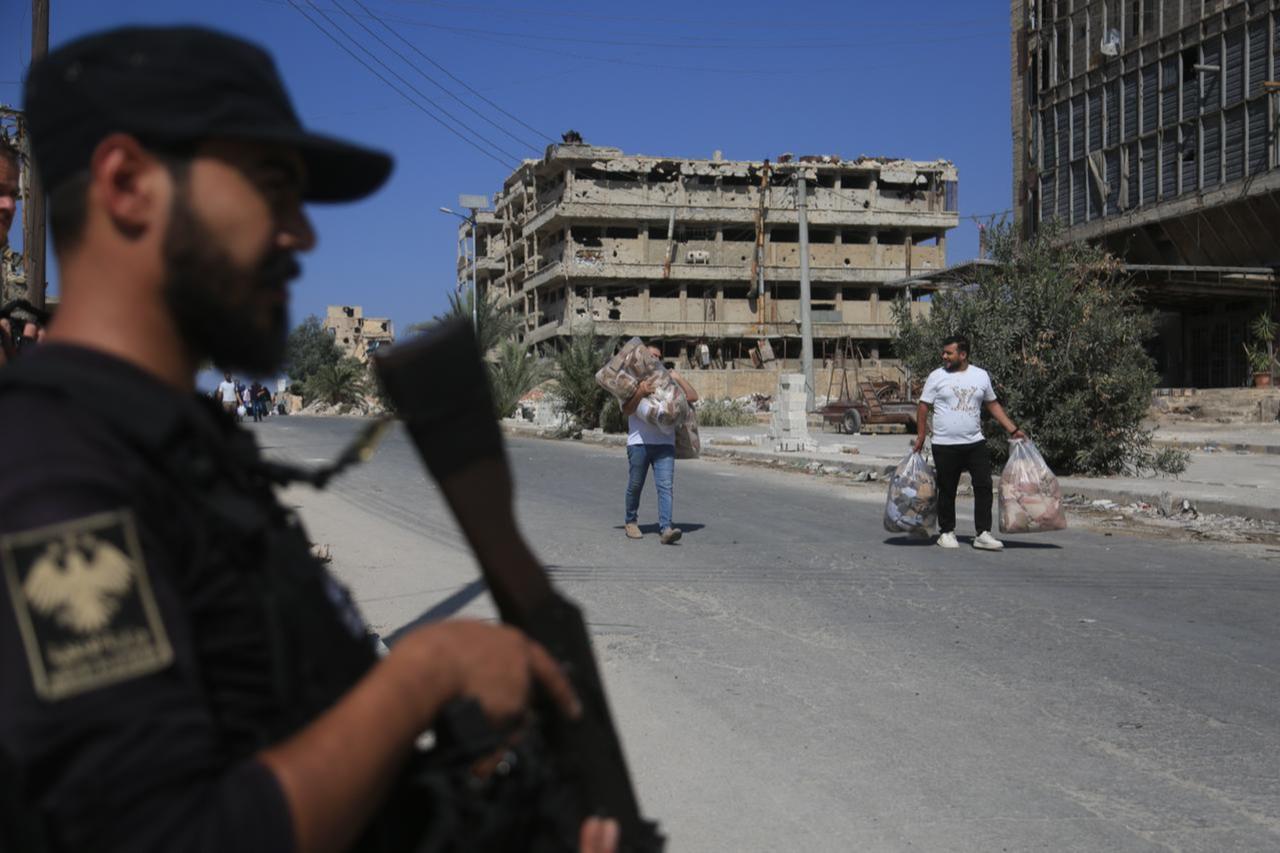
Risk and Opportunity: While the integration process presents a pathway to stability, significant challenges remain. Ongoing tensions, including recent drone strikes and ISIS threats, underscore the fragility of this potential collaboration. The negotiations represent a high-stakes diplomatic effort to transform a fractured region through dialogue and strategic compromise.
For regional stakeholders and international observers, this integration process is more than a military restructuring—it's a potential blueprint for conflict resolution in a region historically defined by sectarian divisions and geopolitical complexity.
Questions 3
What are the potential risks if the integration negotiations fail?
Failure could reignite armed conflict, potentially drawing in neighboring countries like Turkey. It might also destabilize the region, undermine post-conflict reconstruction efforts, and create a power vacuum that could be exploited by extremist groups like ISIS.
How has Turkey's position on the Kurdish forces changed?
Surprisingly, Turkey has shifted from a hostile stance to expressing cautious optimism, following diplomatic interventions by US Ambassador Tom Barrack. This represents a significant geopolitical recalibration that could reduce tensions and create new opportunities for regional cooperation.