
Global Energy Sanctions Reshape Cross-Border Supply Chains
- Impacts 50K+ Sellers in Energy, Manufacturing, and Logistics Sectors
Overview
The U.S. sanctions on Venezuelan oil imports represent a critical inflection point for global supply chain dynamics, creating profound ripple effects across international trade ecosystems. Geopolitical interventions are fundamentally restructuring energy infrastructure and logistics networks, with significant implications for cross-border sellers.
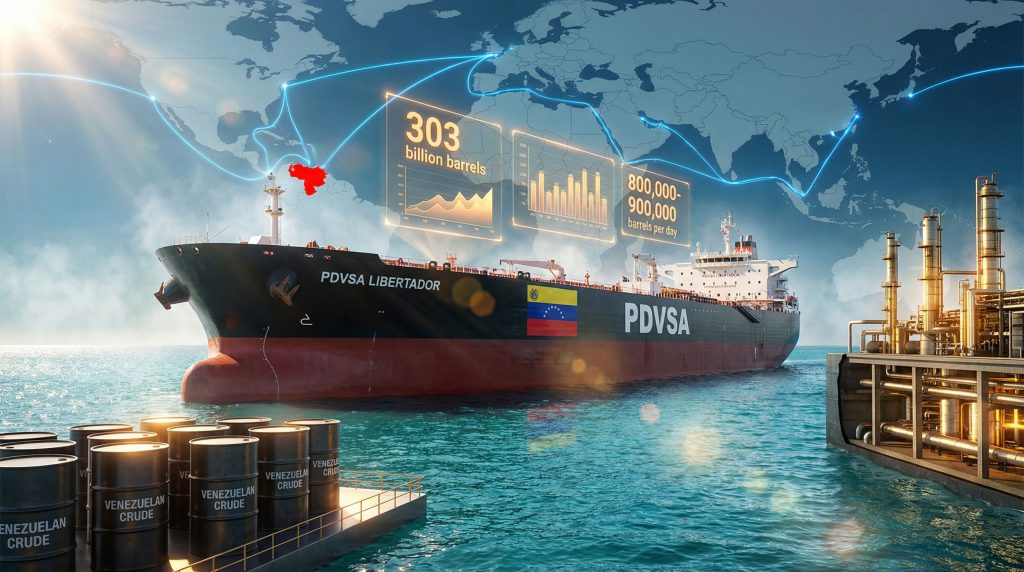
The sanctions have dramatically compressed Venezuela's oil production from 3.2 million to 800,000-900,000 barrels per day, triggering complex market recalibrations. Specialized U.S. Gulf Coast refineries, having invested over $50 billion in Venezuelan heavy crude processing infrastructure, now face substantial economic reconfiguration challenges. This scenario underscores the intricate dependencies within global supply chains and the potential for rapid, policy-driven disruptions.
For cross-border sellers, these developments signal critical strategic pivot points. Energy market volatility directly impacts transportation costs, manufacturing inputs, and global logistics pricing. The sanctions framework, which includes asset freezing and transaction prohibitions, creates a high-risk environment requiring sophisticated supply chain resilience strategies. Sellers must now:
- Diversify energy sourcing regions to mitigate geopolitical risks
- Develop flexible logistics networks with multiple alternative routes
- Implement advanced risk management protocols for international procurement
- Continuously monitor geopolitical indicators affecting trade dynamics
The current energy market's oversupply conditions, with WTI crude trading near $59.34 per barrel and LNG exports increasing by 60%, present both challenges and opportunities for agile, strategically positioned sellers. Success will depend on rapid adaptation, comprehensive market intelligence, and proactive supply chain redesign.
Questions 5
What specific actions should sellers take in response to these sanctions?
Sellers should diversify energy sourcing regions, develop alternative logistics routes, implement advanced risk management protocols, continuously monitor geopolitical indicators, and build more resilient international procurement strategies.
How do Venezuelan oil sanctions impact cross-border sellers?
The sanctions create complex supply chain disruptions, increasing transportation costs, forcing logistics network redesign, and requiring sellers to develop more flexible sourcing strategies across multiple regions to mitigate geopolitical risks.