


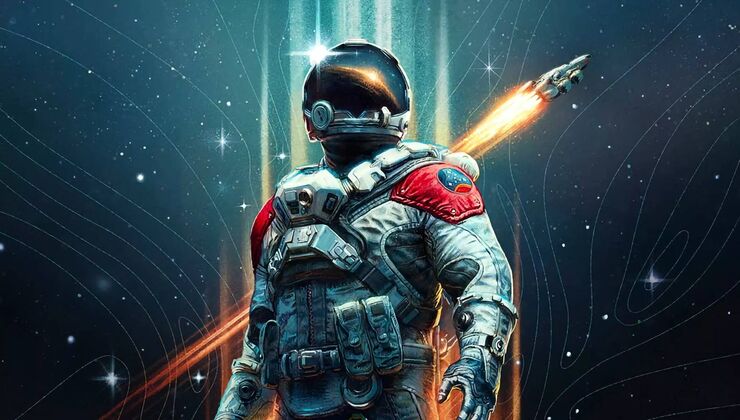


Bethesda's Starfield Navigates Uncertain Waters Across Multiple Gaming Platforms
- Emerging game strategy reveals complex cross-platform challenges for next-generation gaming






















Overview
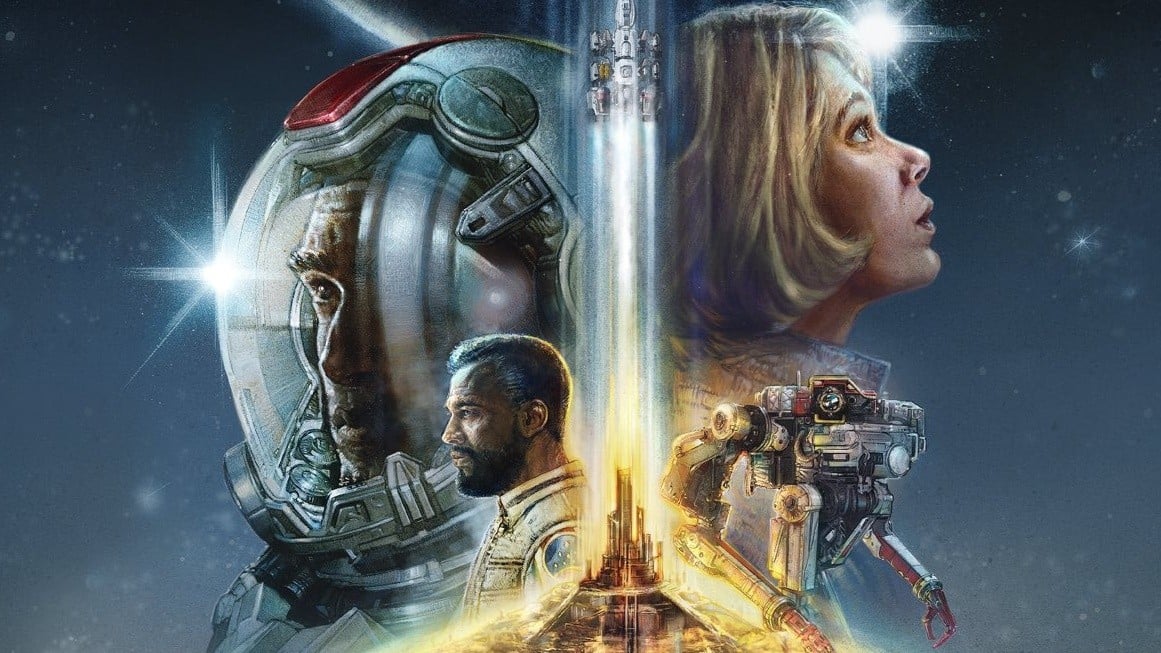
Bethesda's Starfield is emerging as a pivotal test case for next-generation game development, navigating a complex landscape of platform expectations, technical challenges, and community skepticism. The game's potential release across multiple platforms—including Nintendo Switch 2, PlayStation 5, and Xbox—signals a strategic but risky approach to game distribution.
The rumored 2026 release trajectory reveals multiple layers of uncertainty. Windows Central's Jez Corden suggests the game has undergone optimizations for 'low power' devices, indicating Bethesda's ambitious attempt to create a scalable gaming experience. However, the company faces significant credibility challenges, particularly after the mixed reception of previous Switch ports like Skyrim Anniversary Edition.
The most intriguing development is the potential "Cyberpunk 2.0" moment looming in 2026, which suggests Bethesda might be preparing for a substantial course correction. Datamined references hint at a potential "Cruise Mode" allowing players to travel between planets, but the company's communication remains deliberately vague. The first expansion, Shattered Space, received a "Mostly Negative" Steam user rating, further complicating the game's developmental narrative.
Community reactions reflect a nuanced mix of cautious optimism and deep skepticism. While some gamers are excited about cross-platform possibilities, others remain concerned about performance on handheld devices. This tension underscores the challenging ecosystem Bethesda must navigate—balancing technical limitations, platform expectations, and player trust.
The strategic implications are profound: Bethesda is essentially attempting to create a flexible, multi-platform gaming experience that can adapt to different hardware capabilities. This approach represents a significant bet on the future of game development, where flexibility and scalability might become more important than platform-specific optimization.
Questions 3
What does Starfield's development strategy reveal about modern game publishing?
Starfield demonstrates a shift towards more flexible, platform-agnostic game development. Publishers are now prioritizing scalable game experiences that can adapt to different hardware capabilities, moving away from traditional platform-exclusive development models.
What challenges is Bethesda facing with Starfield's multi-platform release?
Bethesda is struggling with technical optimization across different platforms, maintaining game performance on lower-powered devices like the Nintendo Switch 2, and rebuilding player trust after mixed reception of previous ports. The company must balance ambitious cross-platform goals with technical limitations and community expectations.