






Uganda Political Stability: E-Commerce Market Insights 2026
- 7 Key Implications for Cross-Border Sellers in East African Market












Overview
Uganda's prolonged political leadership under President Museveni presents a complex yet potentially strategic landscape for cross-border e-commerce sellers targeting East African markets.
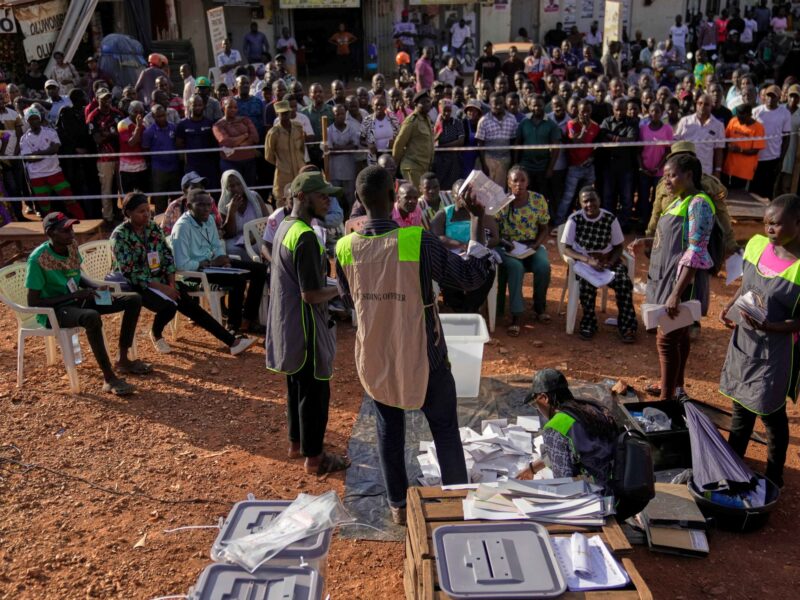
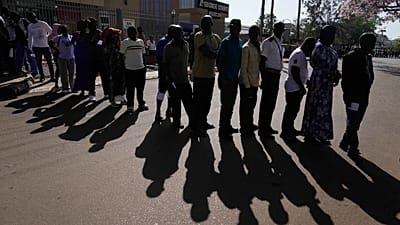
The recent election, where Museveni secured 72% of votes against challenger Bobi Wine's 25%, signals a continuation of established governance with significant implications for international businesses. Political continuity suggests a predictable regulatory environment, but also highlights potential market entry challenges.
For cross-border sellers, Uganda represents an emerging digital market with nuanced operational considerations. The prolonged internet blackouts during the election (reported by UN observers) underscore critical infrastructure limitations that e-commerce platforms must navigate. Sellers targeting this market should develop robust contingency strategies addressing potential communication disruptions, potentially through:
- Local partnership networks
- Redundant communication channels
- Flexible inventory and logistics planning
Demographic insights reveal compelling market potential: With a youth-driven population represented by Bobi Wine's 43-year-old demographic, Uganda presents an increasingly digital-savvy consumer base. E-commerce platforms can anticipate growing mobile commerce adoption, particularly among younger urban populations seeking alternative purchasing channels.
Strategic sellers should focus on:
- Mobile-optimized platforms
- Localized payment solutions
- Low-cost, high-utility product categories
- Resilient supply chain configurations
The election's political tension also signals the importance of cultural intelligence and adaptive market entry strategies. Successful cross-border sellers will prioritize understanding local market dynamics beyond traditional economic indicators.
Questions 4
How can international sellers mitigate political risk in emerging markets like Uganda?
Recommended strategies include developing local partnership networks, maintaining flexible inventory management, creating redundant communication channels, and continuously monitoring political and economic indicators through reliable sources.
Which product categories might perform well in Uganda's e-commerce landscape?
Mobile-compatible electronics, affordable smartphones, data-enabled services, educational resources, and utility-focused consumer goods are likely to resonate with Uganda's young, increasingly digital consumer base.