




Game Development's Hidden Cost: When Creativity Crushes Worker Well-Being
- Naughty Dog's 'Intergalactic' Reveals Systemic Challenges in Tech Creative Industries


























Overview
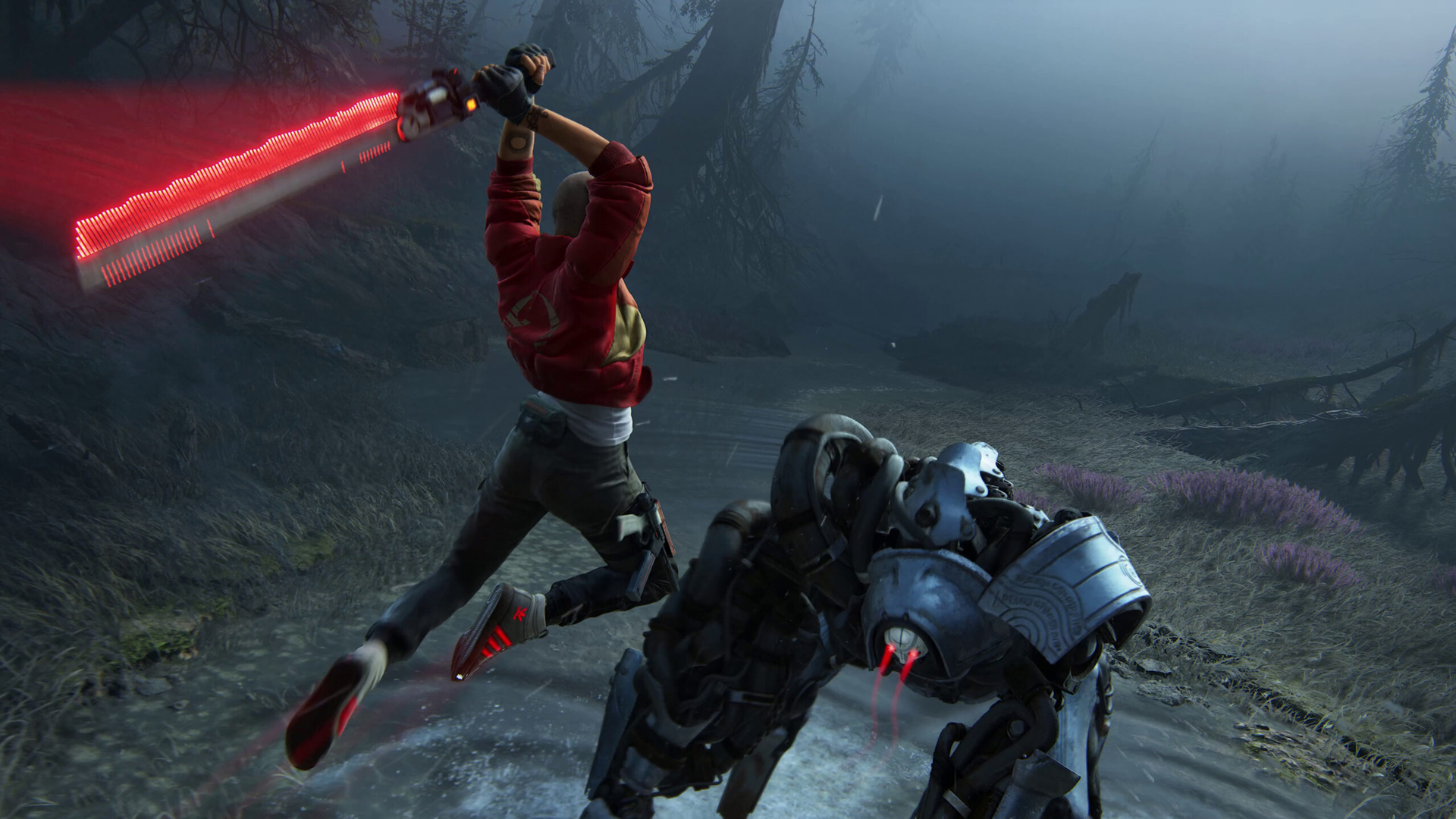
Mandatory overtime has emerged as a critical flashpoint in the video game development industry, with Naughty Dog's upcoming game 'Intergalactic: The Heretic Prophet' serving as a stark case study of persistent workplace dysfunction. From late October through recent weeks, developers were compelled to work an additional eight hours weekly, pushing total work hours to a grueling 60-hour maximum, while simultaneously increasing in-office presence from three to five days.
The situation reveals a deeper structural problem beyond a single studio's practices. Crunch culture in game development continues to leverage creative passion as a mechanism for extracting extraordinary labor from employees. Despite Naughty Dog's leadership claiming to address burnout—including hiring producers in 2021 to alleviate workload—the mandatory overtime suggests these efforts are more performative than substantive.
What makes this case particularly revealing is the systematic nature of the overtime. Employees were required to document their extra hours in a spreadsheet, indicating an institutionalized approach to extended work schedules. The disruption extends beyond mere work hours, impacting personal care arrangements like childcare and pet care, highlighting the holistic human cost of such practices.
The broader context is even more concerning. This is not an isolated incident for Naughty Dog, which has a documented history of intense work schedules. Previous reports about burnout during 'The Last of Us Part 2' development led to staff departures, yet the fundamental workplace dynamics remain unchanged. Studio leadership, including Neil Druckmann and Evan Wells, have consistently defended these practices, with Wells explicitly stating that unionization would not address workplace concerns.
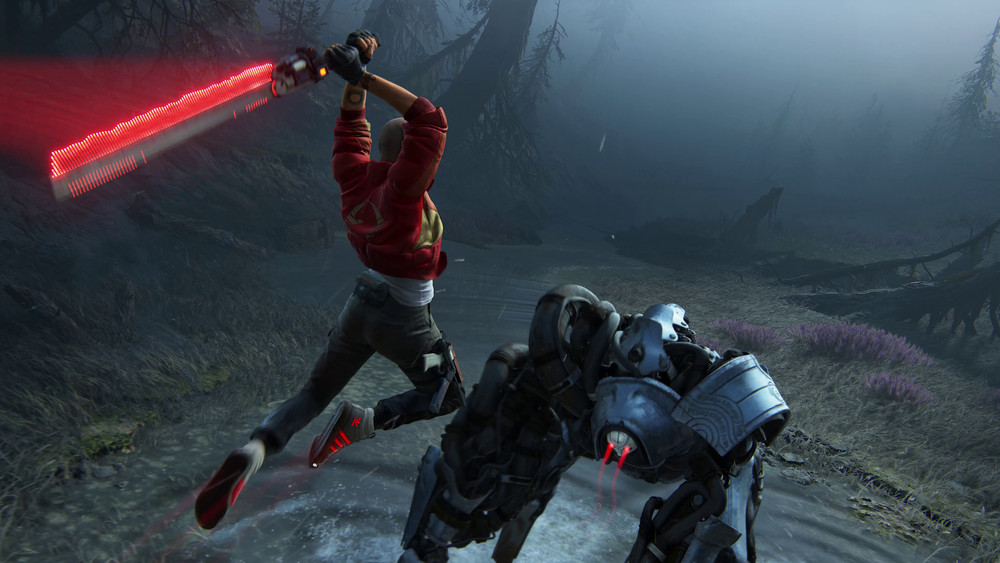
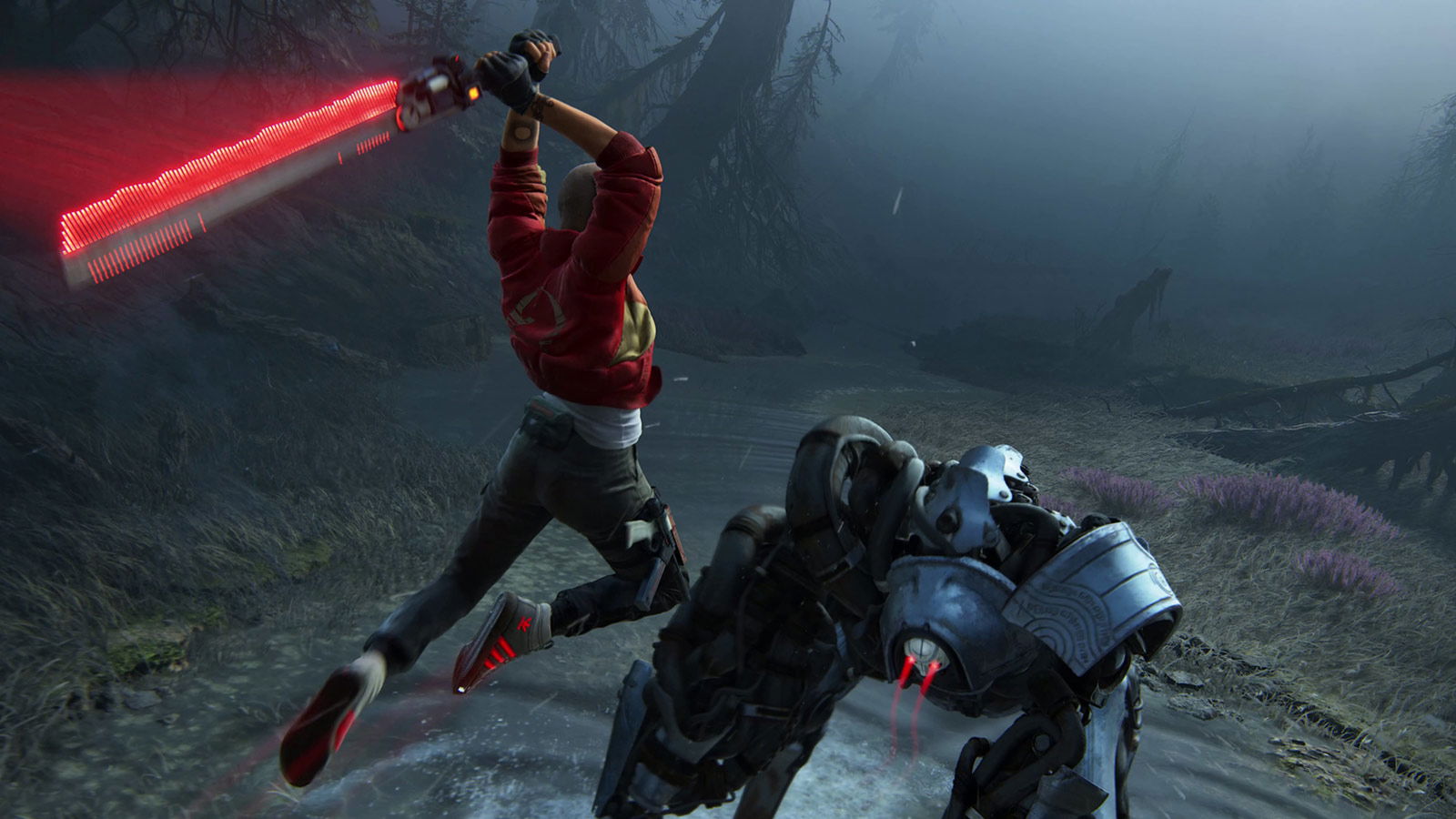
The 'Intergalactic' project itself symbolizes the tension—described as the studio's "most ambitious, expansive, and expensive game," targeting a mid-2027 release. This framing suggests that creative ambition is being used to justify extraordinary worker sacrifices, a pattern distressingly common in high-pressure creative industries.
Critically, this goes beyond game development. It represents a broader challenge in technology and creative sectors where passion is weaponized as a management tool, transforming employee dedication into a mechanism for extracting unpaid labor. The real cost is not just immediate worker exhaustion, but long-term creativity, innovation, and sustainable human potential.
Questions 4
Why are game developers at Naughty Dog working mandatory overtime?
The overtime is primarily driven by the studio's ambitious 'Intergalactic' project, which is described as their most expansive and expensive game. Developers are working additional hours to prepare a demo for Sony executives and get production back on track after multiple missed deadlines.
How long has this 'crunch culture' been a problem in game development?
Crunch culture has been a persistent issue for years. Naughty Dog specifically has a documented history dating back to at least 2020, with previous reports highlighting burnout during 'The Last of Us Part 2' development. Despite claims of wanting to address work-life balance, the studio continues to rely on extensive overtime.