


Trump's Davos 2026: AI, Trade & Global E-Commerce Shifts
- 3.1% Global Growth Signals Major Cross-Border Opportunities





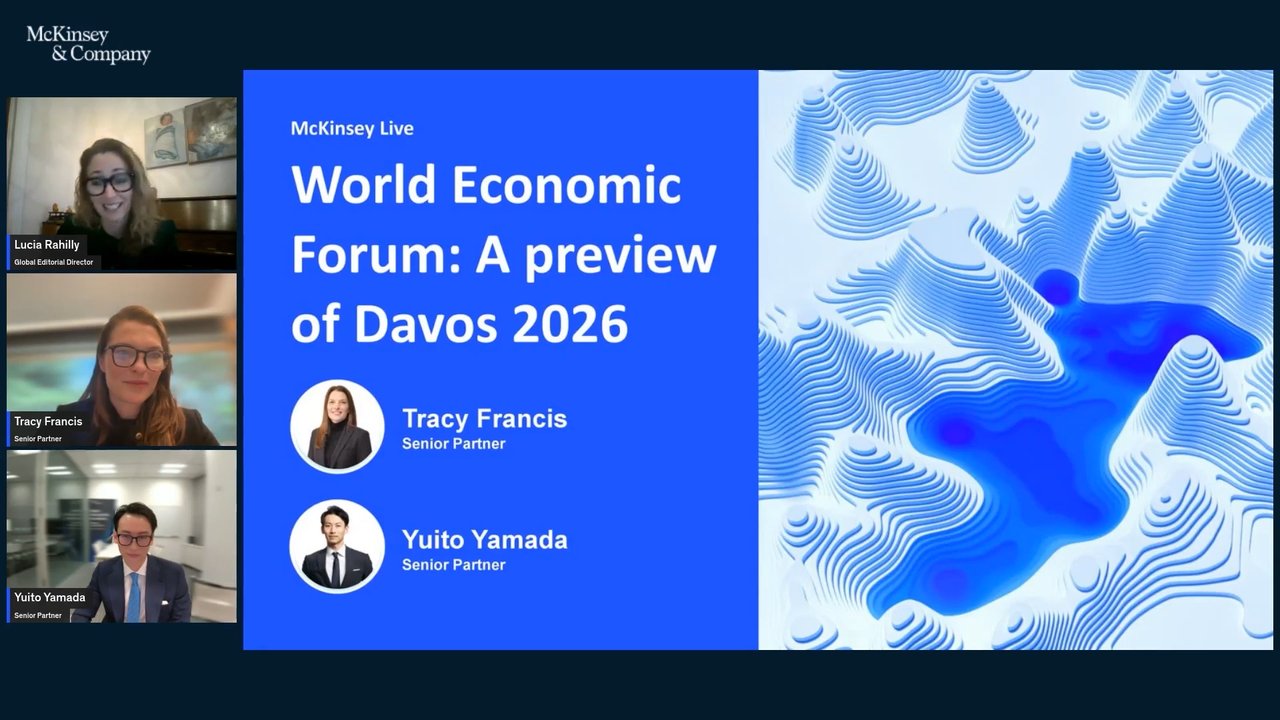















Overview
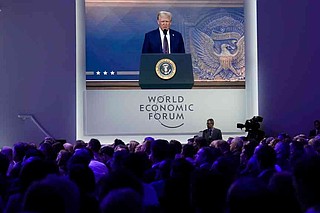
The 2026 World Economic Forum represents a pivotal moment for international e-commerce, with former President Donald Trump's attendance signaling transformative geopolitical and technological dynamics that will reshape cross-border selling strategies.
Strategic E-Commerce Implications Emerge from Davos: The conference highlights unprecedented shifts in global trade dynamics, with AI and protectionist policies creating complex market opportunities. Trump's 'America First' approach is expected to generate significant disruptions in international commerce, particularly for cross-border sellers. The WEF's Global Risks Report underscores increasing economic confrontations, suggesting sellers must develop adaptive, multi-market strategies.
AI's Transformative Impact on Global Selling: With top tech leaders from Microsoft, Nvidia, and Google participating, artificial intelligence emerges as a critical disruptive force. Anthropic CEO Dario Amodei's projection that AI could eliminate up to 50% of entry-level white-collar jobs within five years demands immediate strategic recalibration for e-commerce professionals. Sellers must proactively invest in AI-driven automation, predictive analytics, and adaptive marketplace technologies to remain competitive.
Geopolitical Landscape Reshaping Market Access: The modest 3.1% projected global economic growth, complicated by unprecedented global debt levels, creates a nuanced environment for cross-border sellers. Switzerland's diplomatic positioning and willingness to negotiate demonstrate the critical importance of adaptability. E-commerce entrepreneurs must develop flexible market entry strategies that can rapidly pivot across different geopolitical scenarios.
Sellers should view this period as a strategic inflection point, requiring sophisticated, AI-enhanced approaches to international market penetration.
Questions 4
How might global economic uncertainties affect cross-border selling in 2026?
The projected 3.1% global growth suggests a cautious market. Sellers should diversify market strategies, leverage AI-driven insights, and develop flexible international selling approaches that can quickly adapt to geopolitical changes.
What strategic opportunities emerge from the WEF 2026 discussions?
Opportunities include AI-enhanced market entry strategies, leveraging diplomatic shifts for new market access, and developing adaptive technologies that can navigate complex international trade landscapes.