



NATO Tariff Escalation: Global Trade Impact 2025
- 25% Tariffs Threaten Cross-Border E-Commerce for 8 European Markets










Overview
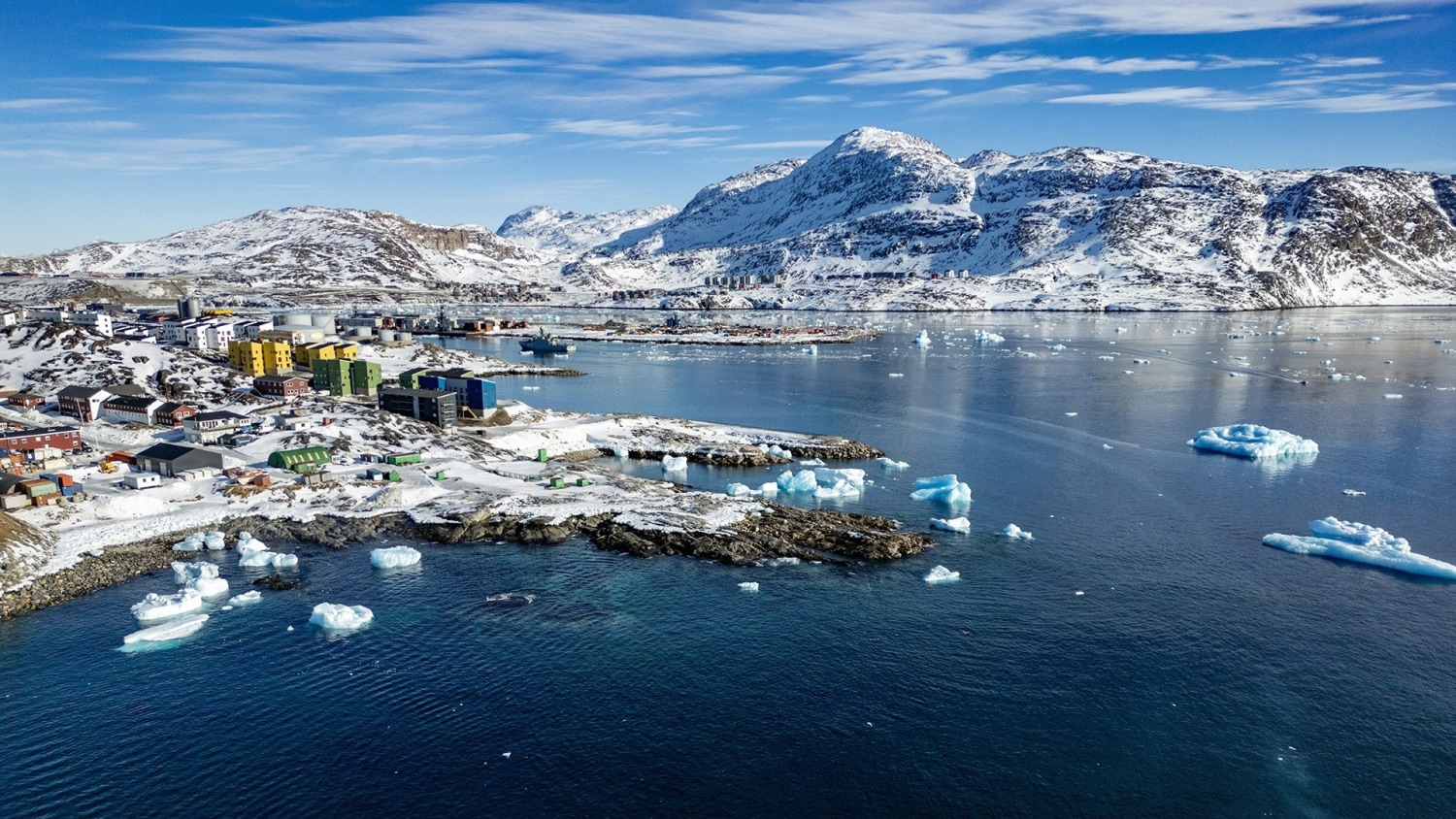
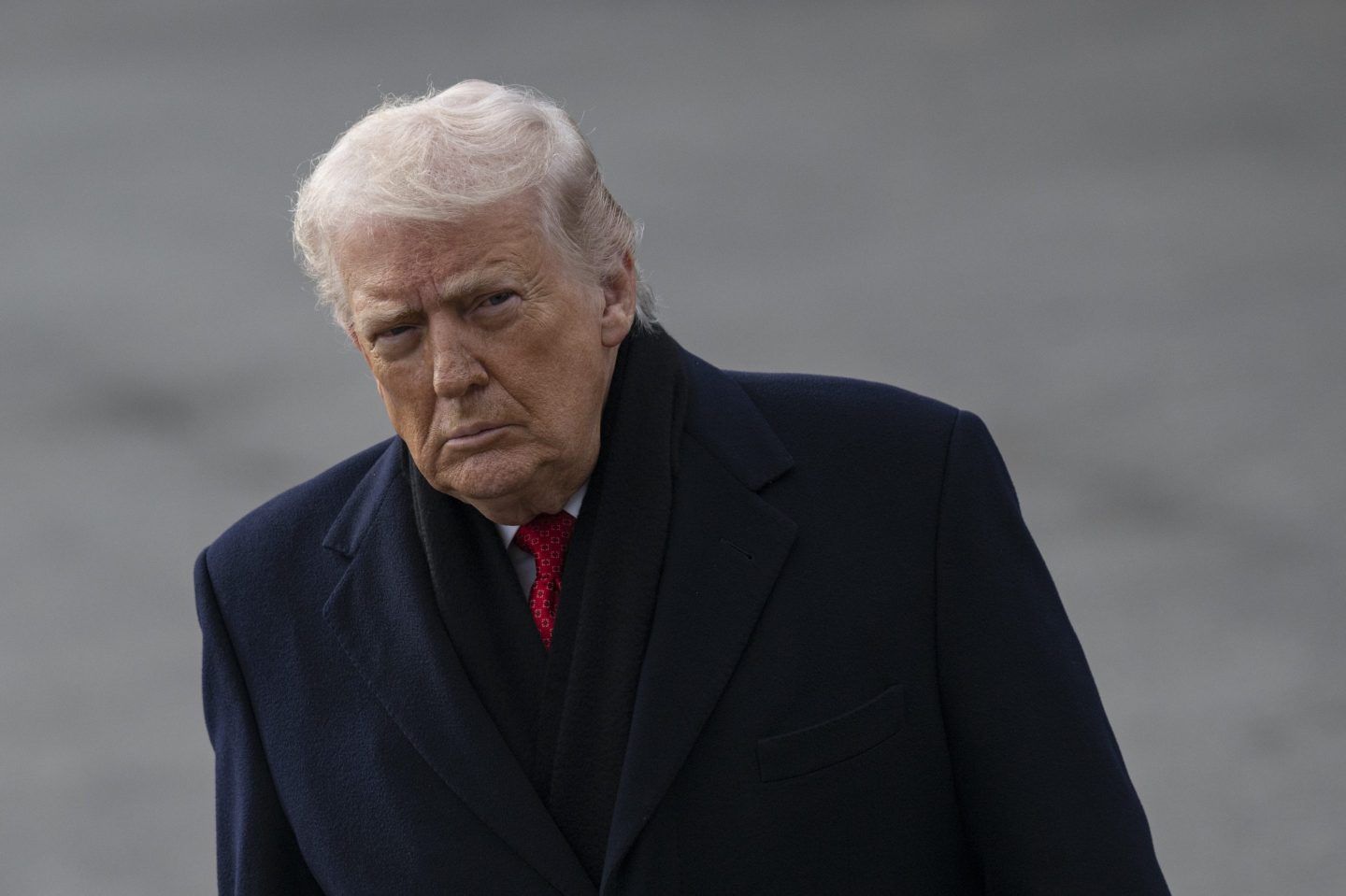
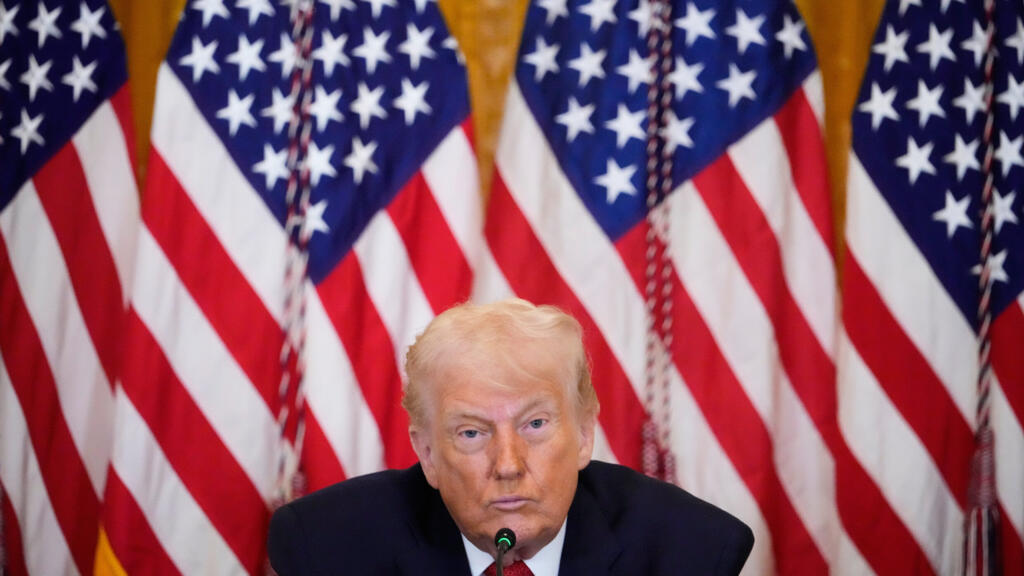
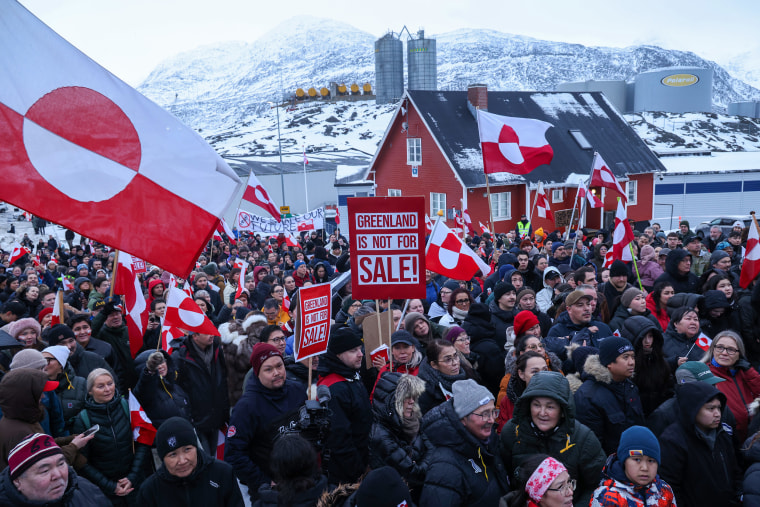
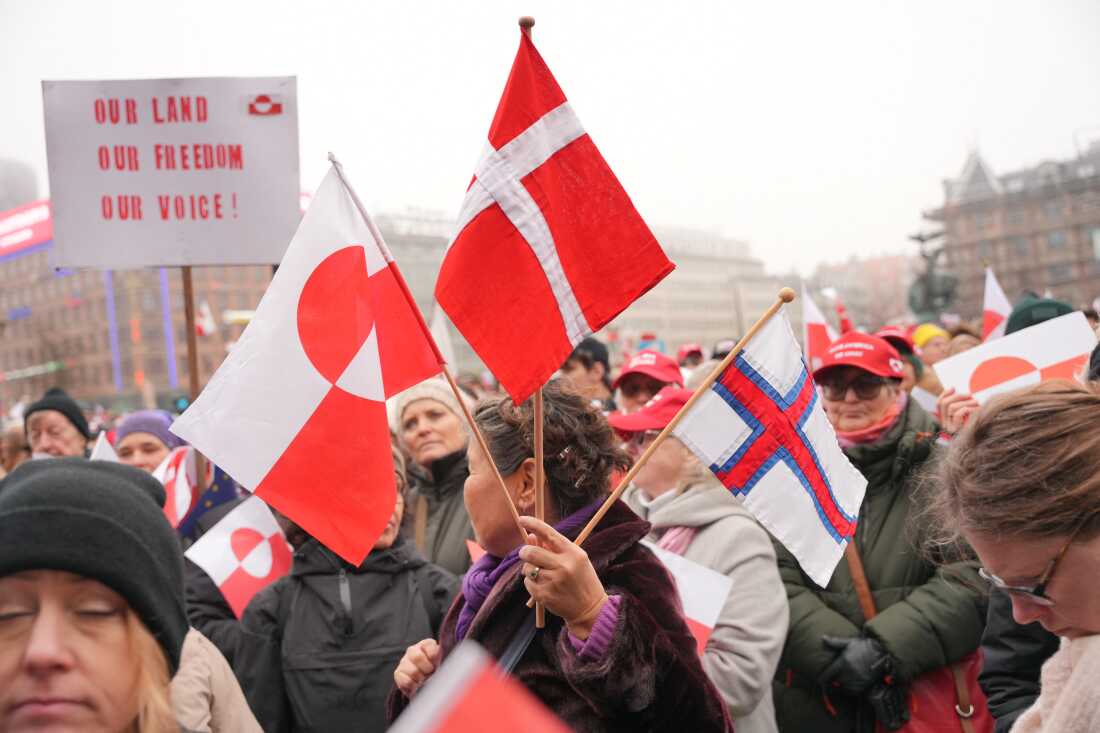
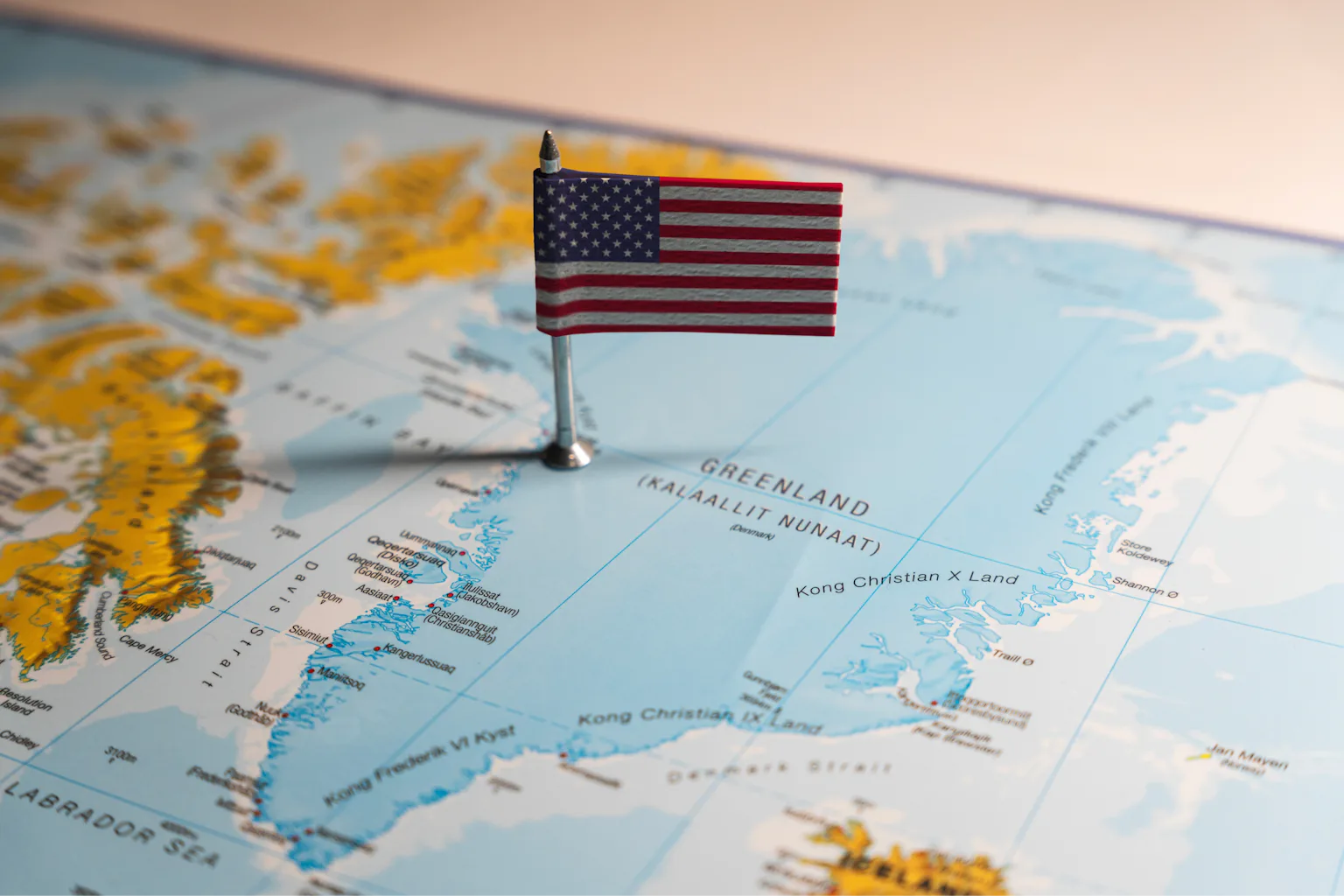
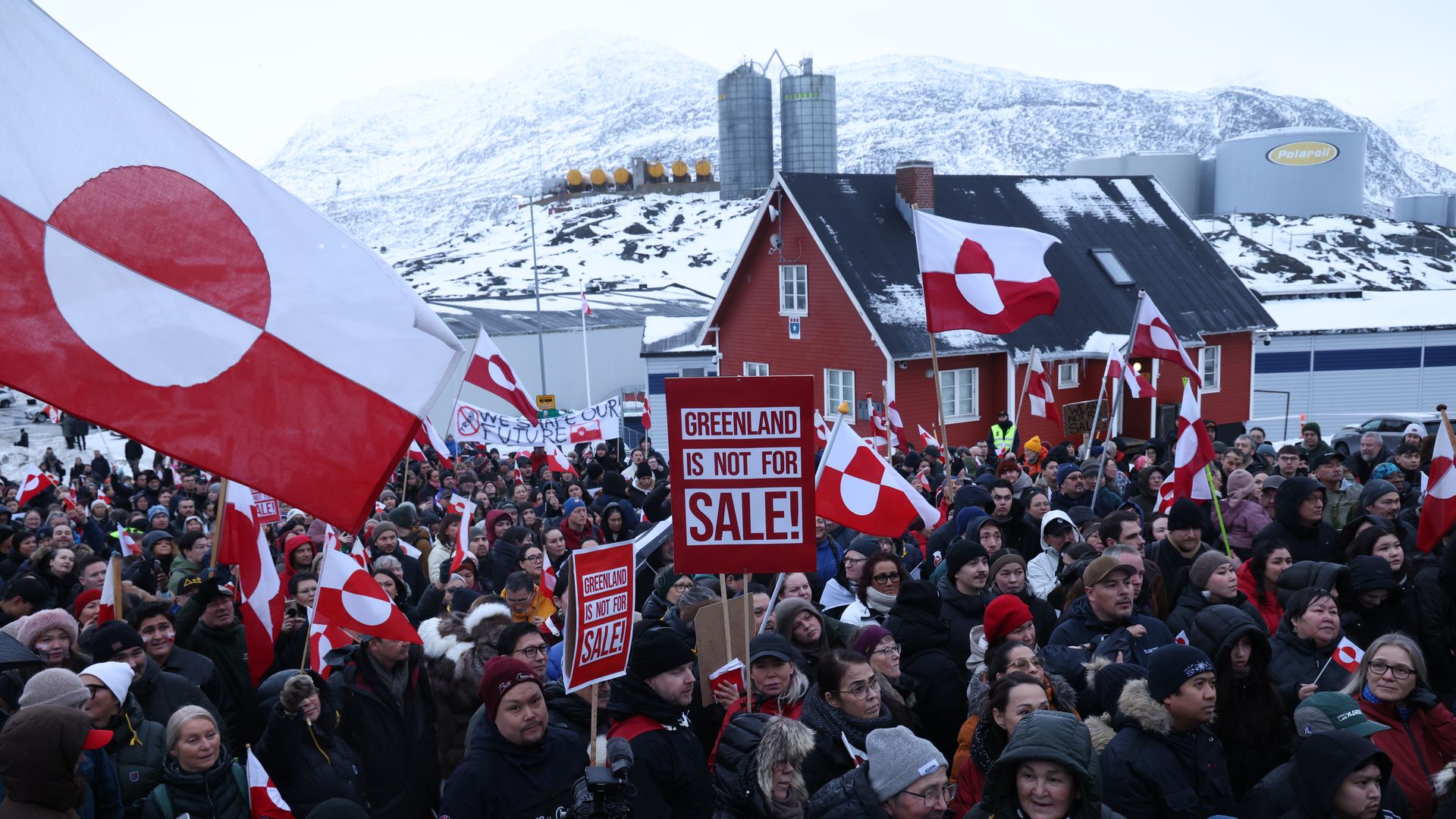
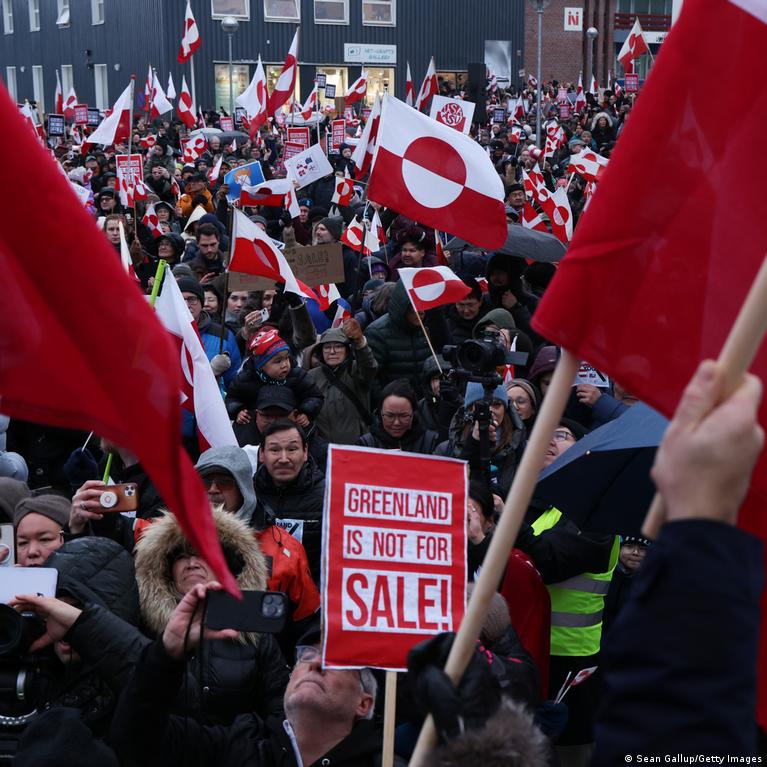
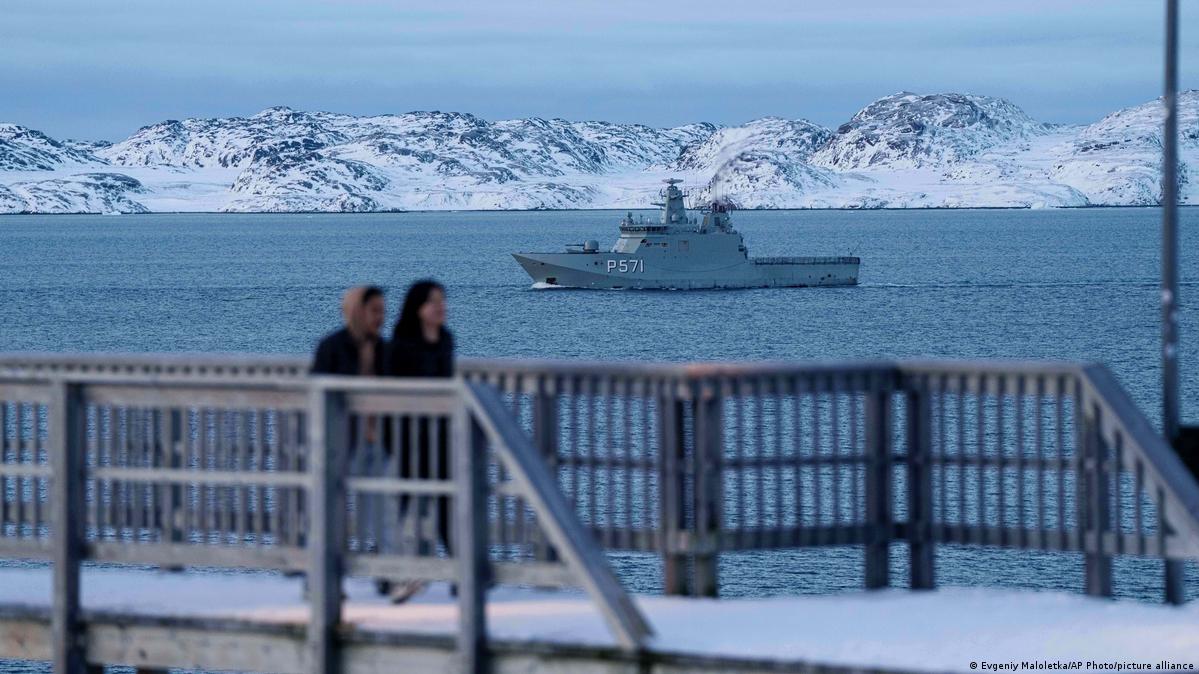
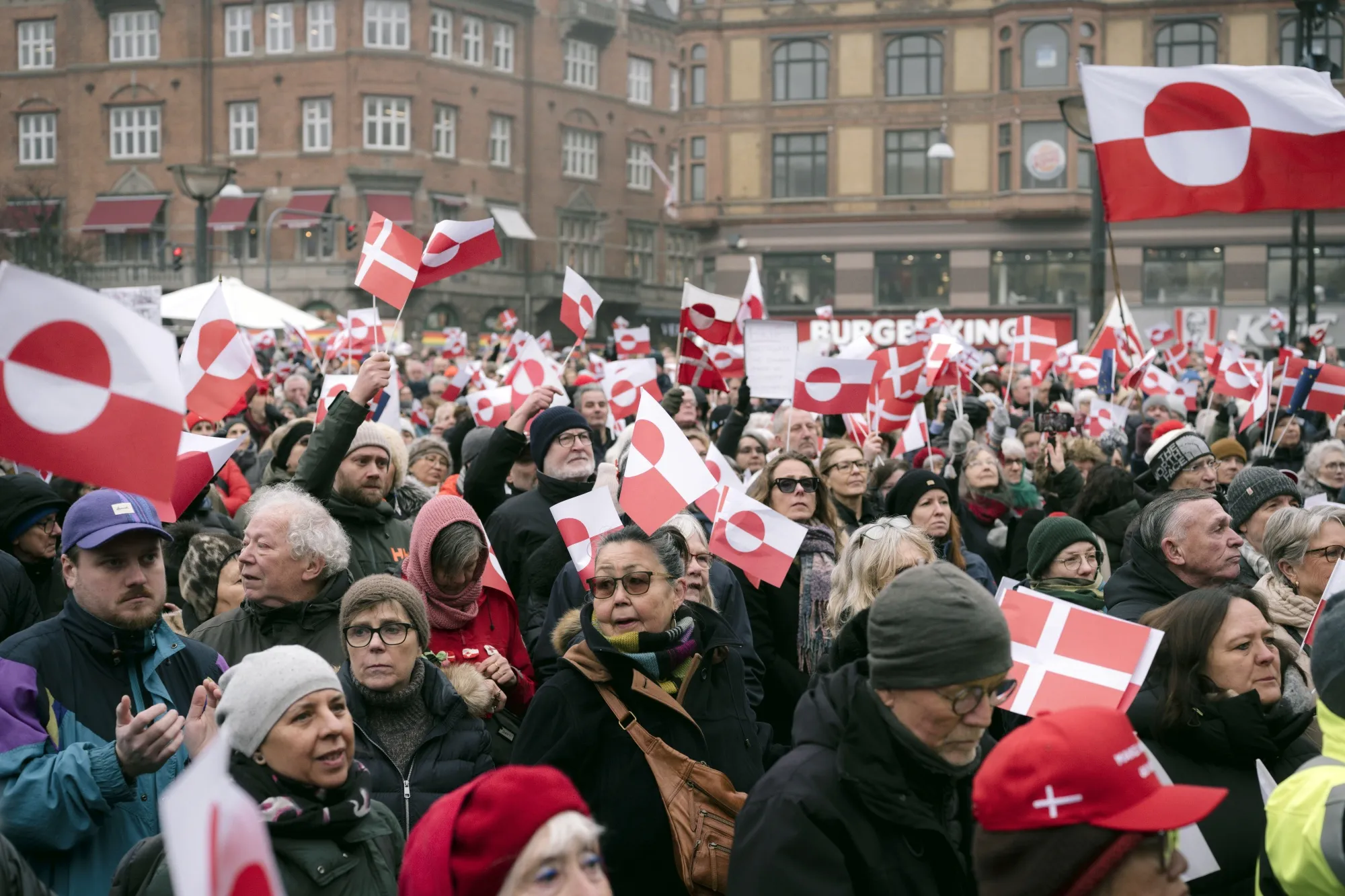
The Trump administration's aggressive Greenland acquisition strategy is creating unprecedented disruptions in international trade dynamics, with direct implications for cross-border e-commerce sellers.
The proposed tariff strategy targeting eight NATO members represents a significant geopolitical pressure tactic that could fundamentally reshape international trade corridors. Starting February 1st, 2026, tariffs will incrementally increase from 10% to 25% on goods from Denmark, Norway, Sweden, France, Germany, the United Kingdom, the Netherlands, and Finland—creating massive compliance and pricing challenges for cross-border sellers.
Strategic Seller Implications:
- Immediate tariff exposure for European-origin products
- Potential 15-25% margin compression for affected sellers
- Requirement to rapidly diversify supply chain and sourcing strategies
- Increased complexity in product pricing and market positioning
The diplomatic tensions reveal deeper geopolitical complexities. With only 17% of Americans supporting the Greenland acquisition plan and widespread international criticism, sellers must anticipate rapid policy shifts. The proposed tariffs utilize broad presidential powers under the International Emergency Economic Powers Act, signaling an unpredictable trade environment.
Operational Recommendations:
- Conduct immediate supply chain risk assessment
- Develop alternative sourcing strategies for affected countries
- Build pricing models accounting for potential 25% tariff increases
- Monitor legal challenges that might modify tariff implementation
The situation underscores the critical need for agile, geographically diversified e-commerce strategies that can rapidly adapt to complex international trade dynamics.
Questions 5
How are e-commerce sellers advised to prepare for these potential tariffs?
Sellers should conduct immediate supply chain risk assessments, develop alternative sourcing strategies, build flexible pricing models, and monitor ongoing legal and diplomatic developments that might impact tariff implementation.
What is the broader context of the Greenland acquisition attempt?
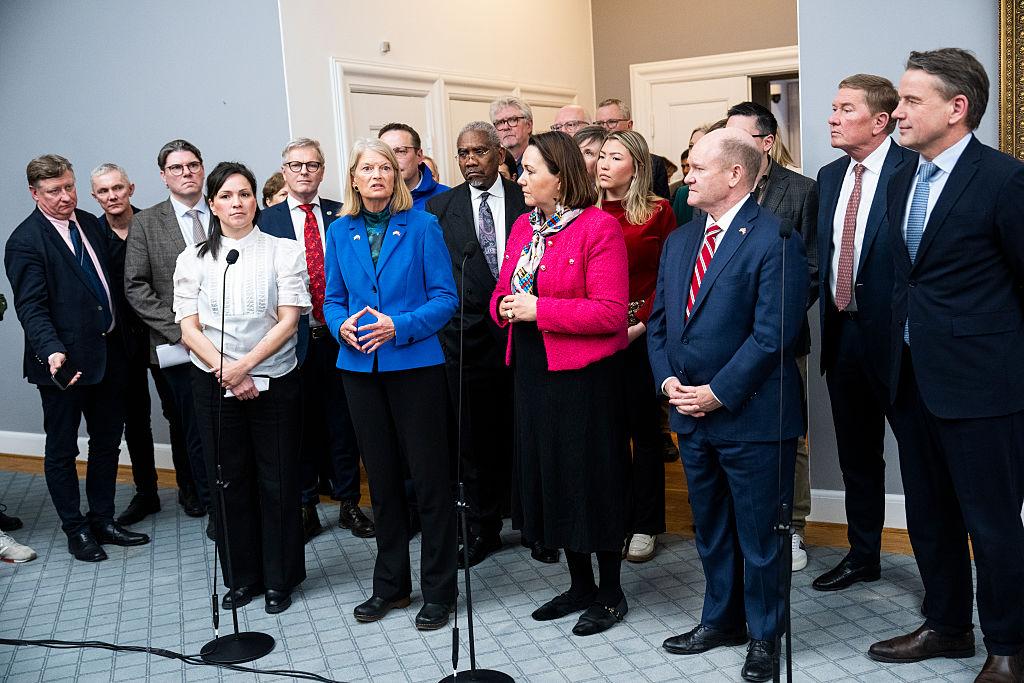
The Greenland acquisition is a complex geopolitical maneuver with limited public support. Only 17% of Americans back the plan, and it has sparked significant international criticism from NATO allies and diplomatic representatives.