



Nintendo's Patent Fortress: How Aggressive IP Defense Transforms Market Competition
- A 15-Year Legal Battle Reveals the Strategic Power of Intellectual Property Protection


Overview
In the complex landscape of technological innovation, Nintendo's 15-year legal victory against Nacon (formerly BigBen Interactive) emerges as a masterclass in intellectual property strategy. The €8.2 million damages award is far more than a financial triumph—it's a calculated demonstration of how robust patent enforcement can create substantial market barriers and competitive advantages.
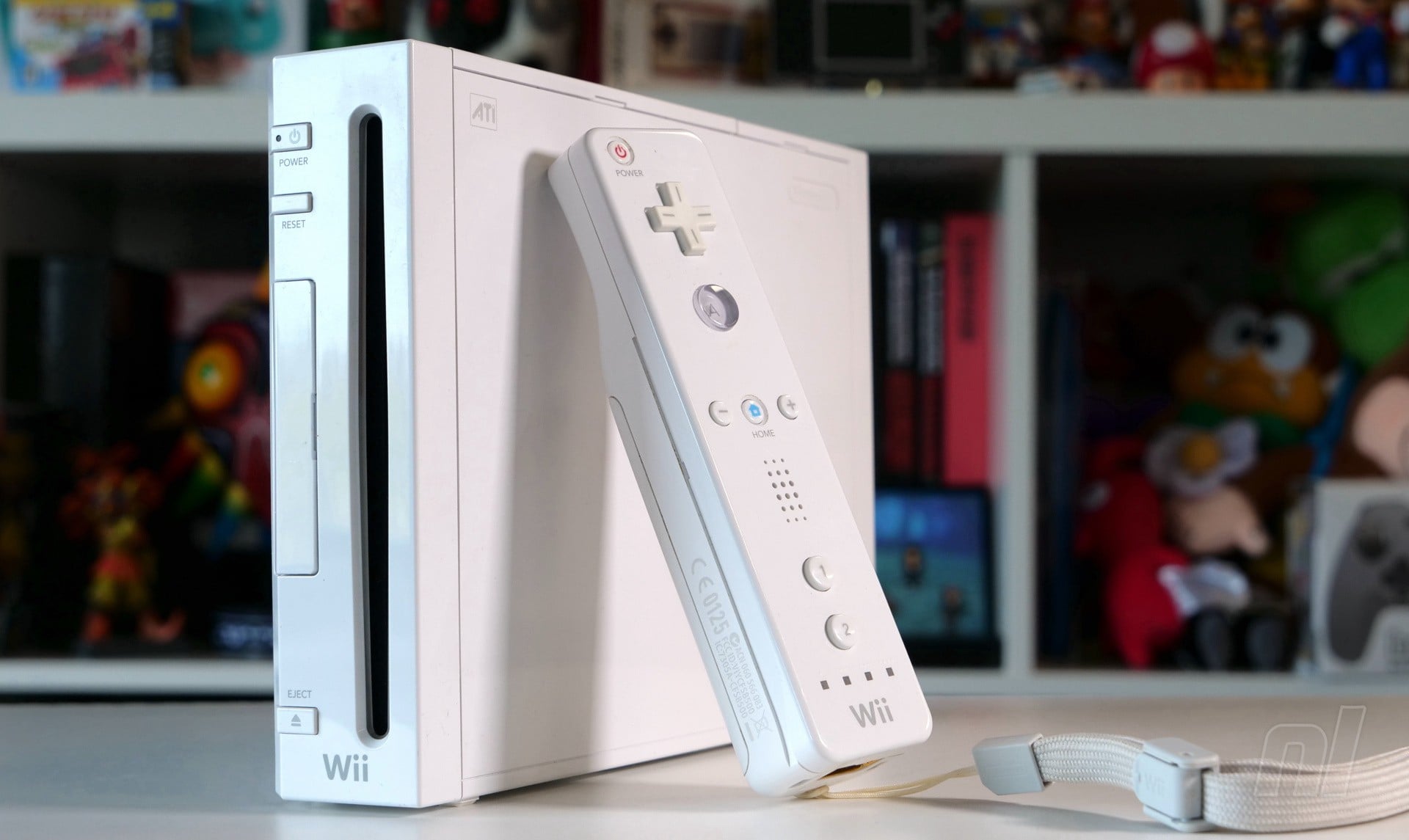
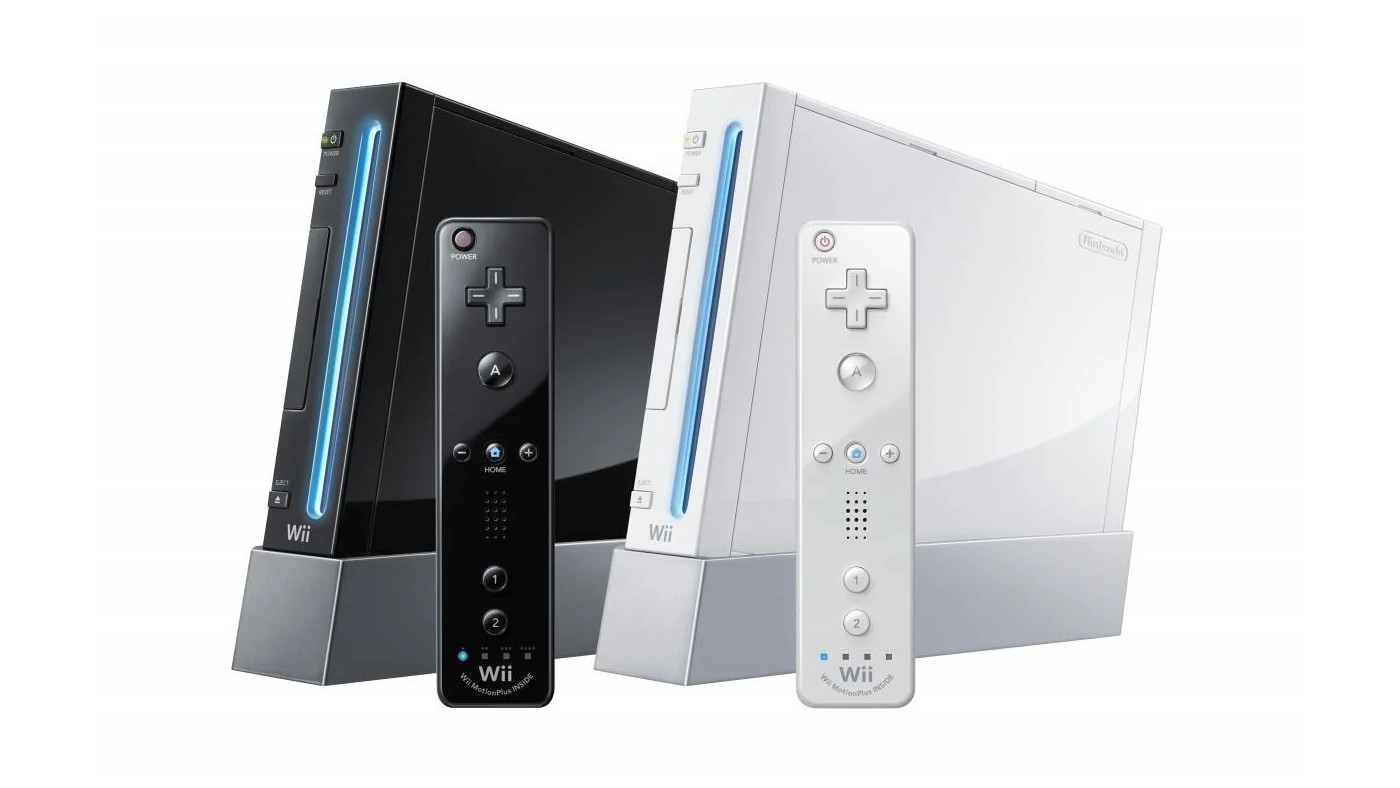
The case illuminates a critical regulatory compliance strategy: transforming patents into strategic moats. By persistently defending its Wii Remote technology across multiple judicial systems, Nintendo effectively established a legal framework that makes third-party controller production nearly impossible without risking significant financial penalties. The German court's unique ruling, which assumed Nintendo would have captured 100% of potential sales, sends a powerful message to accessory manufacturers about the risks of patent infringement.
What makes this victory particularly noteworthy is the systematic approach to IP protection. Nintendo didn't just win a single lawsuit; it navigated a complex legal landscape involving multiple courts, including the Mannheim Regional Court, Karlsruhe Higher Regional Court, European Patent Office, and even the Court of Justice of the European Union. Each judicial body consistently validated Nintendo's patent, creating a multi-layered legal shield around its technological innovations.
The financial implications are profound. Beyond the €7 million in direct damages, Nintendo's legal strategy imposed an additional €3 million in interest—a direct consequence of Nacon's repeated delaying tactics. This approach transforms legal defense from a cost center into a revenue-generating and market-controlling mechanism. For third-party manufacturers, the message is clear: attempting to circumvent Nintendo's patents is not just legally risky, but potentially financially catastrophic.
Moreover, this case underscores a broader trend in technology markets: intellectual property has become a critical competitive weapon. By demonstrating an unwavering commitment to protecting its innovations across multiple console generations, Nintendo signals to competitors and potential infringers that its technological boundaries are not just defended, but aggressively enforced.
The ongoing scrutiny of Nintendo's patent portfolio—including the US Patent Office's current reexamination of a character mechanics patent—further suggests that this is not an isolated strategy, but a systematic approach to technological innovation and market positioning.
Questions 3
How does Nintendo's patent strategy create market barriers for competitors?
By systematically defending its Wii Remote patents across multiple judicial systems, Nintendo established a legal framework that makes third-party controller production extremely risky. The €8.2 million damages award demonstrates the financial consequences of patent infringement, effectively deterring potential competitors from developing similar technologies.
What are the long-term implications of this legal victory for third-party accessory manufacturers?
The ruling signals that developing accessories for Nintendo platforms requires extremely careful patent navigation. Manufacturers must now invest significantly in original design and legal verification, potentially increasing product development costs and reducing market entry opportunities for smaller companies.