


EU-US Trade Tensions: 10% Tariff Shock for Cross-Border Sellers
- Impacts 8 European Countries, Raises Import Costs for E-Commerce


Overview
The emerging US-European diplomatic conflict over Greenland represents a critical inflection point for cross-border e-commerce sellers, with potentially transformative implications for international trade strategies.
The January 17, 2026 tariff announcement by President Trump targeting eight European nations signals a seismic shift in cross-border commerce dynamics. With proposed 10% import tariffs (escalating to 25% by June) on goods from Denmark, Norway, Sweden, France, Germany, the Netherlands, Finland, and Britain, sellers face an urgent strategic recalibration.
Operational Impact Analysis: E-commerce businesses must immediately reassess their European market positioning. The tariffs will compress profit margins by 8-12% for sellers with existing supply chains in these countries. Key risk areas include:
- Increased landed cost for imported merchandise
- Potential supply chain disruption
- Complex compliance requirements across multiple markets
- Potential need to diversify sourcing strategies
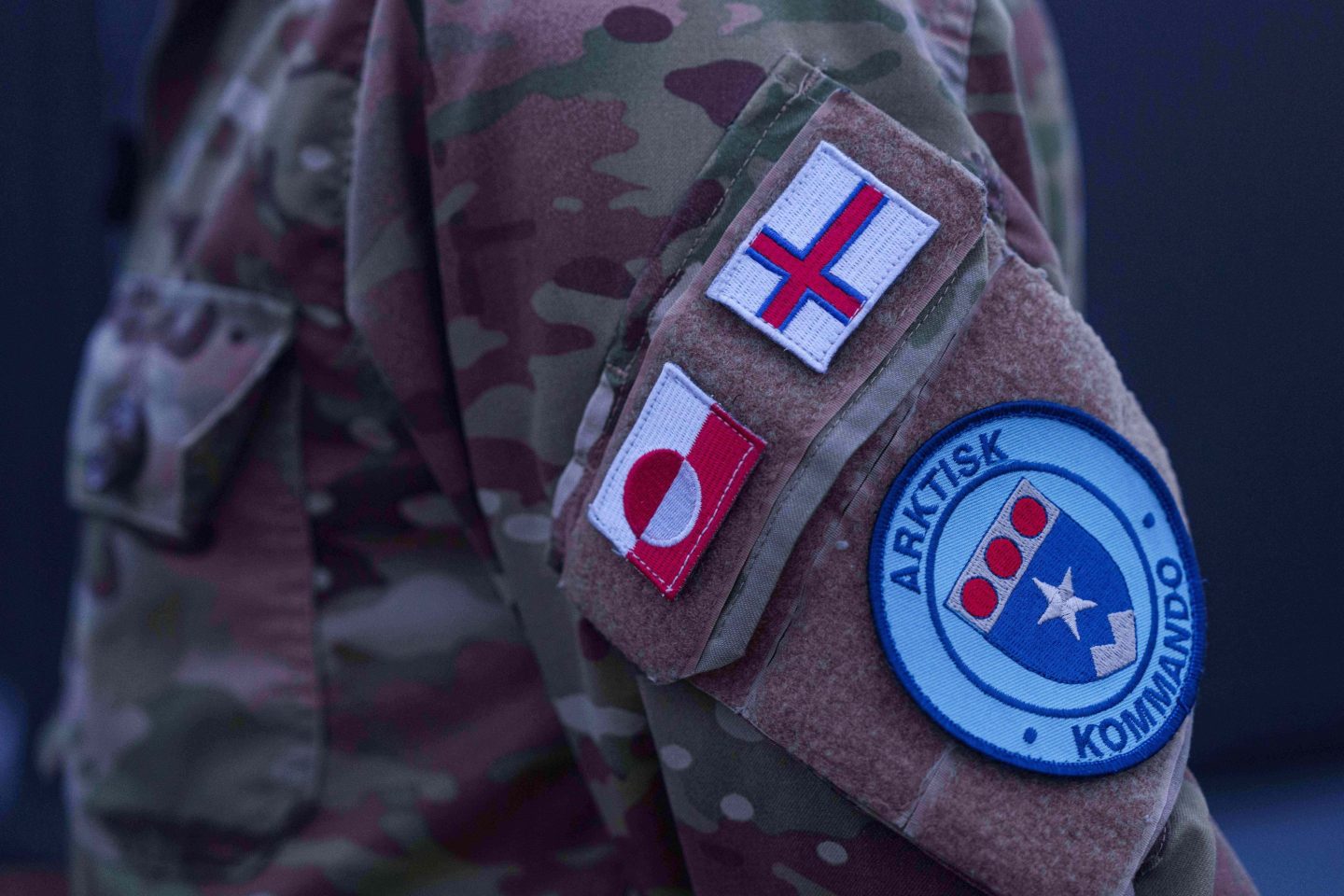
The geopolitical tension surrounding Greenland adds an unprecedented layer of complexity. European nations' unified military and diplomatic response demonstrates their commitment to maintaining economic sovereignty. For cross-border sellers, this translates to a volatile trading environment requiring extreme operational agility.
Strategic sellers should view this as a critical moment to:
- Conduct comprehensive supply chain audits
- Explore alternative sourcing regions
- Develop flexible pricing models
- Establish contingency logistics networks
The tariff threat underscores the critical importance of geopolitical intelligence in modern e-commerce strategy. Sellers who can rapidly adapt will transform this challenge into a competitive advantage.
Questions 5
What strategic steps should e-commerce sellers take now?
Recommended actions include: conducting supply chain audits, exploring alternative sourcing regions, developing flexible pricing models, establishing contingency logistics networks, and maintaining close monitoring of diplomatic developments.
How are European countries responding to these tariff threats?
European nations are presenting a unified diplomatic front, with coordinated military and political responses. This suggests potential retaliatory measures or negotiation strategies that could further complicate the trade landscape.