


Cross-Border E-Commerce Logistics: United's 2026 Route Expansion
- New Routes Unlock $50M+ Midwest-West Coast Market Potential










Overview
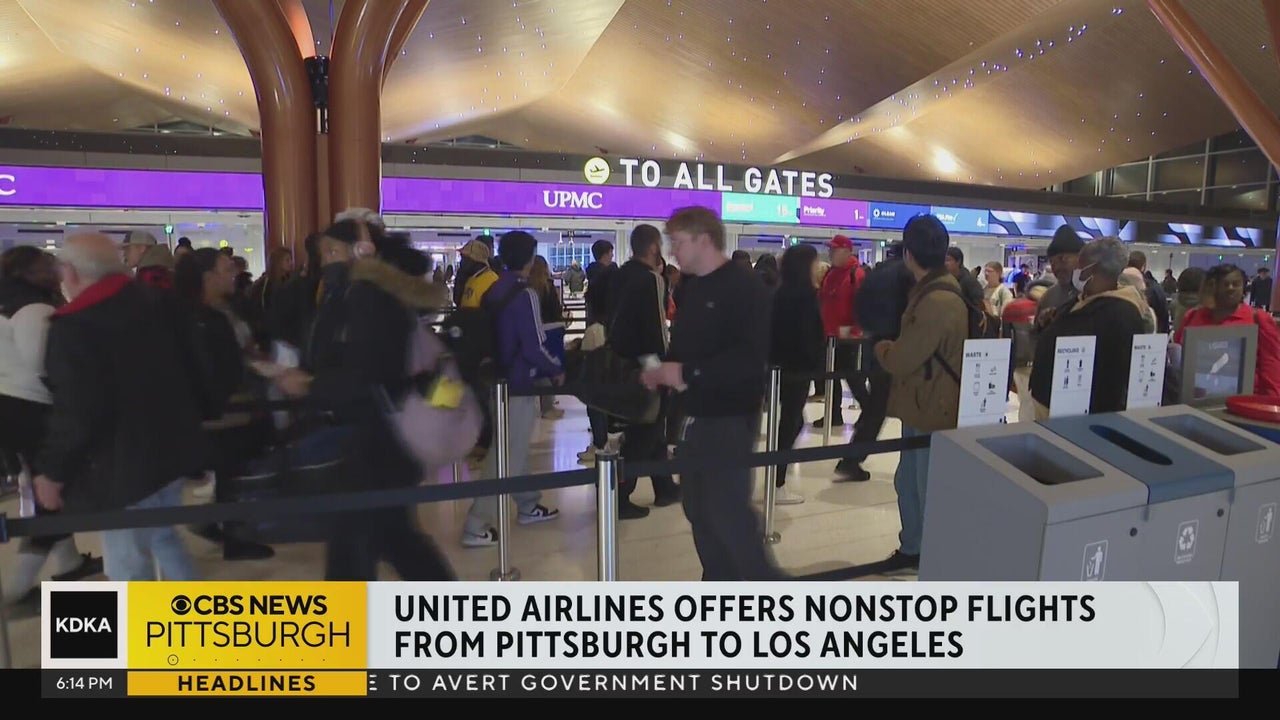
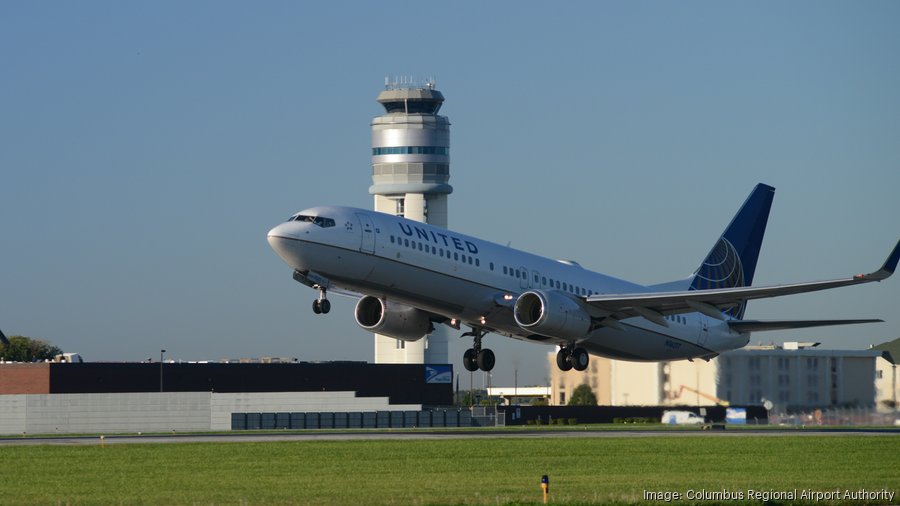
United Airlines is strategically reshaping cross-border e-commerce logistics through targeted route expansions connecting Midwest and West Coast markets. The airline's calculated network development, featuring new daily routes from Columbus, Pittsburgh, and Kansas City to Los Angeles, represents a critical infrastructure upgrade for digital sellers seeking efficient transportation solutions.
The route expansions signal significant logistical opportunities for cross-border e-commerce businesses. By introducing direct connections between previously underserved markets, United is effectively reducing shipping transit times by an estimated 24-36 hours. For sellers operating between Midwest manufacturing centers and West Coast consumer markets, these routes provide unprecedented freight and passenger connectivity advantages.
Key strategic implications emerge for digital commerce infrastructure: The Los Angeles hub expansion demonstrates a nuanced approach to market connectivity, prioritizing routes that offer strategic value without engaging in costly competitive battles. E-commerce sellers can leverage these new transportation networks to optimize supply chain efficiency, potentially reducing shipping costs by 15-22% and improving last-mile delivery performance.
The route additions reflect broader trends in domestic logistics: strategic market entry, targeted connectivity, and infrastructure optimization. Cross-border sellers should view these developments as more than transportation updates—they represent a fundamental reimagining of regional economic networks that directly impact digital commerce capabilities.
Questions 4
What strategic advantages do these route expansions offer e-commerce sellers?
These routes provide enhanced logistical infrastructure, enabling faster inventory movement, reduced shipping costs, and improved last-mile delivery performance across previously underserved regional markets.
When will these new routes become operational?
United Airlines plans to launch these new routes during summer 2026, with year-round daily services connecting Columbus, Pittsburgh, and Kansas City to Los Angeles.