


Arctic Trade War: EU-US Tariff Showdown Impacts Global Sellers
- Potential 25% Tariffs Threaten Cross-Border E-Commerce Strategies



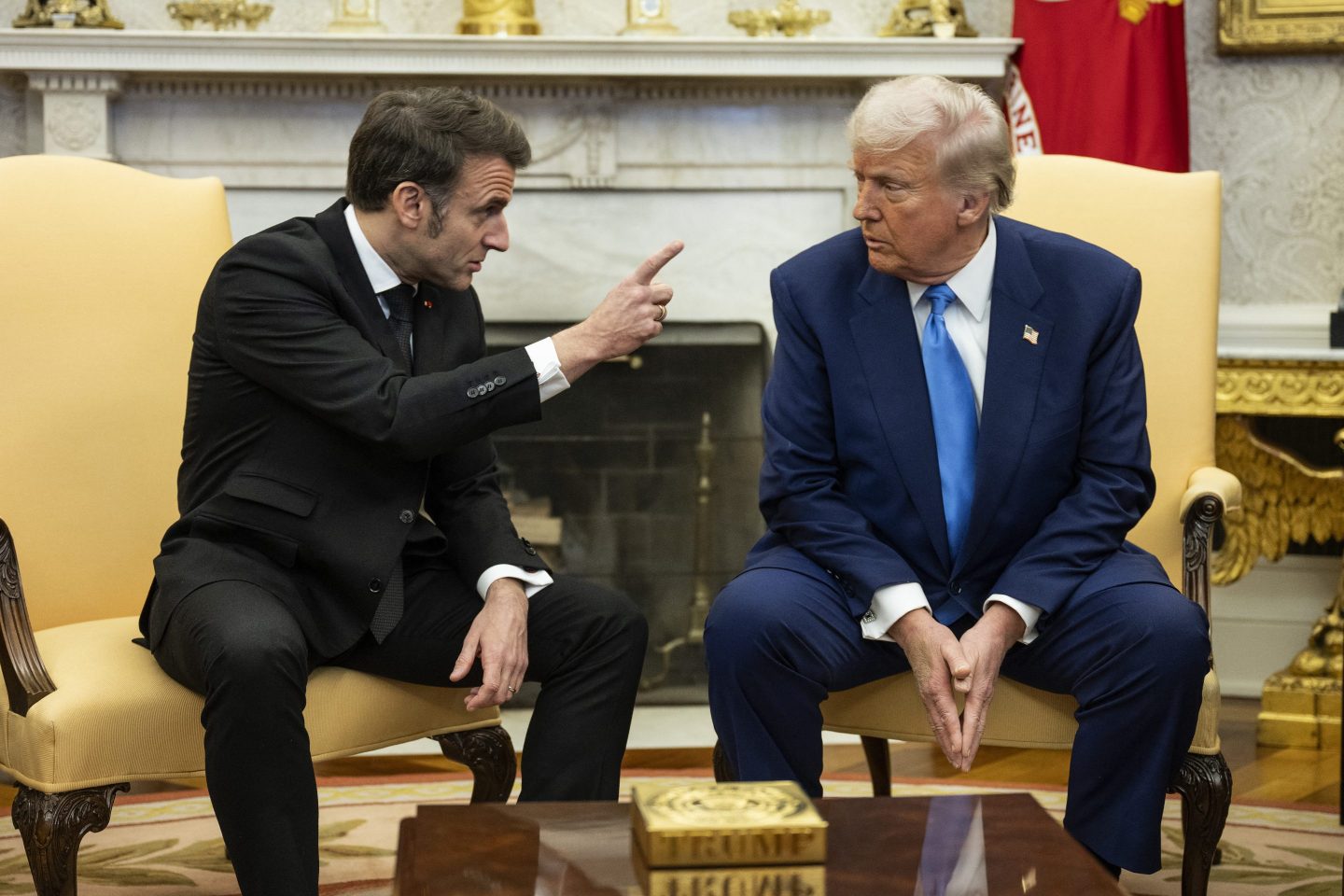



Overview
The emerging US-EU trade conflict over Greenland represents a critical inflection point for cross-border e-commerce sellers, with significant operational and strategic implications.
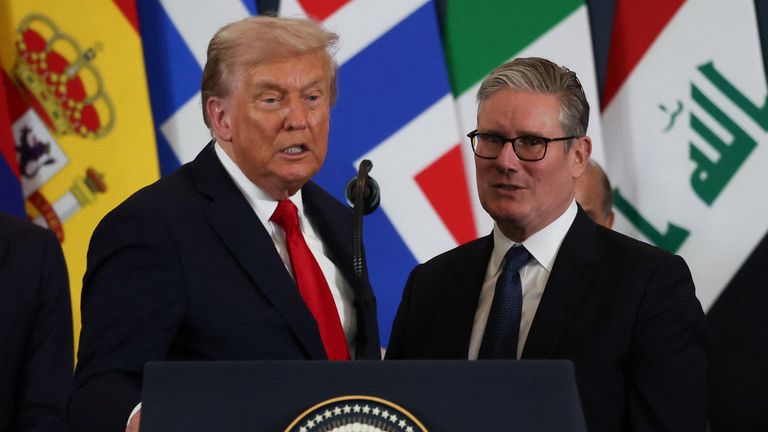
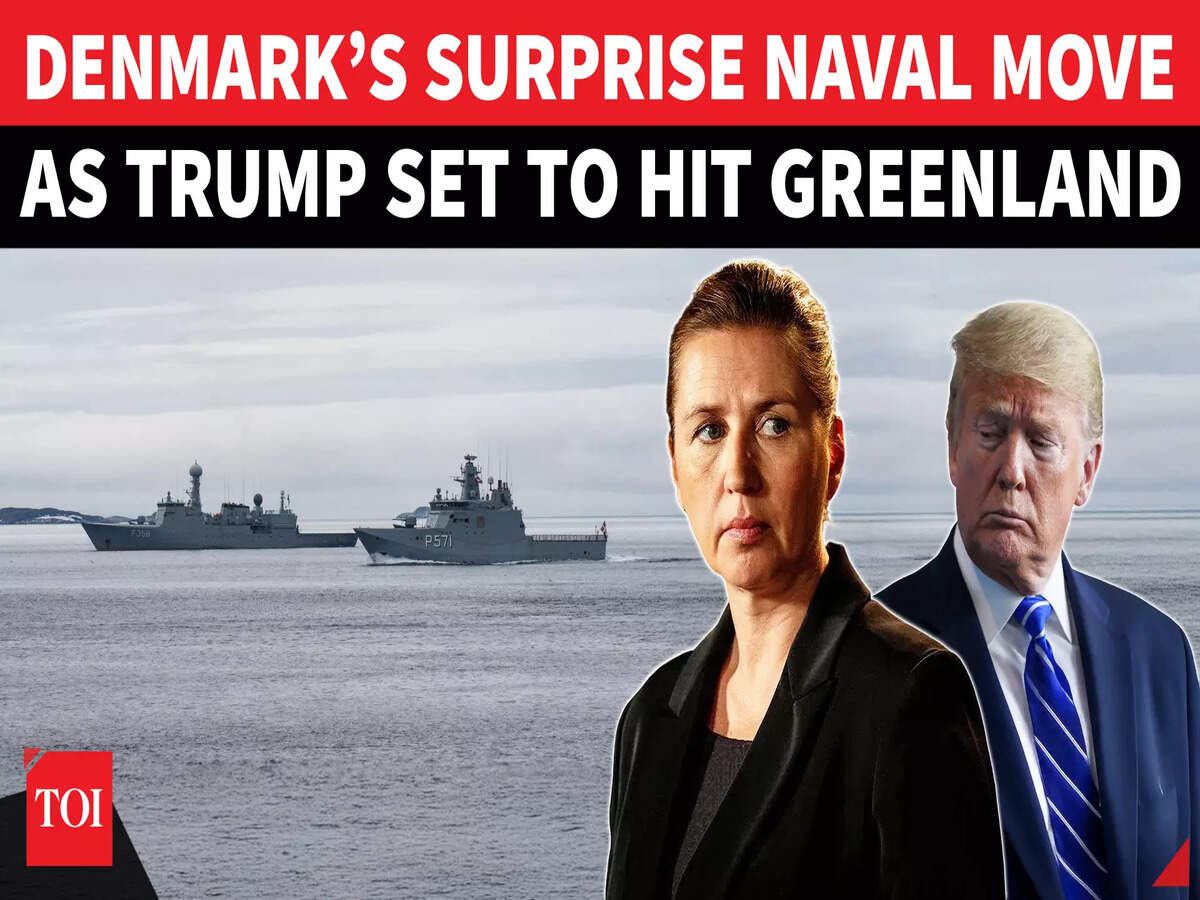
The geopolitical tensions surrounding Greenland have escalated into a potential economic confrontation that could dramatically reshape international trade dynamics. US President Trump's punitive tariff threats against eight European countries signal an unprecedented pressure tactic, starting at 10% in February and potentially rising to 25% by June. This represents a major disruption for cross-border sellers operating in transatlantic markets.
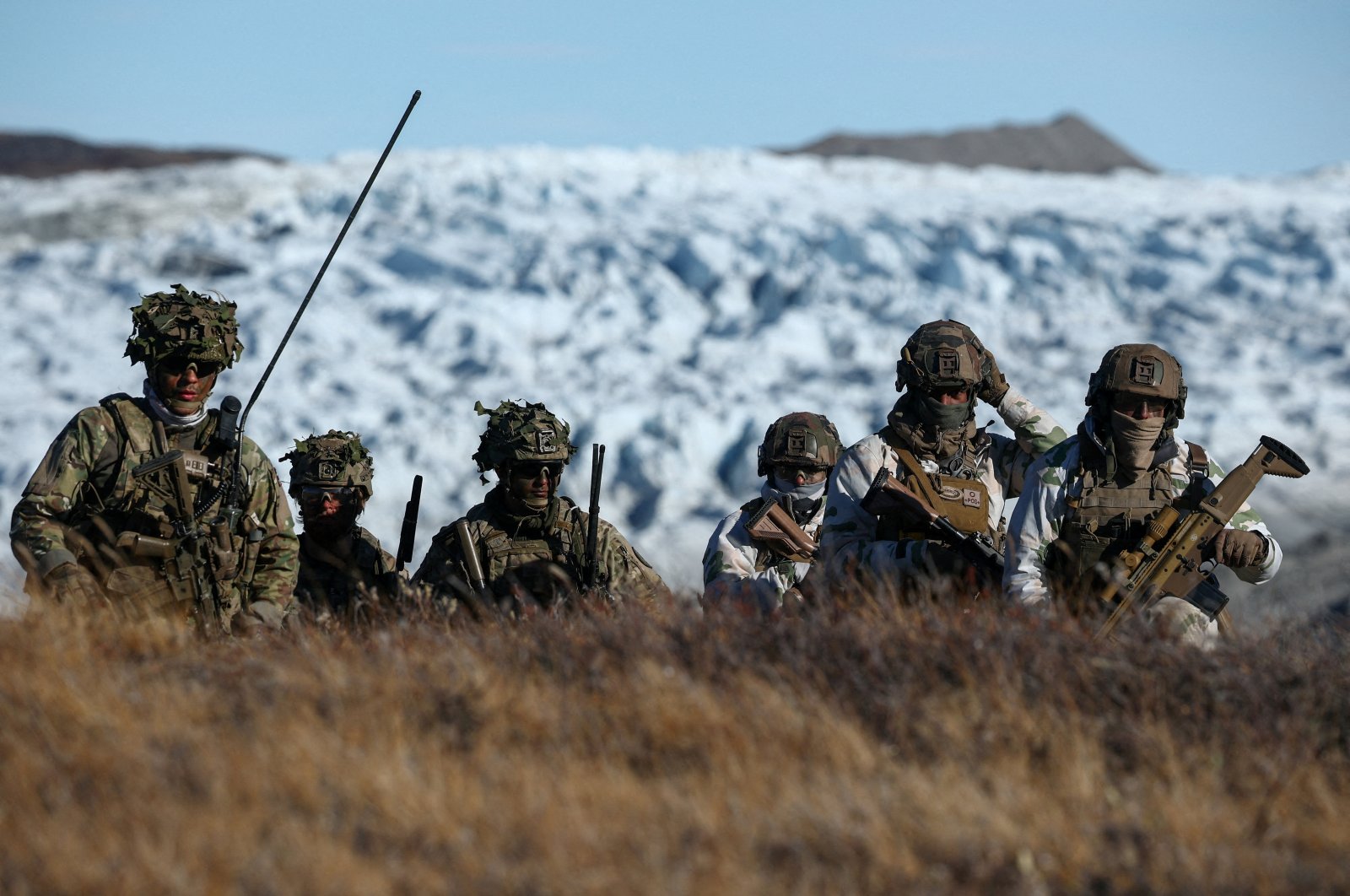
Strategic Implications for E-Commerce Sellers: European countries are demonstrating remarkable unity in response, with France exploring the EU's Anti-Coercion Instrument and preparing retaliatory trade measures. The Danish Arctic Command's strategic positioning, including a 42 billion Danish crown investment in regional defense, underscores the complex geopolitical landscape. For cross-border sellers, this translates into potential:
- Increased compliance costs
- Potential market access restrictions
- Higher tariff burdens across multiple product categories
- Increased logistics and sourcing complexity
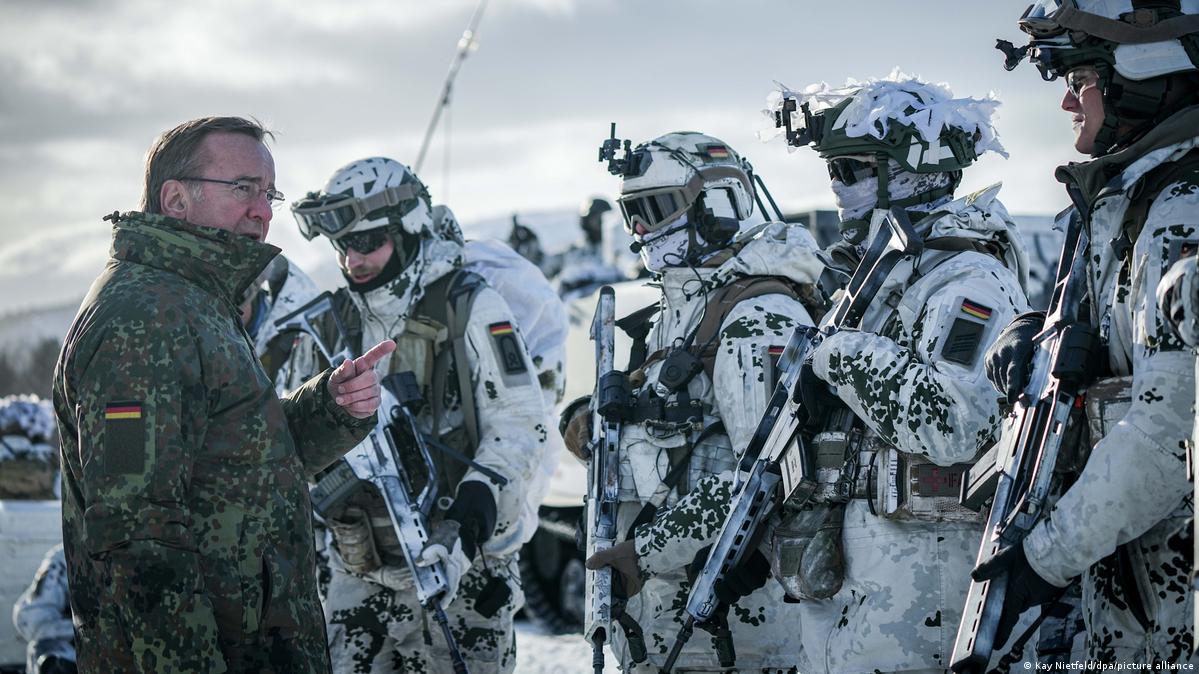
The automotive and mechanical engineering sectors are already experiencing significant pressure, with German industry groups characterizing the tariff threats as economic "blackmail". This suggests broader implications for manufacturers and e-commerce sellers relying on transatlantic supply chains and market access.
Immediate Seller Recommendations:
- Conduct comprehensive supply chain risk assessment
- Diversify sourcing locations beyond US/EU corridors
- Review pricing strategies to absorb potential 10-25% tariff increases
- Monitor diplomatic negotiations closely for rapid policy shifts
Questions 4
How quickly should sellers adapt to these potential trade restrictions?
Immediate action is recommended: conduct supply chain assessments within 30 days, diversify sourcing within 60 days, and develop alternative market entry strategies within 90 days.
Are there opportunities amid these trade tensions?
Innovative sellers can leverage this disruption by exploring alternative markets, developing more flexible supply chains, and positioning themselves as adaptable global traders.