



Indonesia Aviation Crisis: Logistics & E-Commerce Impact Analysis
- Reveals Critical Supply Chain Resilience Challenges for Cross-Border Sellers















Overview
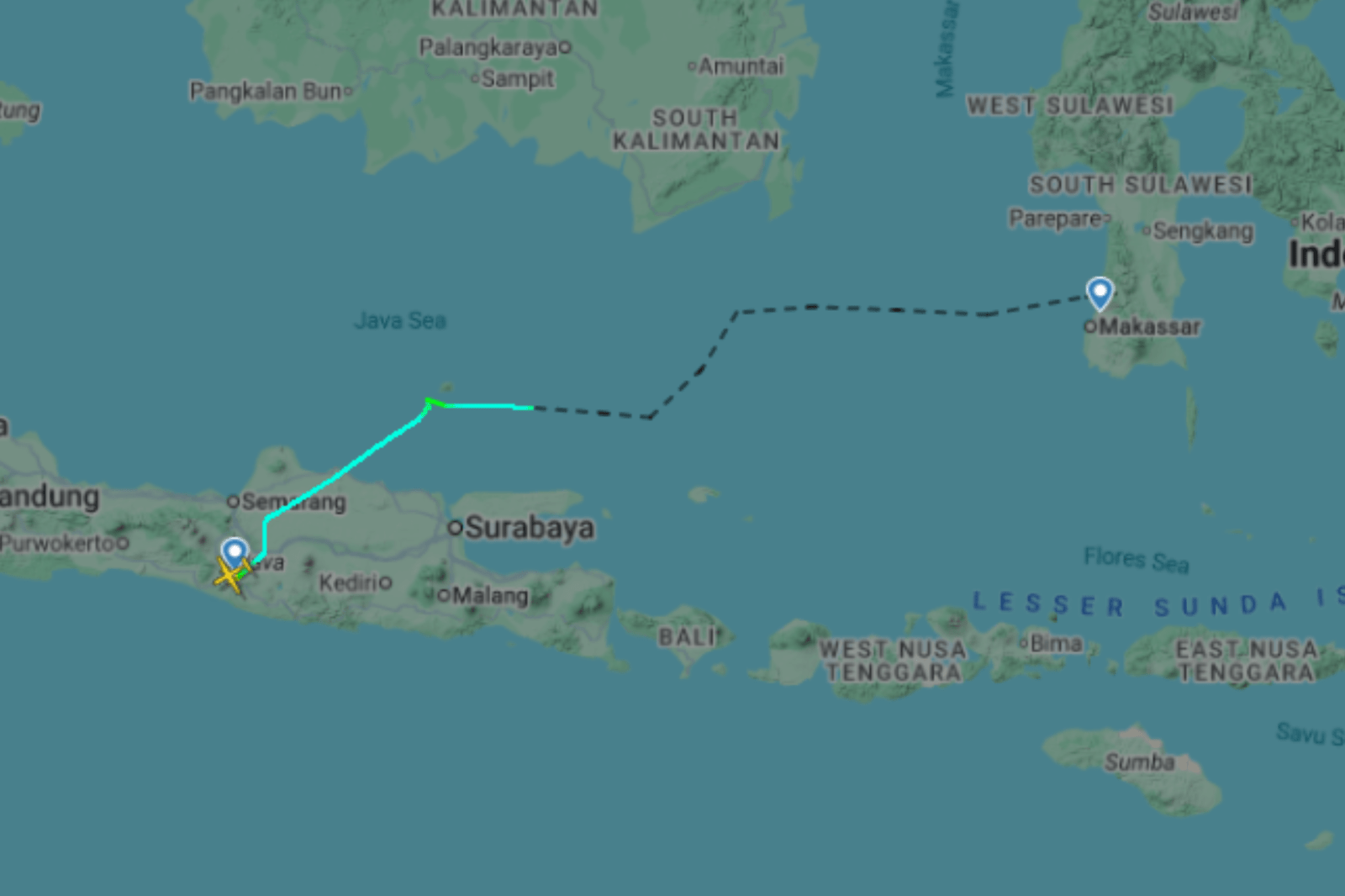
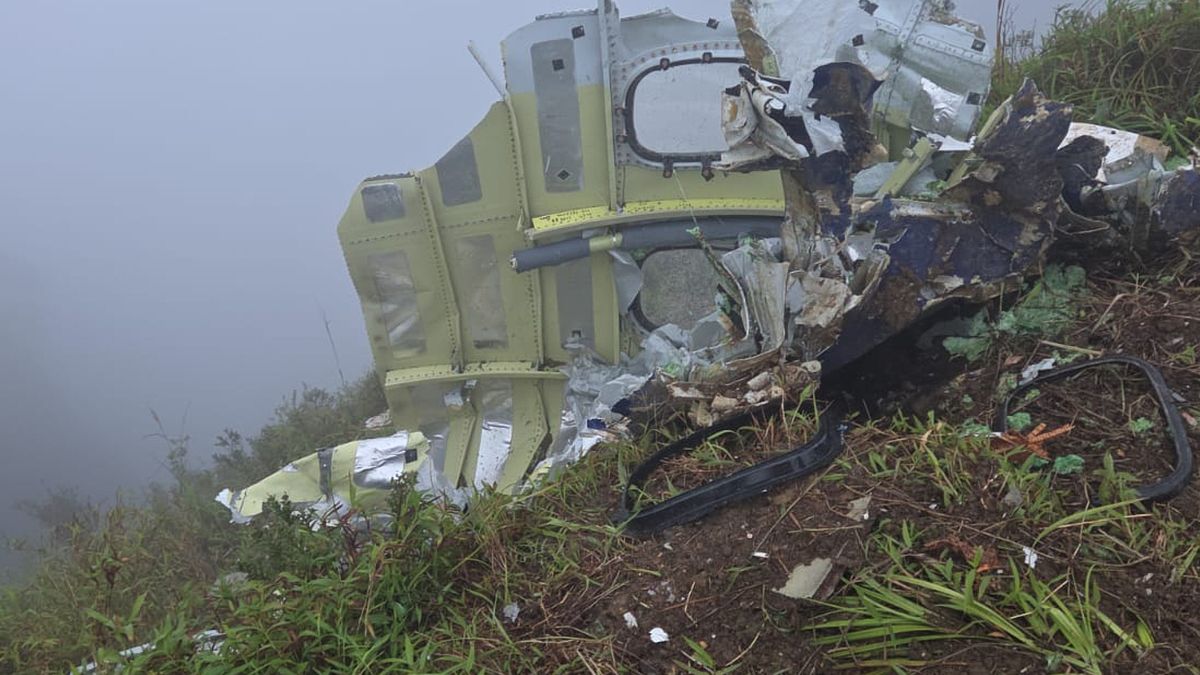
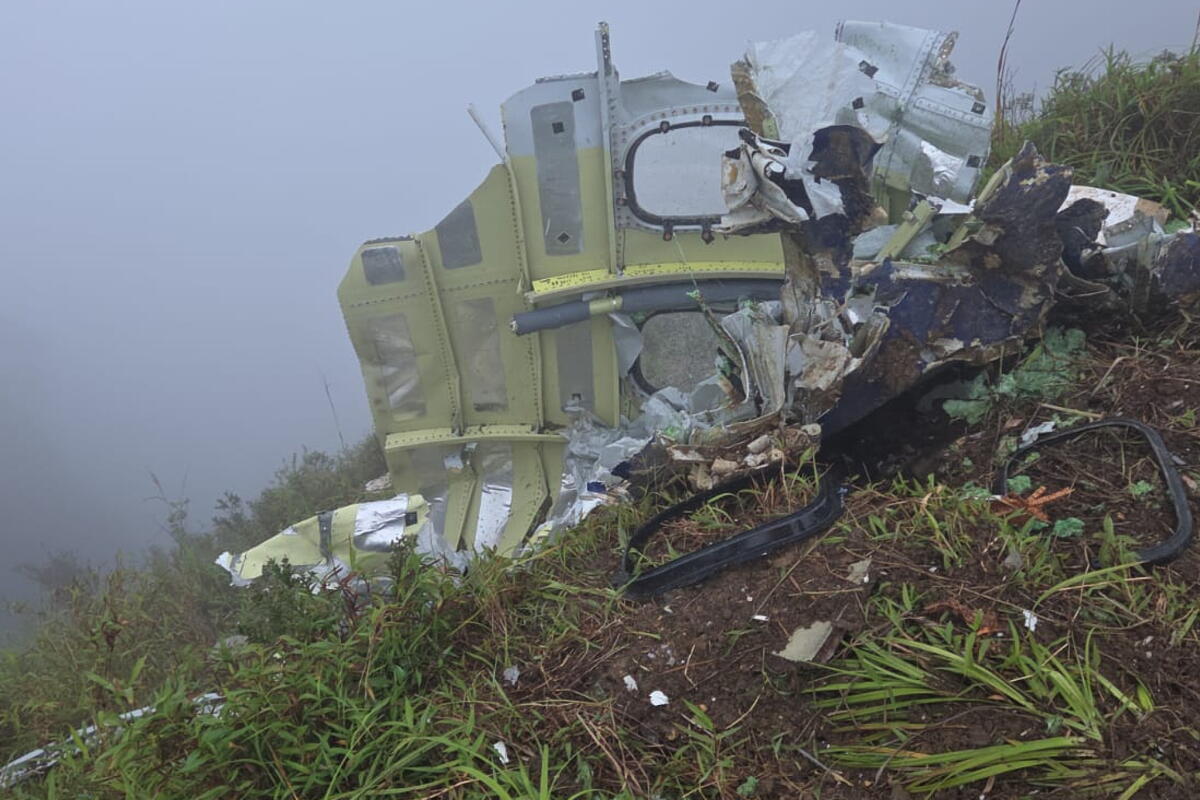
The tragic ATR 42-500 aircraft crash in Indonesia's South Sulawesi province represents more than a devastating aviation incident—it exposes critical vulnerabilities in Indonesia's complex logistics infrastructure that directly impact cross-border e-commerce operations.
Operational Logistics Challenges Unveiled: The incident highlights Indonesia's intricate geographical landscape, comprising over 17,000 islands, which creates significant transportation and supply chain complexities. For cross-border sellers, this underscores the critical need for robust, multi-modal logistics strategies. The crash, involving a maritime surveillance aircraft with 11 people aboard, demonstrates the extreme environmental challenges of operating in regions with limited transportation infrastructure.
E-Commerce Supply Chain Implications: The search and rescue operation, involving 1,200 personnel and complicated by mountainous terrain and 5-meter visibility, mirrors the logistical hurdles e-commerce sellers face when establishing supply chains in challenging geographical regions. Sellers targeting Southeast Asian markets must develop contingency plans that account for:
- Unpredictable transportation disruptions
- Limited infrastructure in remote regions
- High-risk operational environments
- Complex multi-island logistics networks
Strategic Seller Recommendations:
- Diversify logistics providers with proven regional expertise
- Implement redundant shipping routes and carriers
- Develop comprehensive risk management protocols
- Invest in local partnership networks
- Utilize advanced tracking and real-time monitoring technologies
The incident serves as a stark reminder that successful cross-border e-commerce requires more than product listings—it demands deep understanding of regional operational complexities and proactive risk mitigation strategies.
Questions 4
What logistics challenges do e-commerce sellers face in Indonesia?
Indonesia's 17,000 islands create complex transportation challenges, including limited infrastructure, unpredictable weather, and challenging terrain. Sellers must implement redundant shipping routes, advanced tracking technologies, and comprehensive risk management protocols.
How does the Indonesian plane crash impact cross-border e-commerce sellers?
The crash reveals critical logistics vulnerabilities in Indonesia's archipelagic environment, emphasizing the need for robust, adaptable supply chain strategies. Sellers must develop multi-modal transportation plans and invest in local partnership networks to mitigate operational risks.