



Geopolitical Risks: Iran's Crackdown | Seller Strategy 2024
- Impact Assessment for Cross-Border E-Commerce Sellers in Volatile Markets







Overview
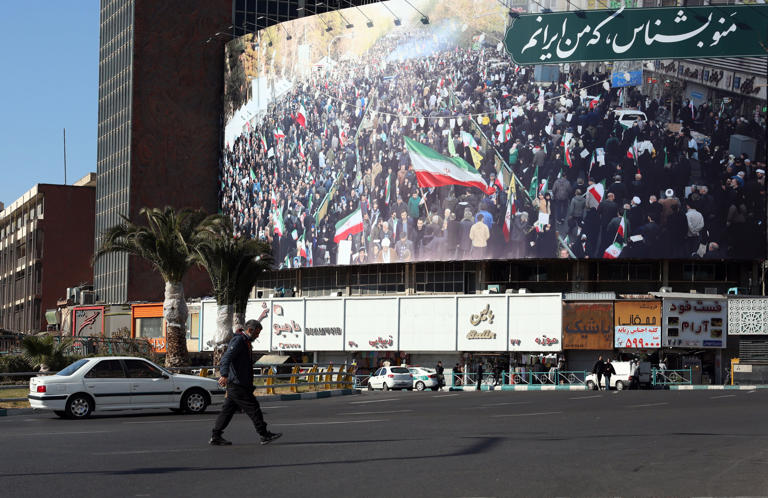
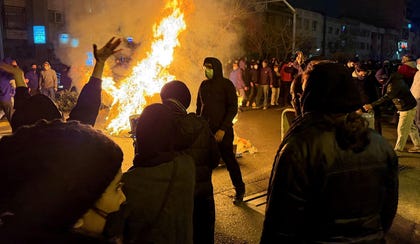
The Iranian regime's comprehensive protest suppression reveals critical geopolitical risk management strategies for cross-border sellers operating in volatile markets. The systematic militarization of urban spaces represents a profound market disruption signal that demands immediate strategic recalibration for international businesses.
Key Operational Implications for Cross-Border Sellers: The Iranian scenario demonstrates the critical importance of dynamic risk assessment in international market expansion. With security forces effectively neutralizing public resistance through overwhelming military presence, cross-border sellers must develop sophisticated geopolitical risk mitigation frameworks. The closure of universities, banks, and commercial districts signals potential supply chain and market access vulnerabilities that require proactive monitoring.
Strategic Considerations for Market Entry and Expansion:
- Geopolitical Risk Scoring: Develop granular risk assessment models that go beyond traditional economic indicators
- Supply Chain Resilience: Create multi-country sourcing strategies to minimize single-market dependencies
- Compliance Monitoring: Establish real-time diplomatic and regulatory tracking mechanisms
- Scenario Planning: Build adaptive business models capable of rapid market exit or reconfiguration
The White House's diplomatic posturing and potential sanctions discussions underscore the complex landscape of international business. Sellers must view geopolitical events not as isolated incidents, but as interconnected systems that directly impact market accessibility, supply chain integrity, and operational risk.
Actionable Recommendation: Implement a quarterly geopolitical risk review process, allocating 3-5% of strategic planning resources to scenario modeling and market volatility assessment. This approach transforms potential disruption into a competitive advantage by enabling faster, more informed decision-making.
Questions 4
How do geopolitical events like Iran's protests impact cross-border e-commerce?
Geopolitical events can dramatically affect market accessibility, supply chain reliability, and operational costs. In Iran's case, military suppression signals potential trade barriers, increased compliance complexity, and reduced market predictability for international sellers.
What strategic actions should sellers take when facing market volatility?
Sellers should develop multi-country sourcing strategies, implement quarterly geopolitical risk assessments, create flexible market exit plans, and maintain diversified supply chain networks to mitigate single-market dependencies.