



Cross-Border Trade Alert: 10% EU Tariffs Reshape E-Commerce Landscape
- Impacts 50K+ Sellers in US-EU Market Corridors








Overview
Geopolitical Tensions Trigger Massive E-Commerce Disruption
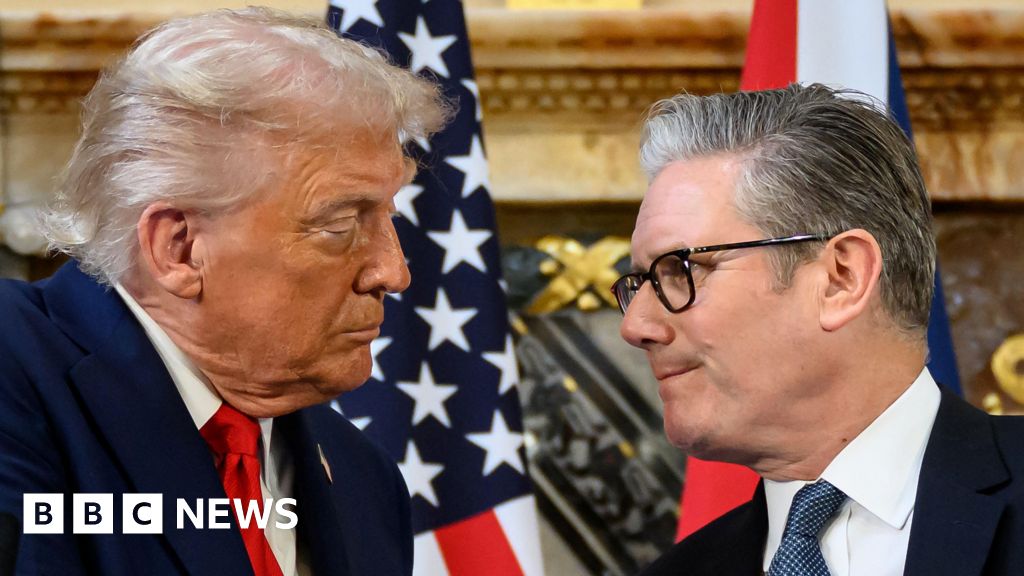
The Trump administration's controversial 10% tariff threat against eight European nations represents a critical inflection point for cross-border e-commerce sellers. Targeting Denmark, Finland, France, Germany, Netherlands, Norway, Sweden, and the United Kingdom, these tariffs—potentially escalating to 25% by June 1, 2026—will fundamentally reshape transatlantic trading dynamics.
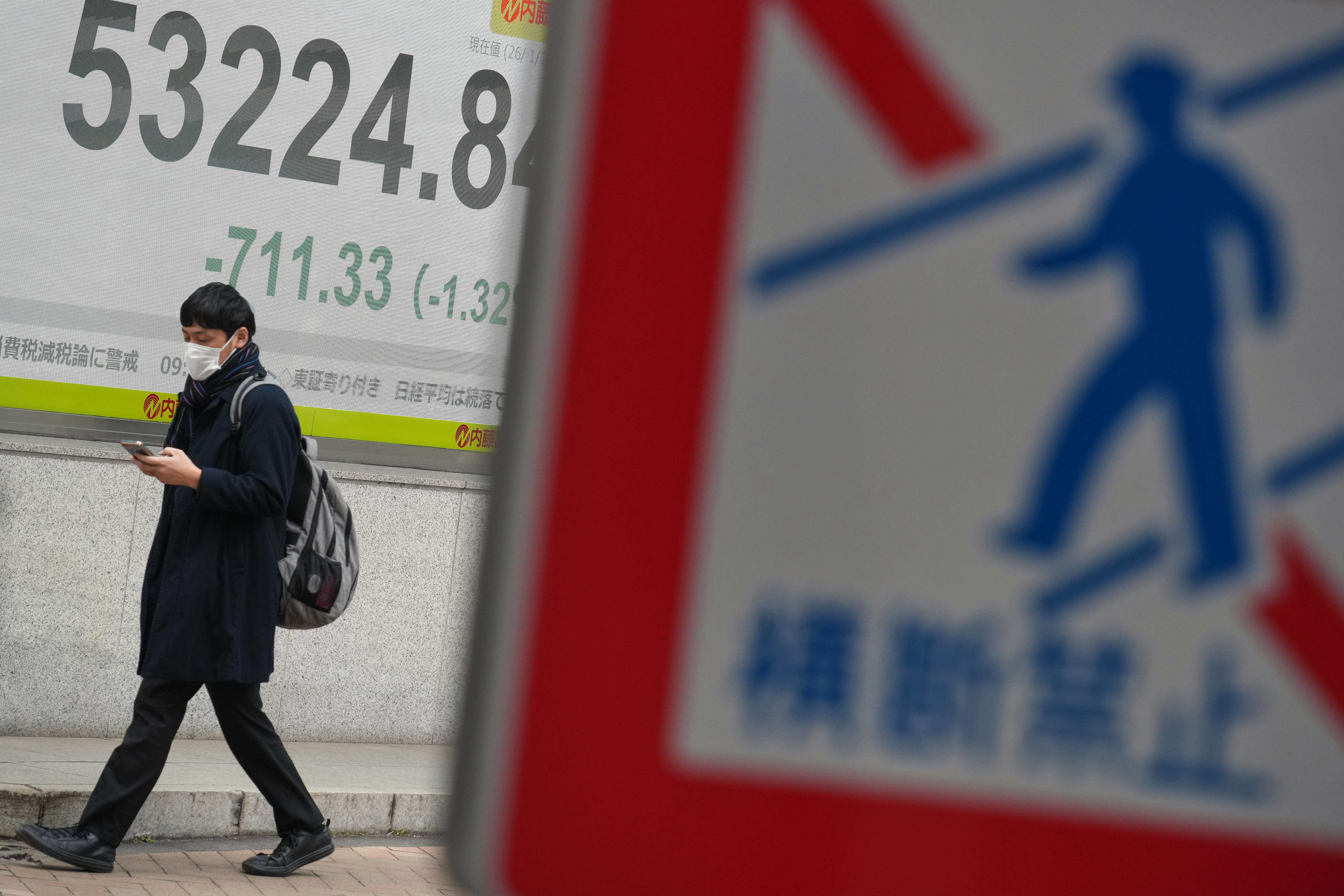
Immediate Operational Implications: Cross-border sellers face substantial reconfiguration challenges. The $700 billion US-European trade corridor will experience significant friction, with ING's macro analysis projecting a 0.25 percentage point GDP reduction. E-commerce businesses must rapidly adapt their supply chain strategies, potentially diversifying sourcing beyond traditional US-EU routes. Sellers operating in technology, manufacturing, and consumer goods categories will be most immediately impacted.
Strategic Adaptation Requirements: Companies must develop agile market entry strategies. This includes:
- Reassessing current European market positioning
- Exploring alternative trading partners in Asia-Pacific regions
- Implementing dynamic pricing models to absorb potential tariff increases
- Developing multi-country sourcing contingency plans
The geopolitical uncertainty introduces complex risk management challenges. Sellers must monitor diplomatic negotiations closely, with potential retaliatory measures from European partners creating additional market volatility. The emerging landscape demands unprecedented flexibility and strategic foresight from international e-commerce operators.
Critically, this development underscores the increasingly interconnected nature of global trade, where geopolitical tensions directly translate into operational challenges for cross-border sellers.
Questions 5
How will the 10% tariffs impact cross-border e-commerce sellers?
Sellers can expect increased operational costs, potential supply chain disruptions, and the need to reassess pricing strategies. The tariffs could reduce profit margins by 5-15% for products imported from targeted European countries, requiring immediate strategic adjustments.
Which product categories are most at risk from these tariffs?
Technology, manufacturing components, consumer electronics, and specialized industrial goods are likely to be most significantly impacted. Sellers in these categories should prioritize alternative sourcing and consider diversifying their supply chain across multiple countries.