
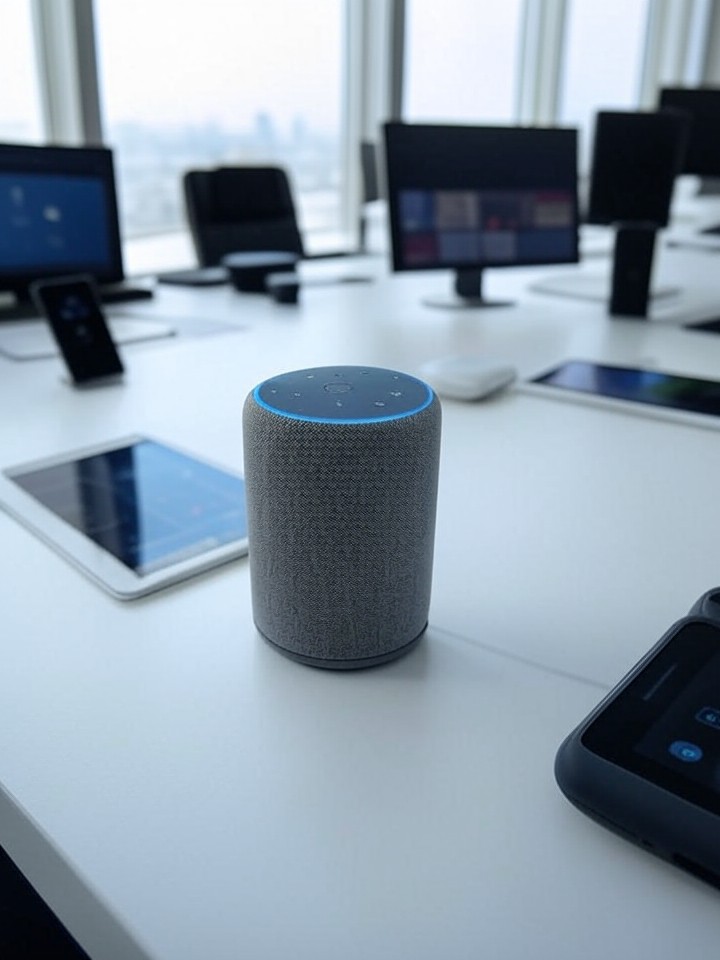
AI Voice Commerce: Seller Strategies for 2025
- Navigating Voice Tech Challenges for 40% Market Potential
Overview
The voice commerce landscape represents a critical inflection point for e-commerce sellers, revealing both technological limitations and emerging opportunities. Voice technology's market trajectory demonstrates significant complexity, with initial $40 billion projections dramatically scaled back due to fundamental user experience challenges.
Key AI-Powered Automation Opportunities emerge from voice commerce's current limitations. Cross-border sellers can strategically position themselves by developing multi-modal shopping experiences that transcend traditional voice interaction constraints. The 40% voice-enabled device ownership in the U.S. signals a substantial, albeit underutilized, market segment ripe for innovative solutions.
Technological Evolution Demands Seller Adaptation: While major tech companies like Amazon and Google invested heavily in voice platforms, practical implementation revealed critical gaps. Poor speech recognition, privacy concerns, and restrictive interaction models prevented widespread consumer adoption. This presents a strategic window for sellers to develop more intuitive, trust-building voice commerce solutions.
The future of voice commerce likely resides in specialized contexts—automotive interfaces, smart home ecosystems, and automated reordering systems. Sellers should focus on hybrid approaches combining voice with visual aids, prioritizing user convenience, personalization, and transparent data practices. The COVID-19 pandemic accelerated online shopping, but voice commerce failed to capitalize, highlighting the need for more sophisticated, context-aware technologies.
For cross-border e-commerce entrepreneurs, the imperative is clear: invest in flexible, multi-modal shopping experiences that leverage AI's potential while maintaining user trust and seamless interaction.
Questions 5
Which major tech companies have invested in voice commerce?
Amazon and Google have been primary investors, developing platforms like Alexa and Google Home to enable voice-activated shopping. However, both have faced significant challenges in creating seamless, user-friendly voice commerce experiences.
What percentage of devices currently support voice commerce?
As of 2024, voice-enabled device ownership plateaued around 40% in the U.S., indicating significant market potential but also highlighting the technology's current adoption challenges.