




Healthcare Innovation: NHS Drug Access Breakthrough 2025
- Transforms Prostate Cancer Treatment for 8,000 Patients Annually
:sharpen(0.5,0.5,true)/tpg%2Fsources%2Ff6c92020-cc98-4106-b80b-b18c5e59cb1f.jpeg)



)











Overview
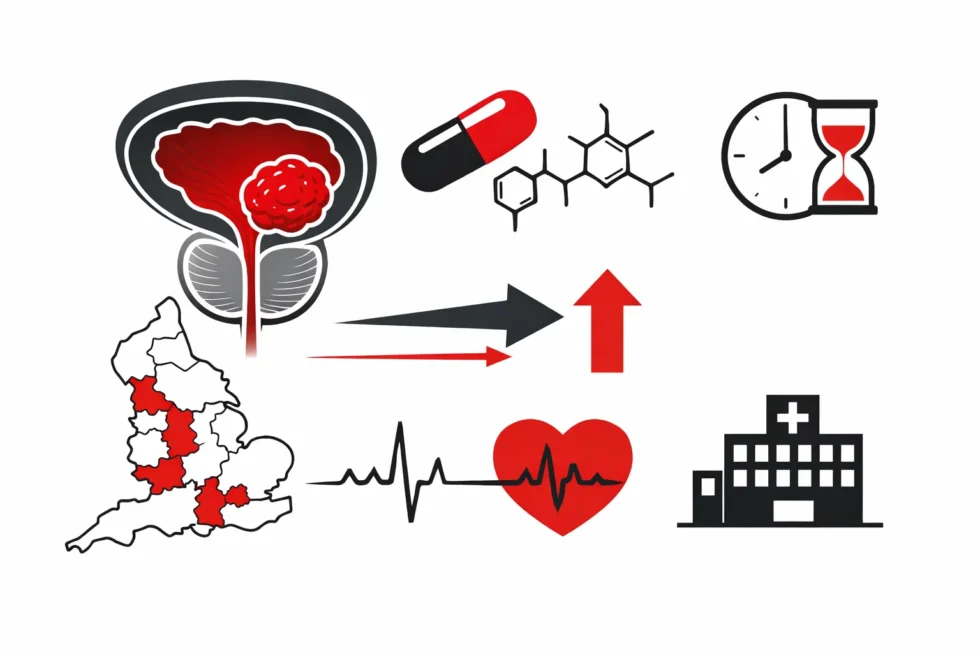
The NHS's groundbreaking decision to expand abiraterone access represents a pivotal moment in personalized healthcare, with profound implications for medical technology, pharmaceutical supply chains, and patient-centric treatment strategies. Starting in 2026, approximately 8,000 newly diagnosed prostate cancer patients will receive advanced hormone therapy, dramatically reshaping treatment protocols and patient outcomes.
The economic and healthcare landscape transformation is multifaceted, with the drug priced at just £2.50 daily, offering a cost-effective solution that could potentially reduce annual prostate cancer deaths from 1,900 to fewer than 1,000. Clinical trials by University College London demonstrate the treatment can halve cancer recurrence risk and reduce death risk by 40% when the disease remains localized. This represents a significant leap in precision medicine, highlighting how targeted pharmaceutical interventions can revolutionize patient care.
The strategic implications extend beyond immediate medical benefits. The NHS's data-driven approach, backed by robust clinical evidence from the STAMPEDE trial, showcases a model of evidence-based healthcare policy. By addressing previous regional disparities—what was termed a 'postcode lottery' in treatment access—the decision ensures more equitable healthcare delivery. The expansion follows persistent advocacy by patient groups like Prostate Cancer UK, underscoring the critical role of patient-driven healthcare innovation.
For healthcare technology and pharmaceutical sectors, this development signals a growing trend towards personalized, cost-effective treatment models. Researchers from the Institute of Cancer Research project that the treatment could save nearly 720 lives this year and potentially 3,000 lives over the next five years, representing a significant market opportunity for innovative medical solutions.
Questions 5
What makes abiraterone a breakthrough in prostate cancer treatment?
Abiraterone is groundbreaking because it can halve cancer recurrence risk and reduce death rates by 40% when used in early-stage prostate cancer. Priced at just £2.50 daily, it offers a cost-effective solution that transforms treatment from advanced to preventative stages.
What are the potential long-term economic benefits of this treatment?
By preventing cancer recurrence, the NHS expects significant long-term financial savings. Nearly 8,000 men might avoid devastating cancer relapse, and those whose cancer does return will still benefit from extended healthy years.