



Cross-Border Logistics Alert: Spain's Rail Disaster Impact
- Infrastructure Risks Expose Global E-Commerce Supply Chain Vulnerabilities

















Overview
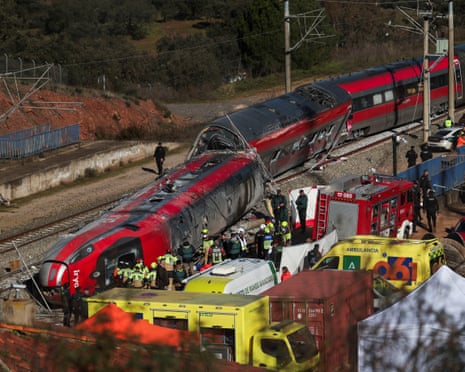
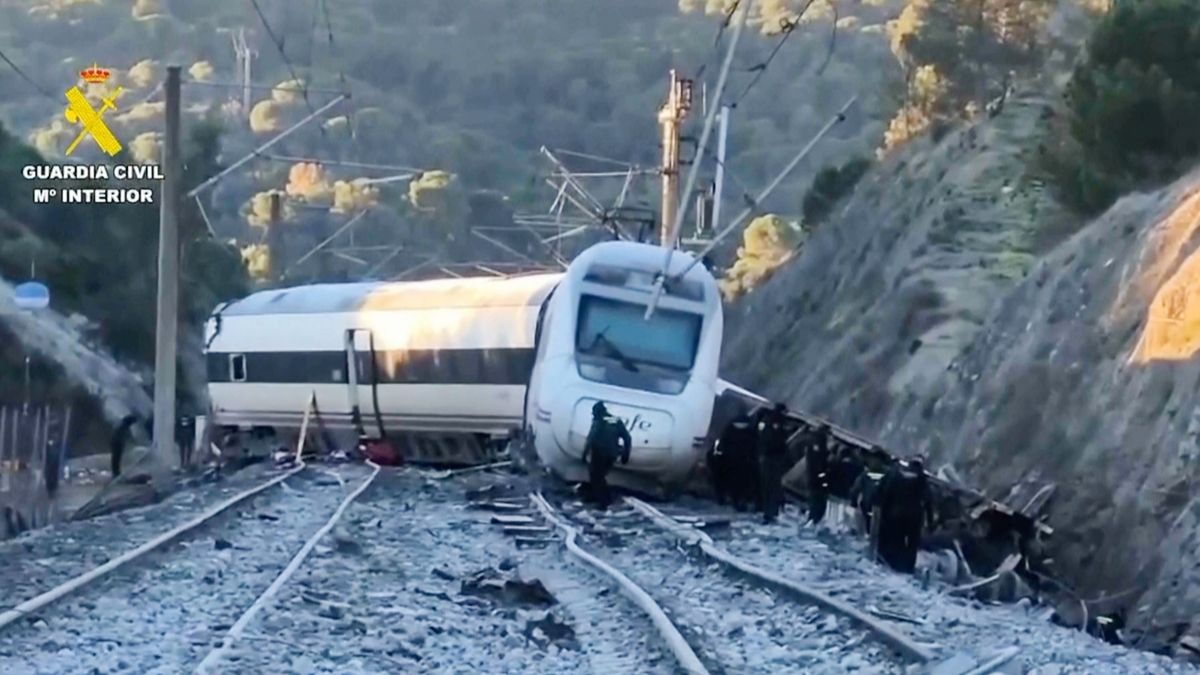
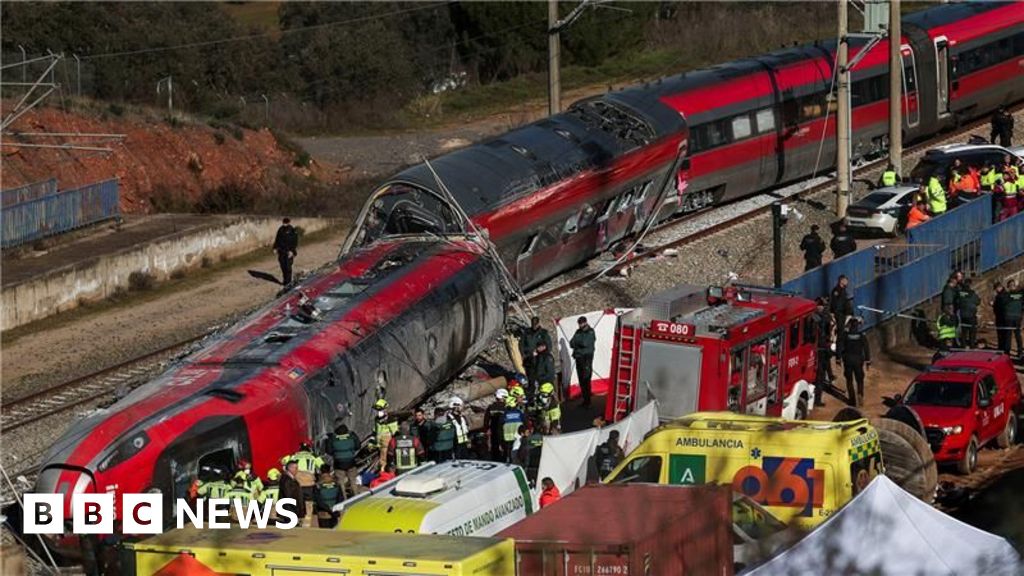
The catastrophic Spanish train collision represents more than a transportation tragedy—it's a critical wake-up call for cross-border e-commerce sellers about infrastructure resilience and risk management. The incident underscores the fragile interconnectedness of global logistics networks, where a single infrastructure failure can cascade into widespread operational disruptions.
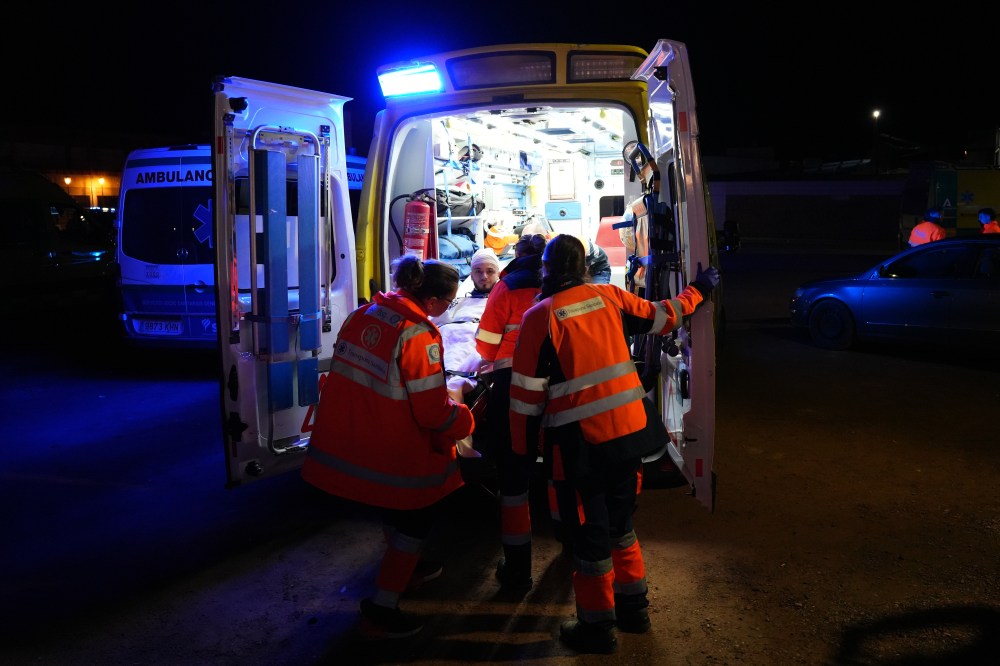
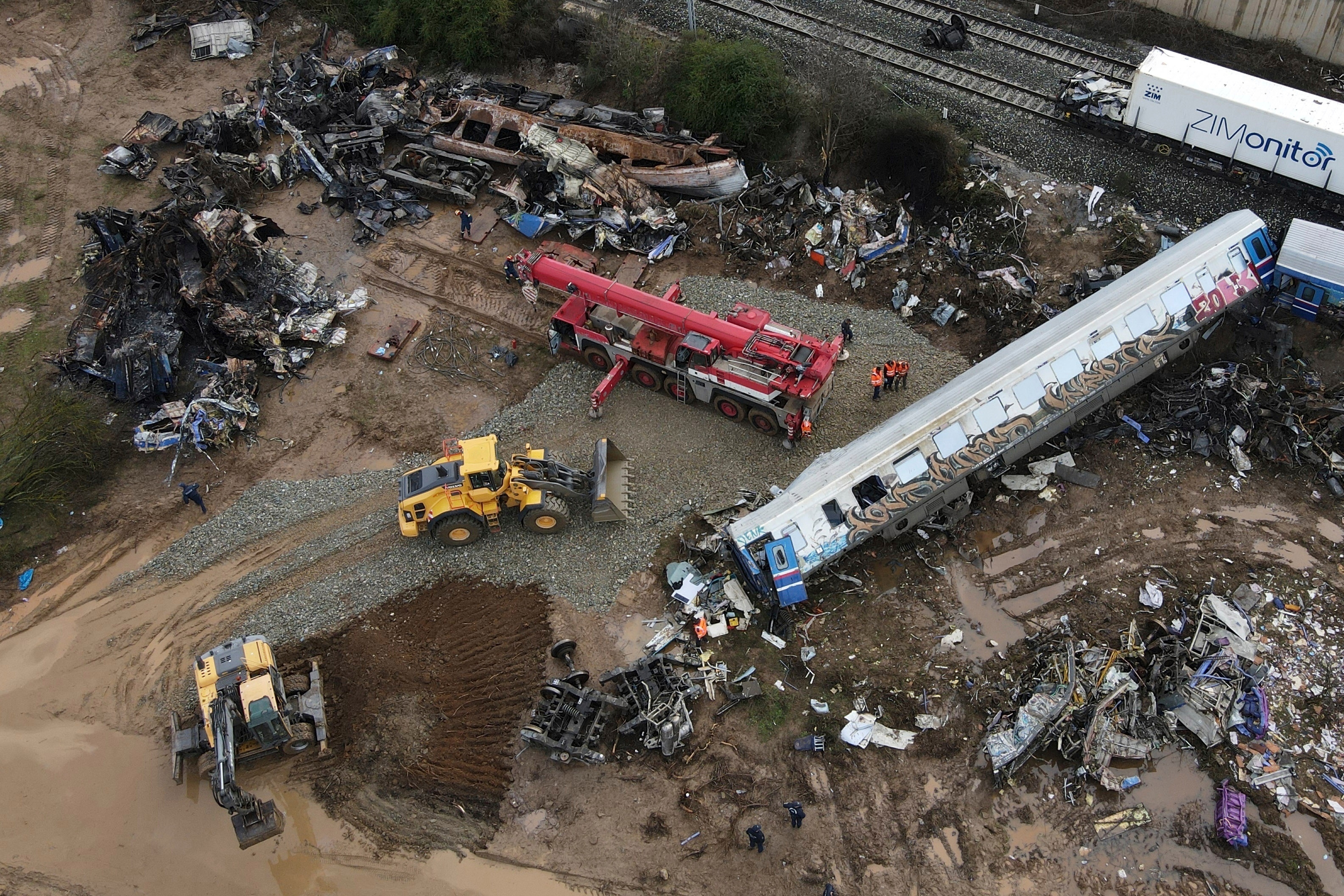
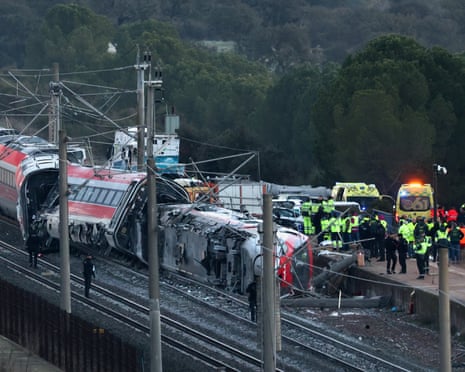
Key Logistics Implications for E-Commerce Sellers: The derailment near Adamuz, involving two high-speed trains and resulting in 40 fatalities, reveals systemic vulnerabilities in transportation infrastructure. For cross-border sellers operating in or through Spain, this event demands immediate strategic reassessment. The accident occurred on a recently renovated track with modern trains, suggesting that even seemingly robust systems can experience catastrophic failures.
Operational Risk Management Strategies: E-commerce businesses must now prioritize comprehensive contingency planning. This includes:
- Diversifying shipping routes and carriers
- Developing multi-modal transportation alternatives
- Implementing real-time tracking and rerouting capabilities
- Establishing flexible inventory distribution strategies
The incident highlights that transportation safety is not just a logistical concern but a critical business continuity factor. With Spain hosting nearly 4,000km of high-speed railway—the largest in Europe—the potential for infrastructure-related disruptions is significant. Cross-border sellers must treat transportation networks as dynamic, potentially volatile systems requiring constant monitoring and adaptive strategies.
Immediate Seller Recommendations:
- Conduct a comprehensive logistics risk assessment
- Review and update shipping contingency plans
- Develop alternative routing strategies for Spanish and European markets
- Increase inventory buffer in potentially affected regions
- Enhance communication protocols with logistics partners
Questions 4
What immediate actions should e-commerce sellers take?
Sellers should review logistics partnerships, develop alternative shipping routes, increase inventory buffers in affected regions, and enhance communication protocols with transportation providers to mitigate potential disruptions.
How does the Spanish train collision impact cross-border e-commerce sellers?
The collision exposes critical infrastructure vulnerabilities, requiring sellers to develop more robust, flexible logistics strategies. It emphasizes the need for multi-modal transportation planning and real-time risk assessment in European markets.