

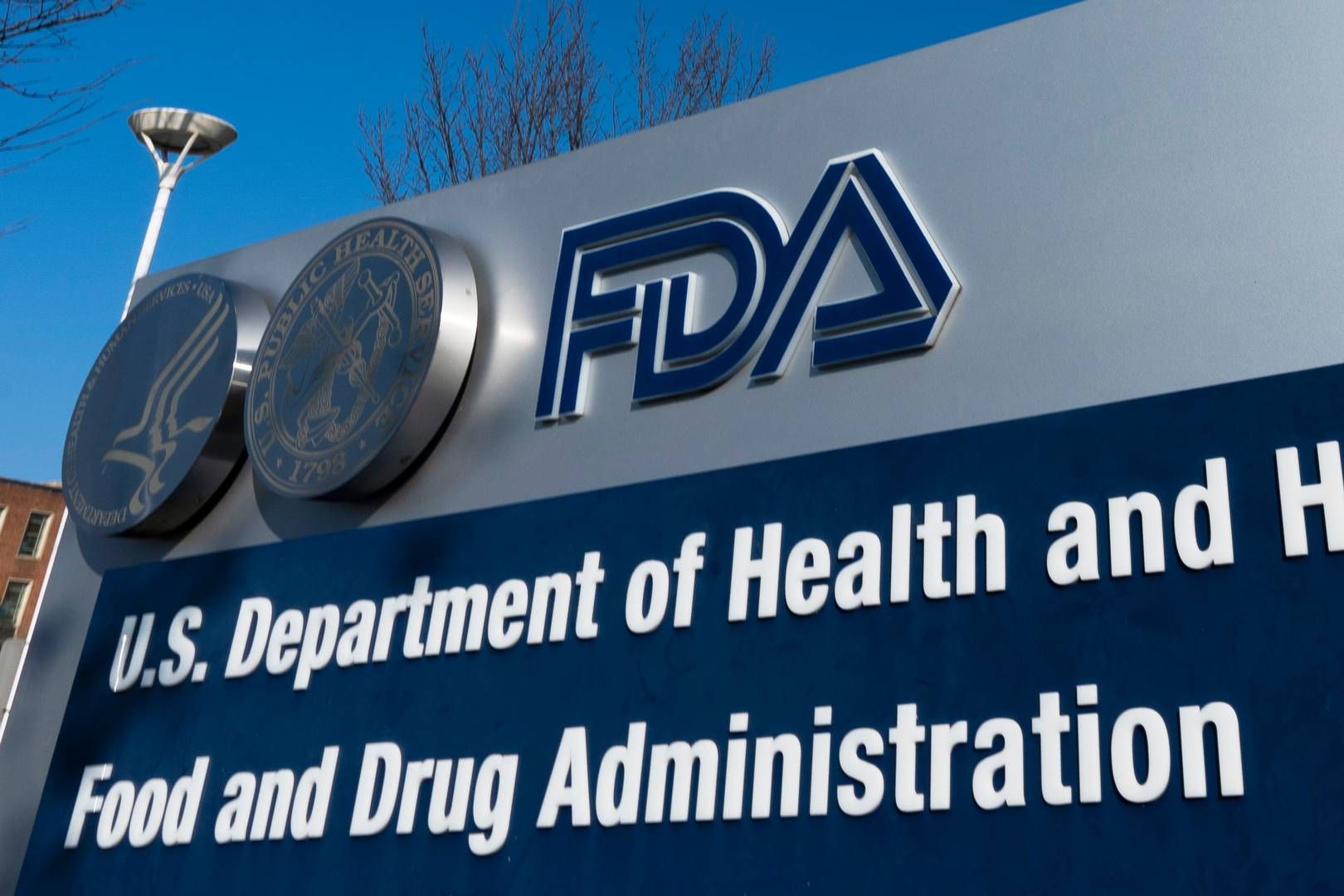

FDA's Rapid Drug Approval Shakes Regulatory Landscape | Seller Impact
- Unprecedented 1-Month Approval Cycle Disrupts 18+ Drug Vouchers
















Overview
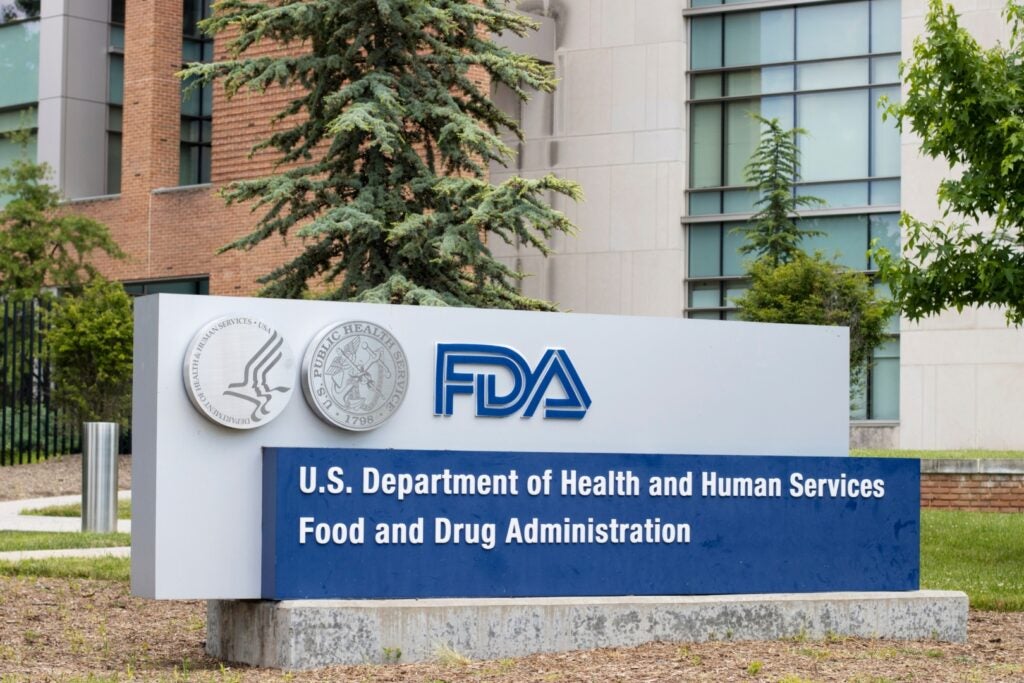
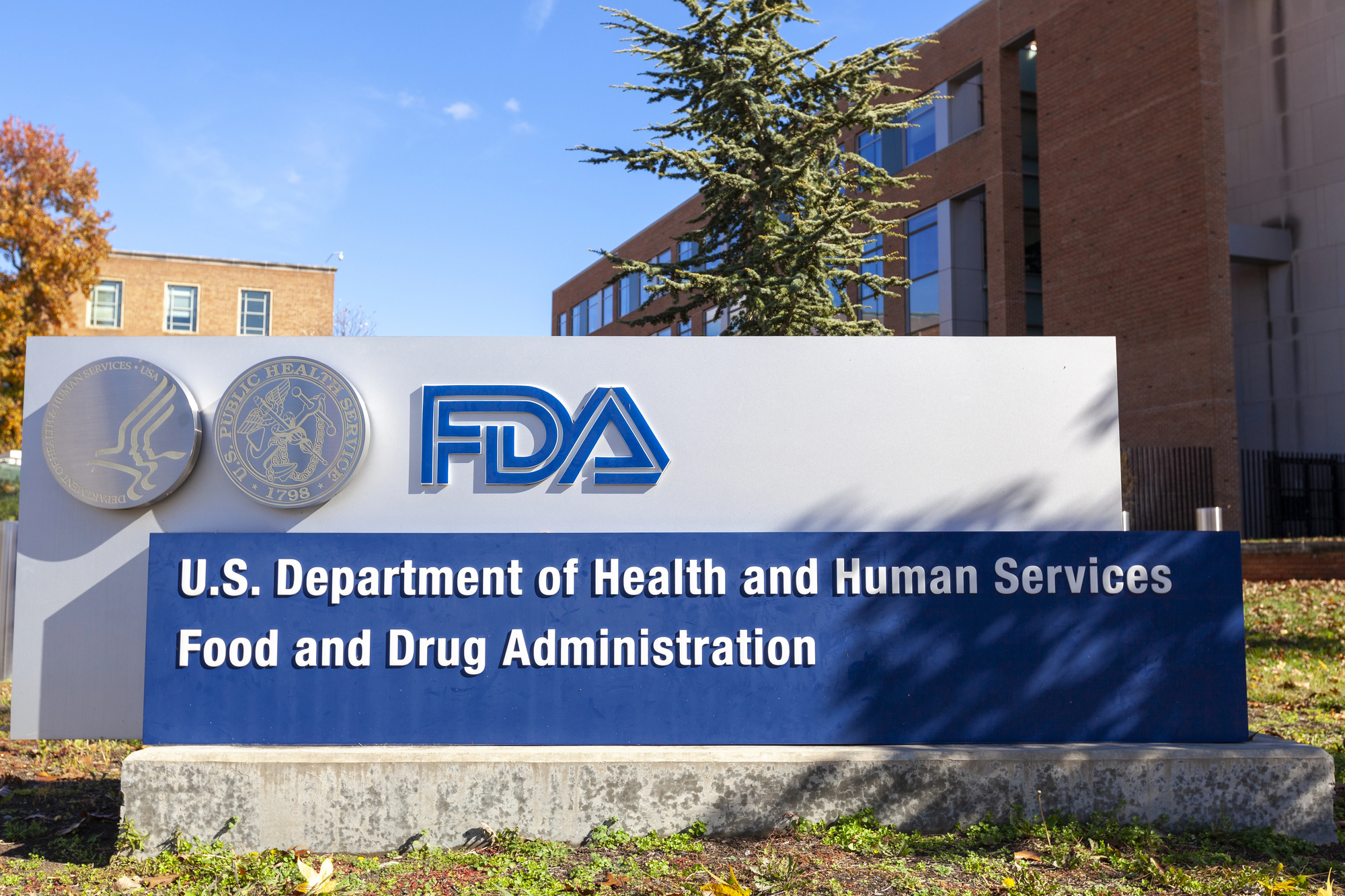
The FDA's controversial National Priority Voucher program represents a critical inflection point in pharmaceutical regulatory compliance, with profound implications for cross-border healthcare product sellers and medical supply chains. Regulatory acceleration creates unprecedented market opportunities and compliance challenges.
The program's core innovation—reducing drug approval timelines from 6-10 months to just 1-2 months—signals a fundamental shift in how medical products enter markets. By empowering senior political appointees to directly select and approve drugs, the FDA has created a high-stakes regulatory environment that demands sophisticated compliance strategies from sellers.
Key compliance implications emerge for healthcare and medical product sellers:
- Accelerated approval pathways create faster market entry opportunities
- Political selection processes introduce new competitive dynamics
- Increased legal uncertainty requires robust documentation and risk management
- Potential for rapid category disruption in medical supply markets
External experts like Dr. Aaron Kesselheim from Harvard Medical School have raised critical concerns about scientific rigor, highlighting the program's potential to compromise traditional safety protocols. This regulatory transformation suggests sellers must develop more agile compliance frameworks, investing in legal expertise and rapid adaptation capabilities.
The expansion from 5 to 18 drug vouchers, managed by officials like Dr. Mallika Mundkur, indicates a systemic approach to expediting medical product approvals. Cross-border sellers in healthcare, medical devices, and pharmaceutical adjacent categories must closely monitor these developments to maintain competitive positioning.
Questions 4
What are the key risks for medical product sellers under this new FDA program?
Primary risks include potential compromises in scientific review standards, increased legal uncertainty, and the need for more sophisticated documentation. Sellers must carefully navigate the politically-driven selection process and maintain robust compliance mechanisms.
Which product categories are most affected by the expedited approval process?
Healthcare, medical devices, pharmaceuticals, and adjacent medical supply categories will experience the most significant impacts. Sellers in these domains must closely monitor regulatory changes and develop flexible market entry strategies.