



China's $213B BRI Strategy: Global E-Commerce Transformation
- 74% Investment Surge Reshapes Cross-Border Trade Dynamics


Overview
The Belt and Road Initiative (BRI) is undergoing a transformative expansion in 2025, presenting unprecedented opportunities for cross-border e-commerce sellers. China's strategic $213.5 billion investment represents a pivotal moment in global trade infrastructure, signaling massive potential for sellers willing to adapt to emerging market ecosystems.
Key Strategic Implications for E-Commerce Sellers: The BRI's massive investment surge targets critical regions in Africa, Central Asia, and Southeast Asia, creating new logistics and market access corridors. Chinese state-owned enterprises are systematically investing in infrastructure, minerals, and technology sectors, which directly translates to improved cross-border trade capabilities. For e-commerce sellers, this means:
- Emerging Market Logistics: Improved transportation networks in BRI countries will reduce shipping complexities and costs
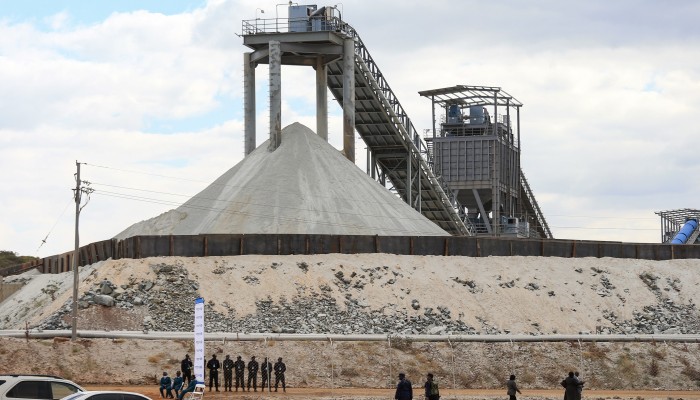
- Resource-Driven Market Expansion: Access to critical minerals like lithium and rare earth elements will drive high-tech product manufacturing
- Preferential Trade Relationships: New financial mechanisms will create smoother cross-border transaction environments
Competitive Landscape Transformation: The average deal size has doubled to $1.24 billion, with significant investments totaling $126.5 billion in metals, mining, and energy sectors. This signals a fundamental restructuring of global supply chains. E-commerce sellers should anticipate:
- Reduced sourcing barriers in emerging markets
- More competitive manufacturing costs
- Expanded product development opportunities in technology and resource-intensive categories
Actionable Seller Insights: Sellers must proactively map emerging BRI corridors, particularly in Africa (61.2B investment), Central Asia, and Southeast Asia. The infrastructure investments suggest potential high-growth commercial ecosystems with reduced market entry barriers.
Questions 4
How will the BRI investment impact cross-border e-commerce sellers?
The $213.5 billion BRI investment will create new logistics networks, reduce trade barriers, and open emerging markets with improved infrastructure. Sellers can expect lower shipping costs, easier market entry, and expanded product sourcing opportunities in Africa, Central Asia, and Southeast Asia.
How quickly can sellers start leveraging these new trade corridors?
Proactive sellers can start exploring these markets immediately. The 2025 investment surge provides a strategic window of opportunity, with infrastructure developments already underway. Recommended first steps include market research, establishing local partnerships, and understanding regional e-commerce platforms.