
E-Commerce Platforms Redefine Digital Retail Through AI and Social Commerce
- Transformative shifts in marketplace strategies reshape how brands compete and connect with consumers
Overview
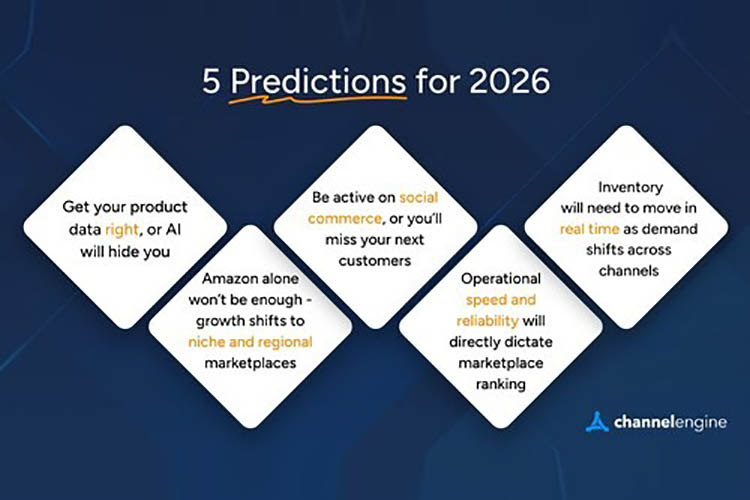
The e-commerce platform landscape is undergoing a radical transformation, driven by the convergence of artificial intelligence, social commerce, and marketplace diversification. With platforms like Amazon's Rufus already influencing 40% of purchase decisions, the traditional e-commerce model is being fundamentally reimagined.
Platform Evolution: Beyond Traditional Marketplaces The growth trajectory is decisively shifting away from global marketplaces toward niche and regional platforms that reflect localized consumer preferences. This signals a critical strategic pivot for brands, who must now develop more nuanced, adaptable digital commerce approaches. The key differentiator is no longer just product availability, but the ability to deliver consistent product experiences across multiple channels with unprecedented agility.
AI-Powered Discovery and Operational Intelligence Artificial intelligence is revolutionizing how consumers discover and interact with products. Platforms are increasingly using AI to create more personalized, intuitive shopping experiences. Brands with accurate, aligned product data will gain visibility, while those with outdated information risk becoming digitally invisible. The operational implications are profound: real-time inventory management, dynamic stock allocation, and seamless cross-channel integration are becoming critical ranking factors.
Social Commerce: The New Frontier Social platforms like TikTok, Meta, and emerging livestream channels are transforming from mere marketing channels to primary shopping discovery ecosystems. Consumers are increasingly starting their purchasing journeys through these interactive, content-driven platforms. This shift demands that brands develop more sophisticated, engagement-driven strategies that blend entertainment, authenticity, and seamless purchasing experiences.
The message is clear: e-commerce platforms are no longer just transactional spaces, but complex, intelligent ecosystems that require brands to be more adaptive, data-driven, and technologically sophisticated than ever before.
Questions 3
What makes social commerce different from traditional e-commerce?
Social commerce integrates shopping directly into content-driven platforms like TikTok and Meta, transforming them from marketing channels to complete purchasing ecosystems. Unlike traditional e-commerce, it emphasizes real-time engagement, influencer interactions, and seamless, entertainment-driven purchasing experiences.
What should brands do to succeed in the evolving platform landscape?
Brands must invest in unified product data, develop agile multichannel strategies, and create consistent experiences across platforms. This includes leveraging AI for personalization, maintaining real-time inventory accuracy, and building capabilities that allow dynamic stock allocation across different sales channels.