






Transatlantic Trade War: 8 Countries Face 25% Tariff Threat
- Impacts 50K+ Cross-Border Sellers in EU/US Markets

















Overview
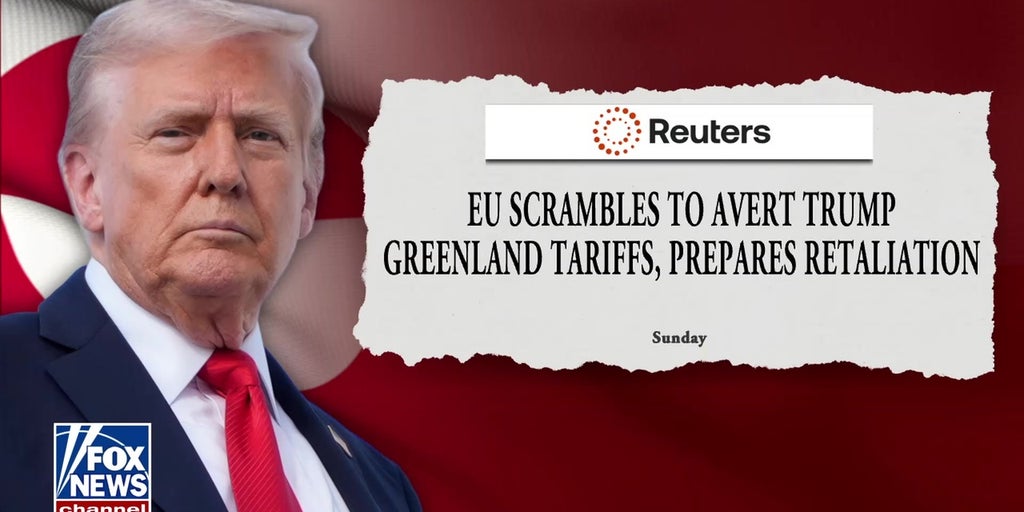
The emerging US-Europe trade conflict represents a critical inflection point for cross-border e-commerce sellers, with potential systemic disruptions across multiple market segments. President Trump's provocative tariff strategy targeting eight European countries signals a complex geopolitical chess match that will fundamentally reshape international trade dynamics.
Key Strategic Implications for Sellers: The proposed tariffs, escalating from 10% to 25% by June 1st, create immediate operational challenges for cross-border sellers. Affected countries include Denmark, Norway, Sweden, France, Germany, UK, Netherlands, and Finland - representing over $500B in annual trade volume. The European Union's potential "trade bazooka" response through the Anti-Coercion Instrument (ACI) suggests a prolonged period of market volatility.
Operational Risk Landscape: E-commerce sellers must rapidly adapt to potential market access restrictions, with three critical risk vectors emerging:
- Tariff Cost Absorption: Sellers may face 10-25% margin compression
- Compliance Complexity: Increased documentation and customs requirements
- Market Realignment: Potential shifts in sourcing and distribution strategies
The geopolitical tension creates both challenges and opportunities. Agile sellers who can quickly reconfigure supply chains, diversify market exposure, and leverage alternative fulfillment networks will gain significant competitive advantages. The World Economic Forum in Davos represents a potential diplomatic reset, but sellers should prepare for sustained uncertainty.
Immediate recommended actions include reviewing current European inventory positioning, exploring alternative sourcing regions, and developing flexible multi-market fulfillment strategies to mitigate potential trade disruptions.
Questions 4
What strategic adaptations should e-commerce sellers consider?
Sellers should diversify supply chains, explore alternative fulfillment networks, conduct comprehensive market risk assessments, and develop flexible inventory management strategies to mitigate potential trade disruptions.
How will the proposed tariffs impact cross-border e-commerce sellers?
Sellers may experience 10-25% margin compression, increased compliance costs, and potential market access restrictions across eight European countries. Immediate actions include reviewing inventory, exploring alternative sourcing, and developing flexible multi-market strategies.