




Global Trade Shock: Trump's Greenland Gambit Triggers E-Commerce Disruption
- 10% Tariffs Threaten $8T Cross-Border Market Dynamics
















































Overview
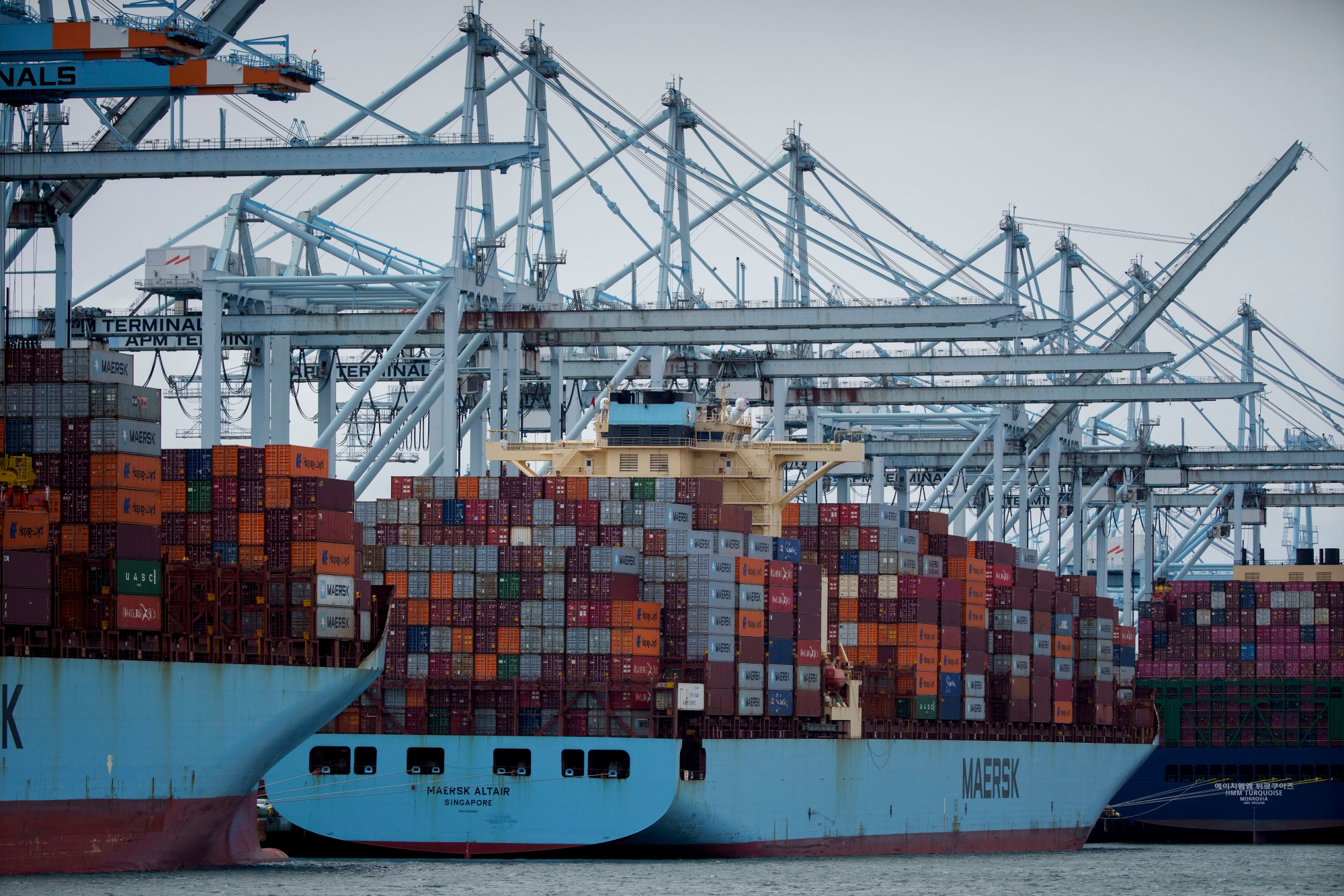
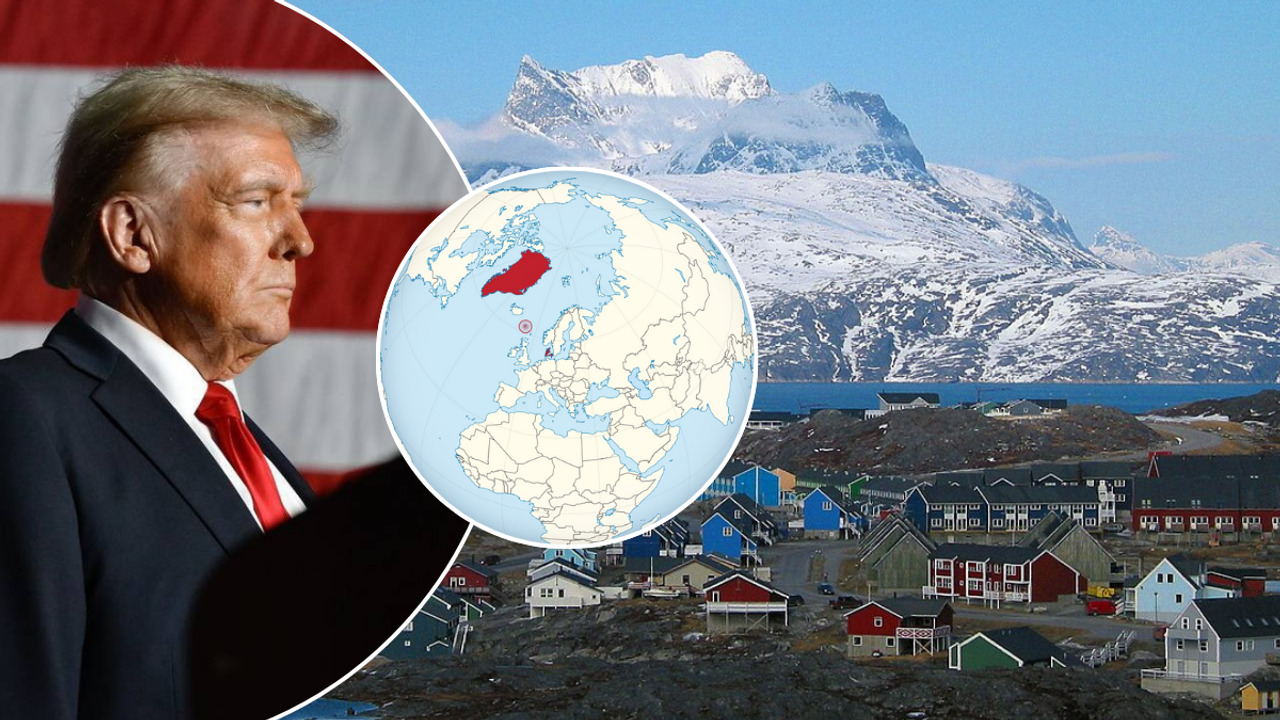
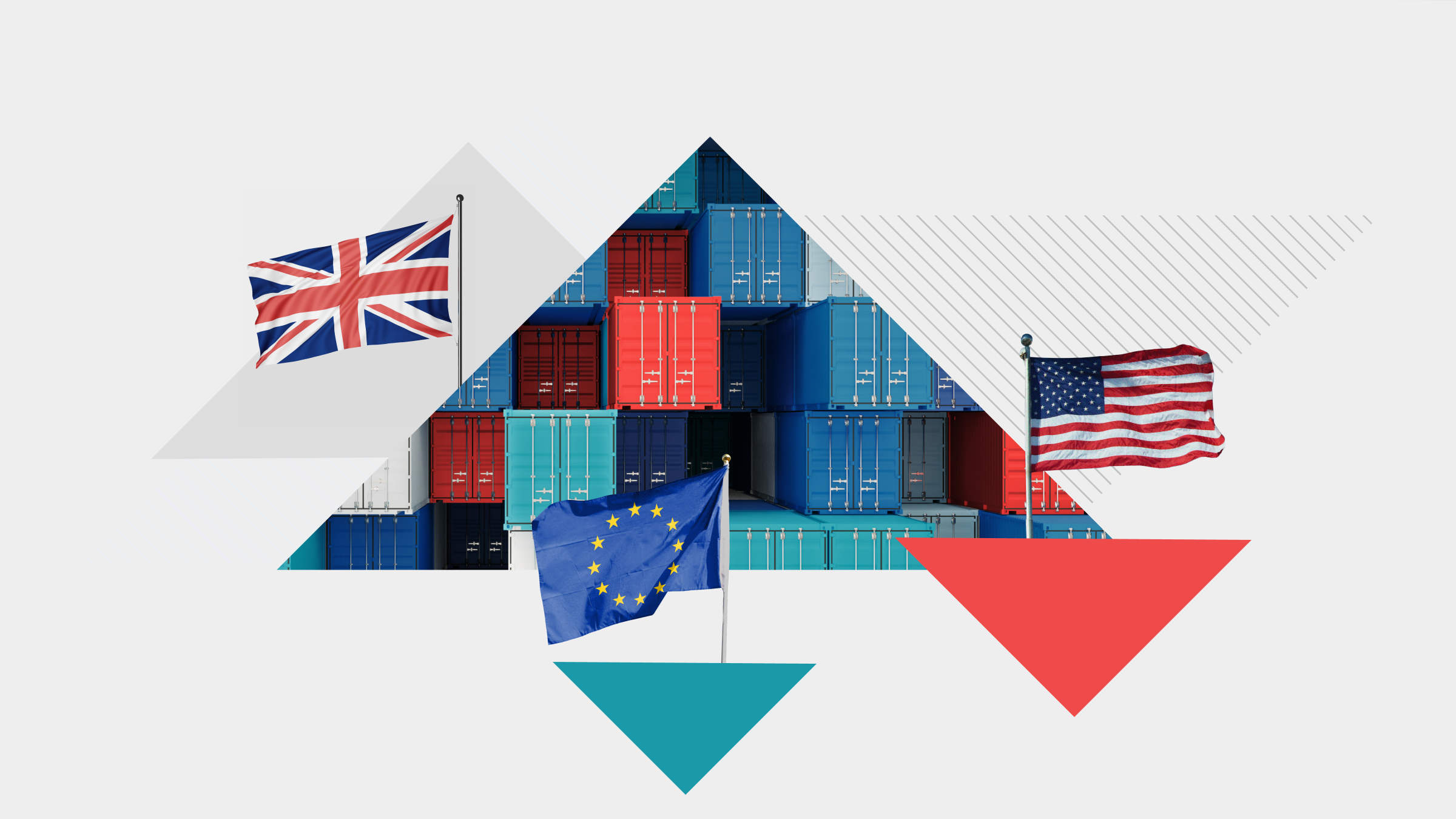
The geopolitical landscape is experiencing unprecedented volatility as U.S. President Donald Trump's aggressive diplomatic maneuver regarding Greenland triggers massive market disruptions with direct implications for cross-border e-commerce sellers. The proposed 10% tariff on eight European countries, escalating to 25% by June, represents a critical inflection point for international trade strategies.
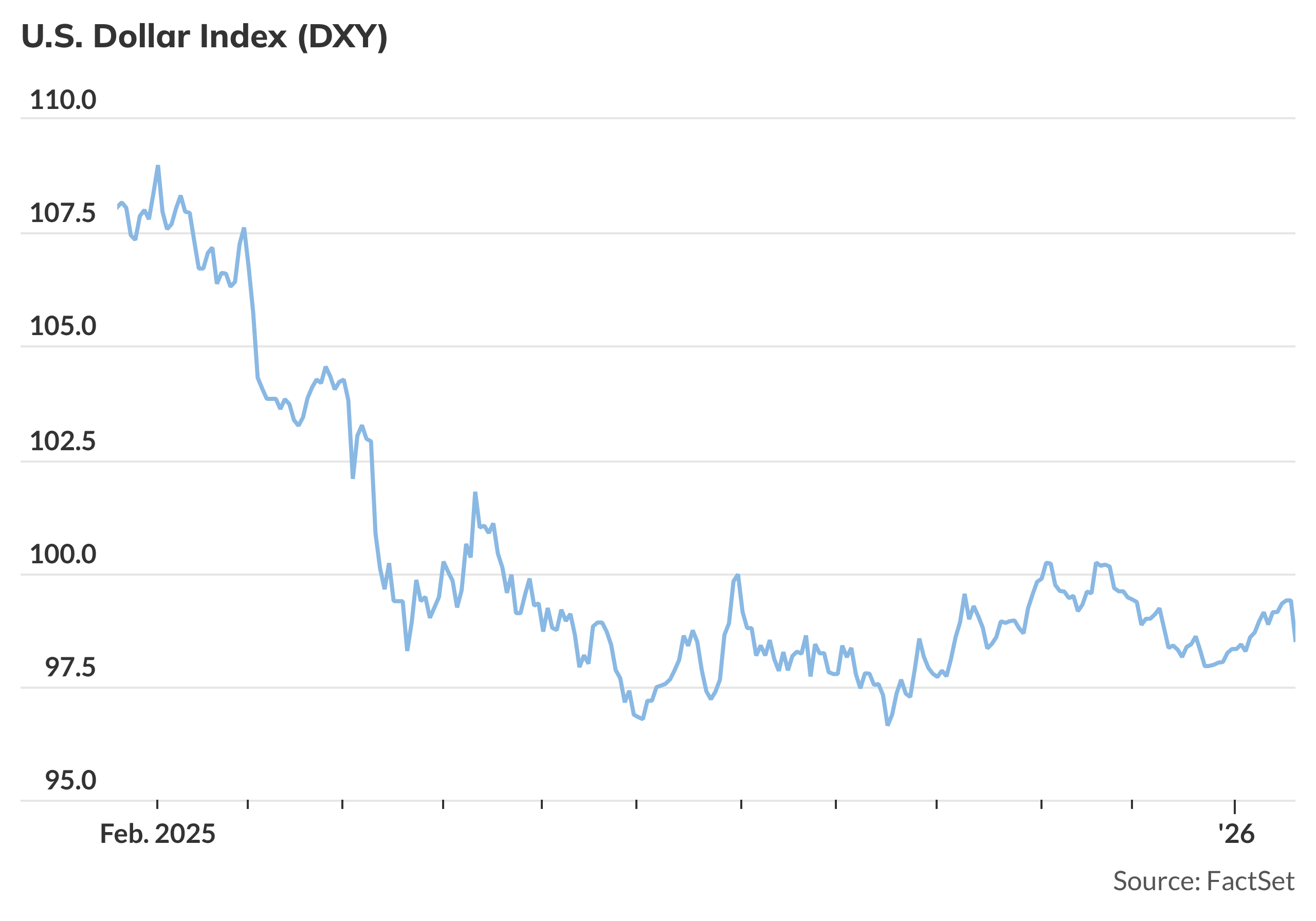
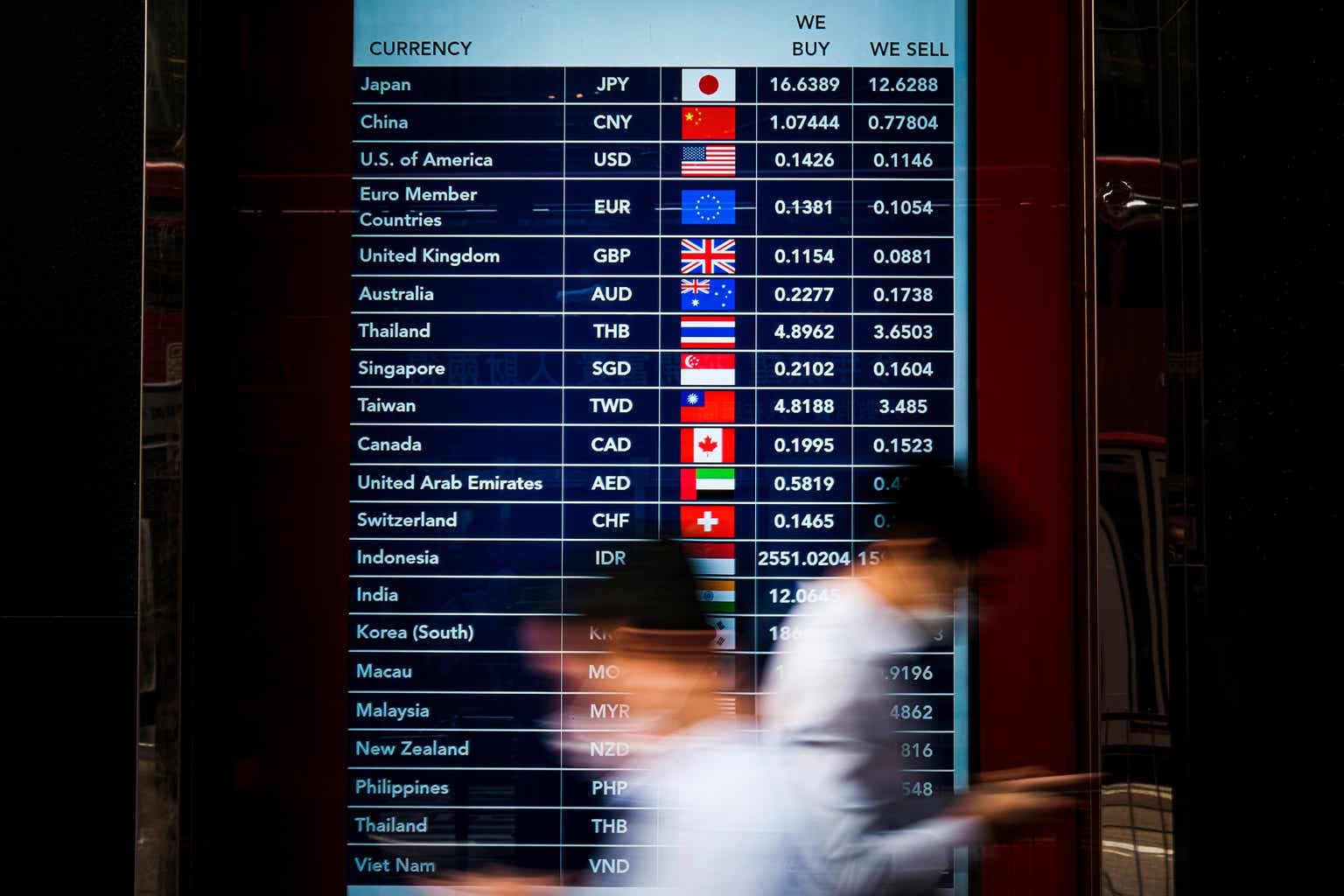
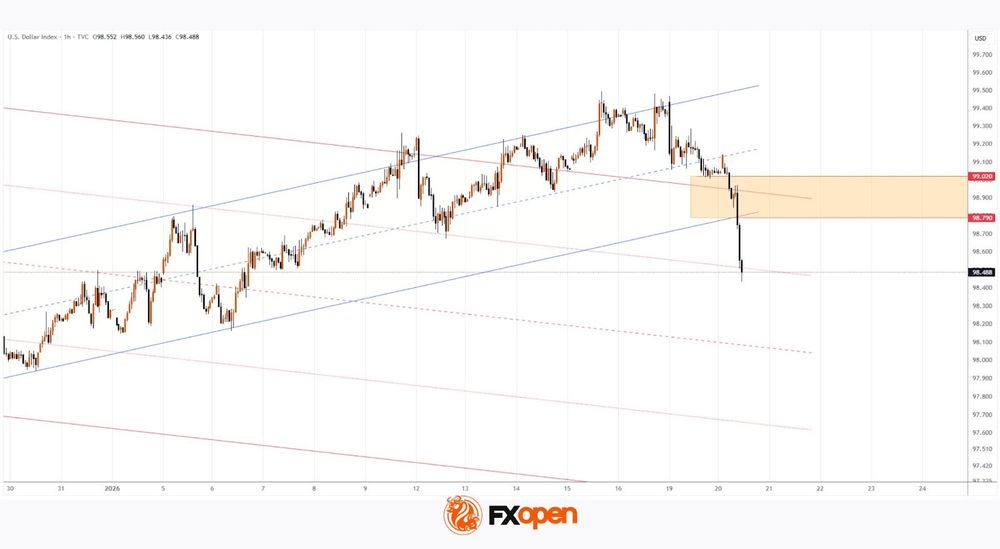
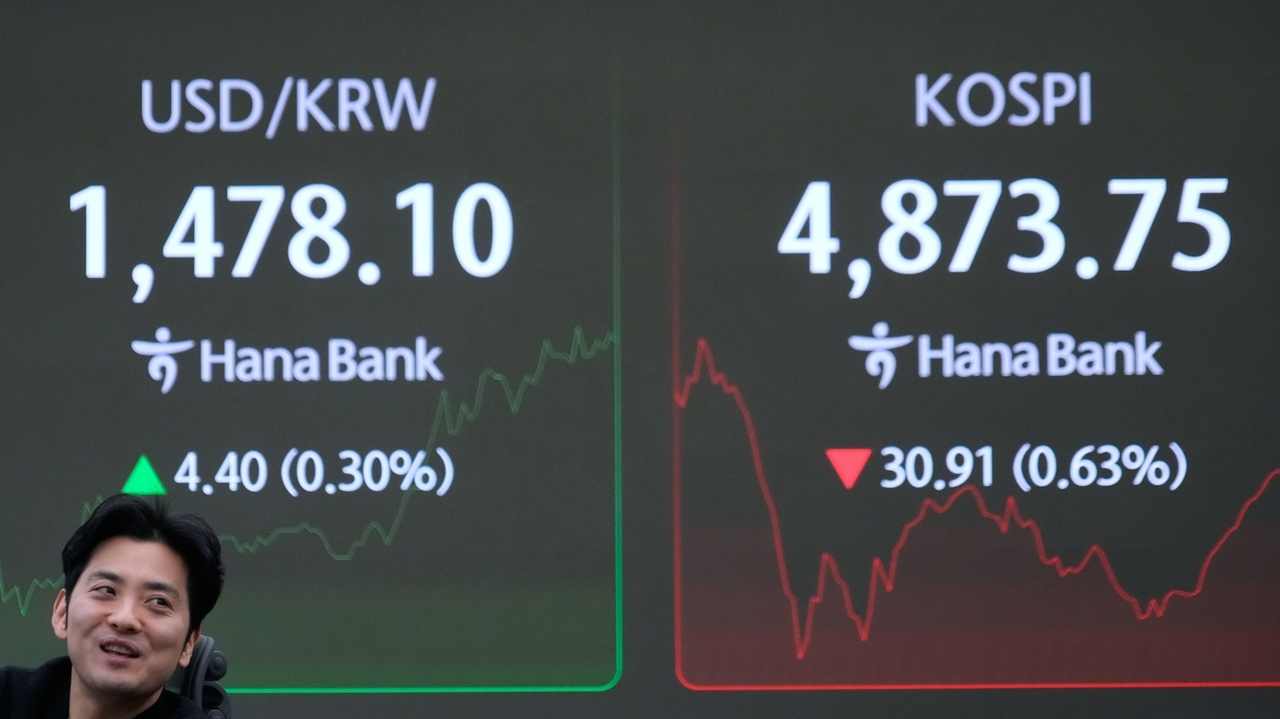
Strategic market indicators reveal profound shifts: the Dow Jones dropped over 700 points, currency markets experienced significant turbulence, and hedge funds preemptively repositioned euro holdings. For cross-border sellers, this translates into immediate operational challenges across multiple dimensions. Businesses must anticipate potential supply chain reconfiguration, pricing strategy adjustments, and complex compliance requirements.
The market response underscores the intricate relationship between geopolitical tensions and e-commerce ecosystems. Morgan Stanley warns of underestimated currency market risks, while Ray Dalio highlights potential "capital wars" that could fundamentally reshape international investment landscapes. Cross-border sellers must adopt hyper-adaptive strategies, including:
- Diversifying supply chain geographies
- Implementing flexible pricing mechanisms
- Developing multi-market contingency plans
- Closely monitoring currency exchange volatilities
The emerging scenario demands unprecedented agility from international sellers, with potential margin compressions of 15-25% in transatlantic market segments. Sellers operating between U.S. and European markets face the most significant operational recalibration challenges.
Questions 5
How will Trump's Greenland-related tariffs impact cross-border e-commerce sellers?
Sellers can expect potential 15-25% margin compression, increased compliance costs, and need to rapidly diversify supply chains. The 10% initial tariff, escalating to 25% by June, will significantly impact pricing strategies and market access for U.S.-European trade corridors.
What immediate actions should cross-border sellers take?
Sellers should conduct an urgent supply chain audit, explore alternative manufacturing regions like Vietnam or India, implement dynamic pricing algorithms, and develop contingency plans for potential market access restrictions. Monitoring currency exchange rates and maintaining financial flexibility are critical.